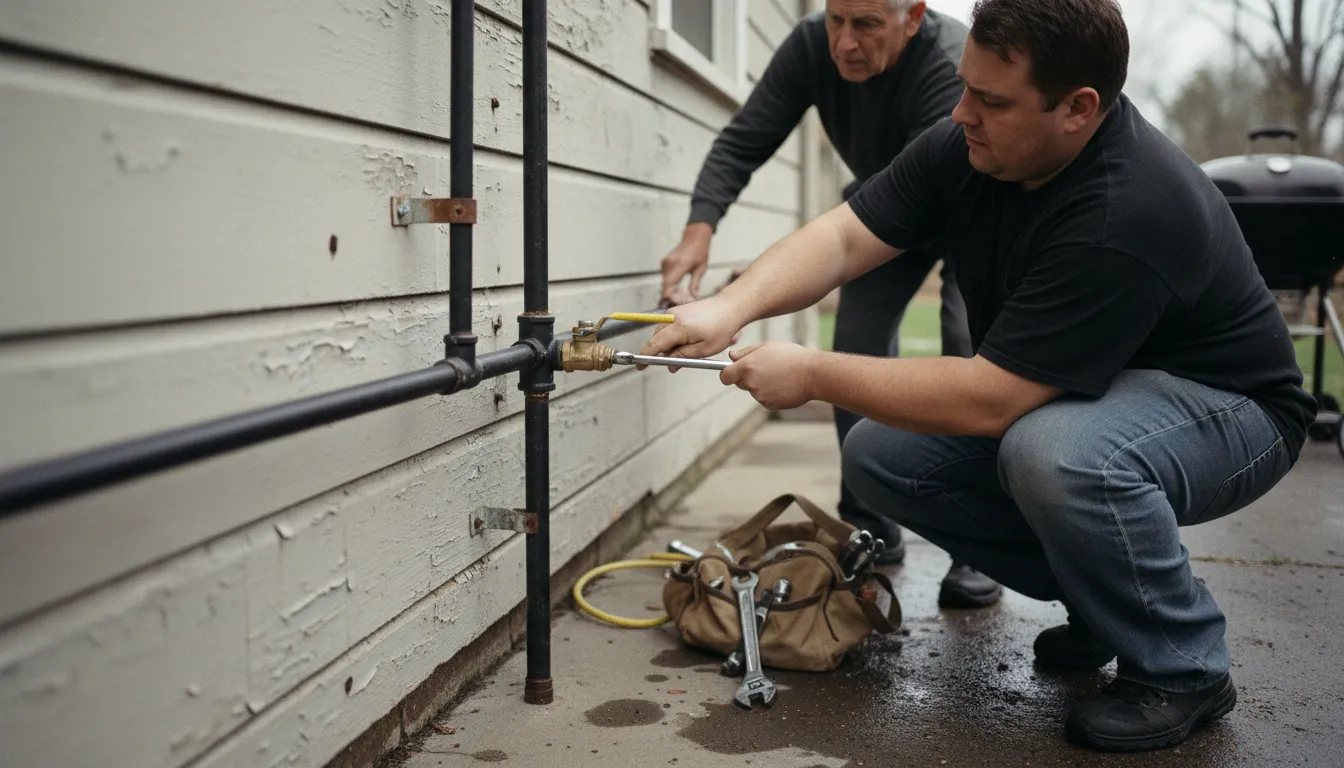
Find the Best Gas Line Plumbing Companies for Your Business
No obligation • Fast responses • Nationwide coverage

Why you can trust Search a Plumber
Search a Plumber is a leading United States resource for finding and evaluating professional plumbing services. Our team researches licensing, experience, and customer feedback to create unbiased, fact-driven overviews. Companies cannot pay to change ratings or placement, ensuring homeowners get trustworthy information.
Search providers near you
Top Gas Line Plumbing Companies in Detroit, Michigan Ranked
Installing or repairing a gas line is a critical home improvement project that directly impacts the safety and functionality of your Detroit residence. Proper gas piping work ensures your appliances-like furnaces, water heaters, and stoves-receive a reliable fuel supply without risk. Given the potential dangers of gas leaks, including fire, explosion, and carbon monoxide exposure, this work is strictly regulated and must be performed by licensed professionals. This guide will help you understand the local requirements, safety protocols, and steps involved in gas line projects, empowering you to make informed decisions when hiring a qualified contractor for your gas piping needs.
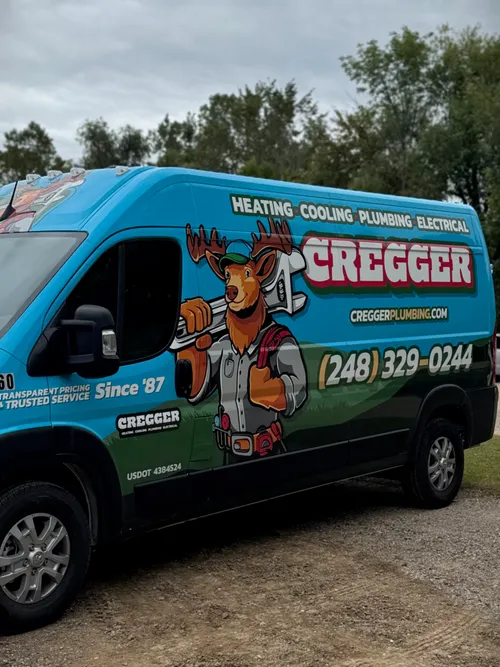
Cregger Plumbing, Heating & Cooling
2335 Goodrich St, Ferndale, MI 48220
Cregger Plumbing, Heating & Cooling is a third-generation, locally operated plumbing and HVAC company serving Detroit, MI. They provide a wide range of services including water heater repair and installation, sump pump repair, drain cleaning, hydro jetting, leak detection, gas line installation, toilet repair, and garbage disposal repair. The company is known for its licensed and insured plumbers who offer 24/7 emergency plumbing services to address urgent issues at any time. Established in 1987, Cregger Plumbing has built a reputation for transparent pricing and community involvement.
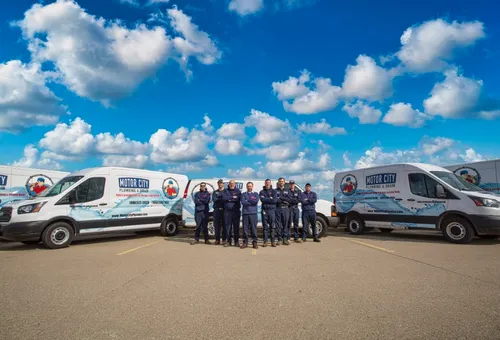
Motor City Plumbing and Drain
30367 Gratiot Ave, Roseville, MI 48066
Motor City Plumbing and Drain is a plumbing service provider based in Detroit, MI. They offer a wide range of plumbing services including sewer camera inspections, water heater repair and installation, sump pump repair, drain cleaning, hydro jetting, sewer line repair, leak detection, repiping, gas line installation, and toilet repair. The company is known for its use of advanced techniques such as hydro jetting and sewer camera inspections to diagnose and resolve plumbing issues efficiently. Motor City Plumbing and Drain has built a reputation for thorough and professional service, with many customers noting the expertise and clear communication of their technicians. They serve residential and commercial clients in the Detroit area and emphasize customer education and transparency throughout their work.
Detroit Furnace LLC
31313 Kendall, Fraser, MI 48026
Detroit Furnace LLC provides comprehensive plumbing and HVAC services in Detroit, MI. Their offerings include water heater repair and installation, drain cleaning, sewer line repair, leak detection, repiping, gas line installation, toilet repair, and garbage disposal repair. The company serves the Detroit Metro area and is equipped to handle a wide range of plumbing and heating needs with skilled technicians. They offer 24/7 emergency service and support all brands and models. Detroit Furnace LLC is known for its commitment to proper installation and maintenance, including a "no lemon" guarantee for heating systems maintained by their team.
5 Star Plumbing
23561 Van Born Rd, Taylor, MI 48180
5 Star Plumbing is a plumbing service provider based in Detroit, MI, offering a wide range of plumbing solutions including water heater repair and installation, sump pump repair, drain cleaning, gas line installation, toilet repair, and garbage disposal repair. With over 40 years of experience since 1982, the company combines skilled workmanship with personalized service to handle projects of all sizes. Their team recently expanded in 2024, enhancing their capabilities while maintaining a commitment to quality and customer satisfaction.
Warm or Breezy Heating & Cooling
20417 Hunt Club Dr, Harper Woods, MI 48225
Warm or Breezy Heating & Cooling is a heating and cooling service provider based near Detroit, MI, serving residential, business, and municipal customers in the east-side Metro Detroit area. They offer repair and installation services for HVAC systems, boilers, water heaters, gas lines, and related components. Their capabilities include emergency repairs, full unit replacements, and maintenance plans, along with expertise in gas pipe installation and carbon monoxide testing. With over 24 years of experience, they focus on quality workmanship and clear communication throughout their service process.
Understanding Detroit's Gas Line Regulations
In Detroit, all work involving natural gas piping is governed by a combination of city, state, and utility company codes. Adherence to these rules isn't just about compliance; it's a fundamental layer of safety for your home and neighborhood.
Permits Are Mandatory: Before any work begins, a plumbing permit must be obtained from the City of Detroit's Buildings, Safety Engineering, and Environmental Department (BSEED), located at the Coleman A. Young Municipal Center 1. Your licensed contractor will typically handle this process. The permit ensures your project plan is reviewed for code compliance and triggers the necessary inspections.
DTE Energy Standards: As the primary natural gas provider in the area, DTE Energy has specific requirements for meter placement and piping 2. For instance, the gas meter must generally be installed at the front or side of the home, be readily accessible, and be placed at least three feet away from electrical meters, service equipment, or sources of ignition 2. DTE also conducts mandatory safety inspections of meters and regulators on a 36-month cycle 3. Any new service line from the street to your meter will involve coordination with DTE or Michigan Gas Utilities.
The Critical Role of Inspections: Once the gas line installation or repair is complete, a city inspector must approve the work. This inspection includes a pressure test to verify the integrity of the entire system and a leak check before the line is activated. Skipping this step is illegal and incredibly dangerous.
The Step-by-Step Process for Gas Piping Projects
A professional gas line project follows a meticulous sequence designed for safety and longevity.
1. Planning and Calling 811
The first step after hiring a contractor is to call 811, Michigan's MISS DIG system, at least three full business days before any digging commences. This free service sends out utility locators to mark the approximate locations of all underground lines-gas, water, electric, and communications-with colored paint and flags. Yellow markings indicate gas lines 4. This step is non-negotiable and protects you from causing a dangerous strike and incurring massive repair liabilities.
2. Excavation and Trenching
For new lines, a trench must be dug from the connection point (often at the meter) to the appliance location. In Michigan, gas lines are typically buried at a depth of 18 to 24 inches for main lines, though this can vary based on local code and the type of pipe used 5. The trench must be carefully excavated to avoid disturbing other marked utilities.
3. Pipe Installation and Connection
Only approved materials, such as coated steel (black iron) pipe or specific types of corrugated stainless steel tubing (CSST), can be used for natural gas 6. The pipe is laid in the trench, carefully supported, and connected. Special attention is paid to corrosion protection, especially where the pipe passes through foundation walls or in areas with corrosive soil. All joints are meticulously sealed.
4. Pressure Testing, Backfilling, and Final Inspection
Before the trench is backfilled, the entire new section of piping undergoes a pressure test. The system is pressurized with air and monitored to ensure it holds steady, confirming there are no leaks 7. Once the test passes inspection, the trench can be carefully backfilled. A final inspection by the city and, if applicable, the utility company will include a soap-bubble leak test at all connections before the gas is turned on.
Find the perfect gas line plumbing companies for your needs
Get personalized recommendations and expert advice
Key Safety Considerations for Homeowners
Gas line safety extends beyond the installation day. Being aware of risks and maintenance responsibilities is crucial for every Detroit homeowner.
The Imperative of Professional Installation: Gas line work is not a DIY project. The risks of improper installation-including leaks, explosions, and carbon monoxide poisoning-are far too high. A licensed plumber has the training, tools, and insurance to perform the job correctly and safely. They understand the nuances of the Michigan Plumbing Code and DTE's requirements.
Recognizing the Signs of a Gas Leak: Know the warning signs. The most common is the smell of "rotten eggs" (an odorant called mercaptan added to natural gas). Other signs include a hissing sound near a gas line, dead or discolored vegetation in an otherwise green area over a buried line, or unexplained dust or dirt blowing from a hole in the ground 8 9. If you suspect a leak, leave the area immediately and call 911 and DTE Energy from a safe distance.
Corrosion and Ongoing Maintenance: Over time, even buried and coated pipes can corrode 10. While the utility is responsible for the line up to the meter, the homeowner is responsible for all piping from the meter outlet into the house. Have your gas piping system visually inspected periodically by a professional, especially if your home is older. They can check for corrosion, improper connections, and verify that appliances are properly vented.
Cost Factors for Gas Line Projects in Detroit
The cost of gas piping work varies significantly based on the project's scope, complexity, and materials. Understanding these factors can help you interpret estimates from contractors.
Project Scope Dictates Price: The most significant cost driver is the amount of piping required. Simple repairs or short extensions for a new appliance might cost a few hundred dollars. Installing a completely new gas service from the street to a home, however, is a major undertaking. This involves extensive trenching, coordination with the utility, and more materials, with costs typically ranging from $2,000 to $10,000 or more 11.
Material and Labor Costs: Pricing is often quoted per linear foot. In the Detroit area, you might see a range of $15 to $50 or more per linear foot for installation, which includes materials (pipe, fittings, valves), labor, and permit fees 12 13. The type of pipe (black iron vs. CSST), the difficulty of the run (through basements, crawl spaces, or under concrete), and local labor rates all influence the final price.
The Value of Multiple Quotes: Due to the wide range of potential costs, it is highly recommended to obtain detailed, on-site estimates from at least three licensed and insured plumbing contractors in Detroit. A reputable pro will provide a free estimate that breaks down labor, materials, and permit fees. Be wary of quotes given over the phone without a site visit, as they cannot account for the unique challenges of your property.
Choosing the Right Contractor: Always verify a contractor's license with the State of Michigan and the City of Detroit. Ask for proof of insurance and references for similar gas line projects. A trustworthy professional will gladly discuss the permit process, their plan for calling 811, and the inspection schedule. They are your partner in ensuring a safe, code-compliant, and reliable gas system for your home.
Frequently asked questions
Sources
Footnotes
-
Plumbing | City of Detroit - https://detroitmi.gov/how-do-i/apply-or-renew-permit-or-certification/plumbing ↩
-
application for the installation of a natural gas line/main - https://newlook.dteenergy.com/wps/wcm/connect/228a09cc-d49d-4f7a-8104-4673777a9348/20MileApplication.pdf?MOD=AJPERES ↩ ↩2
-
Safety & Reliability - DTE Energy - https://www.dteenergy.com/us/en/business/emergency-and-safety/gas-safety/safety-reliability.html ↩
-
New Service Installation Requirements | Michigan Gas Utilities - https://www.michigangasutilities.com/services/new-service-requirements ↩
-
How Deep Are Gas Lines Buried in Michigan - Oreate AI Blog - https://www.oreateai.com/blog/how-deep-are-gas-lines-buried-in-michigan/20c2acc7b42f396ece682a98b93ba054 ↩
-
Gas Line Installation | Quality Plumbing - https://qualityplumbing.cc/gas-line-installation-what-homeowners-need-to-know/ ↩
-
Gas Line Installation Services Michigan | Delta Plumbing - https://deltadetroit.com/services/gas-line-installation-michigan/ ↩
-
Natural Gas Pipeline Safety - Revize - https://cms7files.revize.com/southgatemi/document_center/Department/Fire%20Department/Pipeline%20Safety%20for%20web.pdf ↩
-
Natural Gas Piping - Frequently Asked Questions - https://www.michigangasutilities.com/safety/gas-safety-faq ↩
-
Customer-Owned Natural Gas Piping | Michigan Gas Utilities - https://www.michigangasutilities.com/safety/customer-owned-natural-gas-piping ↩
-
Gas Line Installation in Michigan | Safe & Certified Pros - https://mooremech.net/gas-line-installation/ ↩
-
Gas Line Installation Cost Near Southfield, MI - Levine & Sons - https://www.levineandsons.com/plumbing-services/gas-line-installation/ ↩
-
How Much Does Gas Line Installation Cost? (2026) - HomeGuide - https://homeguide.com/costs/gas-line-installation-cost ↩