Find the Best Gas Line Plumbing Companies for Your Business
No obligation • Fast responses • Nationwide coverage

Why you can trust Search a Plumber
Search a Plumber is a leading United States resource for finding and evaluating professional plumbing services. Our team researches licensing, experience, and customer feedback to create unbiased, fact-driven overviews. Companies cannot pay to change ratings or placement, ensuring homeowners get trustworthy information.
Search providers near you
Top Gas Line Plumbing Companies in Royal Oak, Michigan Ranked
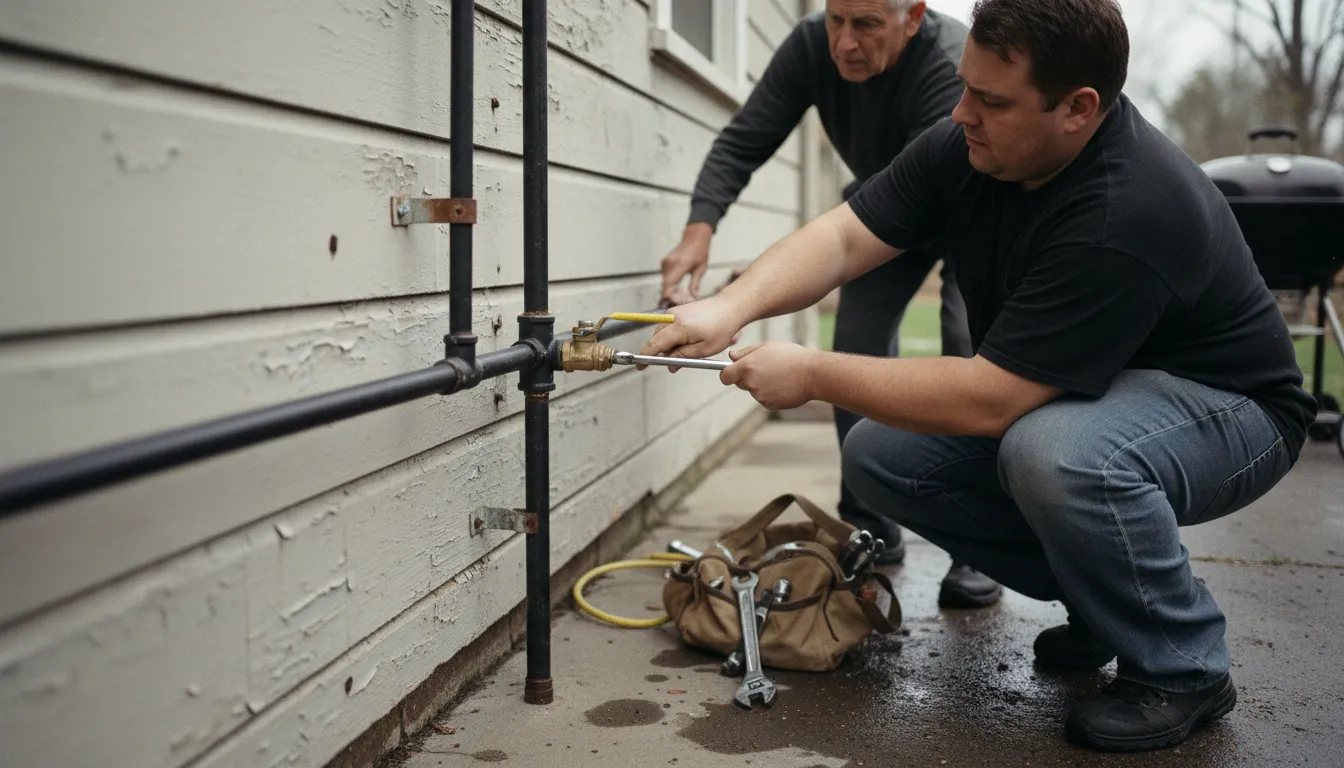
Installing or repairing a gas line is a critical task that directly impacts the safety and functionality of your Royal Oak home. This work involves running pipes to supply natural gas or propane to appliances like furnaces, water heaters, stoves, and fireplaces. Because of the inherent risks associated with gas, including potential leaks, fires, or explosions, this is not a do-it-yourself project. All gas piping work must be performed by a licensed professional who adheres to strict state and local codes. This guide is designed to help you understand the process, requirements, and key considerations for finding qualified local specialists to handle your gas line project safely and effectively.
Cregger Plumbing, Heating & Cooling
2335 Goodrich St, Ferndale, MI 48220
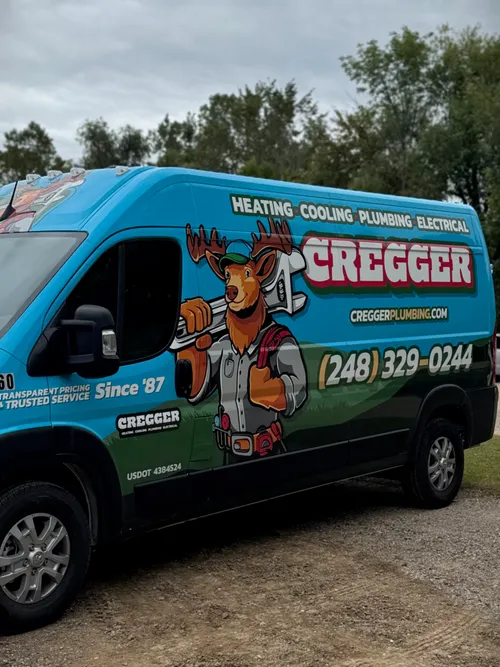
Cregger Plumbing, Heating & Cooling is a third-generation, locally operated plumbing and HVAC company serving Detroit, MI. They provide a wide range of services including water heater repair and installation, sump pump repair, drain cleaning, hydro jetting, leak detection, gas line installation, toilet repair, and garbage disposal repair. The company is known for its licensed and insured plumbers who offer 24/7 emergency plumbing services to address urgent issues at any time. Established in 1987, Cregger Plumbing has built a reputation for transparent pricing and community involvement.
Motor City Plumbing and Drain
30367 Gratiot Ave, Roseville, MI 48066
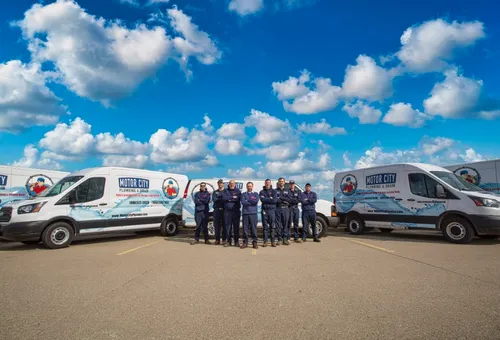
Motor City Plumbing and Drain is a plumbing service provider based in Detroit, MI. They offer a wide range of plumbing services including sewer camera inspections, water heater repair and installation, sump pump repair, drain cleaning, hydro jetting, sewer line repair, leak detection, repiping, gas line installation, and toilet repair. The company is known for its use of advanced techniques such as hydro jetting and sewer camera inspections to diagnose and resolve plumbing issues efficiently. Motor City Plumbing and Drain has built a reputation for thorough and professional service, with many customers noting the expertise and clear communication of their technicians. They serve residential and commercial clients in the Detroit area and emphasize customer education and transparency throughout their work.
Detroit Furnace LLC
31313 Kendall, Fraser, MI 48026
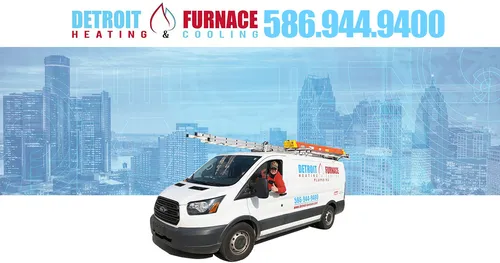
Detroit Furnace LLC provides comprehensive plumbing and HVAC services in Detroit, MI. Their offerings include water heater repair and installation, drain cleaning, sewer line repair, leak detection, repiping, gas line installation, toilet repair, and garbage disposal repair. The company serves the Detroit Metro area and is equipped to handle a wide range of plumbing and heating needs with skilled technicians. They offer 24/7 emergency service and support all brands and models. Detroit Furnace LLC is known for its commitment to proper installation and maintenance, including a "no lemon" guarantee for heating systems maintained by their team.
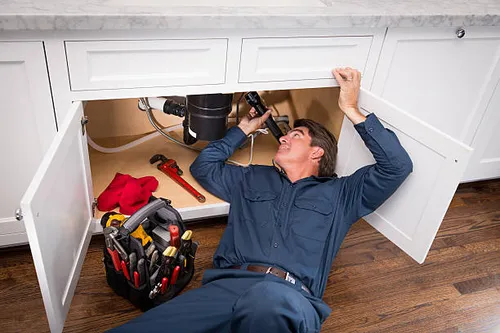
5 Star Plumbing
23561 Van Born Rd, Taylor, MI 48180
5 Star Plumbing is a plumbing service provider based in Detroit, MI, offering a wide range of plumbing solutions including water heater repair and installation, sump pump repair, drain cleaning, gas line installation, toilet repair, and garbage disposal repair. With over 40 years of experience since 1982, the company combines skilled workmanship with personalized service to handle projects of all sizes. Their team recently expanded in 2024, enhancing their capabilities while maintaining a commitment to quality and customer satisfaction.
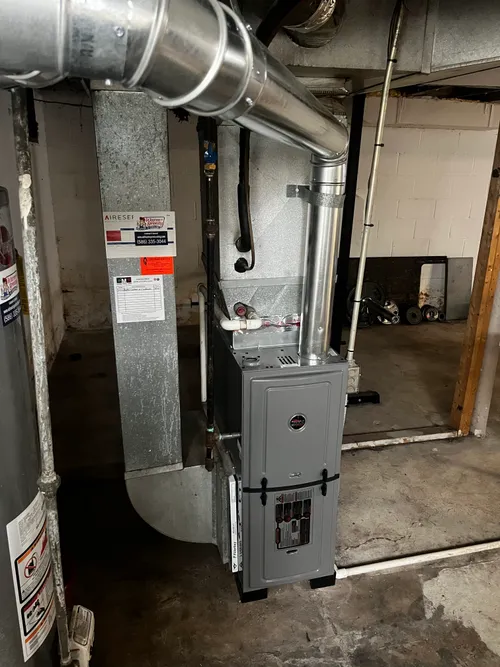
Warm or Breezy Heating & Cooling
20417 Hunt Club Dr, Harper Woods, MI 48225
Warm or Breezy Heating & Cooling is a heating and cooling service provider based near Detroit, MI, serving residential, business, and municipal customers in the east-side Metro Detroit area. They offer repair and installation services for HVAC systems, boilers, water heaters, gas lines, and related components. Their capabilities include emergency repairs, full unit replacements, and maintenance plans, along with expertise in gas pipe installation and carbon monoxide testing. With over 24 years of experience, they focus on quality workmanship and clear communication throughout their service process.
Understanding Gas Line Services
Gas line services encompass a range of specific tasks, all requiring specialized expertise. Gas piping installation is common for new home construction, major renovations, or when adding a new gas appliance like a stove or outdoor kitchen. Gas line repair addresses issues like leaks, corrosion, or damage to existing pipes. Gas line replacement may be necessary for older homes with outdated or failing piping systems. Professionals also perform essential gas leak detection and pressure testing to ensure the integrity of the entire system before it is activated. In Royal Oak, every step of this work is governed by the Michigan Plumbing Code and requires coordination with both the city and the local utility company.
The Critical Role of Licensing and Permits
In Michigan, anyone performing work on fuel gas piping must hold the appropriate state license, such as a Journeyman or Master Plumber/Gas Fitter license. Hiring a licensed professional is your first and most important step toward a safe installation. These experts understand the complex code requirements and have the experience to execute the job correctly.
Before any digging or pipe work begins, a permit must be obtained from the City of Royal Oak. For work that involves the public right-of-way, such as connecting from the main to your property, you'll need an Engineering Permit from the city's Engineering Division. Your licensed contractor will typically handle this permit process, which ensures the city is aware of the work and that it will be inspected. The permit application requires details about the project scope and the contractor's license information. Failing to pull a permit can result in fines, failed inspections, and unsafe conditions that could jeopardize your home insurance.
Step-by-Step: The Professional Installation Process
A professional gas line project follows a meticulous sequence designed for safety and compliance.
-
Planning and Notification (Call 811): The process starts with planning the pipe route. Before any excavation, Michigan law requires you to call 811 at least one full business week before digging. This free service, known as Miss Dig, will dispatch utility companies to mark the approximate location of all underground public lines (gas, electric, water, etc.) on your property 1 2 3. This prevents accidental strikes that can be dangerous and costly.
-
Site Preparation and Trenching: The work area is cleared. For underground lines, a trench is dug from the source to the appliance location. In Michigan, residential gas lines are typically buried at a depth of 18 to 24 inches, though this can vary based on local code and the type of pipe used 4. The trench must be properly prepared to protect the pipe.
-
Pipe Selection and Installation: The licensed professional will select the appropriate piping material. Common types include traditional black iron pipe, flexible corrugated stainless steel tubing (CSST), and copper (in certain applications). The choice depends on the application, local code, and the specific needs of the installation. The pipes are carefully measured, cut, threaded, and connected using proper fittings and techniques.
-
Pressure Testing and Inspection: Once the pipe is installed but before it is connected to the gas source, a critical pressure test is performed. The system is pressurized with air or an inert gas and monitored for any drop in pressure, which would indicate a leak 5 6. This test is a mandatory safety checkpoint. After the contractor completes the work and passes their own tests, a city inspector will visit to verify the installation meets all code requirements 7.
-
Utility Coordination and Final Connection: For new service connections, you or your contractor must contact Michigan Gas Utilities. They have specific requirements for site preparation, such as having the foundation backfilled to within three inches of the final grade before they will install the meter 8. Only after the city inspection is passed and the utility has completed its connection will the gas be turned on for use.
Find the perfect gas line plumbing companies for your needs
Get personalized recommendations and expert advice
Key Safety Considerations You Must Know
Safety is the non-negotiable foundation of any gas line project. Never attempt to install or repair a gas line yourself. The risks of improper installation-gas leaks, fire, explosion, and carbon monoxide poisoning-are severe 9 10. Licensed professionals have the training and tools to do the job safely.
Know the signs of a gas leak: the distinctive rotten egg smell (odorant added to natural gas), a hissing sound near a gas line, or dead vegetation in an otherwise green area over an underground line. If you suspect a leak, evacuate the area immediately. Do not use any electrical switches, phones, or anything that could create a spark. From a safe distance, call 911 and then your gas utility company.
Routine maintenance is also part of safety. Have a professional inspect your gas lines and appliances periodically, especially if your home is older. They can check for corrosion, loose fittings, and ensure proper ventilation for appliances.
Factors Influencing Project Scope and Cost
The cost for gas line services in Royal Oak is not a flat fee; it varies based on several project-specific factors. Understanding these can help you discuss your project more effectively with professionals.
- Appliance Type and Complexity: Running a line for a kitchen stove is generally less complex than for a new furnace or an outdoor fire pit farther from the main source.
- Line Distance and Route: The total length of pipe needed is a major cost driver. Longer runs require more materials and labor. The route's difficulty-whether it involves tunneling under driveways, navigating tight crawl spaces, or dealing with rocky soil-also impacts the price.
- Materials: The type of piping material (black iron vs. CSST) has different material costs and installation labor profiles.
- Labor and Expertise: The cost for a licensed, insured master plumber reflects their high level of skill, insurance, and guarantee of workmanship.
- Permits and Inspections: The City of Royal Oak charges fees for engineering permits and inspections, which are a necessary part of the project budget 11.
- Repair vs. New Installation: Simple repairs to an accessible section of pipe will cost significantly less than a full home re-pipe or a new service installation from the street.
Choosing the Right Professional in Royal Oak
Selecting the right contractor is as important as the technical work itself. Start by verifying state license numbers. Look for established local companies with strong reputations and ask for references for similar projects. Ensure they carry both liability and worker's compensation insurance. A reliable professional will be happy to provide a detailed, written estimate that outlines the scope of work, materials to be used, a timeline, and a breakdown of costs, including permit fees. They should also clearly explain the process, including the need to call 811 and what to expect during inspections.
Frequently asked questions
Sources
Footnotes
-
PERMIT FOR RIGHT-OF-WAY CONSTRUCTION - ROMI.gov - https://www.romi.gov/DocumentCenter/View/140/Engineering-Permit-Instructions ↩
-
How Deep Are Gas Lines Buried? - J.D. Power - https://www.jdpower.com/cars/shopping-guides/how-deep-are-gas-lines-buried ↩
-
Gas Line Repair and Replacement Costs [2026 Data] | Angi - https://www.angi.com/articles/average-gas-line-repair-and-installation-costs.htm ↩
-
How Deep Are Gas Lines Buried in Michigan - Oreate AI Blog - https://www.oreateai.com/blog/how-deep-are-gas-lines-buried-in-michigan/20c2acc7b42f396ece682a98b93ba054 ↩
-
Gas Line Installation Services Michigan - Delta Plumbing - https://deltadetroit.com/services/gas-line-installation-michigan/ ↩
-
Gas Line Installation in Michigan | Safe & Certified Pros - https://mooremech.net/gas-line-installation/ ↩
-
Gas Line Repair & Replacement Oak Park, MI - Gas Pipe Installation - https://www.plumbingtechs.com/services/gas-line-repair/ ↩
-
New Service Installation Requirements | Michigan Gas Utilities - https://www.michigangasutilities.com/services/new-service-requirements ↩
-
Safety Considerations for Gas Line Installation - https://www.royalserviceut.com/blog/tips-for-gas-line-installation ↩
-
Plumbing Repairs in Royal Oak, MI - https://www.steveswaterworksplumbing.com/areas-served/royal-oak-mi/ ↩
-
Engineering Permit | Royal Oak, MI - ROMI.gov - https://www.romi.gov/796/Permits ↩