Find the Best Gas Line Plumbing Companies for Your Business
No obligation • Fast responses • Nationwide coverage

Why you can trust Search a Plumber
Search a Plumber is a leading United States resource for finding and evaluating professional plumbing services. Our team researches licensing, experience, and customer feedback to create unbiased, fact-driven overviews. Companies cannot pay to change ratings or placement, ensuring homeowners get trustworthy information.
Search providers near you
Top Gas Line Plumbing Companies in Denver, Colorado Ranked
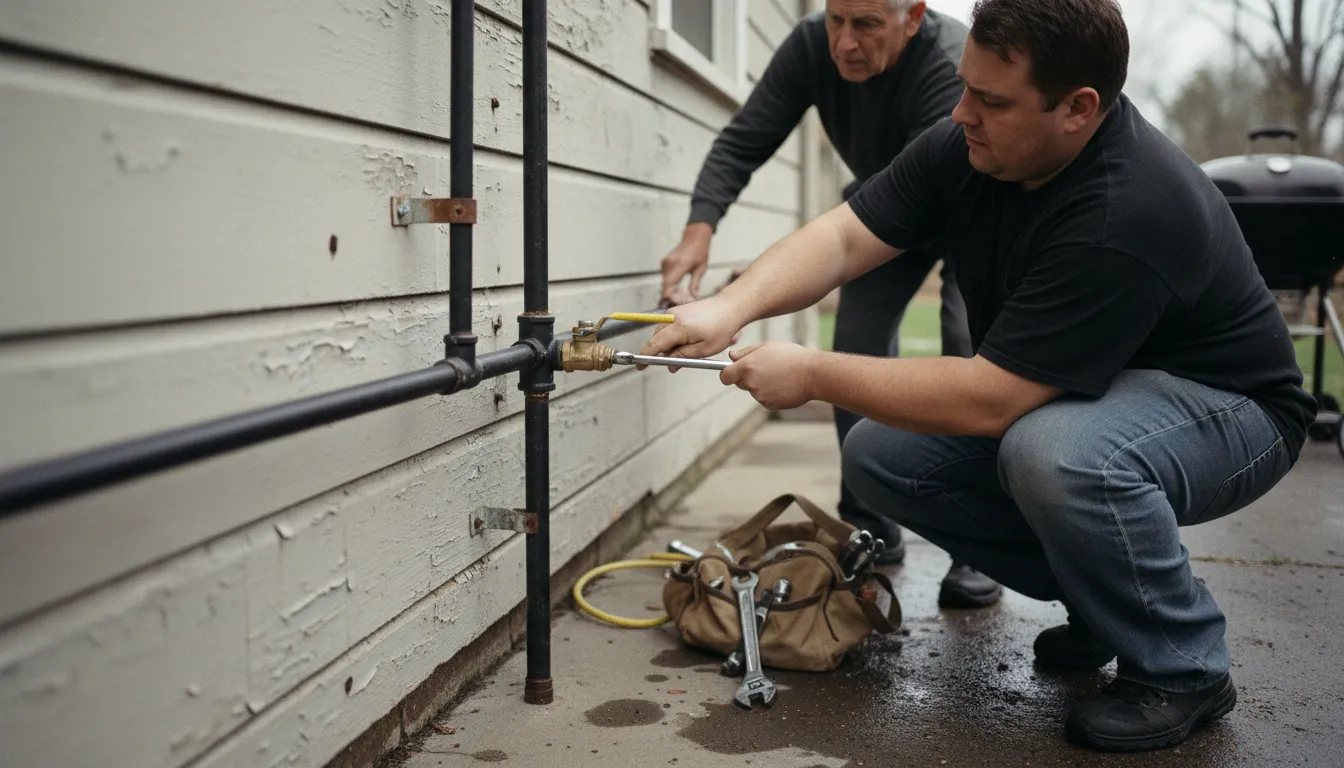
Installing or repairing a gas line is a critical home project that directly impacts the safety and functionality of your appliances. Whether you're adding a gas fireplace, stove, or furnace, a properly installed gas piping system ensures reliable fuel delivery and protects your home from dangerous leaks. This guide explains the essential steps, local regulations, and safety considerations for gas line work in Denver, helping you understand the process and connect with qualified local professionals who can ensure the job is done correctly and safely.
High 5 Plumbing, Heating, Cooling & Electric
15710 W Colfax Ave, Golden, CO 80401
High 5 Plumbing, Heating, Cooling & Electric is a full-service plumbing company serving Denver, CO. They provide a wide range of plumbing services including water heater installation and repair, drain cleaning, sewer line repair, leak detection, and gas line installation. The company uses advanced video technology for sewer camera inspections and offers trenchless sewer repair to minimize excavation. They also specialize in hydro jetting to clear blocked drains efficiently. High 5 Plumbing is licensed for gas plumbing and installs energy-efficient tankless water heaters. The company has received recognition such as the Angi Super Service Award and a BBB Torch Award for Ethics. They provide 24/7 emergency response for urgent plumbing needs.
Big Apple Plumbing LLC - Broomfield, CO
1022 Depot Hill Rd Unit 10, Broomfield, CO 80020
Big Apple Plumbing LLC - Broomfield, CO provides a wide range of plumbing services in Denver, CO, including drain cleaning, sewer line repair, water heater installation and repair (tank and tankless), leak detection, gas line installation, sump pump repair, and repiping. The company serves both residential and commercial clients, handling routine maintenance, emergency repairs, and new installations with licensed plumbers. They specialize in sewer line services and offer 24/7 emergency plumbing solutions to address urgent issues like burst pipes and leaks. Big Apple Plumbing is locally owned and operated, with a focus on safety and code compliance. Their team is experienced in gas line installations and water heater replacements, ensuring efficient and reliable service. The company is known for upfront pricing, timely arrivals, and clear communication, serving Broomfield and surrounding areas including Anthem, The Broadlands, and Interlocken/FlatIron Crossing.
Midwest Plumbing Co. LLC
8360 Auburn Ln, Westminster, CO 80031
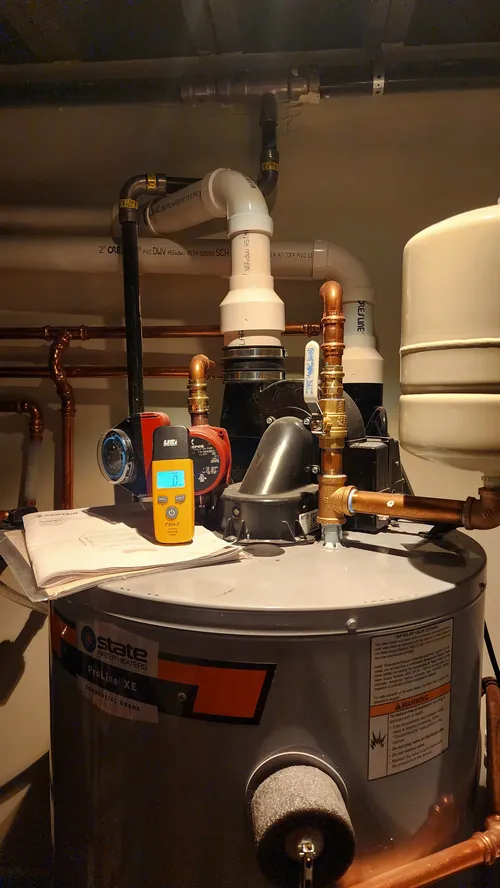
Midwest Plumbing Co. LLC is a plumbing service provider based in Denver, CO, offering a wide range of plumbing solutions. Their services include water heater repair and installation, sump pump repair, sewer line repair with trenchless technology, leak detection, repiping, gas line installation, toilet and garbage disposal repair, and more. The company uses advanced equipment and techniques to address both simple and complex plumbing issues, aiming to provide long-term solutions. They serve residential customers and emphasize careful, tailored service for each home. Midwest Plumbing Co. LLC offers 24/7 emergency plumbing services to assist customers whenever needed.
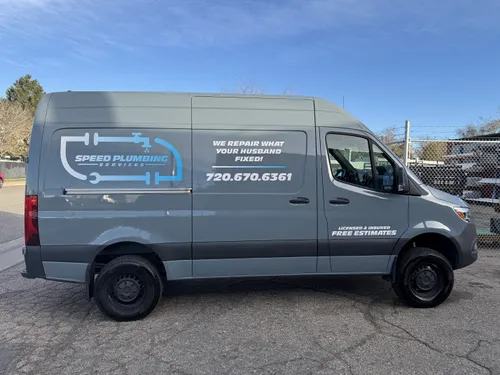
Speed plumbing
225 S Harrison St a412, Denver, CO 80209
Speed Plumbing is a plumbing service provider based in Denver, CO, offering a range of services including water heater repair and installation, drain cleaning, hydro jetting, and gas line installation. They serve both residential and commercial clients, with capabilities such as small hydro jetting to clear grease, sand, and soft clogs. With 20 years of experience, Speed Plumbing provides 24/7 emergency service to address urgent plumbing needs promptly.
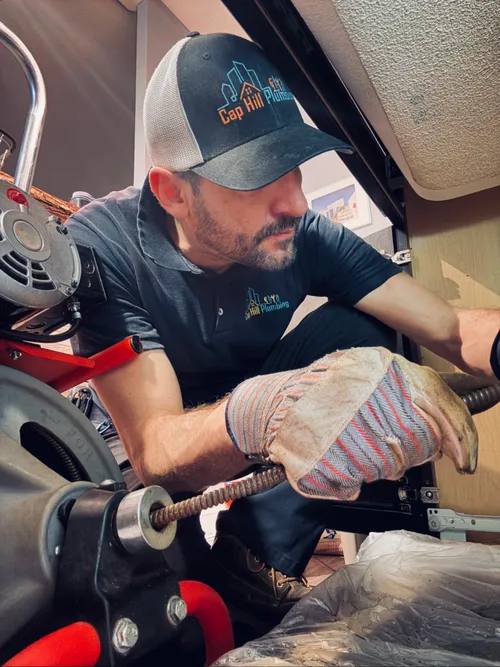
Cap Hill Plumbing
1770 E Colfax Ave unit A, Denver, CO 80218
Cap Hill Plumbing is a licensed and insured plumbing service based in Denver, CO. They specialize in a wide range of plumbing services including sewer camera inspections, water heater repair and installation (both tank and tankless), drain cleaning, leak detection, sump pump repair, gas line installation, and sewer line repair. Serving Denver and the surrounding metro area, they are familiar with the unique plumbing challenges of older homes and local conditions. Their team uses camera inspections to diagnose sewer issues accurately and offers same-day repairs for many services. Cap Hill Plumbing provides upfront pricing and stands behind their work with warranties.
Understanding Denver's Gas Line Regulations
In Denver, all gas line installation and repair work is governed by strict codes and requires formal approval from the city. This regulatory framework is designed to prevent accidents and ensure long-term system integrity.
Permits and Inspections are Mandatory Before any work begins, a permit must be obtained from Denver's Community Planning and Development department 1. This is not a mere formality; it triggers a required series of inspections by city officials. These inspections verify that the installation complies with the Colorado Fuel Gas Code (IFGC) and covers critical checkpoints like proper clearances, approved materials, pressure testing, and final leak checks. Skipping this process can result in fines, failed inspections, and the dangerous scenario of an uncertified gas system in your home.
The Importance of Licensing Colorado law mandates that only licensed plumbers or contractors can perform gas piping work 2. This licensing ensures the professional has undergone specific training on fuel gas systems, understands the state and local amendments to the plumbing code, and carries the necessary insurance. Always verify a contractor's license is current and in good standing before hiring them for gas line services.
The Professional Gas Line Installation Process
A professional gas line project is a multi-stage process that blends careful planning with precise execution. Here's what you can expect when you hire a qualified Denver technician.
1. Planning and Design The process starts with a site assessment. A technician will determine the required pipe size based on the BTU load of all connected appliances and plan the most efficient and code-compliant route from the gas meter to the appliance(s). A crucial first step is calling 811 to have public utilities marked, preventing accidental strikes on other underground lines.
2. Trenching and Pipe Installation For underground lines, trenching is required. In Colorado, gas lines must be buried deep enough to be below the frost line to prevent freezing, typically between 18 to 36 inches deep, depending on specific soil conditions 3. The approved piping material for natural gas in Denver is typically black iron (carbon steel) pipe, which is durable and corrosion-resistant. All exposed sections of pipe must be clearly labeled with yellow "Gas" markings for safety.
3. Connections, Testing, and Inspection The technician will make secure connections at the gas meter (on the customer-owned side) and at each appliance. Once the system is installed, it undergoes a rigorous pressure test to check for leaks. After the contractor's tests are passed, a city inspector will visit to perform a final inspection before the system is approved for use 4 5.
Find the perfect gas line plumbing companies for your needs
Get personalized recommendations and expert advice
Why Professional Installation is Non-Negotiable
Attempting a gas line installation as a DIY project is highly risky and strongly discouraged. The complexities and dangers involved make professional expertise essential.
Mitigating Severe Hazards Natural gas is highly combustible. A small leak or improper connection can lead to fire or explosion. Professionals have the training and tools-like precise leak detection equipment and proper threading tools-to install a system that is inherently safe. They also ensure proper bonding and grounding where required.
Ensuring Code Compliance and Longevity Beyond immediate safety, professionals ensure the system meets all aspects of the IFGC. This includes using the correct type of pipe (e.g., carbon steel vs. wrought iron for specific applications), proper support intervals, and correct fitting types 6. A code-compliant installation is not only safer but also more reliable and less prone to future issues, protecting your investment.
Recognizing and Responding to Gas Line Problems
Even well-installed systems can develop issues over time. Knowing the signs of a leak and how to respond is vital for every homeowner.
Signs of a Potential Gas Leak
- Odor: Natural gas is odorless, but a distinctive rotten egg smell (from added mercaptan) is the primary warning sign 7.
- Sound: A hissing or whistling noise near a gas line or appliance.
- Visual Cues: Unusual dead patches of grass or vegetation above an underground gas line 8.
- Physical Symptoms: Unexplained headaches, nausea, or dizziness in the home.
Immediate Action Steps If you suspect a gas leak:
- Evacuate the building immediately. Do not use electrical switches, phones, or anything that could create a spark.
- Call 911 or your gas utility company from a safe distance away from the home.
- Do not re-enter the property until emergency personnel or a qualified professional has declared it safe.
Factors Influencing Gas Line Project Costs
The cost for gas piping work in Denver varies based on several project-specific factors. Understanding these can help you interpret estimates from contractors.
Primary Cost Drivers:
- Pipe Length and Material: The total linear feet of pipe needed and the type of material (e.g., black iron, CSST) significantly impact material costs.
- Trenching Complexity: Digging a trench for an underground line is labor-intensive. Depth, soil type (e.g., rocky vs. clay), and obstacles like driveways or landscaping increase costs 9 10.
- Appliance BTU Load and Connections: Running a line to a high-BTU appliance like a pool heater or adding multiple branch lines for several appliances adds complexity.
- Distance from Main: The run from the street-side meter to the house connection point is a major factor; longer distances require more materials and labor 11.
Getting Accurate Estimates Always seek detailed, written quotes from multiple licensed contractors. A thorough quote should break down labor, materials, permit fees, and inspection costs. Be wary of estimates that seem unusually low, as they may not account for all required code steps or permit costs 12.
Maintaining Your Gas Piping System
Once your gas line is installed, regular maintenance is minimal but important. The gas utility company is responsible for the line up to the meter. The homeowner is responsible for all piping and appliances on the house side of the meter 13. Have a licensed professional inspect your gas lines and appliances periodically, especially if you notice any signs of corrosion on exposed pipes or if an appliance is not functioning correctly. Keeping the area around your gas meter and appliance shut-off valves clear for easy access is also a simple but critical safety practice.
Frequently asked questions
Sources
Footnotes
-
Plan Review, Permits, and Inspections - City and County of Denver - https://www.denvergov.org/Government/Agencies-Departments-Offices/Agencies-Departments-Offices-Directory/Community-Planning-and-Development/Plan-Review-Permits-and-Inspections ↩
-
Gas Piping for New Construction: Planning and Installation ... - https://accurateaircontrolcolorado.com/gas-piping-for-new-construction/ ↩
-
Underground Gas Line Installation: What You Need to Know About ... - https://accurateaircontrolcolorado.com/underground-gas-line-installation/ ↩
-
Can I Install A Gas Line Myself? Here's What Denver-Area ... - https://itsdone.com/blog/can-i-install-a-gas-line-myself-heres-what-denver-area-homeowners-need-to-know/ ↩
-
Building Inspections - City and County of Denver - https://www.denvergov.org/Government/Agencies-Departments-Offices/Agencies-Departments-Offices-Directory/Community-Planning-and-Development/Plan-Review-Permits-and-Inspections/Construction-Inspections ↩
-
Chapter 4 Gas Piping Installations: Colorado State Plumbing Board ... - https://up.codes/viewer/colorado/ifgc-2018/chapter/4/gas-piping-installations ↩
-
Gas Line Installation - Quality Plumbing - https://qualityplumbing.cc/gas-line-installation-what-homeowners-need-to-know/ ↩
-
Gas Line Repair & Installation In Denver - Done Plumbing - https://itsdone.com/plumbing/gas-lines/ ↩
-
How Much Does a Gas Line Repair Cost in Colorado? - https://plumblineservices.com/help-guides/how-much-does-a-gas-line-repair-cost-in-denver ↩
-
New Port Richey Gas Line Installation by Compass Plumbing - https://compassplumbers.com/natural-gas/gas-line-installation-new-port-richey-fl/ ↩
-
Gas Line Installation in North half of Denver metro area, CO - https://www.lime911.com/plumbing/gas-line-installation-north-half-of-denver-metro-area-co ↩
-
Denver's Personal Gas Line Installation Experts - https://www.calljimnow.com/plumbing-services/best-gas-line-installation-replacement-price-estimate-in-co/ ↩
-
Customer-Owned Piping Maintenance - Colorado Natural Gas - https://www.coloradonaturalgas.com/CustomerOwnedPiping ↩