Find the Best Gas Line Plumbing Companies for Your Business
No obligation • Fast responses • Nationwide coverage

Why you can trust Search a Plumber
Search a Plumber is a leading United States resource for finding and evaluating professional plumbing services. Our team researches licensing, experience, and customer feedback to create unbiased, fact-driven overviews. Companies cannot pay to change ratings or placement, ensuring homeowners get trustworthy information.
Search providers near you
Top Gas Line Plumbing Companies in Centennial, Colorado Ranked
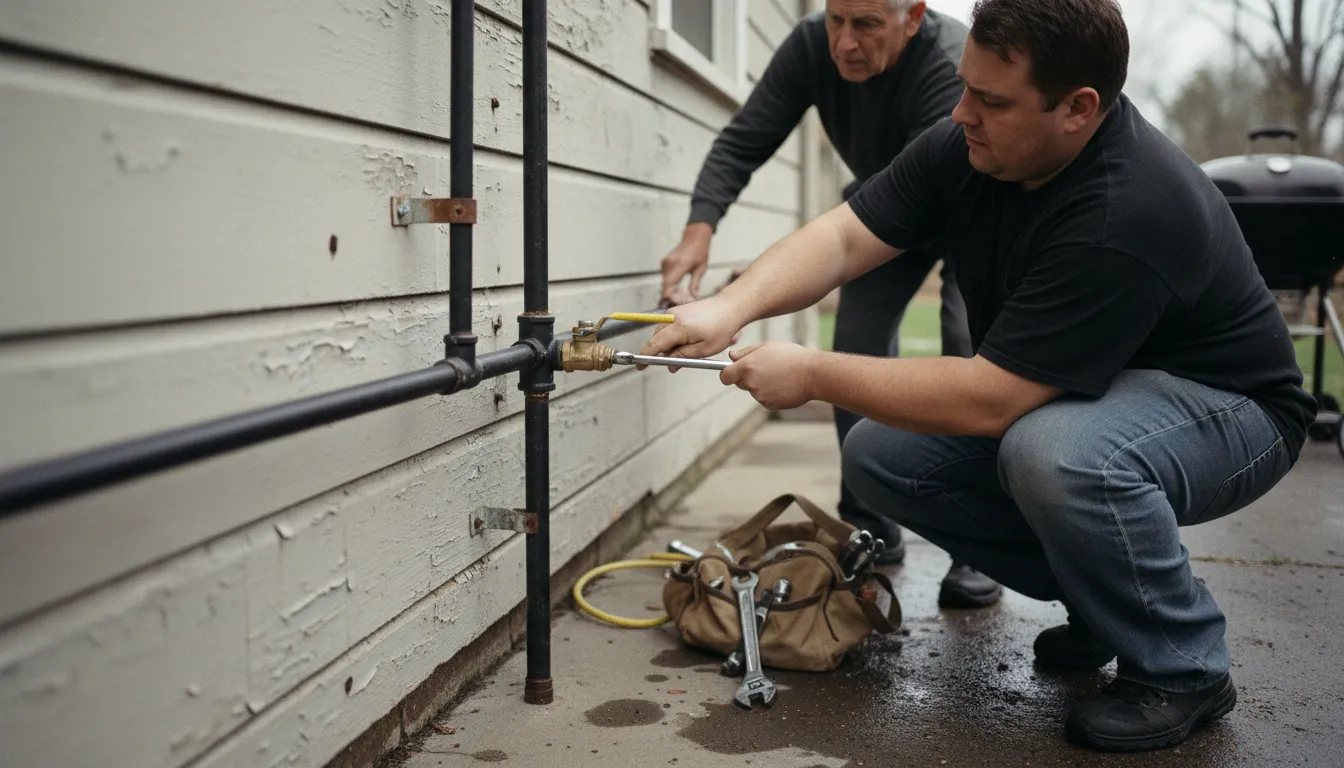
Installing or repairing a gas line is a critical project that directly impacts the safety and functionality of your home. Whether you're adding a gas fireplace, upgrading an outdoor kitchen, or addressing a leak, proper fuel gas piping work requires strict adherence to local codes and safety protocols. In Centennial, this process is governed by specific city permits and state-adopted standards to ensure every installation is secure. This guide explains the local requirements, safety steps, and typical considerations for gas line projects, helping you understand what to expect and how to connect with qualified professionals in your area.
High 5 Plumbing, Heating, Cooling & Electric
15710 W Colfax Ave, Golden, CO 80401
High 5 Plumbing, Heating, Cooling & Electric is a full-service plumbing company serving Denver, CO. They provide a wide range of plumbing services including water heater installation and repair, drain cleaning, sewer line repair, leak detection, and gas line installation. The company uses advanced video technology for sewer camera inspections and offers trenchless sewer repair to minimize excavation. They also specialize in hydro jetting to clear blocked drains efficiently. High 5 Plumbing is licensed for gas plumbing and installs energy-efficient tankless water heaters. The company has received recognition such as the Angi Super Service Award and a BBB Torch Award for Ethics. They provide 24/7 emergency response for urgent plumbing needs.
Big Apple Plumbing LLC - Broomfield, CO
1022 Depot Hill Rd Unit 10, Broomfield, CO 80020
Big Apple Plumbing LLC - Broomfield, CO provides a wide range of plumbing services in Denver, CO, including drain cleaning, sewer line repair, water heater installation and repair (tank and tankless), leak detection, gas line installation, sump pump repair, and repiping. The company serves both residential and commercial clients, handling routine maintenance, emergency repairs, and new installations with licensed plumbers. They specialize in sewer line services and offer 24/7 emergency plumbing solutions to address urgent issues like burst pipes and leaks. Big Apple Plumbing is locally owned and operated, with a focus on safety and code compliance. Their team is experienced in gas line installations and water heater replacements, ensuring efficient and reliable service. The company is known for upfront pricing, timely arrivals, and clear communication, serving Broomfield and surrounding areas including Anthem, The Broadlands, and Interlocken/FlatIron Crossing.
Midwest Plumbing Co. LLC
8360 Auburn Ln, Westminster, CO 80031
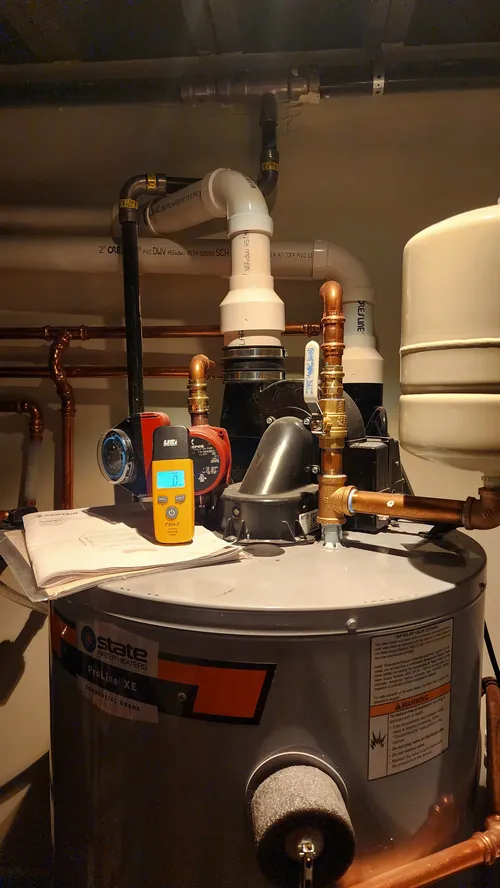
Midwest Plumbing Co. LLC is a plumbing service provider based in Denver, CO, offering a wide range of plumbing solutions. Their services include water heater repair and installation, sump pump repair, sewer line repair with trenchless technology, leak detection, repiping, gas line installation, toilet and garbage disposal repair, and more. The company uses advanced equipment and techniques to address both simple and complex plumbing issues, aiming to provide long-term solutions. They serve residential customers and emphasize careful, tailored service for each home. Midwest Plumbing Co. LLC offers 24/7 emergency plumbing services to assist customers whenever needed.
Speed plumbing
225 S Harrison St a412, Denver, CO 80209
Speed Plumbing is a plumbing service provider based in Denver, CO, offering a range of services including water heater repair and installation, drain cleaning, hydro jetting, and gas line installation. They serve both residential and commercial clients, with capabilities such as small hydro jetting to clear grease, sand, and soft clogs. With 20 years of experience, Speed Plumbing provides 24/7 emergency service to address urgent plumbing needs promptly.
Cap Hill Plumbing
1770 E Colfax Ave unit A, Denver, CO 80218
Cap Hill Plumbing is a licensed and insured plumbing service based in Denver, CO. They specialize in a wide range of plumbing services including sewer camera inspections, water heater repair and installation (both tank and tankless), drain cleaning, leak detection, sump pump repair, gas line installation, and sewer line repair. Serving Denver and the surrounding metro area, they are familiar with the unique plumbing challenges of older homes and local conditions. Their team uses camera inspections to diagnose sewer issues accurately and offers same-day repairs for many services. Cap Hill Plumbing provides upfront pricing and stands behind their work with warranties.
Understanding Local Permit and Inspection Requirements
In Centennial, all work involving fuel gas piping-whether it's a new gas line installation, a repair, or an extension-requires a permit and subsequent inspections from the City of Centennial Building Division. This is not a suggestion but a mandatory step designed to enforce safety. The process ensures that all natural gas or propane piping complies with the Colorado Fuel Gas Code (International Fuel Gas Code - IFGC) and the Colorado Plumbing Code (International Plumbing Code - IPC) 1.
The permit application can be submitted online or in person at the Civic Center. It's highly recommended that a licensed plumbing or gas fitting contractor familiar with Centennial's codes handles this process 2. They will pull the permit on your behalf, which holds them responsible for the work meeting all legal standards. After the rough-in work is complete and before lines are covered, a city inspector must visit to approve the installation. A final inspection is also required once the project is finished 3. Skipping this step can result in fines, unsafe conditions, and complications when selling your home.
The Step-by-Step Process for Gas Piping Work
A successful gas line project follows a clear sequence of events. Understanding these steps can help you manage the project and communicate effectively with your contractor.
1. Call 811 for Utility Locating Before any digging begins, Colorado law requires you to call 811 at least three business days prior. This free service will have all public underground utilities-like water, sewer, and electric lines-marked on your property with colored flags and paint 4 5. This crucial safety step prevents dangerous and costly strikes.
2. Design, Planning, and Permitting Your contractor will plan the pipe route from the meter or source to the new appliance. This plan factors in required burial depths, obstacles, and code clearances from other utilities. Once the design is set, the contractor will secure the necessary permit from the City of Centennial and post it visibly at the job site.
3. Excavation and Trenching For underground lines, a trench must be dug. In Colorado, the frost line dictates depth; gas lines are typically buried a minimum of 18 to 36 inches deep to prevent freezing and physical damage. For projects under driveways or landscaping, contractors may use trenchless methods like horizontal directional drilling to minimize disruption.
4. Pipe Installation and Assembly The gas pipe material is laid in the trench. Common materials include corrugated stainless steel tubing (CSST) for indoor runs or yellow polyethylene (PE) pipe for direct burial outdoors. Fittings, risers (vertical pipes that come above ground), and shut-off valves are installed according to code specifications.
5. Pressure Testing and Inspection This is the most critical safety check. The entire new section of piping is pressurized with air or an inert gas and monitored with a gauge for several hours. Any drop in pressure indicates a leak that must be found and sealed before proceeding 6. Once the system passes this test, the city's rough-in inspection is scheduled 7.
6. Final Connection and Restoration After passing inspection, the trench can be backfilled and the landscape restored. The gas utility company (like Xcel Energy) or your contractor will then make the final connection to the meter and appliance, followed by a final inspection to close out the permit 8.
Prioritizing Safety in Every Phase
Gas line work is inherently hazardous. Adhering to safety protocols protects your property and your family.
- Leak Recognition: Natural gas is odorless, but a sulfur-like "rotten egg" odorant is added. If you smell gas or hear a hissing sound near a line, leave the area immediately and call 911 and your gas utility from a safe distance.
- Professional Installation: Using a licensed professional is your best defense against leaks. They understand proper joint sealing, pressure requirements, and material specifications to ensure a long-lasting, safe installation.
- Code Compliance: Codes dictate safe distances from electrical lines and ignition sources, proper support for piping, and correct appliance connector usage. Compliance isn't about bureaucracy; it's about a proven framework for safety 9 10.
- Post-Installation Vigilance: Keep the area around your gas meter and appliance connectors clear. Be mindful when digging in your yard, even after 811 marks have faded, and consider having existing lines professionally located if you're unsure of their path.
Find the perfect gas line plumbing companies for your needs
Get personalized recommendations and expert advice
Cost Considerations for Gas Line Projects in Centennial
The cost of running a new gas line or repairing an existing one in Centennial varies widely based on project scope. A primary cost driver is the linear footage of pipe needed, with material and labor typically ranging from $15 to $40 or more per linear foot 11 12. However, the total project cost includes many other factors:
- Permit and Inspection Fees: The City of Centennial charges fees for gas line permits and required inspections, which can add several hundred dollars to the project total.
- Excavation Complexity: Digging a simple trench across a lawn is less expensive than cutting through concrete, navigating large tree roots, or using trenchless technology.
- Pipe Material: The choice between black steel, CSST, or PE pipe affects material costs.
- Utility Hookup Fees: There may be a fee from the gas utility to connect or upgrade service at the meter.
- Restoration: Backfilling, compacting, and restoring landscaping, sod, or hardscapes adds to the final cost.
- Appliance Connection: The labor to connect the new line to the fireplace, grill, furnace, or other appliance is a separate line item.
For a straightforward outdoor line to a grill, total costs might be in the lower thousands. For complex runs through a home's foundation to multiple new appliances, costs can rise significantly into the several thousand dollar range 13. Always get detailed, written estimates that break down labor, materials, permits, and restoration.
Choosing the Right Professional for the Job
Given the safety and regulatory stakes, selecting your contractor is the most important decision you'll make. Look for a professional who specializes in gas fitting and fuel gas piping. They should be licensed by the State of Colorado and intimately familiar with the City of Centennial's specific amendment to the state codes. A reputable pro will:
- Insist on pulling a permit for any gas line work.
- Clearly explain the project steps, timeline, and costs.
- Provide proof of insurance and any necessary local business licenses.
- Call 811 as a standard part of their process.
- Schedule and manage all required city inspections.
- Guarantee their workmanship.
Don't base your choice on price alone. The lowest bid may cut corners on materials, skip the permit process, or lack the proper experience, putting your home at risk. Investing in a qualified expert ensures the job is done safely, correctly, and to code the first time.
Frequently asked questions
Sources
Footnotes
-
3 CCR 720-1.6 - PERMITS AND INSPECTIONS | State Regulations - https://www.law.cornell.edu/regulations/colorado/3-CCR-720-1.6 ↩
-
Residential Plumber - Code of Colorado Regulations - https://www.sos.state.co.us/CCR/GenerateRulePdf.do?ruleVersionId=8778&fileName=3+CCR+720-1 ↩
-
State Plumbing Board: Permit and Inspection Information - https://dpo.colorado.gov/Plumbing/PermitInspectionInfo ↩
-
Underground Gas Line Installation: What You Need to Know About ... - https://accurateaircontrolcolorado.com/underground-gas-line-installation/ ↩
-
New Gas Line Installation Cost: Natural Gas Piping Supplies & ... - https://www.superbrothers.com/new-gas-line-installation-cost-natural-gas-piping-supplies-custom-piping/ ↩
-
A Complete Guide to Gas Line Installation: Tips and Safety Precautions - https://gaeberly.com/gas-line-installation/ ↩
-
Building Division - City of Centennial - https://www.centennialco.gov/Government/Departments/Building ↩
-
Gas Line Permit Proccess | Denver, Boulder, Fort Collins - https://thegasconnection.com/gas-line-permit/ ↩
-
Gas Piping for New Construction: Planning and Installation ... - https://accurateaircontrolcolorado.com/gas-piping-for-new-construction/ ↩
-
Dry Utilities Service Guidelines - https://www.hbadenver.com/assets/pdf/Dry+Utilities+Resource+Manual+120219 ↩
-
How to Install Natural Gas Lines Safely and Correctly - https://bluegasexpress.com/how-to-install-natural-gas-lines/ ↩
-
Gas Piping Code Compliance and Permit Requirements in Colorado ... - https://accurateaircontrolcolorado.com/gas-piping-code-compliance-and-permit-requirements-in-colorado-springs/ ↩
-
How Much Does a Gas Line Repair Cost in Colorado? - https://plumblineservices.com/help-guides/how-much-does-a-gas-line-repair-cost-in-denver ↩