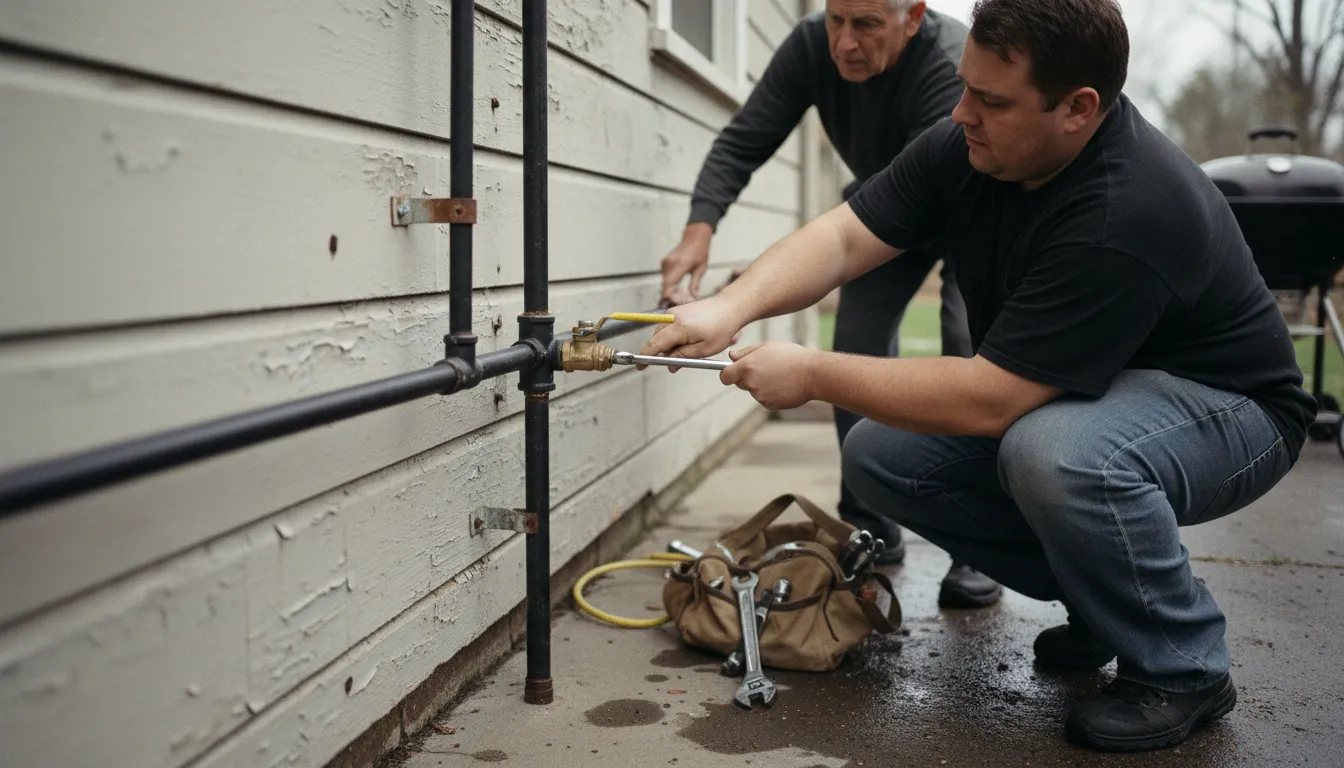
Find the Best Gas Line Plumbing Companies for Your Business
No obligation • Fast responses • Nationwide coverage

Why you can trust Search a Plumber
Search a Plumber is a leading United States resource for finding and evaluating professional plumbing services. Our team researches licensing, experience, and customer feedback to create unbiased, fact-driven overviews. Companies cannot pay to change ratings or placement, ensuring homeowners get trustworthy information.
Search providers near you
Top Gas Line Plumbing Companies in Boulder, Colorado Ranked
Installing or repairing a gas line is a critical project that directly impacts the safety and functionality of your Boulder home. Proper gas piping work involves strict adherence to local building codes, obtaining permits, and passing mandatory inspections to prevent dangerous leaks and ensure reliable service. This guide explains the essential steps, materials, and regulations for gas line projects in Boulder, helping you understand the process and connect with qualified, licensed professionals who can handle the job safely and to code.
High 5 Plumbing, Heating, Cooling & Electric
15710 W Colfax Ave, Golden, CO 80401
High 5 Plumbing, Heating, Cooling & Electric is a full-service plumbing company serving Denver, CO. They provide a wide range of plumbing services including water heater installation and repair, drain cleaning, sewer line repair, leak detection, and gas line installation. The company uses advanced video technology for sewer camera inspections and offers trenchless sewer repair to minimize excavation. They also specialize in hydro jetting to clear blocked drains efficiently. High 5 Plumbing is licensed for gas plumbing and installs energy-efficient tankless water heaters. The company has received recognition such as the Angi Super Service Award and a BBB Torch Award for Ethics. They provide 24/7 emergency response for urgent plumbing needs.
Big Apple Plumbing LLC - Broomfield, CO
1022 Depot Hill Rd Unit 10, Broomfield, CO 80020
Big Apple Plumbing LLC - Broomfield, CO provides a wide range of plumbing services in Denver, CO, including drain cleaning, sewer line repair, water heater installation and repair (tank and tankless), leak detection, gas line installation, sump pump repair, and repiping. The company serves both residential and commercial clients, handling routine maintenance, emergency repairs, and new installations with licensed plumbers. They specialize in sewer line services and offer 24/7 emergency plumbing solutions to address urgent issues like burst pipes and leaks. Big Apple Plumbing is locally owned and operated, with a focus on safety and code compliance. Their team is experienced in gas line installations and water heater replacements, ensuring efficient and reliable service. The company is known for upfront pricing, timely arrivals, and clear communication, serving Broomfield and surrounding areas including Anthem, The Broadlands, and Interlocken/FlatIron Crossing.
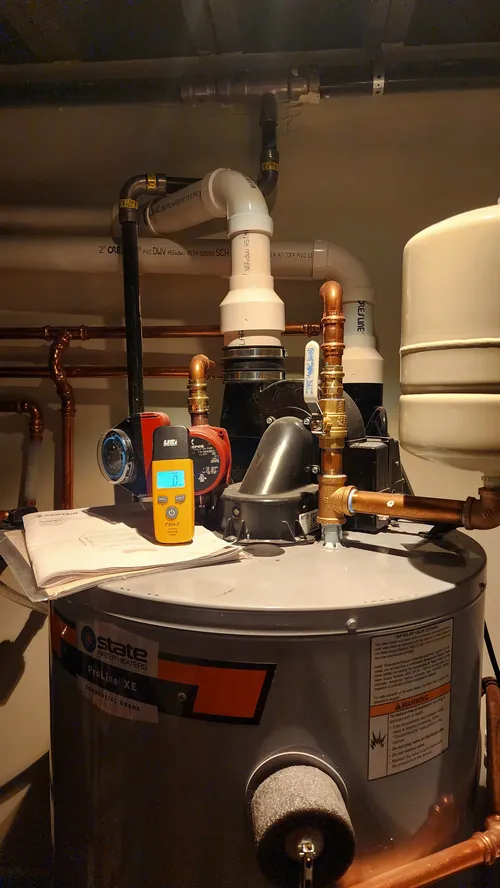
Midwest Plumbing Co. LLC
8360 Auburn Ln, Westminster, CO 80031
Midwest Plumbing Co. LLC is a plumbing service provider based in Denver, CO, offering a wide range of plumbing solutions. Their services include water heater repair and installation, sump pump repair, sewer line repair with trenchless technology, leak detection, repiping, gas line installation, toilet and garbage disposal repair, and more. The company uses advanced equipment and techniques to address both simple and complex plumbing issues, aiming to provide long-term solutions. They serve residential customers and emphasize careful, tailored service for each home. Midwest Plumbing Co. LLC offers 24/7 emergency plumbing services to assist customers whenever needed.
Speed plumbing
225 S Harrison St a412, Denver, CO 80209
Speed Plumbing is a plumbing service provider based in Denver, CO, offering a range of services including water heater repair and installation, drain cleaning, hydro jetting, and gas line installation. They serve both residential and commercial clients, with capabilities such as small hydro jetting to clear grease, sand, and soft clogs. With 20 years of experience, Speed Plumbing provides 24/7 emergency service to address urgent plumbing needs promptly.
Cap Hill Plumbing
1770 E Colfax Ave unit A, Denver, CO 80218
Cap Hill Plumbing is a licensed and insured plumbing service based in Denver, CO. They specialize in a wide range of plumbing services including sewer camera inspections, water heater repair and installation (both tank and tankless), drain cleaning, leak detection, sump pump repair, gas line installation, and sewer line repair. Serving Denver and the surrounding metro area, they are familiar with the unique plumbing challenges of older homes and local conditions. Their team uses camera inspections to diagnose sewer issues accurately and offers same-day repairs for many services. Cap Hill Plumbing provides upfront pricing and stands behind their work with warranties.
Understanding Boulder's Gas Line Permit & Inspection Process
Before any trench is dug or pipe is fitted, the proper administrative steps must be taken. In Boulder, gas piping work is heavily regulated to ensure public safety.
Permits are mandatory for all new installations, modifications, or extensions of gas piping systems 1 2. Homeowners can apply for these permits themselves, but due to the complexity of the requirements and the detailed plans often needed, most people hire a licensed plumbing contractor who will manage the entire permit process 1 3. This includes submitting the necessary application, paying associated fees (which can start around $150 for smaller jobs but increase with project complexity), and ensuring all plans meet the specific codes for the City of Boulder and the State of Colorado 1 2 4.
Once permitted work is complete, it must be inspected before the line is buried or put into service. The inspection process is rigorous and typically includes a critical pressure test. For underground lines, this often means pressurizing the system to a test pressure (e.g., 10 psi) and holding it for a set duration (like 15 minutes) to confirm there are no leaks. A final inspection will also check all connections, appliance hookups, and venting to ensure everything is installed correctly and safely.
Step-by-Step: From Planning to Final Inspection
A successful gas line project follows a clear sequence. Skipping or rushing any step can lead to failed inspections, safety hazards, and costly rework.
- Plan and Call 811: Always start by calling 811 at least a few business days before any digging. This free service will have utility companies mark the location of all public underground lines on your property, preventing accidental strikes that can be dangerous and expensive.
- Trenching: For underground fuel line installation, a trench must be dug. Code requires a minimum depth of 12 inches, though many professionals recommend 18 inches for added protection 5. The trench must have stable sides to prevent cave-ins and a smooth bottom free of rocks or roots that could damage the pipe.
- Pipe Installation and Materials: The type of pipe used depends on its location. For underground runs, yellow polyethylene (PE) pipe is standard and must be installed with a dedicated yellow tracer wire buried alongside it. This wire allows future locators to easily find the line. Inside the home or for above-ground sections, common materials include traditional black iron pipe or more flexible Corrugated Stainless Steel Tubing (CSST).
- Making Connections: All connections, especially the final hookups to appliances like furnaces, water heaters, or stoves, should be performed by a licensed professional. Proper threading, sealing, and tightening are vital for a leak-free system.
- Testing and Inspection: As required, the installed system will undergo a pressure test in the presence of the city inspector. Only after the system passes this test and the final inspection can the trench be backfilled and the gas line activated 6.
Critical Safety Considerations for Gas Work
Gas line projects are not DIY-friendly for good reason. The risks associated with natural gas and propane are significant.
- Hire Licensed Professionals: This is the most important safety step. A licensed plumber or gas fitter has the training to understand combustion, venting requirements, and local codes. They carry insurance and are accountable for the safety of their work, providing peace of mind that an unlicensed individual cannot 7.
- Prevent Carbon Monoxide (CO) Poisoning: Improper appliance installation or venting is a leading cause of CO in the home. Professional installation ensures appliances are properly vented and adjusted for safe operation 8.
- Trench and Worksite Safety: Excavation poses risks like cave-ins. Professionals use proper trenching techniques or protective systems to keep workers safe. They also ensure the pipe bed is prepared correctly to prevent future damage from settling debris.
Find the perfect gas line plumbing companies for your needs
Get personalized recommendations and expert advice
Material Choices: PE, CSST, and Black Iron
Selecting the right piping material is a key part of the planning process, affecting cost, installation time, and longevity.
- Polyethylene (PE) Pipe: This is the exclusive choice for direct-buried, underground gas lines in Boulder. It's durable, corrosion-resistant, and flexible. Its bright yellow color makes it easily identifiable. The mandatory accompanying tracer wire is crucial for locating the line in the future without digging 9 10.
- Corrugated Stainless Steel Tubing (CSST): This flexible, yellow-jacketed tubing is often used for running gas lines through walls, attics, and crawlspaces inside the home. It's generally faster to install than rigid black iron pipe because it requires fewer fittings and can be snaked through framing. This can sometimes reduce labor costs 11.
- Black Iron Pipe: The traditional material for gas piping, black iron is a rigid, threaded pipe. It is extremely durable and is commonly used for exposed runs in basements or utility rooms, and for final connections to appliances. Its installation is more labor-intensive, as each length must be precisely measured, threaded, and assembled.
What to Expect: Costs and Working with a Pro
The cost of gas pipe installation or repair in Boulder varies widely based on the project's scope. A simple line for a new gas grill will cost far less than running a new main line to a home addition or installing a pool heater. Most reputable companies offer free, detailed estimates after assessing the job site 12.
When you hire a licensed plumbing professional, you are paying for their expertise, insurance, and their management of the entire compliant process. This includes handling the permit paperwork, performing the installation to code, scheduling and coordinating the required inspections, and ensuring the system is safe for use. They have the specialized tools for pressure testing and making safe, leak-free connections 13.
The key takeaway for any Boulder homeowner is clear: for any work involving natural gas or propane lines, always use a licensed, experienced professional. They navigate the regulatory landscape, employ the correct materials and techniques, and ultimately deliver a system that is safe, reliable, and built to last.
Frequently asked questions
Sources
Footnotes
-
Gas Line Permit Proccess | Denver, Boulder, Fort Collins - https://thegasconnection.com/gas-line-permit/ ↩ ↩2 ↩3
-
Building Permits and Inspections | City of Boulder - https://bouldercolorado.gov/services/building-permits-and-inspections ↩ ↩2
-
Residential Plumber - Code of Colorado Regulations - https://www.sos.state.co.us/CCR/GenerateRulePdf.do?ruleVersionId=8778&fileName=3+CCR+720-1 ↩
-
Gas Line Installation & Repair Service in Colorado | Cooper - https://www.coopergreenteam.com/plumbing/gas-piping ↩
-
How Deep Are Gas Lines Buried? - J.D. Power - https://www.jdpower.com/cars/shopping-guides/how-deep-are-gas-lines-buried ↩
-
b21-required-inspections-and-procedures.pdf - Boulder County - https://assets.bouldercounty.gov/wp-content/uploads/2017/03/b21-required-inspections-and-procedures.pdf ↩
-
Gas Piping Code Compliance and Permit Requirements in Colorado ... - https://accurateaircontrolcolorado.com/gas-piping-code-compliance-and-permit-requirements-in-colorado-springs/ ↩
-
Gas Line Installation Boulder | Gas Pipe & Gas Line Plumber | Fuel Line - https://www.planetplumbinganddrain.com/gas-line-installation-boulder ↩
-
Gas Piping for New Construction: Planning and Installation ... - https://accurateaircontrolcolorado.com/gas-piping-for-new-construction/ ↩
-
Underground Gas Line Installation: What You Need to Know About ... - https://accurateaircontrolcolorado.com/underground-gas-line-installation/ ↩
-
Gas Line Installation in Boulder, CO - Limelight Services - https://www.lime911.com/plumbing/gas-line-installation-boulder-co ↩
-
Gas Line Services in Boulder, CO | Repair & Installation - https://tycoplumbingco.com/gas-line-services-boulder/ ↩
-
Best Gas Line Installation In Boulder, CO - https://precisionplumbing.com/plumbing-services/gas-line-installation/ ↩