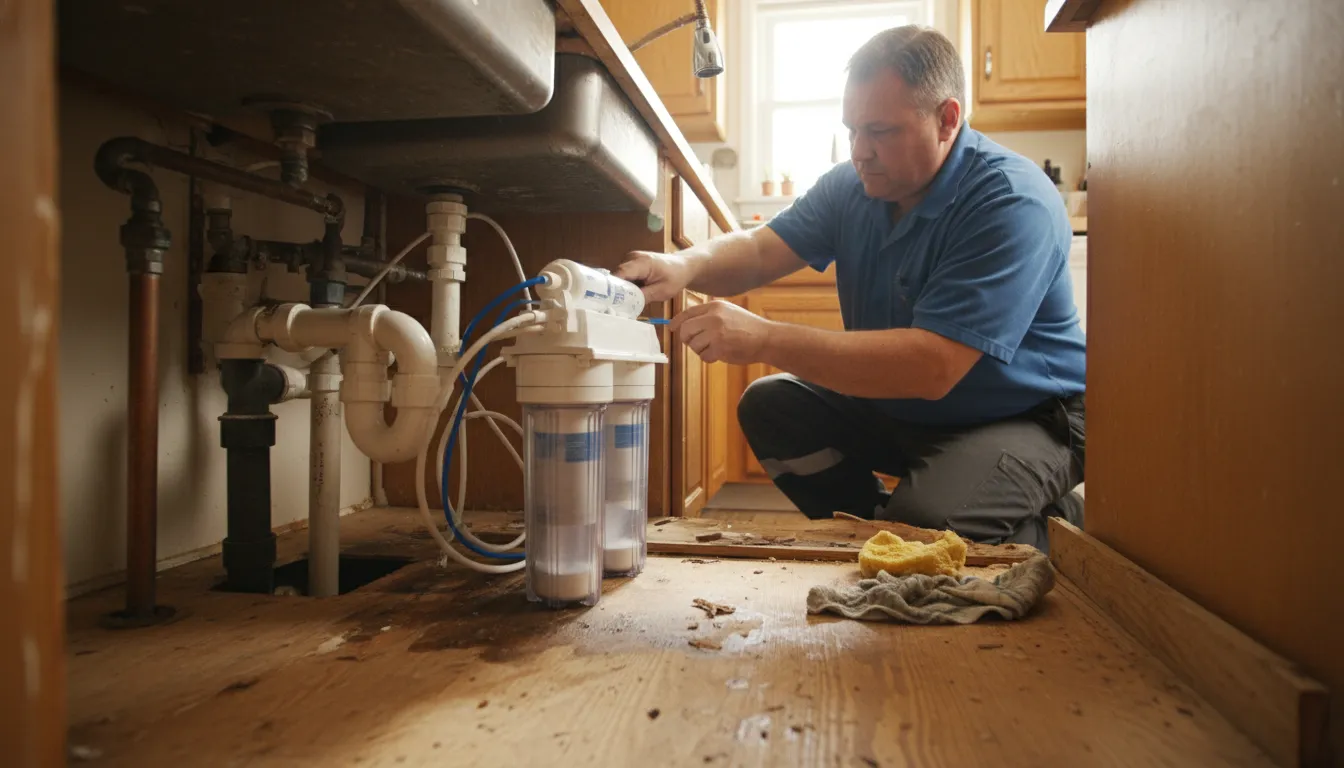
Find the Best Water Treatment Installation Companies for Your Business
No obligation • Fast responses • Nationwide coverage

Why you can trust Search a Plumber
Search a Plumber is a leading United States resource for finding and evaluating professional plumbing services. Our team researches licensing, experience, and customer feedback to create unbiased, fact-driven overviews. Companies cannot pay to change ratings or placement, ensuring homeowners get trustworthy information.
Search providers near you
Top Water Treatment Installation Companies in Dallas, Texas Ranked
Living in Dallas means dealing with very hard water, a reality that can impact everything from your skin and hair to the lifespan of your appliances and plumbing. Water softening and filtration systems are essential home solutions designed to remove excess minerals and contaminants, providing cleaner, safer, and more pleasant water throughout your home. This guide will help you understand the local water challenges, the types of treatment systems available, and how to connect with qualified professionals who can assess your needs and provide a tailored installation.
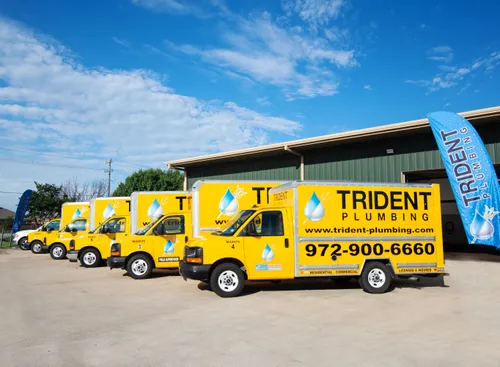
Trident Plumbing
15222 King Rd Ste 301, Frisco, TX 75034
Trident Plumbing provides a range of plumbing services in Garland, TX, including water heater repair and installation, tankless water heater services, water softener installation, drain cleaning, sewer line repair, leak detection, and gas line installation. Their team includes Master Plumbers, licensed Journeymen, and Technicians who receive ongoing professional education. Trident Plumbing also offers specialized slab leak detection and repair, supporting both residential and commercial plumbing needs.
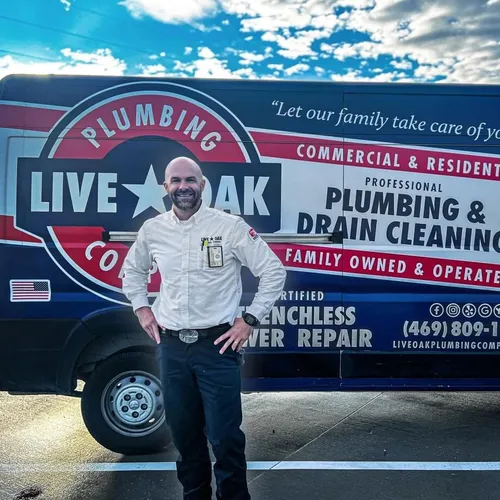
Live Oak Plumbing Company
2201 Spinks Rd Suite 312, Flower Mound, TX 75022
Live Oak Plumbing Company provides a range of plumbing services in Dallas, TX, including water heater repair and installation, water softener installation, drain cleaning, sewer line repair, leak detection, and gas line installation. They offer certified trenchless sewer repair and are a Picote certified installer, which highlights their capability in advanced sewer maintenance techniques. The company also provides backflow testing and water filtration services. Live Oak Plumbing Company aims to assist customers with plumbing needs and offers support outside of normal business hours when possible.
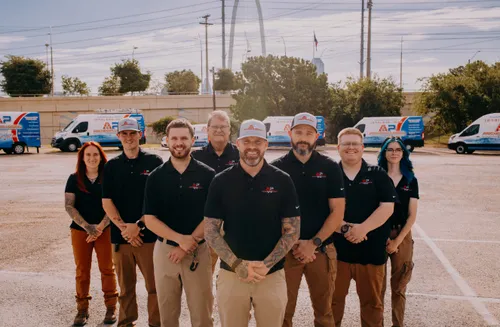
Anchor Plumbing Company
Fort Worth, TX
Anchor Plumbing Company is a family-owned plumbing service based in Fort Worth, TX, serving North Dallas and the entire Dallas-Fort Worth Metroplex. They offer a wide range of plumbing services including sewer camera inspections, water heater installation and repair, water softener installation, hydro jetting, leak detection, repiping, and gas line installation. The company uses video inspection technology to accurately diagnose plumbing issues and provides commercial hydro jetting services tailored to business needs. Established in 1973, Anchor Plumbing has over 50 years of experience and is currently led by the third generation of the founding family. They also provide 24/7 emergency plumbing services for urgent situations.
Plumbing Unit
6704 McCallum Blvd, Dallas, TX 75252
Plumbing Unit is a licensed plumbing company serving Dallas, TX, and the greater Dallas-Fort Worth metroplex. They offer a wide range of plumbing services including sewer camera inspections, water heater repair and installation, water softener installation, drain cleaning, hydro jetting, sewer line repair, trenchless sewer repair, leak detection, repiping, gas line installation, toilet and garbage disposal repair. The company has over 40 years of experience and provides 24/7 emergency plumbing services to address urgent issues at any time. Their capabilities include advanced leak detection and trenchless sewer line repair to minimize disruption during repairs.
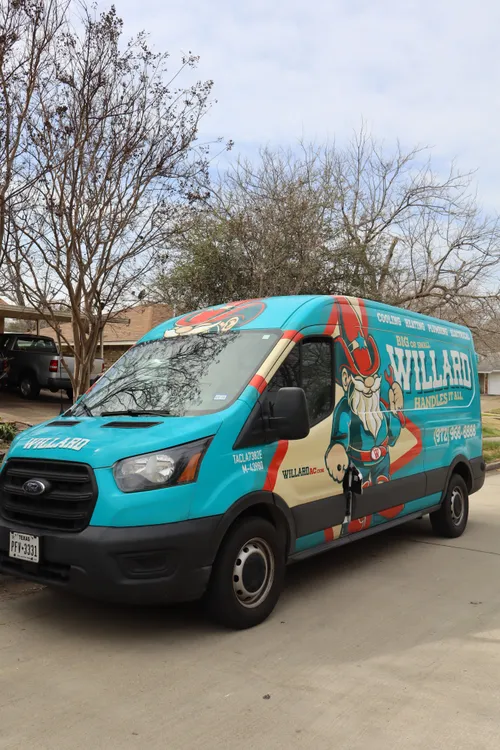
Willard Cooling, Heating, Plumbing, & Electrical (Max Air And Plumbing – Max Mechanical)
2313 Michigan Ct, Arlington, TX 76016
Willard Cooling, Heating, Plumbing, & Electrical (Max Air And Plumbing - Max Mechanical) provides comprehensive HVAC, plumbing, and electrical services in Fort Worth, TX. Their team handles a wide range of plumbing needs including water heater repair, tankless water heater services, sump pump repair, drain cleaning, sewer line repair, leak detection, repiping, and gas line installation. They also offer HVAC installations and repairs along with indoor air quality solutions, and full electrical services. Willard offers 24/7 emergency repairs and backs all work with a two-year warranty, ensuring reliable support for essential home systems across the Dallas-Fort Worth area.
Understanding Dallas's Hard Water Problem
The water supplied to Dallas homes is classified as "very hard." This means it contains high levels of dissolved calcium and magnesium, typically measuring between 7 and 20 Grains Per Gallon (GPG) or 140 to 180 parts per million (ppm). This mineral content is a natural result of the region's geology, as water percolates through limestone aquifers. While safe to drink, this hard water creates a host of practical problems for homeowners.
The most visible issue is scale buildup. As hard water heats up or evaporates, it leaves behind limescale-a chalky, white deposit. You'll find it crusting on showerheads, faucet aerators, and inside your kettle. More insidiously, scale accumulates inside pipes, water heaters, dishwashers, and washing machines. This buildup acts as an insulator, forcing appliances to work harder and use more energy, while also restricting water flow and significantly shortening their operational life.
Beyond appliances, hard water affects daily life. It reacts with soap to form a sticky scum rather than a rich lather, making it harder to get truly clean. This can leave skin feeling dry and itchy and hair looking dull and lifeless 1. Laundry washed in hard water often appears dingy and feels stiff, as the minerals prevent detergent from rinsing out completely. Addressing these issues starts with understanding the specific characteristics of your home's water.
Common Contaminants Beyond Hardness
While hardness minerals are the primary concern, Dallas tap water may contain other substances that a comprehensive water treatment plan can address. Municipal water treatment facilities use chlorine to disinfect the water supply and ensure its safety from pathogens. However, chlorine and its byproducts can affect water's taste and odor, and some individuals are sensitive to it for bathing.
Other potential contaminants include sediment (like rust or silt from aging pipes), and trace amounts of heavy metals or organic compounds. A whole-home water filtration system installed at the point where water enters your house can effectively reduce chlorine, sediment, and other particulates, improving water quality from every tap.
Solutions for Whole-Home Water Treatment
For Dallas homeowners, a layered approach to water treatment is often most effective. This typically involves a system at the main water line to treat all the water entering the home, paired with a specialized solution at key points of use for drinking water.
Whole-Home Water Softeners
The most common and effective solution for hard water is a salt-based ion exchange softener. This system works by routing hard water through a tank filled with resin beads charged with sodium ions. As the water flows past, the calcium and magnesium ions (which cause hardness) swap places with the sodium ions, effectively removing them from the water. The softened water then travels throughout your entire plumbing system.
These systems require periodic "regeneration," where a brine solution (salt and water) flushes the accumulated hardness minerals from the resin beads and recharges them with sodium. Modern softeners are sized by their grain capacity (e.g., 32k, 48k, or 64k grain), which should be matched to your household size and estimated water usage to ensure efficient operation 2.
Whole-Home Filtration Systems
Often installed in tandem with or instead of a softener, a whole-house filter targets different contaminants. Using media like activated carbon or catalytic carbon, these systems adsorb chlorine, chloramines, and certain chemicals, while also filtering out sediment and rust. The result is better-tasting water for cooking and drinking, and chlorine-free water for bathing and laundry, which is gentler on skin and fabrics.
Point-of-Use Drinking Water Systems
For the highest purity drinking water, many homeowners opt for an under-sink Reverse Osmosis (RO) system. RO technology forces water through a semi-permeable membrane that filters out up to 99% of contaminants, including dissolved solids, heavy metals, nitrates, and more 3 4. It provides bottled-water quality from a dedicated faucet at your kitchen sink. RO systems are an excellent complement to a whole-house softener, as the softener protects the RO membrane from premature scaling.
Find the perfect water treatment installation companies for your needs
Get personalized recommendations and expert advice
Professional Installation: Why It's Essential
Installing a water softener or whole-house filtration system is not a typical DIY project. It involves plumbing into your main water line, configuring drain lines for regeneration cycles, and ensuring electrical connections for electronic control valves. In Texas, it is recommended to work with technicians who are licensed by the Texas Commission on Environmental Quality (TCEQ) 5 6.
A professional installation process begins with a comprehensive water test to confirm hardness levels and identify other contaminants. The technician will then help you select a system with the correct capacity for your home's size and water consumption. Proper placement-usually where the main water line enters the home-and expert plumbing are critical to prevent leaks and ensure optimal system performance 7.
Investment and Ongoing Costs
The total cost for a water treatment system in Dallas includes equipment, installation, and ongoing maintenance. Equipment prices for a quality water softener or filtration system typically range from $1,000 to over $6,000, depending on the system's capacity, features (like smart monitoring technology), and brand 8 9 10. Installation costs vary by installer and the complexity of the job but are often quoted as part of a total package.
Ongoing upkeep is a necessary part of system ownership. For salt-based softeners, you will need to replenish the salt pellets or blocks in the brine tank regularly; consumption depends on your water hardness and usage 11. All systems require periodic maintenance, such as annual servicing to check valves and connections, cleaning of resin tanks, and replacement of pre-filters or RO membranes as recommended by the manufacturer. Factoring in these recurring costs is important for the long-term management of your home's water quality.
Choosing the Right System for Your Dallas Home
Selecting the best water treatment solution depends on several household-specific factors. A professional can help you analyze your water test results, but key considerations include:
- Household Size & Water Usage: The number of bathrooms and residents determines the necessary system capacity (grain capacity for softeners, flow rate for filters).
- Specific Water Goals: Are you most concerned with protecting appliances (softening), improving taste (filtration), or achieving pure drinking water (RO)?
- Available Space: Systems need adequate space near your main water line, often in a garage, basement, or utility room.
- Water Pressure: Your home's incoming water pressure must be sufficient for certain systems to operate correctly, or a booster pump may be needed.
By addressing Dallas's hard water proactively, you invest in the comfort of your home, the efficiency of your appliances, and the quality of your daily life. The right water softening and filtration setup is a long-term solution that pays dividends in reduced cleaning time, lower utility bills, and better water for every use.
Frequently asked questions
Sources
Footnotes
-
Does Dallas Have Hard Water? | Culligan Water of DFW Area - https://dallasculligan.com/problems/hard-water/ ↩
-
Water Softener Comparison Guide: Best Option Jan, 2026 - https://www.softprowatersystems.com/pages/water-softener-comparison-guide-dominates ↩
-
DFW Water Softeners logo featuring blue and light blue water ... - https://dfwwatersofteners.com/ ↩
-
Best Home Water Filters in Dallas-Fort Worth - https://www.safewavewater.com/blog/the-definitive-guide-to-choosing-the-best-water-filter-for-your-home-in-dallas-ft-worth/ ↩
-
Home Water Softening Systems | Dallas, TX - Dupure - https://www.dupure.com/blogs/water-101/why-dallas-homeowners-are-choosing-home-water-softening-systems ↩
-
Water Treatment Process | Water Filtration & Water Softeners - https://www.trifloridawatertreatment.com/lakeland-fl-water-treatment-process/ ↩
-
Multi-Family Water Management Solutions: The Role of Water Softeners - Robert B Hill Co - https://hillwater.com/blog/multi-family-water-management-role-of-water-softeners/ ↩
-
Shelton's Water: Water Softener Installation & Repair In The ... - https://sheltonswater.com/ ↩
-
Breaking Down Water Softener Cost | Three Way Plumbing - https://www.3wayplumbing.com/blog/breaking-down-the-water-softener-cost-factors-to-consider/ ↩
-
Water Softener Costs in Dallas: Protect Your Home and ... - https://dallasculligan.com/blog/water-softener-costs-in-dallas-protect-your-home-and-appliances/ ↩
-
Water Softener - 5 Recharge / Regeneration Stages - https://products.geappliances.com/appliance/gea-support-search-content?contentId=21020 ↩