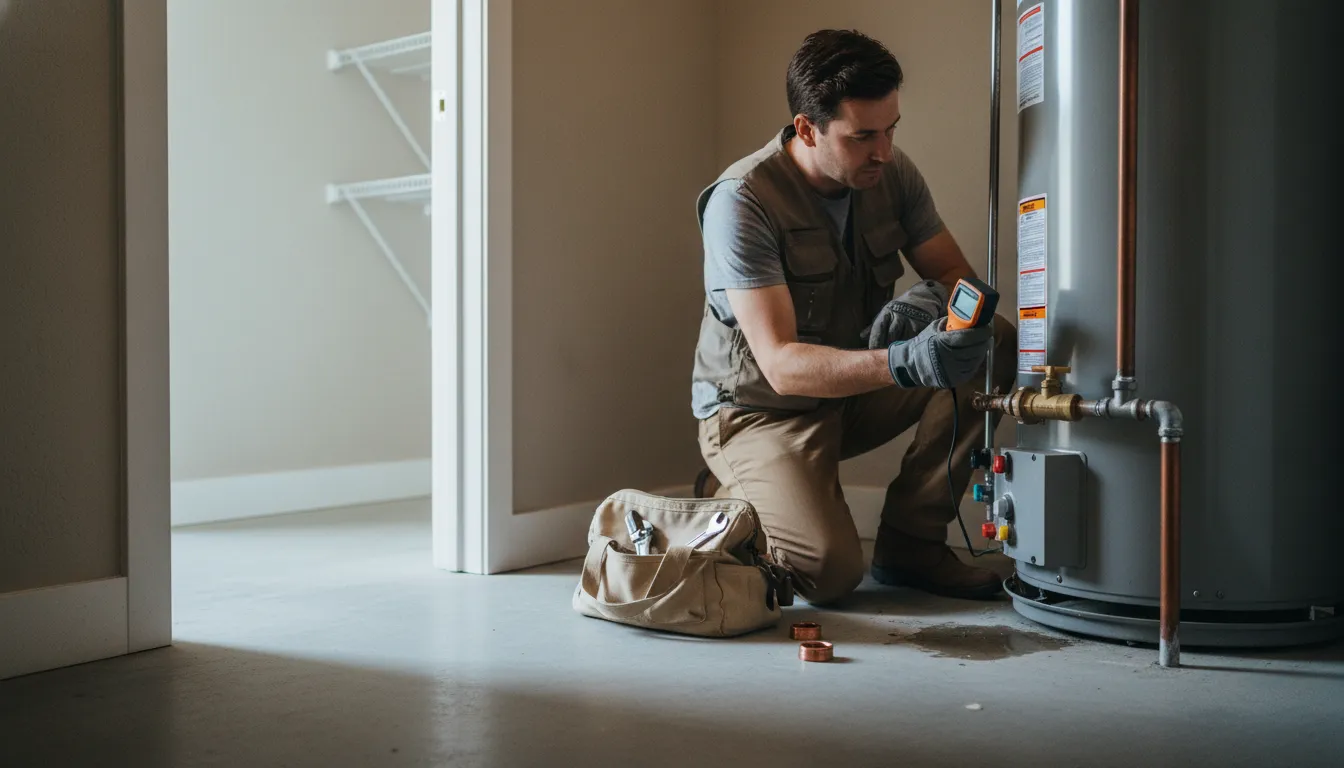
Find the Best Water Heater Repair Companies for Your Business
No obligation • Fast responses • Nationwide coverage

Why you can trust Search a Plumber
Search a Plumber is a leading United States resource for finding and evaluating professional plumbing services. Our team researches licensing, experience, and customer feedback to create unbiased, fact-driven overviews. Companies cannot pay to change ratings or placement, ensuring homeowners get trustworthy information.
Search providers near you
Top Water Heater Repair Companies in Arlington, Texas Ranked
A sudden lack of hot water can disrupt your entire household, from morning showers to evening dishwashing. Water heater repair is a critical service that addresses malfunctions in your home's hot water system, ensuring comfort, hygiene, and the proper functioning of appliances. This guide is designed to help Arlington residents understand common issues, local service expectations, and cost considerations, empowering you to make informed decisions when your hot water system fails.
Platinum Plumbing of DFW LLC
Fort Worth, TX
Platinum Plumbing of DFW LLC offers a range of plumbing services in Fort Worth, TX. Their work includes water heater repair, drain cleaning, leak detection, and gas line installation. They handle residential plumbing needs such as slab leaks, drain clogs, gas repairs, and yard leaks, providing comprehensive solutions for home plumbing issues.
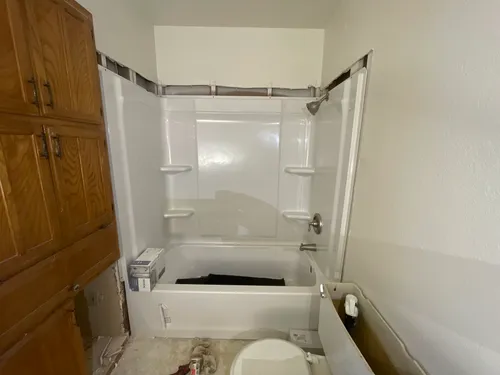
Bow Tie Plumbing
1285 N Main St Suite 306, Mansfield, TX 76063
Bow Tie Plumbing is a family-owned plumbing company serving Arlington, TX, and the broader DFW area. With over 50 years of combined experience, they offer a wide range of services including water heater installation and repair, drain cleaning, sewer line repair, leak detection, repiping, and toilet repair. The company uses advanced techniques such as hydrostatic and smoke testing to identify plumbing issues and provides specialized services like tunneling for foundation access. Bow Tie Plumbing is known for transparent pricing, free estimates within 24 hours, and a 1-year labor warranty on their work.
O'Bryan Plumbing Services
800 Fulgham Rd Suite 35, Plano, TX 75093
O'Bryan Plumbing Services is a plumbing company serving Dallas, TX, offering a wide range of plumbing solutions including water heater repair and installation, sewer and drain cleaning, leak detection, and gas line installation. They use advanced technology such as sewer camera inspections to accurately diagnose and address plumbing issues. Established in 1982, O'Bryan Plumbing Services brings decades of experience to their work, providing comprehensive plumbing maintenance and repair services to residential customers.
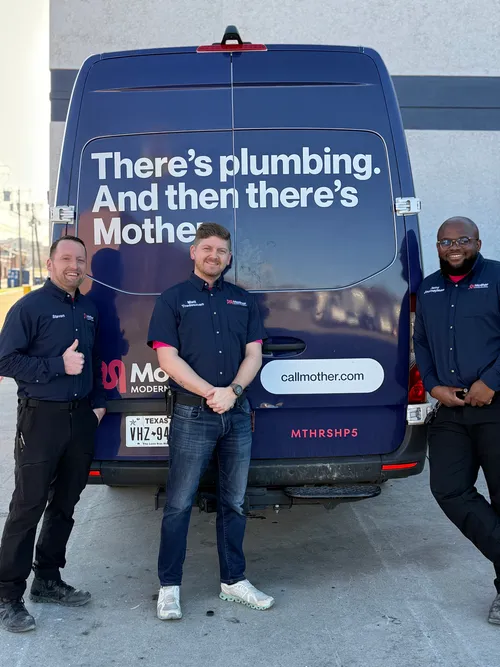
Mother Modern Plumbing, Sewer and Drain
8350 Muirwood Trail, Fort Worth, TX 76137
Mother Modern Plumbing, Sewer and Drain provides plumbing and water heater repair services in Fort Worth, TX. They offer routine diagnostics to help prevent plumbing issues and have licensed plumbers available to address common water heater problems such as thermostat issues, sediment buildup, and heating element repairs. The company supports a membership program that includes priority booking and expert assistance.
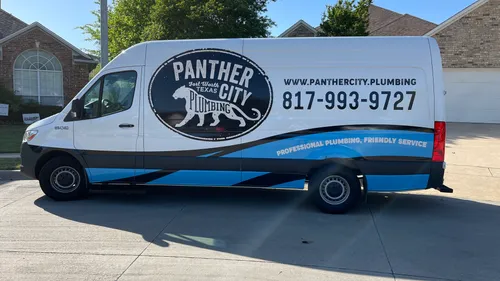
Panther City Plumbing
8633 Sterling Trace Cir, Fort Worth, TX 76244
Panther City Plumbing offers a range of plumbing services in Fort Worth, TX, including water heater repair and installation, drain cleaning, and leak detection. Their licensed plumbers handle everything from minor leaks to full plumbing system installations. The company provides 24/7 emergency plumbing services to address urgent issues promptly.
Understanding Your Water Heater System
Most homes in Arlington utilize either a traditional tank-style water heater or a tankless (on-demand) system. Tank units store and continuously heat a large volume of water, while tankless models heat water only as it's needed. Common components that fail include heating elements (in electric models), gas burners and control valves (in gas models), thermostats, thermocouples, and the tank itself. Recognizing the signs of trouble early can prevent a minor fix from turning into a major, costly replacement.
Common Signs You Need Service
- No Hot Water: The most obvious sign, often pointing to a failed heating element, gas supply issue, or faulty thermostat.
- Insufficient or Inconsistent Hot Water: Running out of hot water faster than usual can indicate a sediment-clogged tank, a failing element, or an undersized unit for your household's needs.
- Discolored or Rusty Water: This typically signals corrosion inside the tank, which can be a precursor to leaks.
- Rumbling or Popping Noises: Caused by sediment buildup (scale) at the bottom of the tank overheating and hardening. This reduces efficiency and can damage the tank.
- Water Leaks Around the Base: Any pooling water is a serious concern. While it could be a loose valve or connection, it often indicates internal tank corrosion, which usually necessitates replacement.
What to Expect from Arlington Repair Services
When you contact a professional for water heater service in Arlington, you can expect a specific standard of care driven by local needs and regulations.
Fast Response Times: Given the essential nature of hot water, many local plumbing companies prioritize urgent calls. It's common to secure same-day or next-day service for critical issues like total hot water loss or significant leaks.
Licensed and Insured Professionals: Massachusetts requires plumbers to be licensed. Always verify this, as proper licensing ensures the technician has the training to work safely on complex gas and electrical systems connected to your water heater. Local labor rates reflect the higher cost of living in the Boston metro area 1 2.
The Diagnostic Visit: Most service calls begin with a trip charge or diagnostic fee. This covers the technician's time to assess the problem. Reputable companies will often credit this fee toward the total cost of the repair if you choose to proceed with their recommended service 3.
Breakdown of Common Repairs and Local Costs
Repair costs in Arlington tend to be higher than national averages due to regional labor and material costs. The final price depends on the specific problem, the type and model of your water heater, and the parts required.
No Hot Water or Intermittent Supply: This is frequently caused by a faulty thermostat or a burned-out heating element in electric units. For gas water heaters, a malfunctioning thermocouple (which senses the pilot light) or a bad gas control valve are common culprits.
- Typical Cost Range: Repairing a thermostat or heating element typically falls between $150 and $400. Replacing a thermocouple or pilot assembly generally costs $120 to $200, while a more complex gas control valve replacement can range from $300 to $500.
Pilot Light Won't Stay Lit: If the pilot on your gas water heater repeatedly goes out, the thermocouple is usually the issue. A faulty gas control valve can also be the cause.
- Typical Cost Range: As noted above, thermocouple service is often $120-$200, while valve replacement is more involved and costly.
Water Heater is Leaking: The location of the leak is critical. Leaks from pressure relief valves or inlet/outlet connections can often be repaired. However, water pooling from the tank itself usually indicates internal corrosion and tank failure, which is not repairable.
- Typical Cost Range: Repairing valve or connection leaks can range from $270 to over $1,700 depending on severity. If the tank is compromised, replacement is necessary, with a standard unit installation typically costing $1,200 to $3,000+ in the Arlington area 4 5.
Routine Maintenance: Proactive service like flushing the tank to remove sediment and inspecting components can extend your unit's life and improve efficiency.
Find the perfect water heater repair companies for your needs
Get personalized recommendations and expert advice
The Critical Decision: Repair or Replace?
Facing a malfunctioning water heater often presents a crossroads. Making the right choice between a repair and a full replacement can save you significant money and hassle in the long run.
Consider the Age of Your Unit: The average lifespan of a traditional tank water heater is 8 to 12 years. If your unit is within this age range or older, and it experiences a major component failure, replacement is frequently the more economical and reliable choice. Investing in a costly repair for an old unit may only be a temporary fix.
Apply the 50% Rule: A useful guideline is to consider replacement if the repair estimate is more than half the cost of a new, installed unit. Newer models are significantly more energy-efficient, and the savings on your energy bills, combined with the warranty on a new system, can justify the upfront investment over pouring money into an aging appliance 8.
Factor in Energy Efficiency: Modern water heaters, especially heat pump (hybrid) and condensing tankless models, offer much higher energy efficiency (EF) ratings than units from a decade ago. While they have a higher purchase price, the long-term utility savings for an Arlington homeowner can be substantial. State or utility rebates may also be available for installing high-efficiency models 9.
Choosing a Service Provider in Arlington
Selecting the right technician is as important as understanding the repair. Look for companies with strong local reputations, verifiable licensing and insurance, and transparent pricing. They should be willing to provide a detailed, written estimate that breaks down parts and labor. Ask about warranties on both parts and labor for the repair work. For replacement quotes, ensure the estimate includes all costs: the new unit, removal and disposal of the old one, necessary plumbing modifications, and any required permits.
By understanding these facets of water heater service-from symptoms and costs to the repair-versus-replace decision-you can confidently navigate the process of restoring hot water to your Arlington home.
Frequently asked questions
Sources
Footnotes
-
How Much Does Water Heater Repair Cost in Boston, MA? | Angi - https://www.angi.com/articles/how-much-does-it-cost-repair-water-heater/ma/boston ↩
-
Water Heater Repair at The Home Depot - https://www.homedepot.com/services/c/water-heater-repair/201c992c0 ↩
-
Water Heater Installation & Repair in Arlington, MA - https://www.silcoplumbing.com/arlington-ma/water-heaters/ ↩
-
Average Water Heater Repair Costs- Here's the Breakdown - https://dayandnightplumb.com/average-hot-water-heater-repair-costs-heres-the-breakdown/ ↩
-
Water Heater Repair Cost 2026: Prices, Fix Types & Tips - Modernize - https://modernize.com/plumbing/water-heaters/repair-cost ↩
-
How Much Does It Cost to Repair a Water Heater? | ConsumerAffairs® - https://www.consumeraffairs.com/homeowners/cost-to-repair-water-heater.html ↩
-
How much does water heater repair cost in 2024? - Yelp - https://www.yelp.com/costs/water_heater_repair ↩
-
Water Heater Repair Vs. Replace: Is It Worth Fixing? - https://mydadcandothat.com/blog/water-heater-repair-replace-worth-fixing/ ↩
-
Water Heater Repair & Replacement in Massachusetts - https://goendlessenergy.com/water-heaters/ ↩