Find the Best Trenchless Sewer Repair Companies for Your Business
No obligation • Fast responses • Nationwide coverage

Why you can trust Search a Plumber
Search a Plumber is a leading United States resource for finding and evaluating professional plumbing services. Our team researches licensing, experience, and customer feedback to create unbiased, fact-driven overviews. Companies cannot pay to change ratings or placement, ensuring homeowners get trustworthy information.
Search providers near you
Top Trenchless Sewer Repair Companies in Cuyahoga Falls, Ohio Ranked
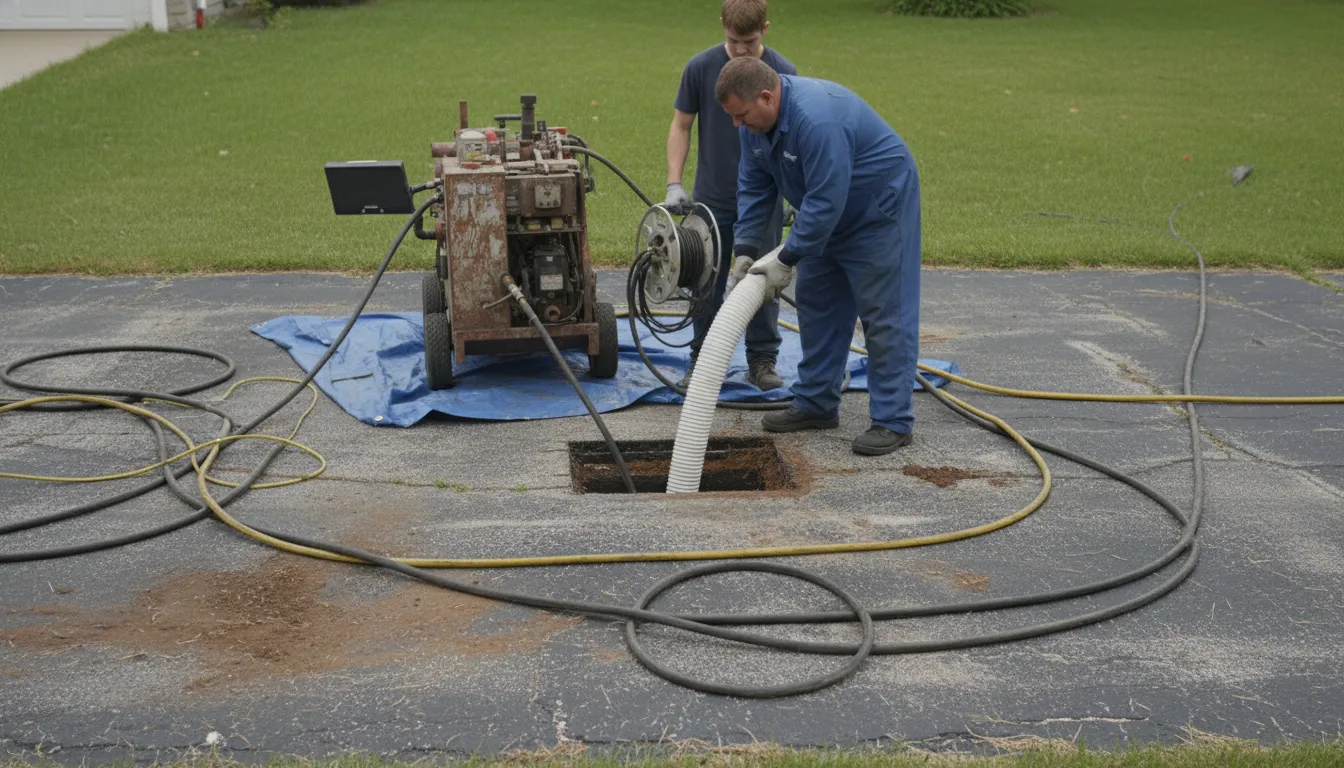
A damaged sewer line is a serious problem for any Cuyahoga Falls homeowner, often signaled by slow drains, foul odors, or soggy patches in the yard. Trenchless sewer repair offers a modern, less invasive solution to fix these underground issues without the need for massive, destructive excavation across your property. This guide explains what trenchless sewer line repair entails, how it compares to traditional methods, and what local homeowners should know about the process, costs, and regulations to make an informed decision for their property.
Roto-Rooter Plumbing & Water Cleanup
10574 Ravenna Rd Ste 2A, Twinsburg, OH 44087
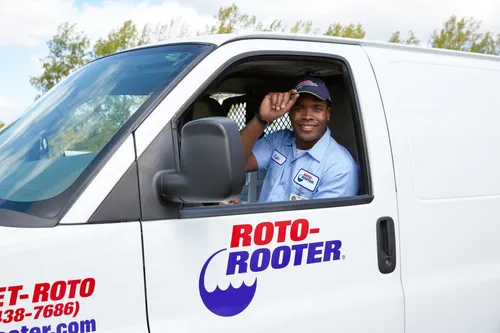
Roto-Rooter Plumbing & Water Cleanup provides comprehensive residential and commercial plumbing services in Cleveland, OH. Their offerings include water heater repair and installation, drain cleaning, sewer line repair with trenchless options, leak detection, gas line installation, and garbage disposal repair. The company also specializes in emergency flood cleanup and mold remediation. They use advanced equipment such as hydro jetting for drain cleaning and offer 24/7 availability year-round to handle urgent plumbing needs. Serving the Cleveland area, Roto-Rooter has extensive experience managing complex commercial plumbing systems and residential repairs. Their expertise in trenchless sewer repair minimizes disruption during sewer line work. The company emphasizes prompt emergency response and continuous service availability, ensuring plumbing issues are addressed at any time.
Roto-Rooter Plumbing & Water Cleanup
5851 Pearl Rd #205A, Parma Heights, OH 44130
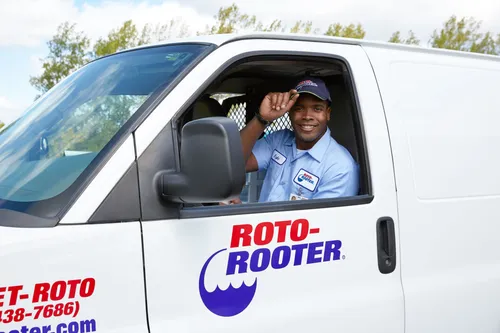
Roto-Rooter Plumbing & Water Cleanup provides comprehensive plumbing services in Cleveland, OH, specializing in residential and commercial plumbing solutions. Their offerings include sewer and drain cleaning, water heater repair and installation, leak detection, garbage disposal repair, and trenchless sewer line repair. They use advanced equipment such as video inspection cameras and hydro-jetting technology to diagnose and resolve plumbing issues efficiently. Roto-Rooter also offers 24/7 emergency plumbing services to address urgent problems like burst pipes and sewer backups. Serving Cleveland and surrounding counties, Roto-Rooter is a licensed and insured provider dedicated to maintaining reliable plumbing systems.
Plunger Plumber
5265 Commerce Pkwy W, Cleveland, OH 44130
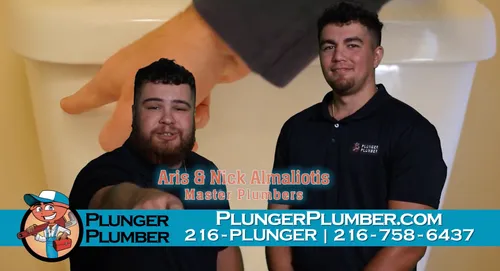
Plunger Plumber is a family-owned plumbing company serving Cleveland, OH, and the surrounding Northeast Ohio region for over 20 years. They provide a wide range of plumbing services including sewer camera inspections, drain cleaning, gas line installation and repair, water heater installation and repair, sump pump services, and trenchless sewer line repairs. Their skilled team uses advanced technology such as hydro jetting and sewer camera inspections to diagnose and resolve plumbing issues efficiently. Plunger Plumber offers 24/7 emergency services, particularly for gas line repairs, ensuring safety and prompt response for urgent plumbing needs.
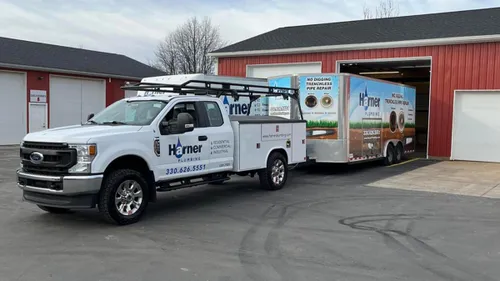
Harner Plumbing
2480 Bartlett Rd, Mantua, OH 44255
Harner Plumbing is a full-service plumbing company serving Cleveland, OH, and the surrounding Northeast Ohio region. They provide a wide range of services including plumbing repairs, water heater installation and repair, drain cleaning, sewer line repair, and trenchless sewer solutions. Their capabilities include advanced sewer video inspection and hydro jetting to effectively address tough blockages and pipe issues without extensive excavation. Harner Plumbing serves both residential and commercial clients and has built a reputation over many years for reliable and licensed plumbing work.
Mr. Rooter Plumbing of Cleveland
7525 Hub Pkwy, Valley View, OH 44125
Mr. Rooter Plumbing of Cleveland offers a wide range of residential and commercial plumbing services in Cleveland, OH. Their expertise includes sewer camera inspections, drain cleaning, sewer line repair, water heater installation, sump pump repair, leak detection, repiping, gas line installation, and toilet repair. They also provide trenchless sewer repair, which minimizes disruption during sewer line work. The company emphasizes clear communication and transparency, often using camera footage to explain issues to customers. Mr. Rooter Plumbing of Cleveland is backed by The Neighborly Done Right Promise®, ensuring work is completed to high standards. They provide same-day and next-day service, including weekends, and offer flexible financing options for larger projects.
Understanding Your Sewer Line Problem
The sewer lateral is the pipe that carries wastewater from your home to the city's main sewer line under the street. In Cuyahoga Falls, these lines can fail due to age, ground shifting, invasive tree roots, or material deterioration. Common signs you may need sewer repair include:
- Frequent drain clogs or backups in multiple fixtures.
- Gurgling sounds from toilets or drains.
- Sewage odors in your yard or basement.
- Unusually lush or soggy patches of grass in your yard.
- Sinkholes or depressions forming along the pipe's path.
Ignoring these signs can lead to more severe damage, potential health hazards, and significantly higher repair costs. The first professional step is always a thorough video camera inspection to diagnose the exact location, nature, and extent of the damage 1.
Trenchless Repair vs. Traditional Excavation
When facing a sewer line issue, you generally have two paths: modern trenchless methods or traditional excavation. The right choice depends entirely on the condition of your pipe.
Trenchless Sewer Repair (CIPP Lining & Pipe Bursting) This is often the preferred method for pipes that are structurally sound but compromised by cracks, leaks, or root intrusion. The core advantage is minimal digging-typically just two small access holes at the beginning and end of the damaged section.
- Cured-In-Place Pipe (CIPP) Lining: This technique creates a "pipe-within-a-pipe." A flexible liner saturated with epoxy resin is inserted into the old pipe and inflated. It is then cured using steam or UV light, forming a seamless, durable new pipe interior. It's ideal for repairing main lines that run under driveways, sidewalks, foundations, or landscaped gardens.
- Pipe Bursting: Used for a full pipe replacement when the old line is too deteriorated for lining. A bursting head is pulled through the old pipe, fracturing it outward while simultaneously pulling in a new, often larger-diameter, pipe behind it 2 3. This method replaces the pipe without a trench.
Traditional Sewer Line Excavation This conventional method involves digging a long, deep trench along the entire length of the pipe to expose it for repair or replacement. It is necessary in specific scenarios 4:
- The pipe has fully collapsed.
- There is severe, widespread damage or misalignment.
- The existing pipe material (like Orangeburg) is too degraded to support trenchless methods.
- There are multiple sharp bends or connections that a liner cannot navigate.
While effective, excavation is far more disruptive, requiring heavy machinery, extensive landscape and hardscape restoration, and typically a longer project timeline.
The Trenchless Repair Process: Step-by-Step
Understanding the workflow can demystify the project. Reputable local providers follow a structured process 5:
- Video Camera Inspection: A specialized camera is sent through the line to pinpoint problems, assess the pipe's condition, and plan access points.
- Method Selection & Planning: Based on the inspection, your contractor will recommend either CIPP lining or pipe bursting and will handle all necessary permit applications with the City of Cuyahoga Falls.
- Site Preparation & Access: Small excavation pits (or "pulling" and "receiving" holes) are dug at strategic points, usually at cleanouts or where the line exits the home and meets the city main.
- The Repair Itself:
- For lining, the epoxy liner is fed into one access point, positioned, and inflated. Curing solidifies it into a jointless new pipe.
- For bursting, the old pipe is fractured from the inside as the new pipe is drawn through.
- Reconnection & Final Inspection: The new liner or pipe is trimmed and sealed at the connection points. A final camera inspection is performed, and the work is reviewed by a city inspector to ensure it meets all flow, pressure, and material codes.
- Site Restoration: The small access holes are backfilled and restored, leaving your property nearly untouched compared to a massive trench.
Find the perfect trenchless sewer repair companies for your needs
Get personalized recommendations and expert advice
Permits, Inspections, and Local Codes in Cuyahoga Falls
Sewer repair is not a DIY project and is heavily regulated for public health and safety. Any sewer line repair in Cuyahoga Falls will require permits, and the work must pass municipal inspections 6.
- Permits: Contractors typically obtain the necessary permits, which may include a standard city plumbing permit and a Right-of-Way (ROW) permit if the work extends under public property like a sidewalk or parkway.
- Inspections: City inspectors will check the work at critical stages. They verify proper installation, material compliance, and that the repaired line has adequate flow and pressure. Companies like C. Lee Services and Josh's Ground Effects are familiar with navigating these local requirements 7.
- Bypass Requirements: For repairs on the main city line connection, a temporary bypass system may need to be approved and installed to handle neighborhood wastewater flow during the work 8.
Always verify that your chosen plumbing professional is licensed, insured, and experienced with Cuyahoga Falls' specific permit and inspection process.
Cost Considerations and Long-Term Value
The cost of sewer repair is a major concern for homeowners. While trenchless technology has a higher upfront material cost, it often proves more cost-effective overall when factoring in restoration.
- Trenchless Repair Costs: For a typical residential lateral in Cuyahoga Falls, trenchless sewer repair (lining or bursting) generally ranges from $2,000 to $6,000 or more, depending on the length of the pipe (e.g., under 100 feet), depth, and specific damage 9 10. Projects are often completed in 1-2 days.
- Traditional Excavation Costs: Full excavation can start at $12,000 and increase significantly based on the length of the trench, depth, and the complexity of restoring landscaping, concrete, and other surfaces 11 12.
- Longevity & Warranty: A key selling point for trenchless methods is durability. A CIPP liner can have a projected lifespan of 50 to 100 years, as it is resistant to corrosion, root intrusion, and joint leaks 13. Most reputable contractors back their work with substantial warranties.
When evaluating quotes, look beyond the bottom line. Consider the value of preserving your yard, driveway, and peace of mind. The minimal disruption of a trenchless fix often outweighs the lower initial cost of a destructive dig.
Choosing a Provider for Trenchless Sewer Line Repair
Selecting the right contractor is crucial. Look for a specialist with:
- Proven experience with both CIPP lining and pipe bursting.
- A library of before-and-after camera footage from local jobs.
- Clear explanations of the recommended method, permit process, and timeline.
- Proper licensing, insurance, and familiarity with Cuyahoga Falls codes.
- Strong, verifiable references from neighbors in Summit County.
A trustworthy professional will always recommend a camera inspection first and present you with all viable options, explaining why a particular method is best for your situation.
Frequently asked questions
Sources
Footnotes
-
Our Sewer Line Repair in Cuyahoga Falls, OH - C. Lee Services - https://cleeservices.com/service-areas/cuyahoga-falls/sewer-repair/ ↩
-
Trenchless Sewer Line Repair vs. Sewer Line Excavation - https://dandfplumbing.com/sewer-line-repair-vs-sewer-line-excavation/ ↩
-
How Does Trenchless Sewer Repair Work? - Clog Busters - https://clogbustersllc.com/how-does-trenchless-sewer-repair-work/ ↩
-
What Are The Pros and Cons of Trenchless Sewer Repair? - https://www.southernairnow.com/blog/what-are-the-pros-and-cons-of-trenchless-sewer-repair/ ↩
-
Trenchless Sewer Lining in Cuyahoga Falls, OH | C. Lee Services - https://cleeservices.com/service-areas/cuyahoga-falls/trenchless-sewer-lining/ ↩
-
Sewer Drain Repair near Cleveland, OH - https://sewercleaningcompany.com/services/trenchless-sewer-repair ↩
-
Trenchless Repair in Central Ohio - Josh's Ground Effects - https://lancasterplumbingservice.com/services/trenchless-sewer-repair/ ↩
-
Permit and Code Essentials for Trenchless Projects: What Inspectors ... - https://www.wefixdrains.com/blog/permit-and-code-essentials-for-trenchless-projects-what-inspectors-check/ ↩
-
Empower Your Decision: Decoding Trenchless Sewer Repair Costs - https://pipelinerpros.com/trenchless-sewer-repair-cost/ ↩
-
How Much Does Trenchless Sewer Line Piping Cost? [2026 Data] - https://www.angi.com/articles/trenchless-sewer-line-replacement-cost.htm ↩
-
Trenchless vs. Traditional Sewer Repair - https://sewerlinesonly.com/trenchless-vs-traditional-sewer-repair-which-is-more-cost-effective-for-lakewood-homeowners/ ↩
-
How Much Does Trenchless Sewer Line Repair Cost? - https://alphaenvironmental.net/blog/how-much-does-trenchless-sewer-repair-cost/ ↩
-
How Long Does CIPP Trenchless Sewer Repair Last? - https://plumbingsacramento.com/how-long-does-cipp-trenchless-sewer-repair-last/ ↩