Find the Best Trenchless Sewer Repair Companies for Your Business
No obligation • Fast responses • Nationwide coverage

Why you can trust Search a Plumber
Search a Plumber is a leading United States resource for finding and evaluating professional plumbing services. Our team researches licensing, experience, and customer feedback to create unbiased, fact-driven overviews. Companies cannot pay to change ratings or placement, ensuring homeowners get trustworthy information.
Search providers near you
Top Trenchless Sewer Repair Companies in Cleveland, Ohio Ranked
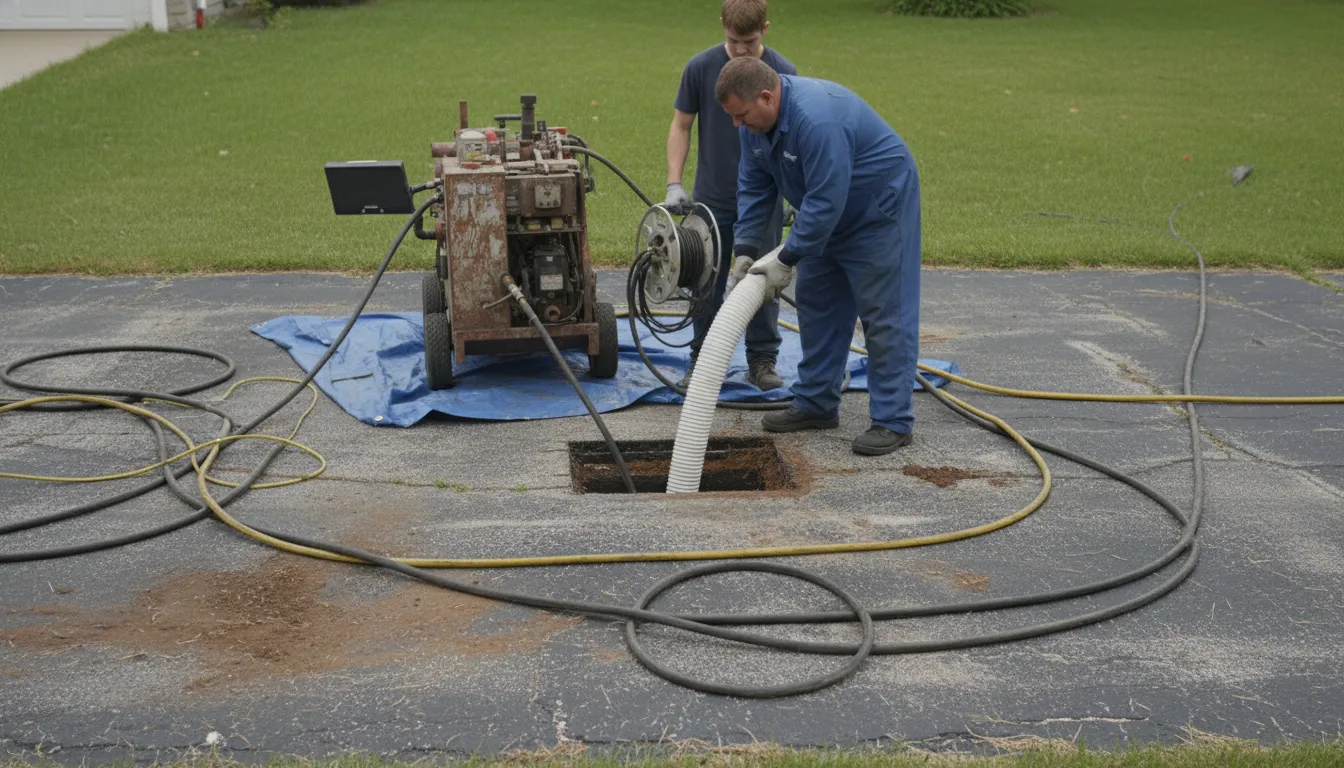
A damaged sewer line is a major headache for any Cleveland homeowner, threatening property damage and disrupting daily life. Trenchless sewer repair offers a modern, less invasive solution to fix underground pipes without the massive excavation and landscape destruction of traditional methods. This guide explains how trenchless technology works, when it's the right choice for your Cleveland home, and what you can expect from the process, helping you make an informed decision when seeking local professional help.
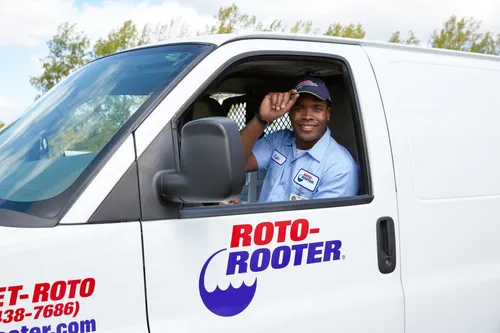
Roto-Rooter Plumbing & Water Cleanup
10574 Ravenna Rd Ste 2A, Twinsburg, OH 44087
Roto-Rooter Plumbing & Water Cleanup provides comprehensive residential and commercial plumbing services in Cleveland, OH. Their offerings include water heater repair and installation, drain cleaning, sewer line repair with trenchless options, leak detection, gas line installation, and garbage disposal repair. The company also specializes in emergency flood cleanup and mold remediation. They use advanced equipment such as hydro jetting for drain cleaning and offer 24/7 availability year-round to handle urgent plumbing needs. Serving the Cleveland area, Roto-Rooter has extensive experience managing complex commercial plumbing systems and residential repairs. Their expertise in trenchless sewer repair minimizes disruption during sewer line work. The company emphasizes prompt emergency response and continuous service availability, ensuring plumbing issues are addressed at any time.
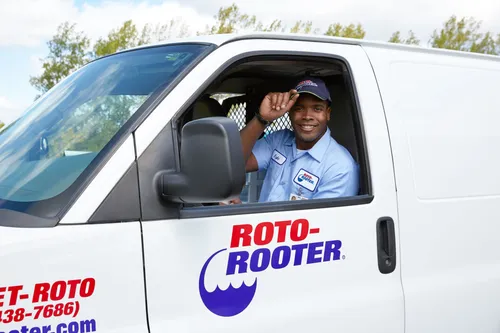
Roto-Rooter Plumbing & Water Cleanup
5851 Pearl Rd #205A, Parma Heights, OH 44130
Roto-Rooter Plumbing & Water Cleanup provides comprehensive plumbing services in Cleveland, OH, specializing in residential and commercial plumbing solutions. Their offerings include sewer and drain cleaning, water heater repair and installation, leak detection, garbage disposal repair, and trenchless sewer line repair. They use advanced equipment such as video inspection cameras and hydro-jetting technology to diagnose and resolve plumbing issues efficiently. Roto-Rooter also offers 24/7 emergency plumbing services to address urgent problems like burst pipes and sewer backups. Serving Cleveland and surrounding counties, Roto-Rooter is a licensed and insured provider dedicated to maintaining reliable plumbing systems.
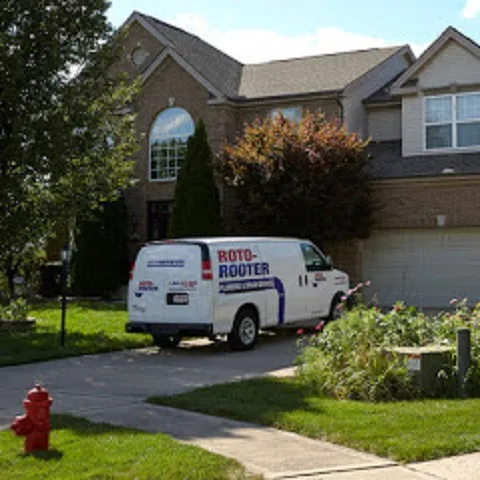
Roto-Rooter Plumbing & Water Cleanup
27575 Euclid Ave, Euclid, OH 44132
Roto-Rooter Plumbing & Water Cleanup offers a wide range of plumbing services in Cleveland, OH, including drain cleaning, sewer line repair, water heater installation and repair, leak detection, and gas line installation. They serve both residential and commercial clients, handling everything from minor repairs to complex sewer system maintenance. The company uses advanced equipment such as video camera sewer inspections and provides trenchless sewer repair options to minimize disruption. Roto-Rooter is available 24/7 for emergency plumbing services, ensuring support whenever urgent issues arise.
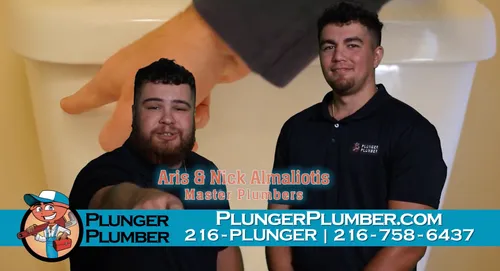
Plunger Plumber
5265 Commerce Pkwy W, Cleveland, OH 44130
Plunger Plumber is a family-owned plumbing company serving Cleveland, OH, and the surrounding Northeast Ohio region for over 20 years. They provide a wide range of plumbing services including sewer camera inspections, drain cleaning, gas line installation and repair, water heater installation and repair, sump pump services, and trenchless sewer line repairs. Their skilled team uses advanced technology such as hydro jetting and sewer camera inspections to diagnose and resolve plumbing issues efficiently. Plunger Plumber offers 24/7 emergency services, particularly for gas line repairs, ensuring safety and prompt response for urgent plumbing needs.
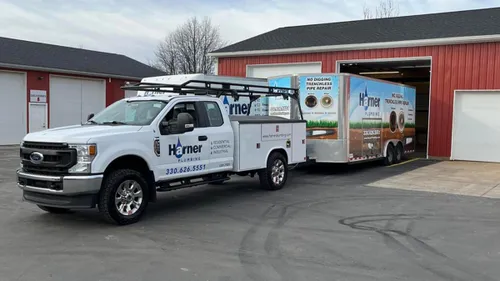
Harner Plumbing
2480 Bartlett Rd, Mantua, OH 44255
Harner Plumbing is a full-service plumbing company serving Cleveland, OH, and the surrounding Northeast Ohio region. They provide a wide range of services including plumbing repairs, water heater installation and repair, drain cleaning, sewer line repair, and trenchless sewer solutions. Their capabilities include advanced sewer video inspection and hydro jetting to effectively address tough blockages and pipe issues without extensive excavation. Harner Plumbing serves both residential and commercial clients and has built a reputation over many years for reliable and licensed plumbing work.
Understanding Trenchless Sewer Technology
Often called "no-dig" sewer repair, trenchless technology encompasses methods designed to rehabilitate existing underground pipelines with minimal surface disruption. Instead of digging a long, deep trench to expose the entire faulty pipe, technicians create one or two small access holes. Through these, they can install a new, durable pipe lining or pull through a replacement pipe. This approach is particularly valuable in a city like Cleveland, with its mature neighborhoods, established landscaping, concrete driveways, and often complex underground utility layouts. Preserving your property's hardscape and greenery is a significant advantage of choosing a trenchless solution.
How It Compares to Traditional Excavation
The traditional approach to sewer line replacement is known as open-cut or excavation repair. This involves using heavy machinery to dig a trench along the entire length of the pipe, from the house to the city main. While sometimes necessary, this method is highly disruptive.
When Trenchless Repair is Ideal: Trenchless methods like Cured-In-Place Pipe (CIPP) lining or pipe bursting are best suited for pipes that are structurally compromised but not completely destroyed. This includes common issues in Cleveland's older clay and cast iron pipes:
- Root Intrusion: Fine tree roots seeking moisture can infiltrate pipe joints.
- Cracks and Fractures: Shifting soil, freeze-thaw cycles, or age can cause pipes to crack.
- Corrosion and Deterioration: Over decades, cast iron pipes can corrode and thin.
- Bellied or Misaligned Sections: Settling soil can cause a low spot where waste collects.
- Minor Collapses: Partial collapses where the pipe's general path is still intact.
When Excavation May Be Required: There are situations where trenchless methods are not feasible, and full excavation becomes the only option 1 2. This includes:
- Complete Pipe Collapse: When the pipe has fully flattened or crushed.
- Severe Misalignment: Multiple sharp offsets or sags that a liner cannot navigate.
- Lack of Access Points: If there is no suitable cleanout or point to insert the liner or bursting head.
- Extreme Damage: Sections of pipe that are pulverized or have disintegrated.
The Trenchless Repair Process: Step-by-Step
A professional trenchless sewer repair in Cleveland follows a meticulous process to ensure a long-lasting solution.
-
Comprehensive Camera Inspection: The first and most critical step is a detailed video camera inspection. A specialized, waterproof camera is sent through the sewer line from a cleanout in your home. This allows the technician to see the exact condition, location, diameter, and material of your pipe, pinpoint the problem, and measure the exact length of the repair needed. This inspection is essential for accurate diagnosis and quoting.
-
Method Selection and Planning: Based on the camera footage, the plumbing professional will recommend the most effective trenchless method-either pipe lining or pipe bursting. They will also identify the best access points and discuss any necessary permits from the City of Cleveland's Division of Water.
-
Preparing the Access Points: Small excavation equipment is used to dig two access pits: one at the beginning and one at the end of the damaged section. These pits are typically just large enough for a person to work in, often at existing cleanouts or at the connection to the city main. This is the only digging required.
-
Pipe Cleaning: Before any repair can happen, the existing pipe must be thoroughly cleaned. High-pressure water jetting is used to scour the interior of the pipe, removing debris, roots, grease, and scale to create a clean surface for the new liner.
-
The Repair Installation:
- For CIPP Lining: A flexible, resin-saturated felt tube (liner) is inverted or pulled into the old pipe. Using air or water pressure, it is expanded to fit tightly against the host pipe's walls. Then, with steam or UV light, the resin is cured hard, forming a seamless, jointless "pipe within a pipe".
- For Pipe Bursting: A conical bursting head is pulled through the old, damaged pipe. This head fractures the old pipe outward into the surrounding soil while simultaneously pulling a new, high-density polyethylene (HDPE) pipe into place behind it 3.
- Final Inspection and Restoration: A post-installation camera inspection is conducted to verify the new pipe is seamless, correctly aligned, and meets all codes. Once approved, the small access pits are backfilled, compacted, and the surface area (sod, concrete, asphalt) is restored as closely as possible to its original condition 4 5.
Find the perfect trenchless sewer repair companies for your needs
Get personalized recommendations and expert advice
Key Considerations for Cleveland Homeowners
Understanding Costs and Variables
Trenchless sewer repair is a premium service due to the specialized equipment and materials involved, but it often proves cost-competitive when factoring in the extensive restoration required for traditional excavation. Costs in Cleveland are typically calculated per linear foot.
- CIPP Pipe Lining: Generally ranges from $135 to $150 per linear foot for standard repairs. This is often the more economical trenchless option for pipes with internal damage but intact structure.
- Pipe Bursting: Typically costs $150 to $190 or more per linear foot. This method is priced higher as it includes the cost of the new HDPE pipe and the energy required to break apart the old line.
- Total Project Cost: For a typical 100-foot repair, total costs can range from $4,500 to $25,000+, heavily dependent on the chosen method, pipe depth, soil conditions, and severity of damage.
- Additional Required Costs: Be sure to factor in the essential upfront camera inspection ($175-$350) and any required permits, which in Cleveland can add hundreds to over $1,000 to your project total 6 7 8.
Permits and Professional Credentials
Sewer line work almost always requires a permit from your local municipality. In Cleveland, this is managed by the Division of Water. A reputable plumbing contractor will handle the permit application and scheduling of necessary inspections, which ensure the work meets all city plumbing and building codes. Always verify that any professional you contact is fully licensed, insured, and has specific experience with trenchless sewer projects. Local Cleveland-area companies like Mayes & Sons Plumbing and Harner Plumbing are examples of established providers familiar with the region's specific challenges and regulations 9.
The Long-Term Value of a Trenchless Repair
The benefits extend far beyond avoiding a torn-up yard. The materials used in trenchless repairs, particularly CIPP liners and HDPE pipe, are highly resistant to root intrusion, corrosion, and chemical wear. The seamless nature of a CIPP liner eliminates the joints where roots and leaks most commonly occur. This can result in a sewer line with a lifespan of 50 years or more, providing peace of mind and potentially increasing your property value by modernizing a critical underground utility.
Frequently asked questions
Sources
Footnotes
-
Trenchless Sewer Repair | Sewer Drain Repair | Cleveland - https://sewercleaningcompany.com/services/trenchless-sewer-repair ↩
-
Trenchless Sewer Repair vs. Traditional Excavation - AQUALIS - https://aqualisco.com/trenchless-sewer-repair-vs-traditional/ ↩
-
Trenchless Sewer Line Replacement - Free Estimates - https://reliantplumbing.com/drains/sewer-system-repair/trenchless-pipe-repair/ ↩
-
The Reliable Service for Sewer Line Repair in Cleveland, OH - https://cleeservices.com/service-areas/cleveland/sewer-line-repair/ ↩
-
Cleveland trenchless sewer repair - Wilson Plumbing - https://www.wilsonplumbingandheating.com/post/cleveland-trenchless-sewer-repair ↩
-
Sewer Repair Options: Trenchless vs. Traditional Methods | TYCO - https://tycoplumbingco.com/sewer-repair-options-trenchless-vs-traditional-methods/ ↩
-
How Much Does Trenchless Sewer Line Piping Cost? [2026 Data] - https://www.angi.com/articles/trenchless-sewer-line-replacement-cost.htm ↩
-
Sewer Repair & Replacement in Cleveland - Mayes & Sons Plumbing - https://www.mayesandsonsplumbing.com/sewer-services/sewer-repair-replacement/ ↩
-
Trenchless Sewer Repair Services in Ohio - Harner Plumbing - https://harnerplumbing.com/services/trenchless/ ↩