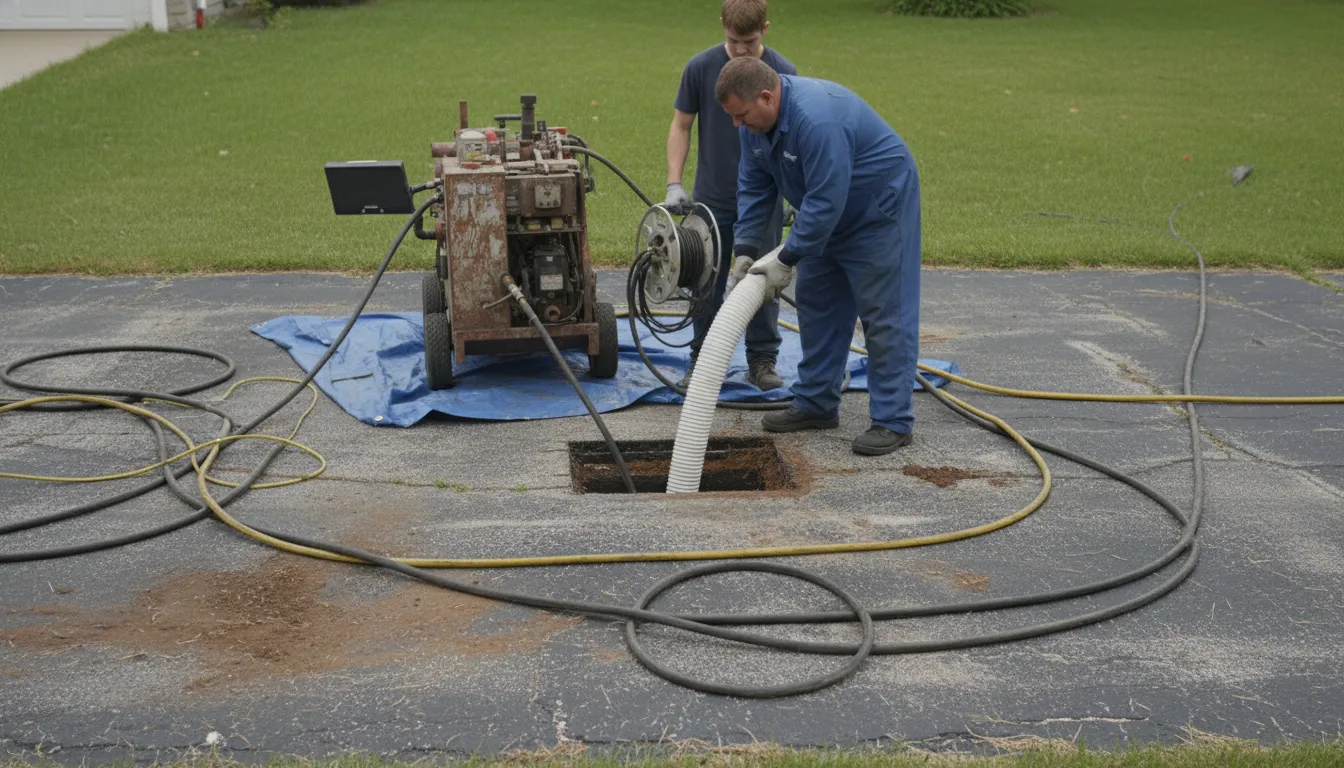
Find the Best Trenchless Sewer Repair Companies for Your Business
No obligation • Fast responses • Nationwide coverage

Why you can trust Search a Plumber
Search a Plumber is a leading United States resource for finding and evaluating professional plumbing services. Our team researches licensing, experience, and customer feedback to create unbiased, fact-driven overviews. Companies cannot pay to change ratings or placement, ensuring homeowners get trustworthy information.
Search providers near you
Top Trenchless Sewer Repair Companies in Chicago, Illinois Ranked
A damaged sewer line is a serious problem for any Chicago homeowner, but the thought of a massive, disruptive excavation across your yard, driveway, or landscaping can be just as daunting. Trenchless sewer repair offers a modern solution, fixing your underground pipes with minimal digging and disruption. This guide explains how trenchless pipe lining and replacement works in Chicago, why it's often the preferred method, and how you can find qualified local specialists to assess and resolve your sewer issues efficiently.
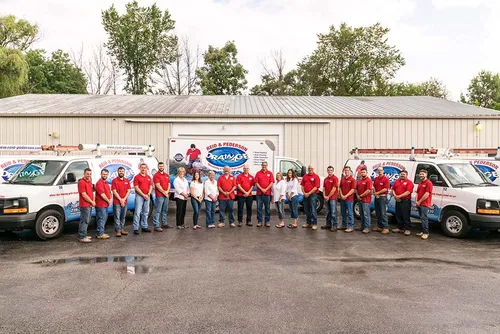
Reid & Pederson Drainage
1762 S Dixie Hwy #1, Crete, IL 60417
Reid & Pederson Drainage is a sewer and drain cleaning specialist serving Chicago, IL, and the surrounding South Suburbs and Northwest Indiana. With over 40 years of experience, they offer services including drain cleaning, sewer line repair, and trenchless sewer repair. The company is known for using the latest technology and providing 24/7 emergency service. Founded in 1984, they also operate Trenchless Innovations, a leader in trenchless pipe repair solutions that minimize disruption during sewer repairs.
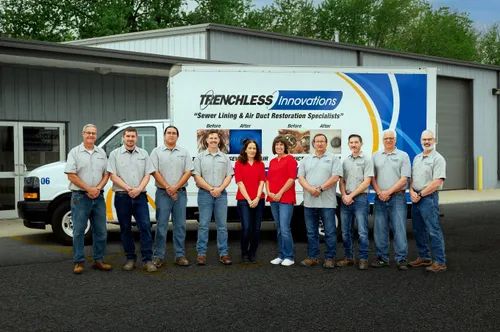
Trenchless Innovations
1762 S Dixie Hwy #2, Crete, IL 60417
Trenchless Innovations is a sewer line repair and trenchless sewer repair contractor serving Chicago, IL. They specialize in repairing sewer lines and underground air ducts without digging, using trenchless technology that provides durable solutions designed to last for decades. Established in 2002, the company focuses on advanced, minimally invasive methods to maintain home health and foundation security.
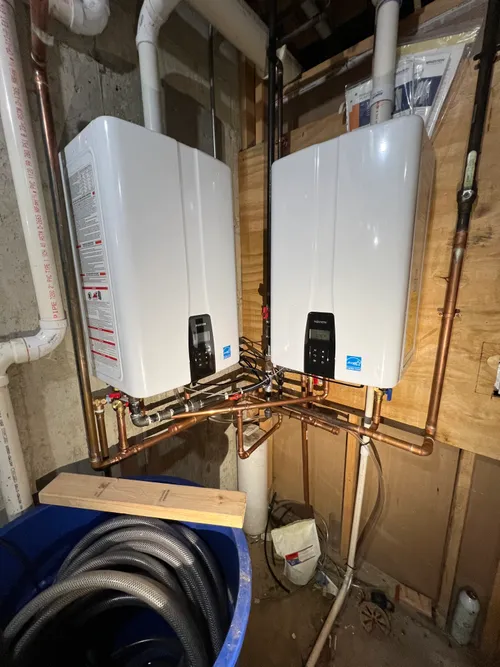
The All Pipes INC.
255 Holly Ln, Elk Grove Village, IL 60007
The All Pipes INC. is a licensed and insured plumbing company serving Chicago, IL. They provide a wide range of plumbing services including water heater repair and installation, trenchless sewer repair, sump pump installation, leak detection, and hydro jetting for drain cleaning. The company offers both residential and commercial plumbing solutions and specializes in tankless water heater installations to help reduce energy costs. Founded by Grigor Ganchev, who has built his career in plumbing over many years, The All Pipes INC. emphasizes integrity and clear communication with clients to maintain lasting relationships.
BMW Plumbing & Sewer
448 Lake Cook Rd Suite E, Deerfield, IL 60015
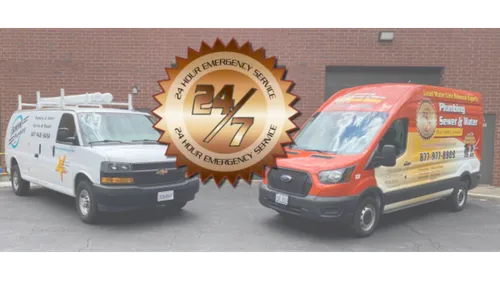
BMW Plumbing & Sewer is a family-owned plumbing and sewer service provider based near Chicago, IL, serving the northern suburbs since 1993. They offer a broad range of residential and commercial plumbing services including water heater repair, sump pump maintenance, drain cleaning, sewer line repair, trenchless sewer lining, leak detection, and toilet repair. BMW Plumbing & Sewer is equipped to handle sewer rodding and non-invasive sewer lining to address pipe cracks and root intrusions. The company operates 24/7, providing around-the-clock service to meet urgent plumbing needs.
VanDerBosch Plumbing Inc.
6928 N Greenview Ave, Chicago, IL 60626
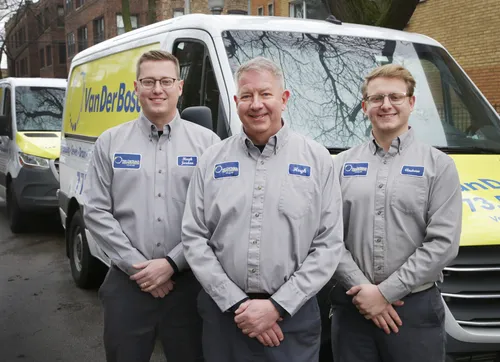
VanDerBosch Plumbing Inc. is a plumbing company serving Chicago, IL, with over 30 years of experience in residential and light commercial plumbing. They offer a wide range of services including sewer camera inspections, water heater repair and installation, water softener installation, sump pump repair, drain cleaning, trenchless sewer repair, leak detection, and toilet repair. The company provides 24/7 live answer and after-hours service, ensuring help is available whenever needed. They also specialize in trenchless pipe repair and sewer video inspection, using the latest technology to address plumbing issues efficiently.
What is Trenchless Sewer Repair?
Trenchless sewer repair, often called cured-in-place pipe (CIPP) lining or pipe bursting, is a method for repairing or replacing underground sewer lines without the need for extensive open trench excavation. Instead of digging a long, deep trench to access the entire pipe, technicians create one or two small access points-typically at the beginning and end of the damaged section. Through these openings, they insert a resin-saturated liner that hardens to form a new, seamless pipe within the old one, or they pull a completely new pipe through the old, breaking it apart in the process. This approach is designed to address common issues like cracks, root intrusion, and partial collapses while preserving your property's hardscape and landscape.
When is Trenchless Repair the Right Choice in Chicago?
Not every sewer problem is suited for a trenchless solution. Understanding the ideal scenarios can help you discuss options more effectively with a professional.
Trenchless methods are typically recommended for:
- Minor to Moderate Damage: This includes cracks, holes, joint separations, and root intrusion that hasn't completely crushed the pipe.
- Pipes Under Obstructions: The prime application is for sewer lines running under driveways, sidewalks, patios, mature trees, gardens, or other expensive or difficult-to-replace landscaping.
- Partial Collapses: Sections of pipe that are deformed or partially collapsed but still have a clear path for the liner or new pipe.
- Corroded or Deteriorated Pipes: Old cast iron, clay, or Orangeburg pipes that are leaking but largely intact in shape.
Traditional excavation may be necessary for:
- Complete Pipe Collapse: If the pipe is fully crushed or has severe sags (bellies) with no open pathway 1.
- Multiple Severe Failures: Pipes with extensive, widespread damage over a long section may not be good candidates for lining.
- Access Limitations: In some rare cases, the existing pipe's condition or location makes trenchless technology impractical.
A professional diagnosis using a video camera inspection is the only way to determine the correct method for your specific situation.
The Trenchless Repair Process: Step-by-Step
The efficiency of trenchless sewer line repair comes from a streamlined, proven process. Here's what you can expect from start to finish when you hire a professional in Chicago.
- Video Camera Inspection: The process always begins with a thorough sewer camera inspection. A specialized, waterproof camera is fed through your sewer line to provide a real-time video feed, pinpointing the exact location, nature, and extent of the damage. This diagnostic step is crucial for creating an effective repair plan.
- Pipe Cleaning and Preparation: Before any repair can happen, the existing pipe must be cleaned. High-pressure water jetting or mechanical scraping is used to clear out roots, grease, debris, and any obstructions to ensure a smooth interior surface for the new liner.
- Liner Insertion and Curing (Pipe Lining): For the most common CIPP method, a flexible felt tube saturated with a special epoxy resin is inverted or pulled into the damaged pipe. Once in position, the liner is inflated using air or water pressure. It is then cured using hot water, steam, or UV light, which hardens the epoxy to form a rigid, jointless "pipe-within-a-pipe" 2 3. This new pipe is highly resistant to roots and corrosion.
- Pipe Bursting (Replacement): For situations where a new, larger-diameter pipe is needed, the pipe bursting method is used. A conical bursting head is pulled through the old pipe, fracturing it outward while simultaneously pulling in a new high-density polyethylene (HDPE) pipe behind it.
- Final Inspection and Testing: After curing or installation, a final camera inspection is conducted to verify the integrity and smoothness of the new pipe. The flow is tested to ensure everything is working perfectly before the access points are sealed.
Find the perfect trenchless sewer repair companies for your needs
Get personalized recommendations and expert advice
Cost of Trenchless Sewer Repair in Chicago
The cost of trenchless sewer repair in Chicago varies based on the length of the damaged section, the diameter of the pipe, the specific technology used, and the difficulty of access. However, it is often more cost-effective than traditional digging when you consider the full scope of work.
- Trenchless Pipe Lining: Costs are frequently estimated on a per-foot basis, generally ranging from $80 to $250 per foot, with total project costs commonly falling between $3,000 and $15,000 4. Spot repairs for isolated issues (known as point repairs or stents) can start around $1,500.
- Traditional Excavation: While the direct pipe repair cost for excavation might be comparable or slightly lower, the total project cost often exceeds trenchless due to restoration. Digging typically ranges from $4,000 to $7,000 or more, and can easily surpass $10,000+ when factoring in the cost to repair concrete driveways, sidewalks, and professionally restore landscaping 5 6 7.
Key Financial Benefit: The primary economic advantage of trenchless technology is that it eliminates or drastically reduces the massive ancillary costs of landscape and hardscape restoration 8 9. You save money on the back end by avoiding the need to re-pour concrete, re-sod lawns, or replant mature gardens.
Permits and Inspections in Chicago
Sewer line work in the City of Chicago and its suburbs almost always requires permits. Reputable contractors will handle this process for you.
- Permits: A permit must be obtained from the City of Chicago Department of Buildings (DOB) or your local municipality's building department before work begins. This ensures the work meets city plumbing and infrastructure codes.
- Inspections: The permitting process typically includes mandatory inspections. This often involves a city inspector reviewing the video verification of the new liner or pipe and performing a final site inspection to approve the work 10. Your contractor will coordinate these inspections as part of their service.
Benefits of Choosing Trenchless Methods
Why has trenchless repair become so popular in Chicago neighborhoods? The benefits extend beyond just cost savings.
- Minimal Property Disruption: This is the most significant advantage. Instead of a torn-up yard, you're left with only one or two small, discreet access holes that are easily restored 11.
- Speed: Most trenchless sewer repairs can be completed in one to two days, compared to a week or more for excavation that includes digging and lengthy restoration.
- Durability: The epoxy liners and HDPE pipes used are highly resistant to root intrusion, chemical corrosion, and future cracks, often with a lifespan of 50 years or more 12 13.
- Structural Improvement: The new "pipe-within-a-pipe" often improves flow capacity and structural strength compared to the old, deteriorated line.
- Environmental Consideration: It generates far less soil waste and disruption to the surrounding soil and tree root systems.
Frequently asked questions
Sources
Footnotes
-
Sewer Line Services Near Chicago, IL - Trenchless Innovations - https://www.trenchlessinnovations.com/trenchless-sewer-repair-services/ ↩
-
Trenchless Sewer Repair and Replacement Chicago, IL - https://americantrenchlesstechnologies.com/locations/trenchless-sewer-repair-replacement-chicago-il/ ↩
-
How Does Trenchless Sewer Repair Work? - Clog Busters - https://clogbustersllc.com/how-does-trenchless-sewer-repair-work/ ↩
-
Trenchless Sewer Repair | Chicago & Suburbs - Scottish Plumber - https://www.scottishplumber.com/services/trenchless-sewer-repair/ ↩
-
How Much Does a Sewer Line Repair Cost in Chicago? - https://www.baethkeplumbing.com/blog/sewer-line-repair-cost-in-chicago/ ↩
-
[2025 Guide] Sewer Line Repair in Chicago - Baethke Plumbing - https://www.baethkeplumbing.com/blog/sewer-line-repair-chicago-homeowner-guide/ ↩
-
Trenchless Sewer Repair vs. Traditional Excavation: Which is Better? - https://alphaenvironmental.net/blog/trenchless-sewer-repair-vs-traditional-excavation-which-is-better/ ↩
-
Trenchless Sewer Line Repair vs. Sewer Line Excavation - https://dandfplumbing.com/sewer-line-repair-vs-sewer-line-excavation/ ↩
-
Trenchless Sewer Line Repair in Chicago's North Shore - https://americanvintagehome.com/drains-sewer/trenchless/ ↩
-
Sewer Line Repairs and Replacement - https://www.siteprep.com/sewer-repairs/ ↩
-
Chicago, IL Sewer & Air Duct Repair - Trenchless Innovations - https://www.trenchlessinnovations.com/service-areas/chicago-il-sewer-duct-repair/ ↩
-
Chicago Trenchless Pipe Lining - https://americantrenchlesstechnologies.com/services/chicago-trenchless-pipe-lining/ ↩
-
Chicago Trenchless Sewer Services - Parks' Plumbing & Sewer, Inc. - https://parksplumbingandsewer.com/trenchless-sewer-services/ ↩