Find the Best Trenchless Sewer Repair Companies for Your Business
No obligation • Fast responses • Nationwide coverage

Why you can trust Search a Plumber
Search a Plumber is a leading United States resource for finding and evaluating professional plumbing services. Our team researches licensing, experience, and customer feedback to create unbiased, fact-driven overviews. Companies cannot pay to change ratings or placement, ensuring homeowners get trustworthy information.
Search providers near you
Top Trenchless Sewer Repair Companies in Bolingbrook, Illinois Ranked
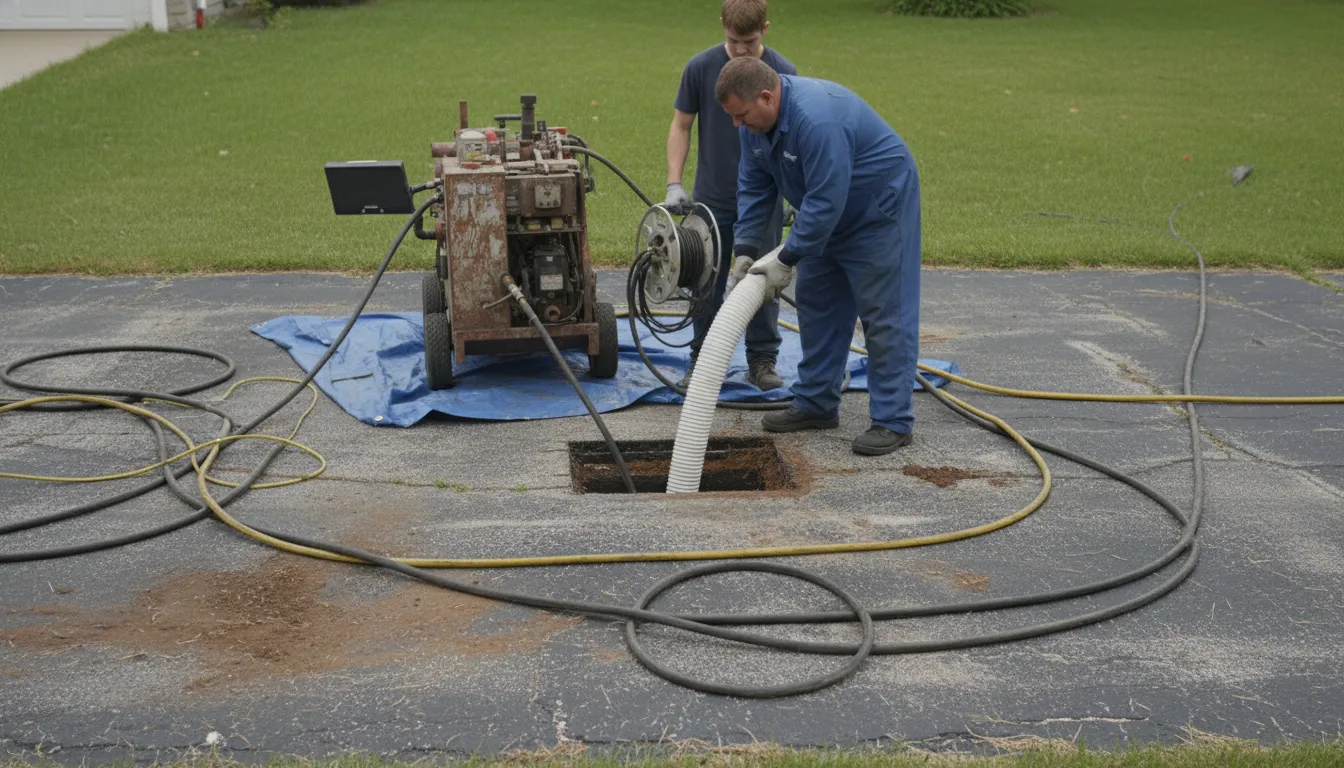
A failing sewer line is a major headache for any homeowner, but the thought of a massive, disruptive excavation across your yard can make the problem feel even worse. Trenchless sewer repair offers a modern, minimally invasive solution to fix damaged underground pipes without the need for extensive digging. This advanced method is crucial for preserving your property's landscaping, driveway, and hardscape while providing a durable, long-term fix. For Bolingbrook residents dealing with cracked clay pipes, root intrusion, or corrosion, this guide will help you understand the process, benefits, and how to connect with qualified local specialists who can assess your situation.
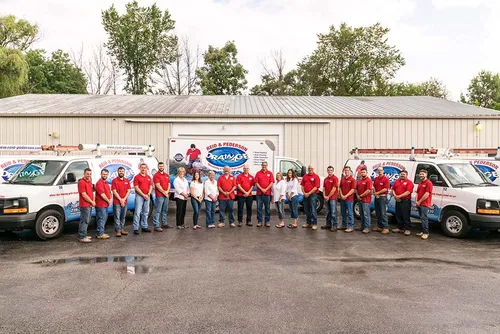
Reid & Pederson Drainage
1762 S Dixie Hwy #1, Crete, IL 60417
Reid & Pederson Drainage is a sewer and drain cleaning specialist serving Chicago, IL, and the surrounding South Suburbs and Northwest Indiana. With over 40 years of experience, they offer services including drain cleaning, sewer line repair, and trenchless sewer repair. The company is known for using the latest technology and providing 24/7 emergency service. Founded in 1984, they also operate Trenchless Innovations, a leader in trenchless pipe repair solutions that minimize disruption during sewer repairs.
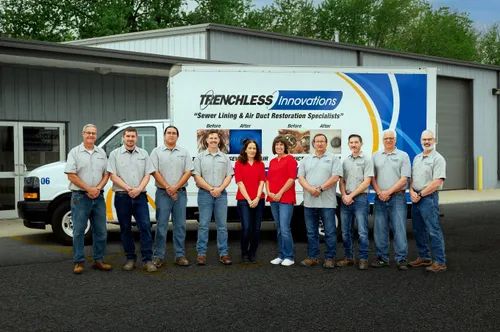
Trenchless Innovations
1762 S Dixie Hwy #2, Crete, IL 60417
Trenchless Innovations is a sewer line repair and trenchless sewer repair contractor serving Chicago, IL. They specialize in repairing sewer lines and underground air ducts without digging, using trenchless technology that provides durable solutions designed to last for decades. Established in 2002, the company focuses on advanced, minimally invasive methods to maintain home health and foundation security.
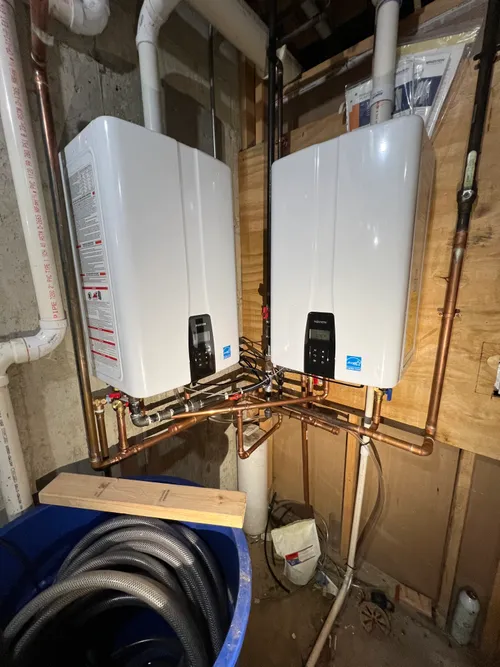
The All Pipes INC.
255 Holly Ln, Elk Grove Village, IL 60007
The All Pipes INC. is a licensed and insured plumbing company serving Chicago, IL. They provide a wide range of plumbing services including water heater repair and installation, trenchless sewer repair, sump pump installation, leak detection, and hydro jetting for drain cleaning. The company offers both residential and commercial plumbing solutions and specializes in tankless water heater installations to help reduce energy costs. Founded by Grigor Ganchev, who has built his career in plumbing over many years, The All Pipes INC. emphasizes integrity and clear communication with clients to maintain lasting relationships.
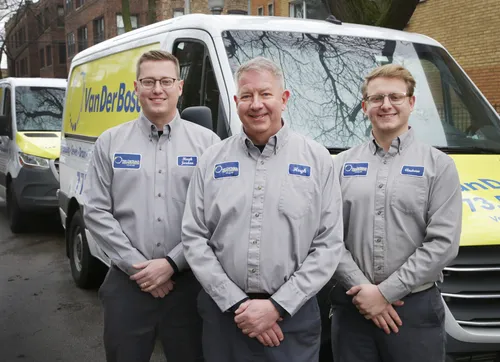
VanDerBosch Plumbing Inc.
6928 N Greenview Ave, Chicago, IL 60626
VanDerBosch Plumbing Inc. is a plumbing company serving Chicago, IL, with over 30 years of experience in residential and light commercial plumbing. They offer a wide range of services including sewer camera inspections, water heater repair and installation, water softener installation, sump pump repair, drain cleaning, trenchless sewer repair, leak detection, and toilet repair. The company provides 24/7 live answer and after-hours service, ensuring help is available whenever needed. They also specialize in trenchless pipe repair and sewer video inspection, using the latest technology to address plumbing issues efficiently.
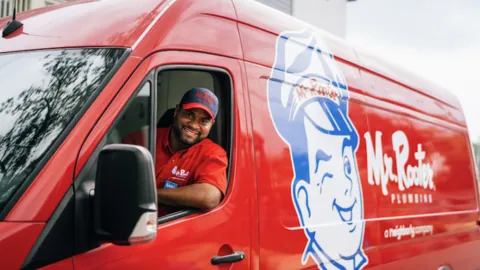
Mr. Rooter Plumbing of Lincoln Park
Chicago, IL
Mr. Rooter Plumbing of Lincoln Park provides residential and commercial plumbing services in Chicago, IL. They offer a wide range of solutions including drain cleaning, sewer line repair, water heater repair, leak detection, and trenchless sewer repair. The company uses advanced technology such as high-flexibility video cameras and the HydroScrub® jetting system to diagnose and resolve plumbing issues efficiently. Backed by over 50 years of experience from its national affiliation, Mr. Rooter Plumbing delivers services with proven techniques and specialized equipment. They also provide emergency plumbing services to address urgent needs promptly.
What is Trenchless Sewer Repair?
Trenchless sewer repair, often called "no-dig" sewer repair, is a collection of advanced techniques used to rehabilitate or replace damaged underground sewer lines with minimal excavation. Instead of digging a long, deep trench to access the entire pipe, technicians use small access points-typically at the beginning and end of the damaged section-to insert specialized equipment that fixes the pipe from the inside out. The two primary methods are Cured-In-Place Pipe (CIPP) lining and pipe bursting. This approach is designed to address common issues in Bolingbrook's aging infrastructure, such as cracks, joint failures, and root invasions, without destroying your lawn, garden, or driveway.
Common Sewer Problems in Bolingbrook Homes
Understanding what can go wrong with your sewer lateral (the pipe running from your home to the city main) is the first step. Many neighborhoods in Bolingbrook and the wider Chicagoland area have older housing stock with original sewer lines made of clay tile or cast iron. These materials are susceptible to specific failures:
- Root Intrusion: Tree roots seek moisture and nutrients, and small cracks or loose joints in sewer pipes are an ideal entry point. Once inside, roots can grow rapidly, causing complete blockages and significant structural damage.
- Cracks and Breaks: Ground shifting from freeze-thaw cycles, soil settlement, or pressure from above can crack brittle clay pipes or cause joints to separate.
- Corrosion and Deterioration: Over decades, cast iron pipes can corrode from the inside, leading to reduced flow, leaks, and eventual collapse.
- Bellied or Sagging Pipes: A section of pipe can sink due to unstable soil, creating a low spot where waste and debris collect, leading to chronic clogs.
- Offset Joints: Sections of pipe can shift out of alignment, creating a ledge that catches solids and causes blockages.
A professional diagnosis via a video camera inspection is essential to pinpoint the exact issue, its location, and its severity before any repair method is chosen.
Trenchless Repair Methods Explained
Not all sewer problems are solved the same way. Professional sewer and drain specialists will recommend the best trenchless technique based on the camera inspection results.
Cured-In-Place Pipe (CIPP) Lining
CIPP lining is often the go-to method for rehabilitating pipes that are structurally compromised but haven't fully collapsed. It's ideal for fixing cracks, holes, root damage, and corrosion.
- The Process: A flexible, resin-saturated felt tube (liner) is inserted into the damaged pipe through an existing cleanout or a small access hole. Using air or water pressure, the liner is inflated so it presses tightly against the host pipe's interior walls. The resin is then cured using steam or UV light, hardening it into a smooth, jointless "pipe-within-a-pipe." This new epoxy liner is highly resistant to roots and corrosion and can restore flow capacity 1.
- Best For: Pipes with internal damage but that are still largely intact. It can navigate multiple bends and is excellent for sealing off root intrusions and stopping leaks.
Pipe Bursting
Pipe bursting is a trenchless replacement method used when the old pipe is too damaged to line, such as in cases of complete collapse, severe misalignment, or multiple bellies.
- The Process: A conical bursting head is pulled through the old, damaged pipe. This head fractures the old pipe outward into the surrounding soil while simultaneously pulling a new, seamless high-density polyethylene (HDPE) pipe into place behind it. The new pipe is typically one size larger than the old, improving flow capacity.
- Best For: Totally failed pipes, those with significant deformation, or when upsizing the pipe diameter is desired. It requires slightly larger access pits than CIPP but is still far less invasive than traditional excavation.
When is Traditional Excavation Still Necessary?
While trenchless technology is versatile, there are scenarios where open-cut excavation is the only viable option. This includes situations where the pipe has multiple severe collapses over a long distance, is located under a building foundation with no access points, or is in an area with numerous other underground utilities that complicate trenchless tool placement. A reputable professional will always be honest about when a no-dig solution isn't suitable for your specific situation 2.
The Step-by-Step Trenchless Repair Process
Knowing what to expect can make the repair process less stressful. A professional trenchless sewer project typically follows these stages:
- Video Camera Inspection: A specialized sewer camera is snaked through the line to provide a real-time video diagnosis. This confirms the problem, its exact location, and the pipe's condition, which is crucial for choosing the right repair method 3.
- Hydro Jetting & Cleaning: Before any repair, the pipe must be meticulously cleaned. High-pressure water jetting scours the interior, removing debris, roots, grease, and scale to ensure a perfect bond for a liner or a clear path for pipe bursting 4.
- Access Point Preparation: Small, strategic access pits are excavated at the start and end points of the repair section. These are much smaller than a full trench, often just a few feet square.
- Liner or Bursting Equipment Installation: For CIPP, the saturated liner is fed into the pipe and cured. For pipe bursting, the bursting head and new HDPE pipe are set up in the launch pit.
- Curing or Pulling: The liner is cured, or the bursting head is pulled through, completing the installation of the new pipe section.
- Reconnection and Final Inspection: The new section is connected to the existing house and city lines. A final camera inspection is conducted to ensure quality and proper installation 5.
- Restoration: The small access pits are backfilled and compacted. Surface restoration is minimal-often just some sod or seed-compared to the massive landscaping repair required after traditional digging.
Find the perfect trenchless sewer repair companies for your needs
Get personalized recommendations and expert advice
Benefits of Choosing Trenchless Repair in Bolingbrook
The advantages of no-dig sewer repair extend far beyond just avoiding a torn-up yard.
- Minimal Property Disruption: Your lawn, driveway, sidewalks, and gardens remain largely intact. This preserves your property's curb appeal and saves you thousands in landscaping restoration costs 6 7.
- Speed and Efficiency: Most trenchless repairs are completed in a single day, often within 3 to 7 hours, compared to a week or more for traditional excavation 8 9.
- Longevity and Durability: Both CIPP epoxy liners and HDPE pipes are highly resistant to root intrusion, corrosion, and chemical wear. A trenchless repair can extend the life of your sewer line by 50 years or more 10.
- Improved Pipe Performance: The new, smooth interior of a CIPP liner or HDPE pipe often improves water flow compared to the old, rough-walled pipe, reducing the chance of future clogs.
- Cost-Effectiveness: While the upfront material cost for trenchless can be higher, you save significantly on labor, restoration, and indirect costs (like replacing a destroyed patio or sprinkler system). The long-term value is excellent 11.
Understanding Costs and Permits
The cost of trenchless sewer repair in Bolingbrook is not a flat fee; it depends on several variables specific to your property.
-
Key Cost Factors:
- Length and Depth of Repair: Longer or deeper lines require more material and labor.
- Pipe Diameter: Larger pipes need more liner material.
- Method Used: Pipe bursting can be more expensive than CIPP lining due to equipment and material costs.
- Complexity: The presence of multiple bends, connections, or difficult access can increase the price.
- Extent of Damage: Severe collapses or multiple problem areas add to the job's complexity.
-
General Price Ranges: Based on regional data, homeowners can expect costs to fall within these brackets 12 13:
- Short, Simple Repair: $2,000 - $5,000
- Moderate Repair (e.g., under a sidewalk, root damage): $5,000 - $8,000
- Complex or Long Run Replacement: $8,000 - $15,000+ (with very long or deep runs potentially reaching $50,000)
-
Permits and Inspections: Reputable local plumbing companies will handle all necessary permits with the Village of Bolingbrook. Sewer work typically requires a permit to ensure it meets municipal codes and is properly inspected both before and after the repair to protect public health and safety 14 15. Always choose a licensed and insured professional who manages this process for you.
Frequently asked questions
Sources
Footnotes
-
Trenchless Sewer Repair in Chicagoland - https://www.4abc.com/il/sewer-and-drain/trenchless-sewer-repair/ ↩
-
Trenchless Sewer Repair vs. Traditional Excavation - https://alphaenvironmental.net/blog/trenchless-sewer-repair-vs-traditional-excavation-which-is-better/ ↩
-
Trenchless Sewer Repair in Chicago | No Digging Needed - https://www.trenchlessinnovations.com/sewer-line-repair-methods/ ↩
-
How Does Trenchless Sewer Repair Work? - Clog Busters - https://clogbustersllc.com/how-does-trenchless-sewer-repair-work/ ↩
-
From Start to Finish: Understanding Trenchless Sewer Line ... - https://jollyplumbing.com/how-does-trenchless-sewer-line-replacement-work/ ↩
-
Trenchless Sewer Repair vs Traditional Method - CPI Service - https://cpiservice.com/blog/trenchless-pipe-repair-vs-traditional-method/ ↩
-
The Benefits of Trenchless Sewer Repair for Modern Homeowners - https://cappsplumbing.com/the-benefits-of-trenchless-sewer-repair-for-modern-homeowners/ ↩
-
Trenchless Sewer Repair vs. Traditional Excavation - AQUALIS - https://aqualisco.com/trenchless-sewer-repair-vs-traditional/ ↩
-
Step-by-Step: What to Expect During a Trenchless Sewer Project - https://trenchfree.com/step-by-step-what-to-expect-during-a-trenchless-sewer-project/ ↩
-
5 Reasons Why You Should Get a Trenchless Sewer Pipe Replacement Done - https://nwsewer.com/5-reasons-why-you-should-get-a-trenchless-sewer-pipe-replacement-done/ ↩
-
What Are The Pros and Cons of Trenchless Sewer Repair? - https://www.southernairnow.com/blog/what-are-the-pros-and-cons-of-trenchless-sewer-repair/ ↩
-
Empower Your Decision: Decoding Trenchless Sewer Repair Costs - https://pipelinerpros.com/trenchless-sewer-repair-cost/ ↩
-
How Much Does Trenchless Sewer Line Repair Cost? - https://alphaenvironmental.net/blog/how-much-does-trenchless-sewer-repair-cost/ ↩
-
Trenchless Sewer Replacement in Champaign - https://www.mattexservice.com/drain-sewer/trenchless-sewer-replacement/ ↩
-
How Much Does It Cost To Replace A Sewer Line? - https://www.universehomeservices.com/blog/cost-to-replace-sewer-line/ ↩