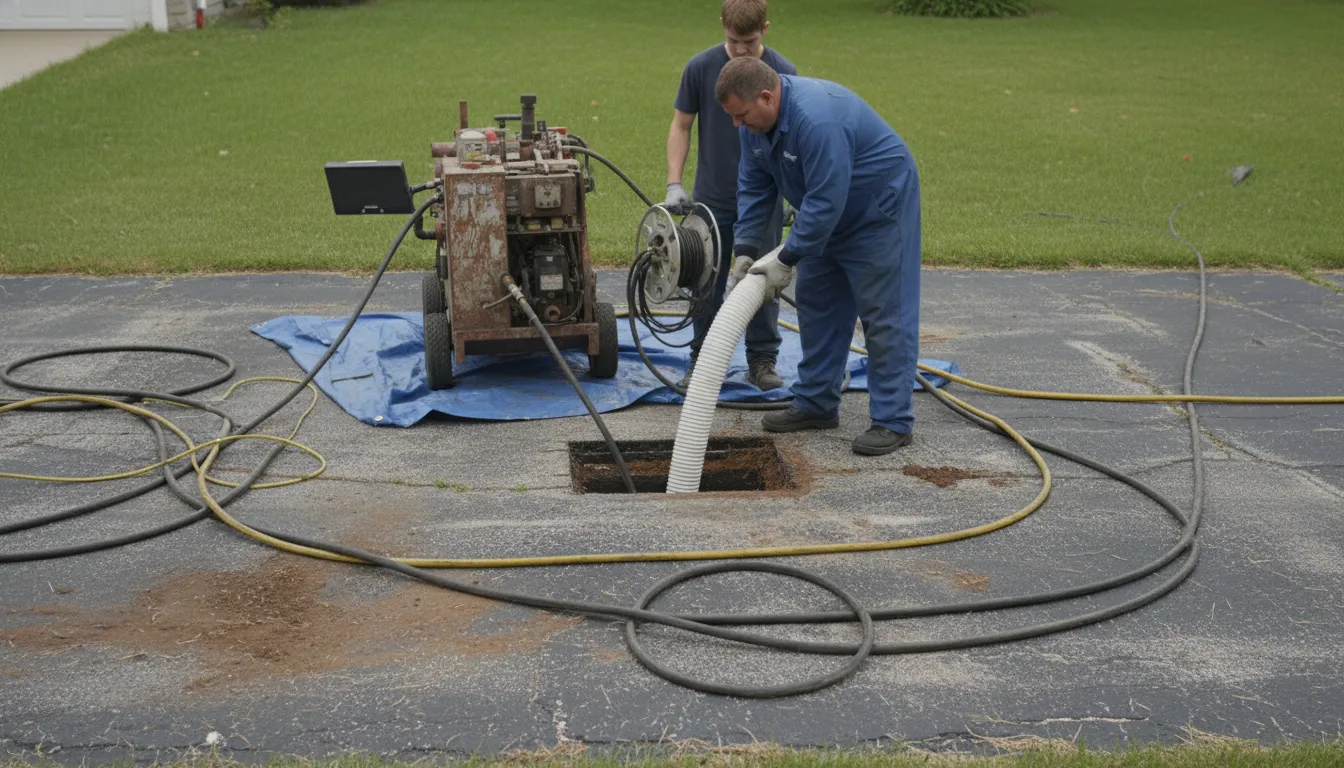
Find the Best Trenchless Sewer Repair Companies for Your Business
No obligation • Fast responses • Nationwide coverage

Why you can trust Search a Plumber
Search a Plumber is a leading United States resource for finding and evaluating professional plumbing services. Our team researches licensing, experience, and customer feedback to create unbiased, fact-driven overviews. Companies cannot pay to change ratings or placement, ensuring homeowners get trustworthy information.
Search providers near you
Top Trenchless Sewer Repair Companies in Stonecrest, Georgia Ranked
A damaged sewer line is a serious problem that can disrupt your home and threaten your property. Trenchless sewer repair offers a modern solution, fixing pipes with minimal digging to preserve your yard, driveway, and landscaping. This guide explains how trenchless pipe lining and replacement works in Stonecrest, helping you understand the process, costs, and how to find qualified local specialists for your project.
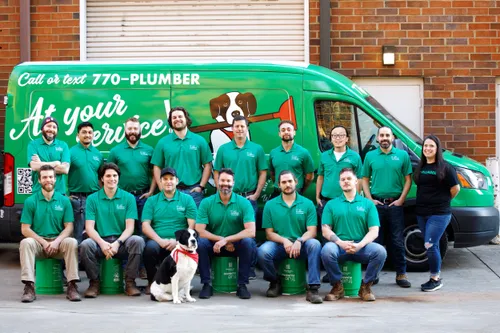
True Plumbing
2650 Pleasantdale Rd, Doraville, GA 30340
True Plumbing is a plumbing service provider based in Atlanta, GA, offering a wide range of services including sewer camera inspections, water heater repair and installation, drain cleaning, sewer line repair, trenchless sewer repair, leak detection, repiping, gas line installation, and toilet repair. They use advanced tools for leak detection and provide trenchless methods for sewer repairs, helping maintain efficient plumbing systems. Established in 2014, True Plumbing focuses on building lasting customer relationships by educating clients and ensuring peace of mind with their work.
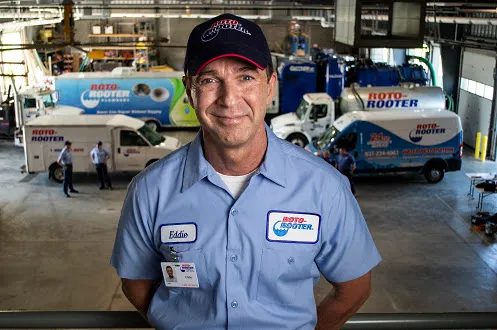
Roto-Rooter Plumbing & Water Cleanup
3606 McCall Pl, Doraville, GA 30340
Roto-Rooter Plumbing & Water Cleanup provides a wide range of plumbing services in Atlanta, GA, including sewer camera inspections, water heater repairs and installations, drain cleaning, hydro jetting, sewer line repair, trenchless sewer repair, leak detection, and water softener installation. They offer 24/7 emergency plumbing services with same-day response to address urgent plumbing issues. Their capabilities include video camera inspections for sewer lines and the use of trenchless repair methods to minimize disruption during sewer line repairs. Serving the Atlanta area, Roto-Rooter also installs and services various water softener and filtration systems to improve water quality. The company is fully licensed and insured, offering continuous availability throughout the year.
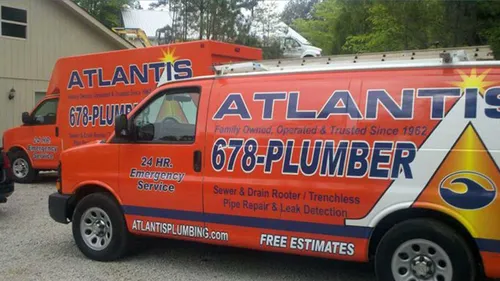
Atlantis Plumbing
691 John Wesley Dobbs Ave NE UNIT W, Atlanta, GA 30312
Atlantis Plumbing is a family-owned plumbing company serving Atlanta, GA, and surrounding areas for over 60 years. They provide a wide range of plumbing services including water heater repair and installation, drain cleaning, sewer line repair, trenchless sewer repair, leak detection, repiping, toilet repair, and garbage disposal repair. Atlantis Plumbing specializes in trenchless sewer repair, which offers a less invasive alternative to traditional sewer line replacement. The company operates 24/7, handling both residential and commercial plumbing needs with licensed and experienced plumbers.
Plumb Works Inc.
3116 Chestnut Dr #101, Atlanta, GA 30340
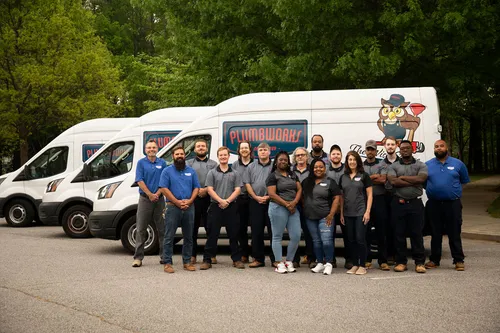
Plumb Works Inc. is a plumbing company serving the Atlanta, GA area since 1989. They provide a wide range of residential, commercial, and underground plumbing services including sewer camera inspections, water heater repair and installation, sump pump repair, drain cleaning, hydro jetting, sewer line repair, trenchless sewer repair, leak detection, repiping, gas line installation, toilet repair, and garbage disposal repair. The company offers specialized sewer line camera inspections to identify underground pipe issues and provides detailed reports with repair recommendations. Plumb Works also offers emergency plumbing services to address urgent plumbing problems promptly.
Roto-Rooter Plumbing & Water Cleanup
333 Sandy Springs Cir #224, Sandy Springs, GA 30328
Roto-Rooter Plumbing & Water Cleanup provides plumbing services in Atlanta, GA, specializing in emergency plumbing, drain cleaning, water heater repair and installation, and sewer line repair. They offer 24/7 emergency service to address urgent plumbing issues promptly. Their capabilities include hydro jetting and video camera inspections to diagnose and clear sewer and drain problems effectively. The company serves Sandy Springs and nearby areas including Vinings and Dunwoody. They also install and service various water softeners and filtration systems to improve water quality. Roto-Rooter is fully licensed and insured, offering comprehensive plumbing solutions with minimal disruption through trenchless sewer repair methods.
Understanding Trenchless Sewer Line Solutions
Trenchless technology represents a significant advancement over traditional "dig-and-replace" methods. Instead of excavating a long, deep trench across your property, trenchless sewer repair uses specialized techniques to rehabilitate or replace the existing pipe from the inside out. This approach is ideal for addressing common issues like minor cracks, leaks, root intrusion, corrosion, and leaking joints. The primary goal is to restore full function to your sewer system while causing the least possible disruption to your outdoor space-a key consideration for homeowners in Stonecrest who value their landscaping and hardscaping.
The two most common trenchless methods are Cured-In-Place Pipe (CIPP) lining and pipe bursting. CIPP lining involves inserting a flexible, resin-saturated tube into the damaged pipe and inflating it. The resin then cures in place, forming a durable, seamless "pipe within a pipe." Pipe bursting is used for full replacements; a bursting head is pulled through the old pipe, fracturing it outward while simultaneously pulling in a new, high-density polyethylene (HDPE) pipe behind it. Both methods typically require only one or two small access holes, often at existing cleanouts, making them far less invasive.
When is Trenchless Repair the Right Choice?
Trenchless sewer rehabilitation is an excellent option for many scenarios, but it's not a universal fix. Understanding its ideal applications will help you determine if it's suitable for your situation.
Ideal Candidates for Trenchless Repair:
- Preserving Landscaping and Hardscapes: If your sewer line runs under a garden, patio, driveway, or mature trees, trenchless methods are designed to avoid destroying these features.
- Specific Types of Damage: The technology is highly effective for repairing cracks, holes, joint failures, and damage caused by root infiltration or corrosion 1.
- Intact, Navigable Pipes: The existing pipe must be largely intact and able to guide the liner or bursting equipment. Severe offsets or collapses can obstruct the process.
- Access Availability: The procedure requires access points, typically at existing cleanouts. If these aren't present, small strategic excavation may be needed to create them.
When Traditional Excavation May Be Necessary: There are times when the traditional dig-and-replace method is unavoidable. Excavation is generally required for severely collapsed pipes, sections with major misalignment, or when the existing pipe is in such poor condition it cannot guide trenchless equipment 2 3. While more disruptive and often involving higher restoration costs, it is sometimes the only viable solution for complete pipe failure.
The Trenchless Repair Process: Step-by-Step
Knowing what to expect can make the repair process less stressful. A professional trenchless project in Stonecrest follows a clear, structured workflow.
- Inspection & Diagnosis: Every quality repair begins with a thorough video camera inspection. A specialized camera is sent through the sewer line to pinpoint the exact location, nature, and extent of the damage. This critical step determines if trenchless repair is feasible and which method is best.
- Access & Preparation: Technicians locate or create small access points to the sewer line, usually at cleanouts. The old pipe is then meticulously cleaned using high-pressure water jetting to remove debris, roots, and scale, ensuring a proper surface for the new liner or pipe.
- The Repair (Lining or Bursting):
- For CIPP Lining: A flexible liner saturated with epoxy resin is inverted or pulled into the old pipe. It is then inflated with air or water pressure, pressing it against the host pipe's walls. The resin is cured using steam or UV light, hardening into a strong, jointless new pipe.
- For Pipe Bursting: A conical bursting head is attached to a new HDPE pipe. The head is pulled through the old pipe, breaking it apart while the new pipe is drawn in behind it, effectively replacing the old line.
- Curing & Installation: For CIPP, the curing process is monitored to ensure a perfect, durable finish. For bursting, the new pipe is secured at the connection points.
- Final Testing & Cleanup: A post-repair camera inspection is conducted to verify the repair's integrity and smooth flow 4 5. The small access holes are backfilled, and the work area is restored, leaving your property nearly as it was before work began.
Permits, Inspections, and Local Regulations in Stonecrest
Sewer line repairs are regulated for safety and environmental protection. In Stonecrest, your property may fall under the jurisdiction of DeKalb County, Rockdale County, or the City of Stonecrest itself. A reputable plumbing professional will handle this, but it's good to be informed.
Permits: A permit is almost always required for any sewer line modification or repair. Your contractor will typically pull this permit, which involves submitting details about the planned work. Inspections: The permitting process usually mandates inspections. An initial inspection may be needed if new access points are created. A final inspection, which often includes a review of the camera footage from the completed repair, is required to close the permit and ensure the work meets all local codes.
Find the perfect trenchless sewer repair companies for your needs
Get personalized recommendations and expert advice
Evaluating Trenchless Sewer Repair Costs
Cost is a major factor for any homeowner. Trenchless sewer repair costs in Stonecrest are influenced by the method used, the length and diameter of the pipe, the severity of the damage, and local labor rates.
Cost Ranges: Trenchless repair is typically priced per linear foot. For CIPP lining or pipe bursting, you can expect a range of $50 to $250 or more per foot 6 7. A shorter run of 30-50 feet might total between $2,000 and $5,000, while a full 100-200 foot replacement could range from $5,000 to $8,000 or higher 8.
Cost Comparison: Traditional vs. Trenchless While the upfront per-foot cost of traditional excavation can sometimes appear lower, it's crucial to consider the total project cost. Digging a trench requires extensive restoration-repaving driveways, repairing sidewalks, and replanting landscaping. These restoration costs can add thousands, bringing the total for a major excavation project into the $12,000 to $25,000+ range 9 10 11. Trenchless repair avoids almost all of these ancillary costs, making it a frequently more cost-effective solution over the full project lifecycle.
Value Beyond Price: The value of trenchless technology extends beyond the invoice. The process is significantly faster, often completed in a single day versus the days or weeks an excavation might take. The minimized disruption means you can use your yard normally much sooner and avoid the headache and expense of major landscape restoration.
Choosing a Specialist in Stonecrest
Selecting the right professional is the most important step in ensuring a successful, long-lasting sewer repair. Look for a licensed plumbing contractor with specific, proven experience in trenchless technology. They should be willing to provide a detailed, written estimate that breaks down all costs, including permits and inspections. Always ask for proof of insurance and check for local references or reviews. A trustworthy specialist will start with a comprehensive camera inspection and clearly explain their findings, the recommended solution, and why it's the best choice for your specific situation.
Frequently asked questions
Sources
Footnotes
-
What Are The Pros and Cons of Trenchless Sewer Repair? | Southern Air - https://www.southernairnow.com/blog/what-are-the-pros-and-cons-of-trenchless-sewer-repair/ ↩
-
Trenchless Sewer Line Repair vs. Sewer Line Excavation - https://dandfplumbing.com/sewer-line-repair-vs-sewer-line-excavation/ ↩
-
Trenchless Sewer Repair vs. Traditional Excavation - AQUALIS - https://aqualisco.com/trenchless-sewer-repair-vs-traditional/ ↩
-
Step-by-Step: What to Expect During a Trenchless Sewer Project - https://trenchfree.com/step-by-step-what-to-expect-during-a-trenchless-sewer-project/ ↩
-
From Start to Finish: Understanding Trenchless Sewer Line ... - https://jollyplumbing.com/how-does-trenchless-sewer-line-replacement-work/ ↩
-
Empower Your Decision: Decoding Trenchless Sewer Repair Costs - https://pipelinerpros.com/trenchless-sewer-repair-cost/ ↩
-
Your Guide to Calculating Trenchless Sewer Repair Costs - https://sekisui-spr.com/blog/2021/05/17/trenchless-sewer-repair-costs/ ↩
-
How Much Does Trenchless Sewer Line Repair Cost? - https://alphaenvironmental.net/blog/how-much-does-trenchless-sewer-repair-cost/ ↩
-
Trenchless Sewer Repair: Lower Cost, Lower Impact Sewer ... - https://www.sewerflowllc.com/2025/03/06/trenchless-sewer-repair-lower-cost-lower-impact-sewer-repair/ ↩
-
Trenchless vs. Traditional Sewer Repair - https://sewerlinesonly.com/trenchless-vs-traditional-sewer-repair-which-is-more-cost-effective-for-lakewood-homeowners/ ↩
-
Trenchless Sewer Repair vs Traditional Method - CPI Service - https://cpiservice.com/blog/trenchless-pipe-repair-vs-traditional-method/ ↩