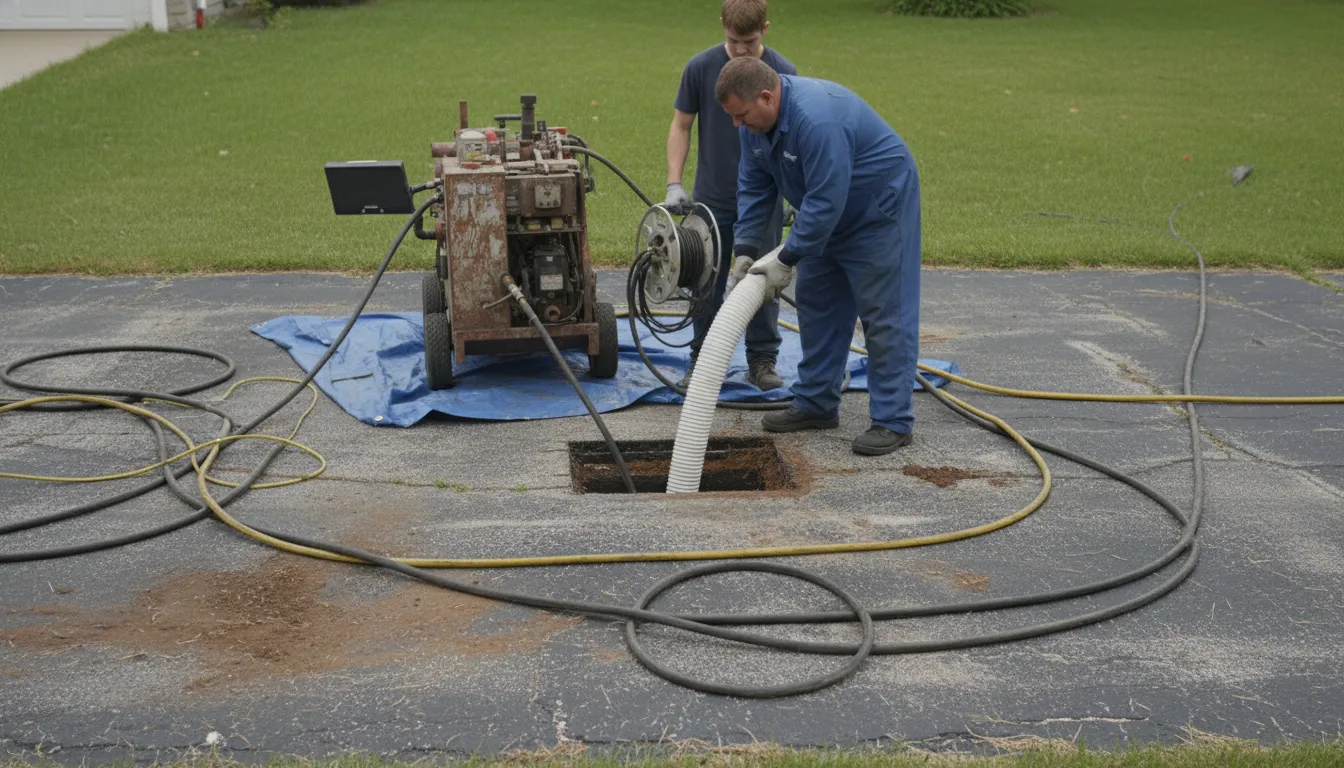
Find the Best Trenchless Sewer Repair Companies for Your Business
No obligation • Fast responses • Nationwide coverage

Why you can trust Search a Plumber
Search a Plumber is a leading United States resource for finding and evaluating professional plumbing services. Our team researches licensing, experience, and customer feedback to create unbiased, fact-driven overviews. Companies cannot pay to change ratings or placement, ensuring homeowners get trustworthy information.
Search providers near you
Best Trenchless Sewer Repair Companies in Georgia Ranked
A damaged sewer line is a serious problem that can disrupt your home and damage your property. Fortunately, modern trenchless sewer repair offers a less invasive, faster, and often more cost-effective solution than the traditional method of digging up your yard. This guide explains how trenchless technology works in Georgia, outlines the regulatory landscape, and provides the information you need to find a qualified professional for your repair project.
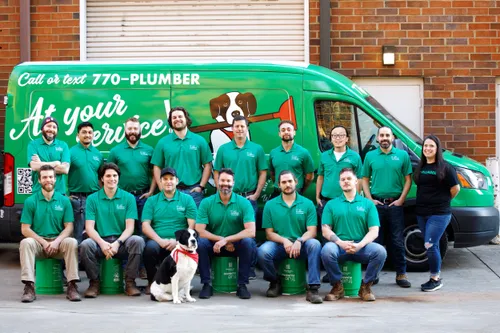
True Plumbing
2650 Pleasantdale Rd, Doraville, GA 30340
True Plumbing is a plumbing service provider based in Atlanta, GA, offering a wide range of services including sewer camera inspections, water heater repair and installation, drain cleaning, sewer line repair, trenchless sewer repair, leak detection, repiping, gas line installation, and toilet repair. They use advanced tools for leak detection and provide trenchless methods for sewer repairs, helping maintain efficient plumbing systems. Established in 2014, True Plumbing focuses on building lasting customer relationships by educating clients and ensuring peace of mind with their work.
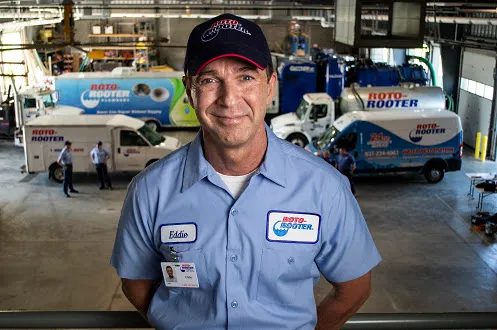
Roto-Rooter Plumbing & Water Cleanup
3606 McCall Pl, Doraville, GA 30340
Roto-Rooter Plumbing & Water Cleanup provides a wide range of plumbing services in Atlanta, GA, including sewer camera inspections, water heater repairs and installations, drain cleaning, hydro jetting, sewer line repair, trenchless sewer repair, leak detection, and water softener installation. They offer 24/7 emergency plumbing services with same-day response to address urgent plumbing issues. Their capabilities include video camera inspections for sewer lines and the use of trenchless repair methods to minimize disruption during sewer line repairs. Serving the Atlanta area, Roto-Rooter also installs and services various water softener and filtration systems to improve water quality. The company is fully licensed and insured, offering continuous availability throughout the year.
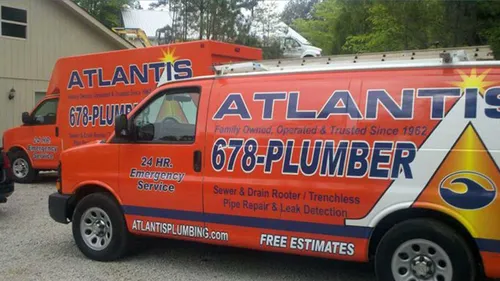
Atlantis Plumbing
691 John Wesley Dobbs Ave NE UNIT W, Atlanta, GA 30312
Atlantis Plumbing is a family-owned plumbing company serving Atlanta, GA, and surrounding areas for over 60 years. They provide a wide range of plumbing services including water heater repair and installation, drain cleaning, sewer line repair, trenchless sewer repair, leak detection, repiping, toilet repair, and garbage disposal repair. Atlantis Plumbing specializes in trenchless sewer repair, which offers a less invasive alternative to traditional sewer line replacement. The company operates 24/7, handling both residential and commercial plumbing needs with licensed and experienced plumbers.
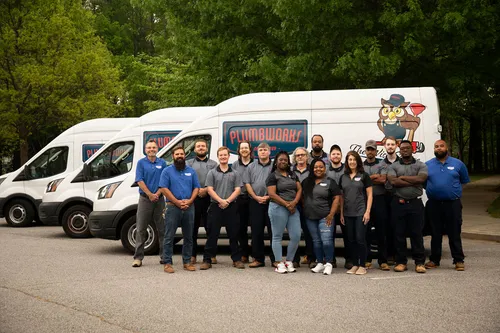
Plumb Works Inc.
3116 Chestnut Dr #101, Atlanta, GA 30340
Plumb Works Inc. is a plumbing company serving the Atlanta, GA area since 1989. They provide a wide range of residential, commercial, and underground plumbing services including sewer camera inspections, water heater repair and installation, sump pump repair, drain cleaning, hydro jetting, sewer line repair, trenchless sewer repair, leak detection, repiping, gas line installation, toilet repair, and garbage disposal repair. The company offers specialized sewer line camera inspections to identify underground pipe issues and provides detailed reports with repair recommendations. Plumb Works also offers emergency plumbing services to address urgent plumbing problems promptly.
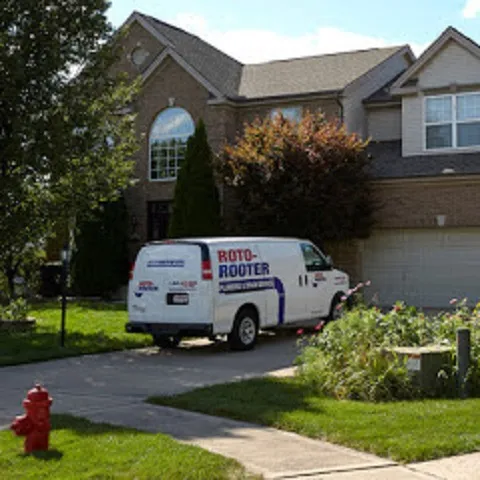
Roto-Rooter Plumbing & Water Cleanup
333 Sandy Springs Cir #224, Sandy Springs, GA 30328
Roto-Rooter Plumbing & Water Cleanup provides plumbing services in Atlanta, GA, specializing in emergency plumbing, drain cleaning, water heater repair and installation, and sewer line repair. They offer 24/7 emergency service to address urgent plumbing issues promptly. Their capabilities include hydro jetting and video camera inspections to diagnose and clear sewer and drain problems effectively. The company serves Sandy Springs and nearby areas including Vinings and Dunwoody. They also install and service various water softeners and filtration systems to improve water quality. Roto-Rooter is fully licensed and insured, offering comprehensive plumbing solutions with minimal disruption through trenchless sewer repair methods.
How Trenchless Sewer Repair Works
Unlike traditional "dig-and-replace" methods that require extensive excavation, trenchless sewer repair techniques fix or replace pipes with minimal disruption to your landscape, driveway, or hardscape. These methods typically require only one or two small access points, such as existing cleanouts or small pits, to complete the repair 1. The two primary trenchless methods used in Georgia are cured-in-place pipe (CIPP) lining and pipe bursting.
Cured-in-Place Pipe (CIPP) Lining
Pipe lining, often referred to as CIPP, is a rehabilitation method ideal for pipes with minor to moderate damage like cracks, small holes, or root intrusion. The process involves saturating a flexible felt tube with a special resin. This liner is then inserted into the damaged pipe through an access point. Once in position, the liner is inflated using air or water pressure, pressing it firmly against the interior walls of the old pipe. The resin is then cured, usually with hot water or steam, hardening to form a new, seamless "pipe within a pipe." This new lining seals all cracks and joints, restores structural integrity, and often improves flow capacity 2 3.
Pipe Bursting
For pipes that are severely collapsed, misaligned, or need a complete upgrade, pipe bursting is the preferred trenchless replacement method 4. This technique involves pulling a conical bursting head through the old, damaged pipe. The head fractures the old pipe outward into the surrounding soil. Simultaneously, it pulls a new, high-density polyethylene (HDPE) pipe into the space left behind. This method allows for the installation of a new pipe that is the same size or even larger than the original, which can significantly improve drainage capacity 5 6.
Benefits of Trenchless Methods for Georgia Homeowners
Choosing a trenchless solution for your sewer line issue in Georgia comes with several distinct advantages:
- Minimal Property Disruption: The most significant benefit is the preservation of your landscaping, trees, sidewalks, and driveways. There's no need for large, destructive trenches.
- Faster Completion: Most trenchless repairs can be completed in one to two days, compared to the week or more often required for traditional excavation and restoration.
- Long-Lasting Results: The materials used, especially the resin-saturated liners and HDPE pipe, are highly resistant to corrosion, root intrusion, and wear, offering a durable solution that can last 50 years or more.
- Often More Cost-Effective: While the upfront material cost for trenchless technology can be higher, the total project cost is frequently lower. You avoid the substantial expenses associated with excavation equipment, extensive labor, and, crucially, the costly restoration of your property.
- Improved Pipe Performance: The new pipe created by lining is jointless, eliminating future leak points. Pipe bursting allows for potential upsizing, which can prevent future clogs and backups.
Understanding Costs for Trenchless Repair in Georgia
The cost of a trenchless sewer repair project in Georgia is not a flat fee; it depends on several key factors. Understanding these can help you evaluate estimates from providers.
Primary Cost Factors:
- Repair Method: CIPP lining and pipe bursting have different material and equipment costs.
- Pipe Length and Diameter: Longer and wider pipes require more material.
- Severity and Type of Damage: Simple cracks are less expensive to line than a fully collapsed pipe requiring bursting.
- Access Difficulty: The ease of reaching the pipe via cleanouts can impact labor time.
- Local Permit Fees: Costs vary by city and county.
Typical Price Ranges: Trenchless sewer repair is generally priced on a per-foot basis, ranging from $55 to $250 per foot in the Georgia market. This translates to:
- A smaller job (e.g., 20-50 feet) may range from $1,100 to $12,500.
- A standard residential repair often falls between $4,000 and $15,000.
- Large, complex, or commercial projects can exceed $20,000 7 8.
Cost Comparison: It's important to view these figures in context. A full traditional excavation to replace a sewer line can easily cost between $12,000 and $25,000+ once you account for the digging, backfilling, and complete restoration of lawns, concrete, and landscaping 9. For many homeowners, the trenchless option provides a superior, longer-lasting solution at a comparable or lower total cost.
Find the perfect trenchless sewer repair companies for your needs
Get personalized recommendations and expert advice
Regulations and Permits for Sewer Work in Georgia
Sewer lateral repair in Georgia is governed by a combination of federal, state, and-most importantly-local regulations. As the property owner, you are typically responsible for the maintenance and repair of the sewer lateral from your home to the connection point at the public main in the street or right-of-way.
Local Jurisdiction is Key: The primary oversight for residential and commercial sewer work comes from your local county or city government. Examples include Gwinnett County, DeKalb County, and the City of Atlanta, each with its own specific codes and requirements 10 11.
Permits and Inspections Are Mandatory: A plumbing permit is almost always required for sewer line repair or replacement. Reputable contractors will handle this process. The work must comply with local construction standards, which often reference specific ASTM standards (like ASTM F1216 for CIPP) 12 13. Upon completion, a final inspection-usually involving a camera scan of the new line-is required by the local authority before the permit can be closed.
Important Construction Standards: Local codes detail critical installation rules. A key standard is the required separation distance between sewer and water lines to prevent contamination. The Georgia Environmental Protection Division (EPD) recommends a minimum 10-foot horizontal separation 14. Codes also specify proper trenching procedures (for any necessary excavation), pipe slope (grade), and approved materials for new pipes 15.
Federal and State Guidelines: While local entities enforce day-to-day permitting, broader guidelines come from agencies like the Environmental Protection Agency (EPA), which influences material standards, and the Occupational Safety and Health Administration (OSHA), which sets rules for worker safety during installation 16.
Is Trenchless Repair Right for Your Situation?
Trenchless technology is versatile but not a universal fix. It is an excellent solution for most common problems:
- Cracks and fractures due to age or ground movement.
- Joint failures where pipe sections have separated.
- Minor pipe misalignment or sagging.
- Corrosion or deterioration of old clay or cast iron pipes.
- Root intrusion that has damaged but not fully collapsed the pipe.
There are, however, situations where traditional excavation might still be necessary:
- Severe Offsets or Collapses: If a pipe is completely flattened or has a severe vertical displacement, a liner may not be able to pass through, making pipe bursting or excavation the only options.
- Multiple Major Issues: A pipe with several large holes, major collapses, and severe root damage over a long section may be beyond cost-effective rehabilitation.
- Access Limitations: The technology requires at least two access points. If these cannot be created, trenchless may not be feasible.
A professional diagnosis using a sewer camera inspection is the only way to determine the exact condition of your pipe and which repair method is most suitable.
Choosing a Qualified Trenchless Professional in Georgia
Selecting the right contractor is critical for a successful, code-compliant repair. Here's what to look for:
- Proper Licensing and Insurance: Ensure the company holds a valid Georgia State Plumbing Contractor license and carries both general liability and workers' compensation insurance.
- Local Knowledge and Experience: Choose a provider familiar with the specific permit and code requirements of your county or city. Ask for examples of recent projects in your area.
- Technology and Diagnosis: Reputable contractors will always perform a thorough video camera inspection first to diagnose the problem accurately and recommend the correct solution. They should use modern, industry-standard equipment.
- Detailed Written Estimate: The proposal should clearly state the recommended method (CIPP or pipe bursting), the linear feet to be repaired, a breakdown of costs (materials, labor, permit fees), and the project timeline.
- Warranties: Ask about the warranties offered on both materials and labor. A confident contractor will provide a substantial warranty on their work.
- References and Reviews: Check online reviews on independent platforms and ask the company for references from past customers with similar projects.
By taking the time to understand the trenchless process, local regulations, and how to select a qualified pro, you can address your sewer line issues efficiently and protect your Georgia property investment for the long term.
Frequently asked questions
Sources
Footnotes
-
Trenchless Sewer Repair: Lower Cost, Lower Impact Sewer Repair - https://www.sewerflowllc.com/2025/03/06/trenchless-sewer-repair-lower-cost-lower-impact-sewer-repair/ ↩
-
Trenchless Sewer Line Replacement near Atlanta - TE Certified - https://www.tecertifiedelectricians.com/drains-sewer/trenchless-sewer-line-replacement/ ↩
-
Most Trusted Trenchless Repair @Atlanta, GA - https://ngidrainhydrojetting.com/trenchless-repair/ ↩
-
Pipe Bursting: A Solution to Water and Sanitary Sewer Line ... - https://www.kimley-horn.com/news-insights/perspectives/pipe-bursting-quick-easy-solution-sewer-line-replacement/ ↩
-
Trenchless Sewer Line Repair Alpharetta - https://morningsideplumbing.com/blog/trenchless-sewer-line-repair-alpharetta/ ↩
-
#1 Trenchless Sewer Repair @Alpharetta GA | North Georgia Drain ... - https://northgeorgiapipelining.com/service-areas/alpharetta-ga/trenchless-sewer-repair-alpharetta-ga/ ↩
-
Empower Your Decision: Decoding Trenchless Sewer Repair Costs - https://pipelinerpros.com/trenchless-sewer-repair-cost/ ↩
-
Your Guide to Calculating Trenchless Sewer Repair Costs | SEKISUI SPR Americas, LLC - https://sekisui-spr.com/blog/2021/05/17/trenchless-sewer-repair-costs/ ↩
-
Cost of Trenchless Sewer Pipe Repair in Atlanta, GA - https://northgeorgiapipelining.com/services/trenchless-sewer-repair-atlanta-ga/cost/ ↩
-
CIPP Material Is Compliant, but Not All Installation Methods Are - https://pipelt.com/sewer-repair/pipelining-technologies-all-cipp-material-is-compliant-but-not-all-installation-methods-are/ ↩
-
Sewer Lateral - Gwinnett County - https://www.gwinnettcounty.com/departments/water/geteducated/residentresponsibility/sewerlateral ↩
-
section 02500 lining with cured-in-place pipe (cipp) part 1 - https://www.dekalbcountyga.gov/sites/default/files/19-101067%20SECTION%2002500%20rev081519.pdf ↩
-
4 Reasons to Consider Trenchless Technologies - ICC - https://www.iccsafe.org/building-safety-journal/bsj-technical/4-reasons-to-consider-trenchless-technologies/ ↩
-
Guidelines for Sewage Collection Systems - https://epd.georgia.gov/document/document/ga-epd-guidelines-sewage-collection-systems-2010/download ↩
-
SECTION 12.0 SANITARY SEWER SYSTEM CONSTRUCTION - https://www.columbiacountyga.gov/DocumentCenter/View/1171/5-7-1-14-Section-12-Sanitary-Sewer-PDF ↩
-
Regulations - Trenchless Epoxy Pipe Lining Sewer Drain ... - https://www.trenchless-pipelining.com/what-federal-regulators-control-trenchless-pipe-lining-technologies/ ↩