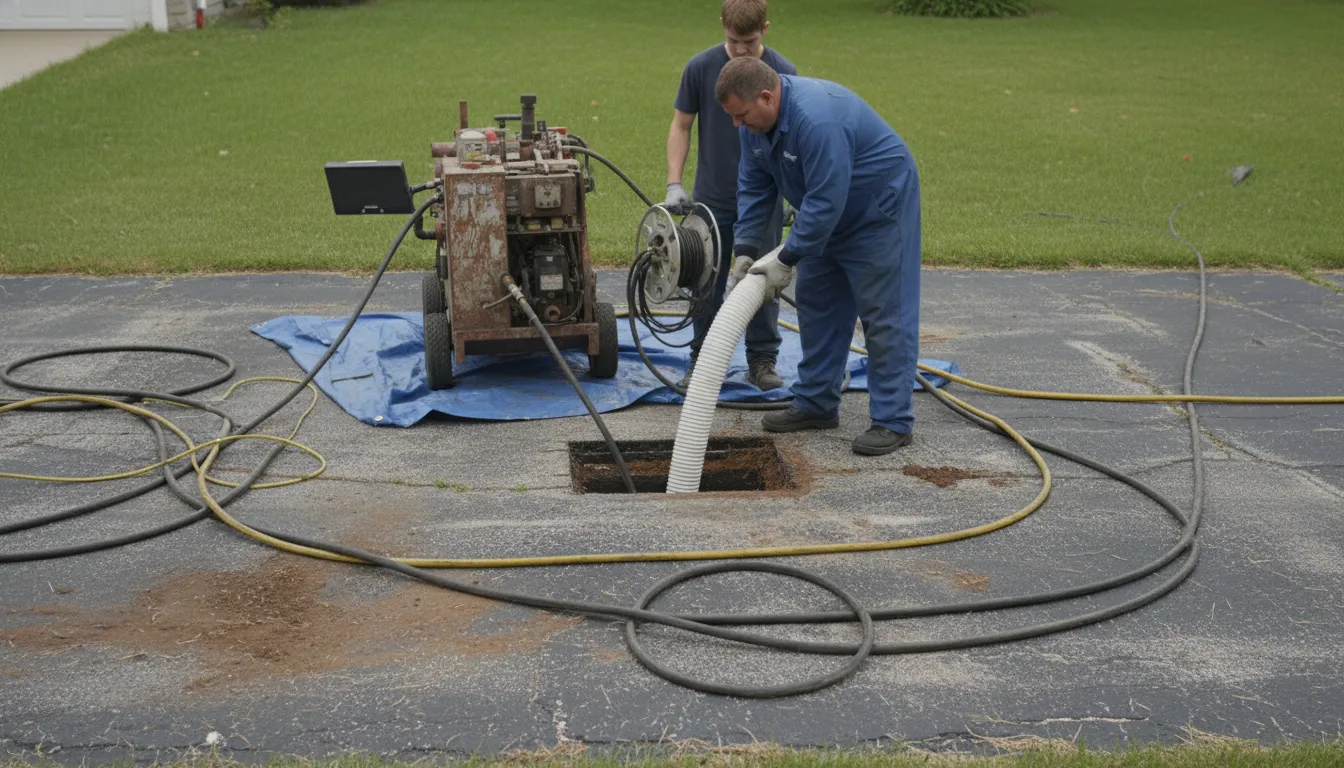
Find the Best Trenchless Sewer Repair Companies for Your Business
No obligation • Fast responses • Nationwide coverage

Why you can trust Search a Plumber
Search a Plumber is a leading United States resource for finding and evaluating professional plumbing services. Our team researches licensing, experience, and customer feedback to create unbiased, fact-driven overviews. Companies cannot pay to change ratings or placement, ensuring homeowners get trustworthy information.
Search providers near you
Top Trenchless Sewer Repair Companies in Littleton, Colorado Ranked
A damaged sewer line is a serious problem for any Littleton homeowner, but the solution doesn't have to be a nightmare of torn-up yards and weeks of disruption. Trenchless sewer repair offers a modern, minimally invasive method to fix cracked, leaking, or root-filled pipes without extensive excavation. This advanced approach matters because it preserves your landscaping, driveway, and peace of mind while delivering a durable, long-lasting fix. If you're facing sewer line issues, understanding your local options for trenchless pipe lining and pipe bursting is the first step toward a cleaner, more efficient resolution.
High 5 Plumbing, Heating, Cooling & Electric
15710 W Colfax Ave, Golden, CO 80401
High 5 Plumbing, Heating, Cooling & Electric is a full-service plumbing company serving Denver, CO. They provide a wide range of plumbing services including water heater installation and repair, drain cleaning, sewer line repair, leak detection, and gas line installation. The company uses advanced video technology for sewer camera inspections and offers trenchless sewer repair to minimize excavation. They also specialize in hydro jetting to clear blocked drains efficiently. High 5 Plumbing is licensed for gas plumbing and installs energy-efficient tankless water heaters. The company has received recognition such as the Angi Super Service Award and a BBB Torch Award for Ethics. They provide 24/7 emergency response for urgent plumbing needs.
Midwest Plumbing Co. LLC
8360 Auburn Ln, Westminster, CO 80031
Midwest Plumbing Co. LLC is a plumbing service provider based in Denver, CO, offering a wide range of plumbing solutions. Their services include water heater repair and installation, sump pump repair, sewer line repair with trenchless technology, leak detection, repiping, gas line installation, toilet and garbage disposal repair, and more. The company uses advanced equipment and techniques to address both simple and complex plumbing issues, aiming to provide long-term solutions. They serve residential customers and emphasize careful, tailored service for each home. Midwest Plumbing Co. LLC offers 24/7 emergency plumbing services to assist customers whenever needed.
High 5 Plumbing, Heating, Cooling & Electric
7899 S Lincoln Ct Ste 201, Littleton, CO 80122
High 5 Plumbing, Heating, Cooling & Electric is a plumbing contractor based in Denver, CO, offering a wide range of plumbing services including sewer camera inspections, water heater repair and installation, drain cleaning, leak detection, and trenchless sewer repair. They also provide water softener installation and garbage disposal repairs. The company is experienced in sewer line replacements using pipe-burst methods to minimize excavation and offers comprehensive plumbing repairs and installations with attention to code compliance and safety. High 5 Plumbing emphasizes clear communication and reliable workmanship to ensure customer confidence in their services.
Sewer Lines Only
1120 Depew Ct, Lakewood, CO 80214
Sewer Lines Only is a specialized sewer line repair and replacement company based in Denver, CO. They focus on sewer line cleaning, trenchless sewer repair, pipe bursting, and spot repairs, serving both residential and commercial clients throughout the Denver metro area. The company emphasizes ethical practices, transparency, and customer education, offering detailed inspections and clear communication to help customers make informed decisions. Sewer Lines Only owns its equipment and employs trained crews to ensure quality workmanship. They provide a 5-year transferable warranty on all work and are fully licensed and insured.
Hyper Flow Service
1130 S Cherokee St, Denver, CO 80223
Hyper Flow Service is a plumbing and sewer company based in Denver, CO, offering a wide range of services including sewer camera inspections, water heater repair and installation, drain cleaning, hydro jetting, sewer line repair, trenchless sewer repair, and repiping. Serving the Denver metro area, they use advanced camera technology to diagnose sewer issues without unnecessary digging and provide hydro jetting to clear blockages with high-pressure water. Founded in 2016, Hyper Flow Service has over 12 years of industry experience and is available 24/7 for emergency plumbing needs.
What is Trenchless Sewer Repair?
Trenchless sewer repair is a category of advanced plumbing techniques that rehabilitate or replace underground sewer pipes with minimal digging. Instead of excavating a long, deep trench along the entire pipe's path, technicians use specialized equipment to access the line through small, strategically placed pits. The two primary methods are Cured-In-Place Pipe (CIPP) lining and pipe bursting. These no-dig solutions are designed to address common issues like cracks, leaks, corrosion, and root intrusion while causing significantly less disruption to your property than traditional methods.
When is Trenchless the Right Choice in Littleton?
Not every sewer problem requires a full excavation. Trenchless methods are highly effective for a range of specific issues common to Littleton homes. Knowing when this approach is suitable can help you make an informed decision with your plumbing professional.
-
Ideal for Trenchless Repair: The trenchless approach is best when the existing pipe's general shape and alignment are intact. This includes pipes with:
- Cracks or fractures
- Persistent leaks or seepage
- Root intrusion that has been cleared
- Internal corrosion or scaling
-
Minor offsets or misalignments
-
When Traditional Excavation is Necessary: There are times when a traditional, open-trench repair is unavoidable. This is typically required for:
- Completely collapsed pipes
- Major pipe breaks or separations
- Severe bellies (sags) in the line that hold water
- Situations with significant soil instability
-
When access points for trenchless equipment are not feasible 1
A professional video camera inspection is the critical first step to diagnose the problem accurately and determine the most appropriate repair strategy.
The Step-by-Step Trenchless Process
Understanding the workflow of a trenchless sewer project can demystify the process and set clear expectations. Here's what typically happens from diagnosis to completion.
- Inspection & Diagnosis: A high-resolution, flexible camera is sent through the sewer line to pinpoint the exact location, nature, and extent of the damage. This video evidence is crucial for planning the repair and is often required for permits.
- Preparation & Access: The existing pipe is thoroughly cleaned using hydro-jetting or mechanical tools. Two small access pits are dug-one at the beginning and one at the end of the damaged section. These are the only excavations needed.
- Pipe Restoration (The Trenchless Method):
- For CIPP Lining: A flexible, resin-saturated felt tube (liner) is inserted into the old pipe through an access pit. It is then inflated with air or water pressure, pressing the resin against the host pipe's interior walls. The resin is cured using steam or UV light, forming a hard, seamless, and jointless "pipe-within-a-pipe" 2.
- For Pipe Bursting: A conical bursting head is pulled through the old, damaged pipe. This head fractures the old pipe outward into the surrounding soil while simultaneously pulling a new, durable pipe (like HDPE) into place behind it. This method slightly expands the diameter of the pipe pathway.
- Curing & Finalization: For CIPP, the cured liner is inspected with a camera to ensure a perfect fit. For both methods, the new line is connected to the existing system at the access points.
- Restoration & Cleanup: The small access pits are backfilled, and the site is restored. Because the disruption was minimal, this final step is quick, often leaving your yard nearly untouched compared to traditional digging 3.
Permits and Inspections in Littleton
Like most municipalities, the City of Littleton requires permits for sewer line repairs to ensure work meets local building and plumbing codes. Your licensed plumbing contractor will typically handle this process. The permit ensures that the city can schedule necessary inspections, which may include a pre-repair camera inspection, checks during the installation, and a final inspection upon completion 4 5. While this adds to the project timeline and cost, it is a mandatory step for compliance and your long-term protection.
Understanding Costs for Trenchless Repair
The cost of trenchless sewer repair in Littleton varies based on the method used, the length and diameter of the pipe, and the extent of the damage. While the upfront material costs for trenchless can be higher, the significant savings on labor and landscape restoration often make it a cost-effective choice overall 6.
- Diagnostic Camera Inspection: $175 - $350
- CIPP Lining: $135 - $150 per linear foot
- Pipe Bursting: $150 - $190 per linear foot (includes the bursting process and new pipe)
- Total Project Range: For shorter runs, a CIPP lining project might range from $1,900 to $6,000. For longer or more complex lines, projects can range from $4,500 to $25,000 or more 7.
- Permit Fees: These are additional and can vary based on the scope of the project and local requirements.
Find the perfect trenchless sewer repair companies for your needs
Get personalized recommendations and expert advice
Key Benefits of Choosing Trenchless Methods
Homeowners in Littleton choose trenchless sewer rehabilitation for compelling reasons that go beyond just fixing a broken pipe.
- Minimal Property Disruption: This is the most significant advantage. Your lawn, gardens, driveway, sidewalks, and hardscaping remain largely intact. There's no need to demolish and later rebuild concrete or asphalt, and no massive trenches scarring your yard 8.
- Faster Completion: A trenchless repair is often completed in one to two days, whereas a full excavation can take a week or more due to digging, repairing, and extensive restoration work.
- Enhanced Durability: The materials used in CIPP lining and pipe bursting are highly resistant to future root intrusion, corrosion, and cracking. The seamless nature of CIPP liners eliminates the weak points found at joints in old clay or cast-iron pipes 9 10.
- Long-Term Cost-Effectiveness: When you factor in the avoided costs of restoring landscaping, hardscapes, and structures, trenchless repair often proves more economical than traditional excavation. The durability also means fewer future repairs 11 12.
- Environmental Consideration: With less soil displacement and no need to dispose of large amounts of excavated material, trenchless methods have a smaller environmental footprint.
Frequently asked questions
Sources
Footnotes
-
Traditional Excavation Vs. Trenchless Methods - https://bullseyeplumbing.com/traditional-excavation-vs-trenchless-methods/ ↩
-
How Does Trenchless Sewer Repair Work? - Clog Busters - https://clogbustersllc.com/how-does-trenchless-sewer-repair-work/ ↩
-
Littleton Sewer Line Repair & Installation - https://sewerlinesonly.com/littleton/ ↩
-
Empower Your Decision: Decoding Trenchless Sewer Repair Costs - https://pipelinerpros.com/trenchless-sewer-repair-cost/ ↩
-
Step-by-Step: What to Expect During a Trenchless Sewer Project - https://trenchfree.com/step-by-step-what-to-expect-during-a-trenchless-sewer-project/ ↩
-
Denver Trenchless Sewer Repair: Pipe Lining in Littleton - https://www.simplysewersdenver.com/sewer-pipe-lining/ ↩
-
How Much Does Trenchless Sewer Line Piping Cost? [2026 Data] - https://www.angi.com/articles/trenchless-sewer-line-replacement-cost.htm ↩
-
Sewer Repair Options: Trenchless vs. Traditional Methods | TYCO - https://tycoplumbingco.com/sewer-repair-options-trenchless-vs-traditional-methods/ ↩
-
Trenchless Sewer Repair: Lower Cost, Lower Impact Sewer Repair - https://www.sewerflowllc.com/2025/03/06/trenchless-sewer-repair-lower-cost-lower-impact-sewer-repair/ ↩
-
Trenchless Sewer Replacement Denver - Colorado Water Works - https://www.coloradowaterworks.com/trenchless-sewers-denver-co ↩
-
Trenchless vs. Traditional Sewer Repair - https://sewerlinesonly.com/trenchless-vs-traditional-sewer-repair-which-is-more-cost-effective-for-lakewood-homeowners/ ↩
-
What Is Trenchless Sewer Repair And Is It Cheaper Than A ... - https://t3servicesgroup.com/blog/what-is-trenchless-sewer-repair-and-is-it-cheaper-than-a-traditional-plumbing-excavation/ ↩