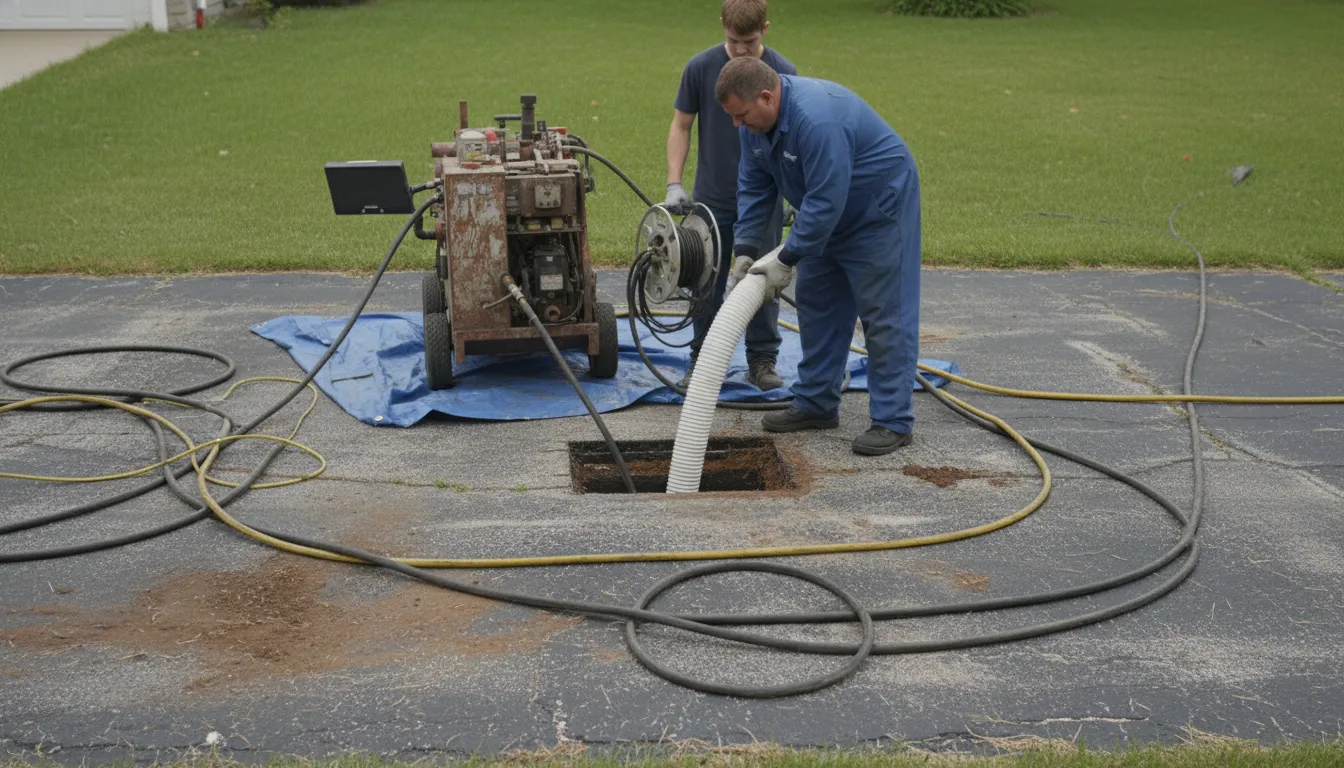
Find the Best Trenchless Sewer Repair Companies for Your Business
No obligation • Fast responses • Nationwide coverage

Why you can trust Search a Plumber
Search a Plumber is a leading United States resource for finding and evaluating professional plumbing services. Our team researches licensing, experience, and customer feedback to create unbiased, fact-driven overviews. Companies cannot pay to change ratings or placement, ensuring homeowners get trustworthy information.
Search providers near you
Top Trenchless Sewer Repair Companies in Aurora, Colorado Ranked
A damaged sewer line is a serious problem that can disrupt your home and threaten your property. Trenchless sewer repair offers a modern, less invasive solution to fix cracked, root-intruded, or misaligned pipes without the need for extensive digging across your yard. This method is crucial for preserving Aurora's landscapes and hardscapes while efficiently restoring your home's plumbing function. The following guide explains how trenchless technology works, when it's the right choice, and what Aurora homeowners should know to navigate the process of finding a qualified local specialist.
High 5 Plumbing, Heating, Cooling & Electric
15710 W Colfax Ave, Golden, CO 80401
High 5 Plumbing, Heating, Cooling & Electric is a full-service plumbing company serving Denver, CO. They provide a wide range of plumbing services including water heater installation and repair, drain cleaning, sewer line repair, leak detection, and gas line installation. The company uses advanced video technology for sewer camera inspections and offers trenchless sewer repair to minimize excavation. They also specialize in hydro jetting to clear blocked drains efficiently. High 5 Plumbing is licensed for gas plumbing and installs energy-efficient tankless water heaters. The company has received recognition such as the Angi Super Service Award and a BBB Torch Award for Ethics. They provide 24/7 emergency response for urgent plumbing needs.
Midwest Plumbing Co. LLC
8360 Auburn Ln, Westminster, CO 80031
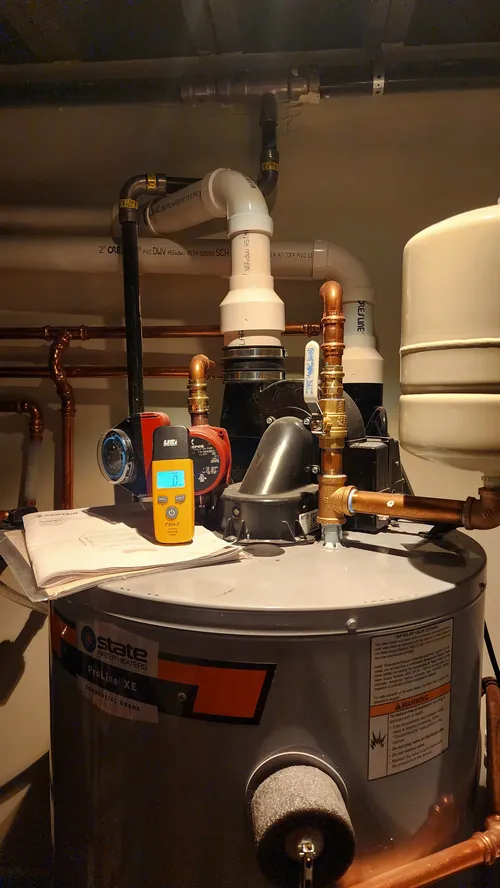
Midwest Plumbing Co. LLC is a plumbing service provider based in Denver, CO, offering a wide range of plumbing solutions. Their services include water heater repair and installation, sump pump repair, sewer line repair with trenchless technology, leak detection, repiping, gas line installation, toilet and garbage disposal repair, and more. The company uses advanced equipment and techniques to address both simple and complex plumbing issues, aiming to provide long-term solutions. They serve residential customers and emphasize careful, tailored service for each home. Midwest Plumbing Co. LLC offers 24/7 emergency plumbing services to assist customers whenever needed.
High 5 Plumbing, Heating, Cooling & Electric
7899 S Lincoln Ct Ste 201, Littleton, CO 80122
High 5 Plumbing, Heating, Cooling & Electric is a plumbing contractor based in Denver, CO, offering a wide range of plumbing services including sewer camera inspections, water heater repair and installation, drain cleaning, leak detection, and trenchless sewer repair. They also provide water softener installation and garbage disposal repairs. The company is experienced in sewer line replacements using pipe-burst methods to minimize excavation and offers comprehensive plumbing repairs and installations with attention to code compliance and safety. High 5 Plumbing emphasizes clear communication and reliable workmanship to ensure customer confidence in their services.
Sewer Lines Only
1120 Depew Ct, Lakewood, CO 80214
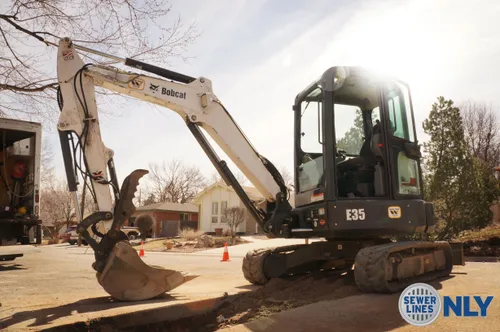
Sewer Lines Only is a specialized sewer line repair and replacement company based in Denver, CO. They focus on sewer line cleaning, trenchless sewer repair, pipe bursting, and spot repairs, serving both residential and commercial clients throughout the Denver metro area. The company emphasizes ethical practices, transparency, and customer education, offering detailed inspections and clear communication to help customers make informed decisions. Sewer Lines Only owns its equipment and employs trained crews to ensure quality workmanship. They provide a 5-year transferable warranty on all work and are fully licensed and insured.
Hyper Flow Service
1130 S Cherokee St, Denver, CO 80223
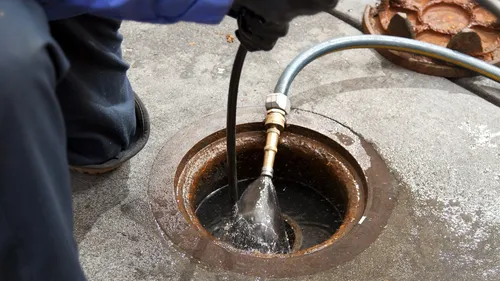
Hyper Flow Service is a plumbing and sewer company based in Denver, CO, offering a wide range of services including sewer camera inspections, water heater repair and installation, drain cleaning, hydro jetting, sewer line repair, trenchless sewer repair, and repiping. Serving the Denver metro area, they use advanced camera technology to diagnose sewer issues without unnecessary digging and provide hydro jetting to clear blockages with high-pressure water. Founded in 2016, Hyper Flow Service has over 12 years of industry experience and is available 24/7 for emergency plumbing needs.
Understanding Trenchless Sewer Line Rehabilitation
Trenchless sewer repair, often called cured-in-place pipe (CIPP) lining or pipe bursting, is a method for repairing or replacing underground sewer lines with minimal surface disruption. Instead of digging a long, deep trench to access the entire pipe, technicians use small access points-typically at existing cleanouts or at the beginning and end of the damaged section. Through these points, they can install a new, durable pipe lining inside the old one or burst the old pipe apart while simultaneously pulling in a new one. This approach is specifically engineered for pipes that are structurally sound but compromised by issues like cracks, corrosion, or root intrusion.
For Aurora residents, this technology is a game-changer. It protects your investment in landscaping, driveways, patios, and sidewalks that would otherwise be destroyed during a traditional excavation. The process is generally faster, reduces restoration costs, and gets your plumbing system back to full operation with less overall hassle.
When is Trenchless Repair the Right Solution?
Not every sewer problem can be solved with a trenchless method. Understanding the distinction helps in planning the correct repair strategy.
Ideal Candidates for Trenchless Repair:
- Cracks and Fractures: Horizontal cracks or fractures caused by ground shifting or age.
- Root Intrusion: Roots that have infiltrated pipe joints or cracks, causing blockages.
- Corrosion and Deterioration: Pipes that have thinned or corroded but haven't collapsed.
- Minor Misalignments: Sections of pipe that have settled or shifted slightly, affecting flow.
- Bellied Pipes: A slight sag in a pipe that collects waste, provided the pipe walls are intact.
In these scenarios, the existing pipe acts as a host for the new CIPP liner, creating a "pipe-within-a-pipe" that is often stronger than the original 1. Pipe bursting is another trenchless option used when the old pipe needs to be fully replaced but can serve as a conduit to break apart as the new pipe is pulled through.
When Traditional Excavation May Be Necessary: Trenchless methods require a relatively intact host pipe to guide the new liner or bursting tool. Full excavation might be the only option for:
- Complete Pipe Collapses: Where the pipe has flattened or disintegrated.
- Severe Misalignment or Offsets: Major breaks where pipe sections are no longer connected.
- Extensive Bellies or Improper Slope: Significant sags that require the pipe to be re-graded for proper drainage.
- Lack of Access Points: Situations where creating the necessary entry and exit pits for trenchless equipment isn't feasible.
A professional video camera inspection is the definitive way to determine which method is suitable for your specific situation in Aurora.
The Trenchless Repair Process: Step-by-Step
A professional trenchless sewer rehabilitation follows a systematic process to ensure a lasting repair.
- Video Camera Inspection: A specialized sewer camera is sent through the line from a cleanout access point. This provides a real-time view of the pipe's interior, pinpointing the exact location, nature, and extent of the damage-essential for diagnosing the problem and planning the repair.
- Preparation: The existing pipe is thoroughly cleaned using high-pressure water jetting to remove debris, roots, and obstructions. This step is critical for ensuring the new liner adheres properly. Small access pits are excavated at the start and end points of the repair section.
- Lining or Bursting:
- For CIPP Lining: A flexible tube saturated with a resin (like epoxy) is inverted or pulled into the damaged pipe. It is then inflated, pressing the resin-coated liner against the host pipe's walls.
- For Pipe Bursting: A conical bursting head is pulled through the old pipe, fracturing it outward. Simultaneously, a new high-density polyethylene (HDPE) pipe is pulled in behind the head, immediately replacing the old line.
- Curing: For CIPP, the resin must harden. This can be done using ambient temperature, hot water, or steam circulation, depending on the resin system used. Once cured, the liner forms a rigid, jointless new pipe. For pipe bursting, the new pipe is in place and ready once the pull is complete 2.
- Final Reconnection and Restoration: After curing, the liner is cut at the access points to reopen connections to lateral lines and home fixtures. A final camera inspection verifies the repair's integrity. The small access pits are then backfilled, requiring minimal landscape restoration compared to a full trench 3.
Permits and Inspections in Aurora
Like most municipalities, the City of Aurora requires permits for sewer line repair and replacement work. Reputable plumbing contractors will typically handle the permit application process on your behalf. These permits ensure the work complies with local building and plumbing codes. Following the repair, city or county inspections are usually required before the access pits are fully backfilled. An inspector will verify that the new installation meets all standards for materials, slope, and connections 4. Always confirm that your chosen provider is familiar with Aurora's specific permitting and inspection protocols.
Find the perfect trenchless sewer repair companies for your needs
Get personalized recommendations and expert advice
Cost Considerations for Trenchless Repair in Aurora
The cost of trenchless sewer line repair varies based on the length of the damaged section, the diameter of the pipe, the specific technology used (CIPP vs. pipe bursting), and the complexity of access. While the upfront per-foot material cost for trenchless methods can be higher, the overall project cost is often comparable to or less than traditional excavation when you factor in the massive savings on labor, excavation equipment, and landscape restoration 5 6.
- Per-Foot Cost Ranges: Cured-in-place pipe (CIPP) lining typically ranges from $80 to $250 per foot. Pipe bursting can range from $60 to $200 per foot, plus setup costs 7.
- Project-Based Estimates:
The key advantage is value: you are investing in a durable, long-term solution while protecting the aesthetic and structural value of your property. A detailed, in-person estimate from a qualified Aurora specialist is the only way to get an accurate cost for your specific situation.
Benefits of Choosing Trenchless Technology
Choosing a trenchless pipe repair method offers compelling advantages for homeowners:
- Minimal Property Disruption: Your lawn, garden, driveway, and walkways remain largely intact.
- Faster Completion: Many trenchless repairs can be completed in one to two days.
- Reduced Restoration Cost and Labor: Eliminates the expensive and time-consuming process of refilling a trench, re-sodding lawn, and repairing concrete or hardscape.
- Enhanced Pipe Performance: The new liner is seamless, resistant to root intrusion and corrosion, and can improve flow capacity.
- Long-Term Durability: Trenchless repairs can have a lifespan of 50 years or more, providing a permanent solution.
Frequently asked questions
Sources
Footnotes
-
Trenchless Sewer Repair Denver | Sewer Lines Only - https://www.tenncoffee.com/?page=trenchless-sewer-repair ↩
-
Is Trenchless Sewer Repair Right For Your Home? - Mattioni Plumbing - https://www.callmattioni.com/blog/t-trenchless-sewer-repair/ ↩
-
Trenchless Sewer Repair vs Traditional - https://piperestorationsolutions.com/trenchless-sewer-repair-vs-traditional/ ↩
-
Who Is Responsible For Sewer Line Repair In Aurora, CO? - https://itsdone.com/blog/who-is-responsible-for-sewer-line-repair-in-aurora-co/ ↩
-
Traditional Excavation Vs. Trenchless Methods - https://bullseyeplumbing.com/traditional-excavation-vs-trenchless-methods/ ↩
-
Trenchless Sewer Repair vs Traditional Method - CPI Service - https://cpiservice.com/blog/trenchless-pipe-repair-vs-traditional-method/ ↩
-
Trenchless Sewer Repair vs. Traditional Excavation - AQUALIS - https://aqualisco.com/trenchless-sewer-repair-vs-traditional/ ↩
-
Trenchless Sewer Repair in Denver, CO | Relief Home Services - https://reliefhomeservices.com/trenchless-sewer-repair/trenchless-sewer-repair-denver-co/ ↩
-
How Much Does Trenchless Sewer Line Repair Cost? - https://alphaenvironmental.net/blog/how-much-does-trenchless-sewer-repair-cost/ ↩