Find the Best Toilet Repair & Replacement Contractors for Your Business
No obligation • Fast responses • Nationwide coverage

Why you can trust Search a Plumber
Search a Plumber is a leading United States resource for finding and evaluating professional plumbing services. Our team researches licensing, experience, and customer feedback to create unbiased, fact-driven overviews. Companies cannot pay to change ratings or placement, ensuring homeowners get trustworthy information.
Search providers near you
Top Toilet Repair & Replacement Contractors in Chesapeake, Virginia Ranked
A properly functioning toilet is essential for the comfort and sanitation of any Chesapeake home. When issues arise-from a persistent leak to a complete breakdown-professional toilet repair and replacement services restore function and prevent water damage. This guide explains common toilet problems, typical solutions, and how to connect with skilled local professionals who can diagnose and fix your issue efficiently.
RPG Plumbing Services
5305 Cleveland St STE 102, Virginia Beach, VA 23462
RPG Plumbing Services is a plumbing company serving Virginia Beach, VA, and the Hampton Roads area. Since 2015, they have provided a range of plumbing services including water heater repair and installation, drain cleaning, hydro jetting, sewer line repair, leak detection, repiping, gas line installation, and toilet repair. Their team holds Class A Contractor licenses, Master plumber and gas fitter certifications, and specialized training such as Navien certification, enabling them to handle both simple and complex plumbing issues. RPG Plumbing Services offers 24/7 emergency plumbing support to address urgent problems at any time.
Mr. Rooter Plumbing of Virginia Beach
101 Malibu Dr, Virginia Beach, VA 23452
Mr. Rooter Plumbing of Virginia Beach provides residential and commercial plumbing services in Virginia Beach, VA. Their offerings include water heater installation, drain cleaning, and toilet repair, with licensed and insured plumbers available 24/7 for emergency situations. The company emphasizes clear, upfront pricing and maintains clean work areas. They serve Virginia Beach and surrounding cities such as Chesapeake, Norfolk, Portsmouth, and Suffolk. Mr. Rooter Plumbing is locally owned and operated, with a strong community presence and a commitment to quality work backed by the Neighborly Done Right Promise®.
Tony & Son Plumbing, LLC
3808 Highland Ct, Virginia Beach, VA 23456
Tony & Son Plumbing, LLC is a family-owned plumbing company serving Virginia Beach, VA, and the surrounding Hampton Roads community. They provide a wide range of plumbing services including water heater repair and installation, sump pump repair, drain cleaning, sewer line repair, leak detection, gas line installation, toilet repair, and garbage disposal repair. With a Certified Master Plumber on staff, they offer licensed and certified gas line services and handle both residential and commercial plumbing needs. Established in 1982, Tony & Son Plumbing has decades of experience and offers 24/7 emergency plumbing services to address urgent issues at any time.
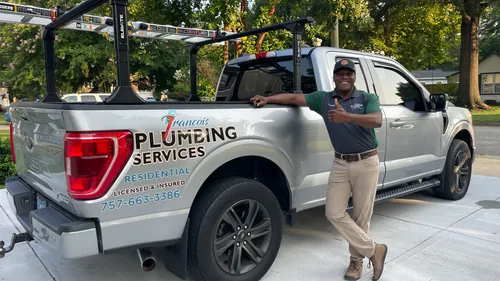
Francois Plumbing Services (FPS)
613 Woodcott Dr, Chesapeake, VA 23322
Francois Plumbing Services (FPS) is a family-owned plumbing business serving Virginia Beach, VA. With over 15 years of experience, they specialize in toilet repair and general plumbing services. They are licensed and insured, offering honest and knowledgeable service with a focus on customer coaching and support.
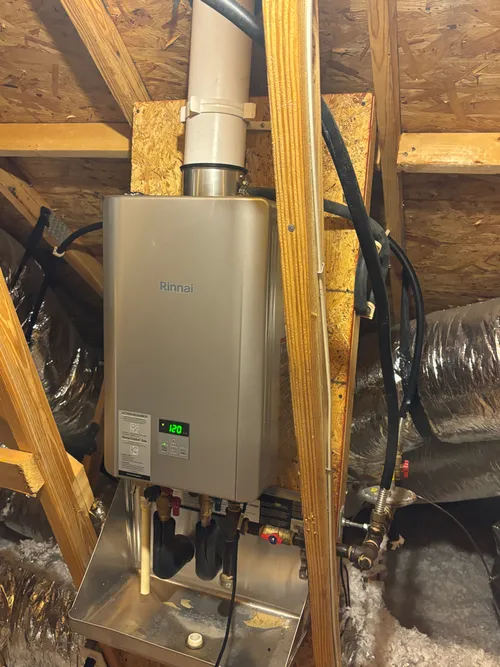
Power Plumbing LLC
2141 Chesapeake Dr, Chesapeake, VA 23324
Power Plumbing LLC is a family-owned plumbing and gas service provider based in Virginia Beach, VA. They offer a wide range of residential and commercial plumbing services including water heater repair and installation, drain cleaning with hydro-jetting, sewer line inspection and repair, sump pump services, gas line installation and repair, and leak detection. The company uses advanced technology such as sewer camera inspections and provides 24/7 emergency plumbing and gas services. Power Plumbing LLC emphasizes experienced, licensed professionals and transparent communication to meet customer needs.
Common Toilet Problems in Chesapeake Homes
Understanding what's wrong with your toilet is the first step toward a solution. Local plumbers report a consistent set of issues in residential properties across Chesapeake.
- Constantly Running Toilet: This is one of the most frequent complaints. A toilet that runs non-stop or cycles intermittently is often caused by a worn-out flapper that no longer seals, a faulty fill valve, or even high water pressure in your home's supply lines. This problem wastes a significant amount of water and increases utility bills.
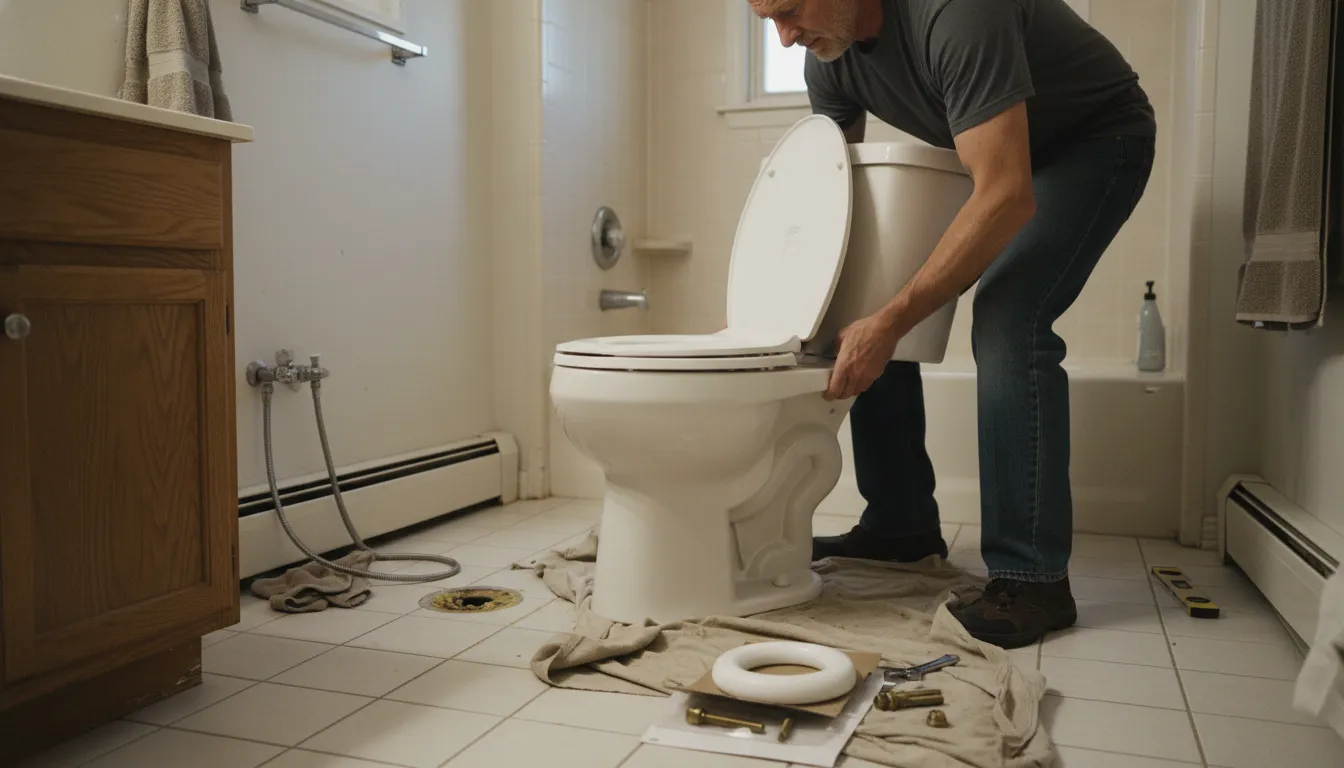
- Leaks at the Base: Discovering water pooling around your toilet's base points to a compromised seal. The culprit is typically a broken or failed wax ring, which seals the toilet's outlet to the floor drain. This requires the toilet to be removed and reset with a new ring.
- Weak or Incomplete Flush: If your toilet requires multiple flushes or seems to lack power, it could be due to clogged rim jets, a low water level in the tank, or sediment buildup in the bowl's trapway 1.
- Broken Hardware: Over time, components like the flush handle, tank bolts, and the fill valve itself can rust, crack, or fail 2. A loose handle or a fill valve that won't shut off are common hardware failures.
- Structural Damage: Hairline cracks in the porcelain of the tank or bowl can lead to slow leaks. While small cracks might be temporarily sealed, replacement is often the safest long-term fix to avoid a sudden flood 3.
- Persistent Clogs: While a plunger can handle minor blockages, deeper clogs caused by inappropriate items or accumulated waste often require a professional auger (or "snake") to clear the drain line effectively 4.
Standard Repair Procedures and Costs
The cost for toilet fixes in Chesapeake varies based on the complexity of the job, the parts required, and the service fee of the plumbing professional. Here's a breakdown of common services and their associated price ranges.
- Flapper or Flush Valve Replacement: Fixing a running toilet by replacing the flapper or the entire flush valve assembly is a relatively quick repair, typically costing between $75 and $150 for parts and labor.
- Wax Ring Replacement (Reseating): To stop a leak at the base, a plumber must remove the toilet, replace the wax seal, and reinstall it. This service generally falls in the range of $150 to $300.
- Fill Valve Replacement: Installing a new fill valve to correct filling issues or noise usually costs between $70 and $150.
- Professional Unclogging/Augering: For tough clogs that a plunger can't resolve, professional drain cleaning with an auger can cost from $100 to $400, depending on the severity and location of the blockage 5.
- Complete Toilet Replacement: Installing a new toilet, including the unit itself, a new wax ring, supply line, and labor, typically ranges from $400 to $900 in total.
Many local plumbing companies charge a diagnostic fee, often between $69 and $95, to assess the problem before providing a repair estimate.
Find the perfect toilet repair & replacement contractors for your needs
Get personalized recommendations and expert advice
Materials and Parts for a Lasting Fix
A quality repair or installation depends on using the right materials. Chesapeake plumbers rely on specific components to ensure a durable, leak-free result.
- Wax Rings: This is the critical seal between the toilet and the drain pipe. Professionals often inspect this seal carefully, as a failure here is a primary cause of floor leaks.
- Tank Components: This includes fill valves, flappers, and flush valves. Using quality, brand-name parts helps prevent premature failure and repeat service calls.
- Closet Bolts: These bolts secure the toilet to the floor flange. Brass or stainless steel bolts are preferred for their resistance to rust and corrosion, which is important in a bathroom's humid environment 6.
- Supply Lines: The flexible line that connects the water supply to the toilet tank. Braided stainless steel lines are commonly used for their durability and burst resistance, though PEX or CPVC lines may also be installed 7.
- Sealant: A bead of silicone caulk is often applied around the base of the toilet after installation. This provides stability, prevents moisture from seeping underneath, and aids in sanitation 8.
- Toilet Materials: The toilet itself is typically made of vitreous china, a type of ceramic that is glazed for a smooth, non-porous, and durable finish 9.
Choosing a Service Provider in Chesapeake
With an understanding of the services and costs, finding the right professional is key. Chesapeake is home to several reputable companies specializing in toilet maintenance and installation.
For routine repairs like flapper replacements or fixing running toilets, highly-rated local plumbers such as Precision Plumbing and Atomic Plumbing are frequently mentioned for reliable service. Companies like Premier Plumbing and American Mechanical also commonly handle a wide array of toilet issues, from simple repairs to addressing leaks at the base 10 11.
When it comes to a full toilet installation, some providers, like Just In Time Plumbing, offer fixed-price installations, which can provide budget certainty for homeowners 12. It's always advisable to get detailed quotes that include the cost of the toilet fixture, all necessary parts, labor, and any potential charges for old toilet removal and disposal.
Service calls are often categorized by complexity:
- Minor Repairs (e.g., flapper, handle): $100-$200
- Standard Repairs (e.g., fill valve, wax ring): $200-$350
- Emergency Repairs: $300-$700+ (often includes after-hours or weekend fees)
- New Toilet Installation: $400-$90013 14
Maintaining Your Toilet After a Repair
Once your toilet is fixed or newly installed, proper maintenance can extend its life and prevent future problems. Avoid using chemical drain cleaners, as they can damage porcelain and internal seals. Only flush human waste and toilet paper. Periodically check for silent leaks by adding a few drops of food coloring to the tank; if color appears in the bowl without flushing after 15 minutes, you likely have a flapper leak. Tighten any loose tank bolts or handles gently to avoid cracking the porcelain. Keeping the rim jets clean with a brush can also help maintain a strong flush.
Frequently asked questions
Sources
Footnotes
-
What Are the Most Common Problems in Toilet? - Plumr - https://plumr.co.uk/common-problems-in-toilet/ ↩
-
Fix & Flow: Avoid Plumbing Problems in 2025 - https://www.fixandflow.co/blog/how-to-avoid-plumbings-regular-problems/ ↩
-
Toilet Repairs Virginia Beach, Chesapeake, Norfolk - https://ceciliashomerepairs.com/toilets/ ↩
-
Chesapeake Toilet Repair Plumber - https://www.precisiondraincleaning.com/chesapeake-toilet-repair.html ↩
-
Toilet Repair Costs 2024: Find A Plumber For Fixing Toilets - https://www.superbrothers.com/toilet-repair-costs-2024-find-a-plumber-for-fixing-toilets/ ↩
-
A Plumber's Guide to Essential Supplies for Toilet Installation - https://tpssupply.com/your-blog/f/a-plumbers-guide-to-essential-supplies-for-toilet-installation ↩
-
Toilet Supply Lines: Plastic vs. Metal - Mr. Rooter Plumbing - https://www.mrrooternj.com/toilet-supply-lines-plastic-vs-metal ↩
-
How To Install A Toilet - Young House Love - https://www.younghouselove.com/how-to-replace-a-toilet/ ↩
-
What Are Toilets Made Out Of? Toilet Materials, Parts, Performance ... - https://www.bathroommountain.co.uk/inspiration-and-advice/what-are-toilets-made-out-of/ ↩
-
Toilet Repair Plumber in Chesapeake VA - Premier Plumbing - https://premierplumbing.net/plumbing/toilet-repair-plumber-in-chesapeake-va/ ↩
-
Expert Toilet Repair Services in Chesapeake, VA - https://americanmechanicalva.com/services/plumbing-chesapeake-va/kitchen-bathroom/toilet-repair/ ↩
-
TOP 10 BEST Toilet Installation in Chesapeake, VA - Updated 2026 - https://m.yelp.com/search?find_desc=Toilet+Installation&find_loc=Chesapeake%2C+VA ↩
-
Toilet Repair Cost (2026) | Average Prices and ... - Modernize - https://modernize.com/plumbing/toilet-repair-cost ↩
-
THE BEST 10 Toilet Repair in Chesapeake, VA - Yelp - https://m.yelp.com/search?find_desc=Toilet+Repair&find_loc=Chesapeake%2C+VA ↩