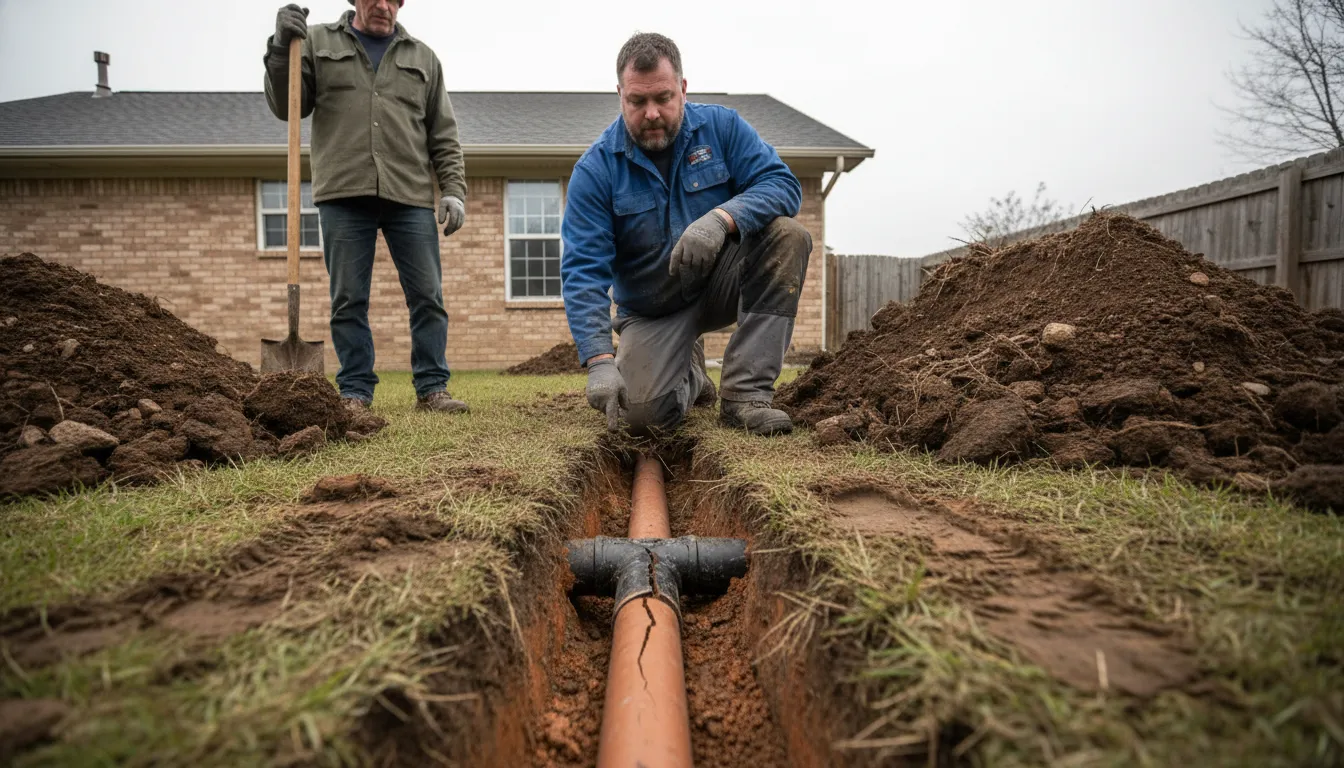
Find the Best Sewer Line Repair Companies for Your Business
No obligation • Fast responses • Nationwide coverage

Why you can trust Search a Plumber
Search a Plumber is a leading United States resource for finding and evaluating professional plumbing services. Our team researches licensing, experience, and customer feedback to create unbiased, fact-driven overviews. Companies cannot pay to change ratings or placement, ensuring homeowners get trustworthy information.
Search providers near you
Top Sewer Line Repair Companies in Kirkland, Washington Ranked
Dealing with a damaged sewer line is a serious and disruptive issue for any Kirkland homeowner. From slow drains and foul odors to sewage backups, a compromised main sewer line requires prompt, professional attention to protect your property and health. This guide explains the common causes of sewer line failure in our area, the repair methods available, and what you can expect in terms of process and investment. Our goal is to help you understand your options so you can make an informed decision when selecting a local specialist for your sewer line project.

Homeservice Plumbers
13306 SE 30th St, Bellevue, WA 98005
Homeservice Plumbers is a licensed, bonded, and insured plumbing company serving Seattle, WA. They specialize in sewer camera inspections, drain cleaning, sewer line repair, and trenchless sewer repair for both residential and commercial properties. The company offers 24/7 emergency services with no trip or after-hours charges, ensuring help is available anytime plumbing issues arise. Homeservice Plumbers provides a one-year warranty on plumbing, sewer, and drain services, reflecting their commitment to quality and reliability.

South West Plumbing, Heating, Air, & Electric
825 S Stacy St, Seattle, WA 98134
South West Plumbing, Heating, Air, & Electric provides a range of plumbing, HVAC, and electrical services in Seattle, WA. With over 40 years of experience, they offer plumbing repairs, drain cleaning, sewer line repairs including hydro jetting and video camera inspections, as well as heating and air conditioning services. Their certified technicians handle everything from clogged drains and sewer issues to furnace repairs and electrical panel upgrades, serving the Seattle community with skilled and comprehensive solutions.
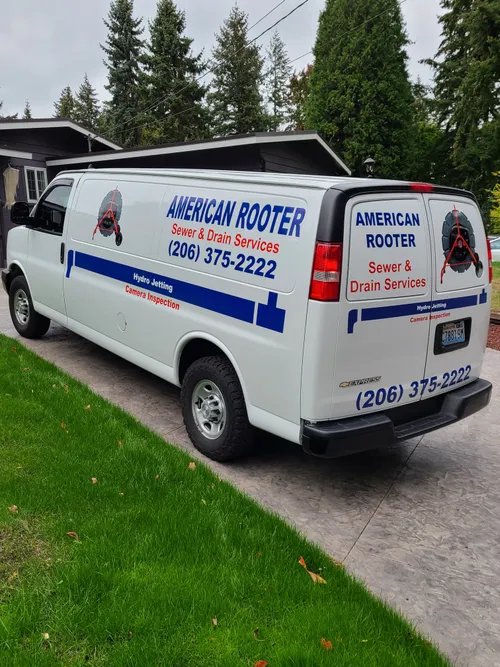
American Rooter Sewer & Drain Service LLC
1623 151st Ave SE, Bellevue, WA 98007
American Rooter Sewer & Drain Service LLC provides comprehensive sewer and drain solutions in Seattle, WA. Serving both residential and commercial clients, they offer services such as sewer line replacement, camera inspection, trenchless sewer repair, drain cleaning, and hydro jetting. With over 35 years of experience in King County, the company uses advanced technology to address a wide range of sewer and drain issues. They are licensed, bonded, and insured, and provide 24/7 availability for emergency and routine service needs.
Washington Rooter Sewer & Drain Service LLC
2018 156th Ave NE Suite 100 Bldg. F, Bellevue, WA 98007
Washington Rooter Sewer & Drain Service LLC provides a wide range of plumbing services in Seattle, WA, including drain cleaning, sewer line repair, water heater installation, and hydro jetting. They serve both residential and commercial customers in the Seattle area and surrounding communities such as Kirkland, Woodinville, Redmond, Bellevue, and Kenmore. The company specializes in sewer line repair and replacement using camera-guided inspection technology to diagnose issues accurately. With over 25 years of experience, Washington Rooter is licensed, bonded, and insured, offering professional plumbing solutions for various needs.
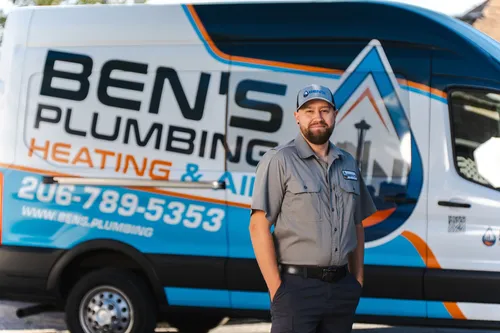
Ben’s Plumbing & Drain Cleaning
1141 NW 53rd St, Seattle, WA 98107
Ben's Plumbing & Drain Cleaning is a licensed plumbing and HVAC company serving Seattle, WA. The company offers a wide range of services including plumbing repairs, water heater installation and repair, drain cleaning, sewer line repair with trenchless options, leak detection, and repiping. They use advanced equipment such as drain inspection cameras and video inspection for sewer lines to accurately diagnose and resolve issues. Founded by industry veteran Ben Foster, Ben's Plumbing has over 25 years of experience providing personalized plumbing and HVAC services to both residential and commercial clients in the Seattle area.
Common Causes of Sewer Line Problems in Kirkland
The underground pipes carrying waste from your home to the municipal main are out of sight but shouldn't be out of mind. Several factors prevalent in the Pacific Northwest and Kirkland's specific landscape contribute to sewer line deterioration.
- Tree Root Intrusion: This is a leading cause of blockages and damage. Roots seek out moisture and nutrients, often infiltrating tiny cracks or loose joints in pipes. Once inside, they expand, causing major blockages, cracks, and eventually, complete pipe collapse.
- Aging and Corroded Pipes: Many older Kirkland homes have sewer lines made of cast iron or clay. Over decades, cast iron can rust and corrode from the inside out, thinning the pipe wall and leading to leaks and breaks. Clay pipes, while resistant to decay, are brittle and prone to cracking from ground movement.
- Ground Shifts and Settlement: Seasonal freeze-thaw cycles, soil erosion, and general seismic activity in our region can cause the ground to shift. This movement puts stress on rigid sewer pipes, leading to misaligned joints, cracks, or even sheared-off sections.
- Grease and Debris Blockages: While not always a structural repair issue, the gradual buildup of grease, non-flushable items, and other debris can create severe clogs that mimic or exacerbate existing line damage, often necessitating a camera inspection to diagnose the true problem.
Diagnosing the Problem: The Critical First Step
Before any repair can be planned, an accurate diagnosis is essential. Modern plumbing professionals use specialized sewer cameras to perform a video inspection. A flexible, waterproof camera is fed through your cleanout or a roof vent, transmitting real-time video of the pipe's interior condition to a monitor.
This inspection allows the technician to pinpoint the exact location, nature, and extent of the damage-whether it's a root mass, a belly (sagging section), a crack, or a complete collapse. The findings from this camera inspection are the foundation for recommending the most effective and cost-efficient repair method 1.
Your Repair Options: Trenchless vs. Traditional Excavation
Once the problem is identified, you will typically be presented with two primary approaches: trenchless sewer repair or traditional excavation. The right choice depends on the damage's severity, your pipe's material, its location, and your budget.
Trenchless Sewer Repair (Minimal Digging)
Trenchless technology has revolutionized sewer line work by significantly reducing the need for extensive digging. There are two main trenchless methods:
- Pipe Lining (Cured-In-Place Pipe or CIPP): A flexible, resin-saturated tube is inverted or pulled into the damaged pipe. It is then inflated and cured in place using hot water or UV light, creating a seamless, jointless "pipe within a pipe." This method seals cracks and holes, resists root intrusion, and can extend the life of your line by 50 years or more 2.
- Pipe Bursting: This method is used when the old pipe is too damaged to line or needs to be upsized. A bursting head is pulled through the old pipe, fracturing it outward while simultaneously pulling a new, high-density polyethylene (HDPE) pipe into place behind it. It replaces the old line entirely with a new one of equal or larger diameter.
Pros of Trenchless: Minimal disruption to lawns, landscaping, driveways, and sidewalks; often completed in 1-2 days; can be more cost-effective when restoration costs are factored in; creates a durable, root-resistant new line. Cons of Trenchless: Higher upfront material costs; not suitable for completely collapsed pipes or severe misalignments; requires access points at both ends of the section being repaired 3 4.
Traditional Excavation (Open-Trench Repair)
This is the conventional method, involving the use of a backhoe or other equipment to dig a trench along the path of the sewer line to fully expose it. The damaged section is then cut out and replaced with new piping, typically PVC or ABS, before the trench is backfilled.
Pros of Traditional: Often has a lower upfront cost for the repair itself; is the only option for pipes that have fully collapsed or have major sags ("bellies"); allows for a complete visual inspection of the surrounding soil and pipe. Cons of Traditional: Causes significant disruption to your property, requiring destruction and subsequent restoration of landscaping, concrete, decks, or other structures; the restoration work (sod, paving, etc.) adds considerable time and cost to the total project; exposes the work area to the elements.
Find the perfect sewer line repair companies for your needs
Get personalized recommendations and expert advice
Understanding Sewer Line Repair Costs in Kirkland
Costs for sewer line repairs and replacements in Kirkland vary widely based on the method, extent of damage, pipe material, length, depth, and accessibility. The figures below are general estimates to help you budget; a precise quote requires an on-site evaluation and camera inspection.
- General Repair/Replacement Range: Projects can range from $1,000 to $7,000 or more for repairs, with full line replacements typically starting around $10,000 and reaching $25,000+ for complex situations involving long runs, deep pipes, or difficult access.
- Trenchless Repair (Per Foot): Trenchless methods like pipe lining or bursting generally cost between $80 to $250+ per linear foot. While the per-foot cost is higher, you often save thousands on landscape and hardscape restoration 5.
- Traditional Excavation (Per Foot + Restoration): The digging and replacement work itself may range from $50 to $250 per linear foot for labor and equipment. However, this does not include the new pipe material or, critically, the cost to restore the excavated area, which can add 20-50% or more to the total project cost 6 7 8.
Key Cost Factors:
- Pipe Material: Replacing old cast iron is more labor-intensive and expensive than replacing with modern PVC.
- Location & Depth: Lines under a concrete slab foundation, driveway, or deep in the ground are more costly to access.
- Permits: Kirkland and Washington State may require permits for sewer line work, which add to the project cost and timeline.
- Restoration: For traditional digs, the cost to re-sod your lawn, re-pour concrete, or rebuild a deck is a major variable.
Choosing a Sewer Repair Specialist in Kirkland
Selecting the right professional is crucial. Look for a licensed, insured plumbing contractor with specific experience in sewer line diagnostics and both trenchless and traditional methods. They should perform a camera inspection, provide a detailed, written estimate that breaks down labor, materials, permits, and restoration, and clearly explain why they are recommending a particular repair strategy. Local companies familiar with Kirkland's soil conditions and municipal requirements can help navigate the process smoothly.
Frequently asked questions
Sources
Footnotes
-
Kirkland, WA Plumbing & Sewer Services - https://raymarkplumbing.com/service-area/plumbing-and-sewer-services-kirkland-wa/ ↩
-
How Long Does CIPP Trenchless Sewer Repair Last? - https://plumbingsacramento.com/how-long-does-cipp-trenchless-sewer-repair-last/ ↩
-
Is Trenchless Sewer Repair Worth It? - Clog Busters - https://clogbustersllc.com/is-trenchless-sewer-repair-worth-it/ ↩
-
What Are The Pros and Cons of Trenchless Sewer Repair? - https://www.southernairnow.com/blog/what-are-the-pros-and-cons-of-trenchless-sewer-repair/ ↩
-
How Much Does Pipe Lining Cost: A Detailed Cost Breakdown - https://www.benjaminfranklinplumbing.com/league-city/blog/2024/december/how-much-does-pipe-lining-cost-a-detailed-cost-breakdown/ ↩
-
Traditional vs Trenchless Sewer Repair: Which Is Better? - https://www.sewersolutions.com/traditional-vs-trenchless-sewer-repair-which-is-better/ ↩
-
Cost Comparison: Trenchless vs. Traditional Sewer Line Repair - https://www.advancedtrenchlesssolutions.com/blog/cost-comparison-trenchless-vs-traditional-sewer-line-repair ↩
-
Sewer Line Replacement in Kirkland, WA - Costs 01 / 2026 - Homeyou - https://www.homeyou.com/wa/sewer-line-replacement-kirkland-costs ↩