Find the Best Sewer Line Repair Companies for Your Business
No obligation • Fast responses • Nationwide coverage

Why you can trust Search a Plumber
Search a Plumber is a leading United States resource for finding and evaluating professional plumbing services. Our team researches licensing, experience, and customer feedback to create unbiased, fact-driven overviews. Companies cannot pay to change ratings or placement, ensuring homeowners get trustworthy information.
Search providers near you
Top Sewer Line Repair Companies in Federal Way, Washington Ranked
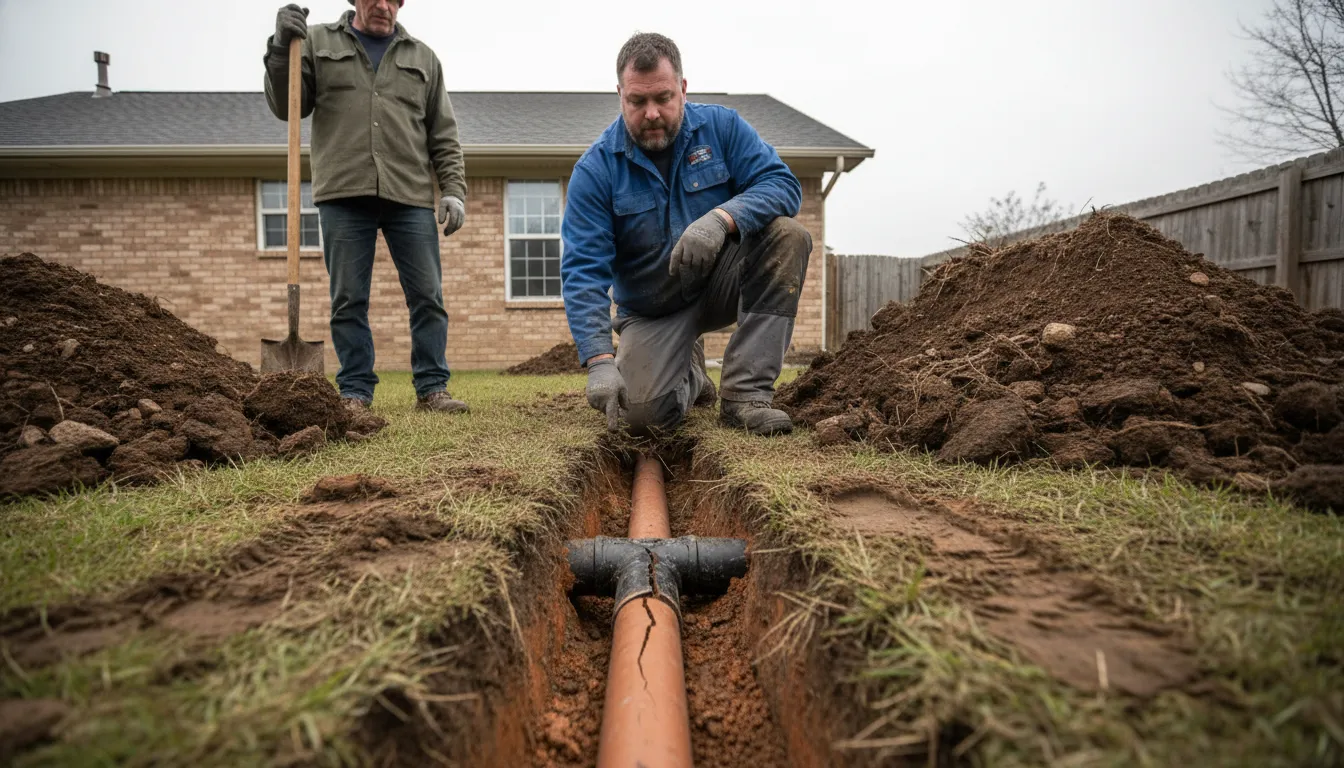
A damaged sewer line is a serious issue that can disrupt your home and pose health risks. Sewer line repair involves fixing the underground pipe that carries wastewater from your home to the city's main sewer system. In Federal Way, this is a critical service due to the area's aging infrastructure and common challenges like tree roots. This guide helps you understand the signs of trouble, the repair methods available, and how to find qualified local professionals to restore your property's essential plumbing function.
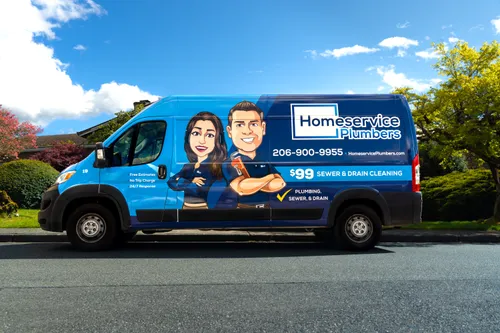
Homeservice Plumbers
13306 SE 30th St, Bellevue, WA 98005
Homeservice Plumbers is a licensed, bonded, and insured plumbing company serving Seattle, WA. They specialize in sewer camera inspections, drain cleaning, sewer line repair, and trenchless sewer repair for both residential and commercial properties. The company offers 24/7 emergency services with no trip or after-hours charges, ensuring help is available anytime plumbing issues arise. Homeservice Plumbers provides a one-year warranty on plumbing, sewer, and drain services, reflecting their commitment to quality and reliability.
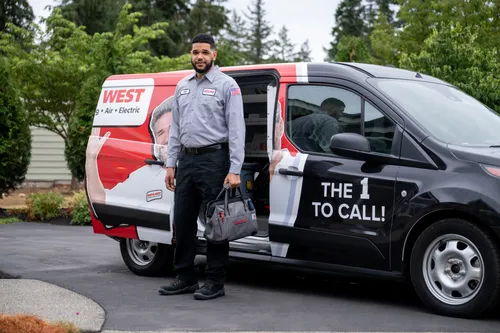
South West Plumbing, Heating, Air, & Electric
825 S Stacy St, Seattle, WA 98134
South West Plumbing, Heating, Air, & Electric provides a range of plumbing, HVAC, and electrical services in Seattle, WA. With over 40 years of experience, they offer plumbing repairs, drain cleaning, sewer line repairs including hydro jetting and video camera inspections, as well as heating and air conditioning services. Their certified technicians handle everything from clogged drains and sewer issues to furnace repairs and electrical panel upgrades, serving the Seattle community with skilled and comprehensive solutions.
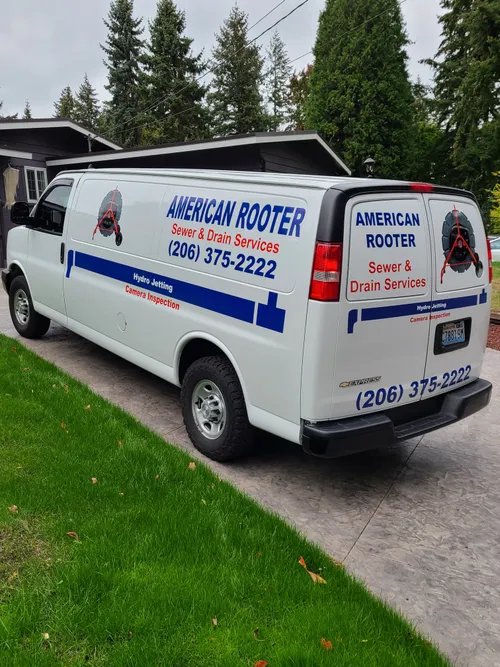
American Rooter Sewer & Drain Service LLC
1623 151st Ave SE, Bellevue, WA 98007
American Rooter Sewer & Drain Service LLC provides comprehensive sewer and drain solutions in Seattle, WA. Serving both residential and commercial clients, they offer services such as sewer line replacement, camera inspection, trenchless sewer repair, drain cleaning, and hydro jetting. With over 35 years of experience in King County, the company uses advanced technology to address a wide range of sewer and drain issues. They are licensed, bonded, and insured, and provide 24/7 availability for emergency and routine service needs.
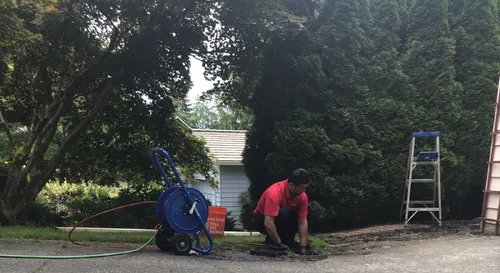
Washington Rooter Sewer & Drain Service LLC
2018 156th Ave NE Suite 100 Bldg. F, Bellevue, WA 98007
Washington Rooter Sewer & Drain Service LLC provides a wide range of plumbing services in Seattle, WA, including drain cleaning, sewer line repair, water heater installation, and hydro jetting. They serve both residential and commercial customers in the Seattle area and surrounding communities such as Kirkland, Woodinville, Redmond, Bellevue, and Kenmore. The company specializes in sewer line repair and replacement using camera-guided inspection technology to diagnose issues accurately. With over 25 years of experience, Washington Rooter is licensed, bonded, and insured, offering professional plumbing solutions for various needs.
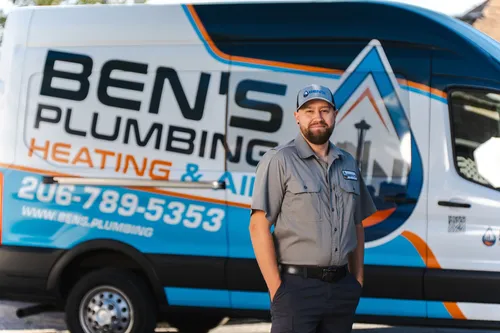
Ben’s Plumbing & Drain Cleaning
1141 NW 53rd St, Seattle, WA 98107
Ben's Plumbing & Drain Cleaning is a licensed plumbing and HVAC company serving Seattle, WA. The company offers a wide range of services including plumbing repairs, water heater installation and repair, drain cleaning, sewer line repair with trenchless options, leak detection, and repiping. They use advanced equipment such as drain inspection cameras and video inspection for sewer lines to accurately diagnose and resolve issues. Founded by industry veteran Ben Foster, Ben's Plumbing has over 25 years of experience providing personalized plumbing and HVAC services to both residential and commercial clients in the Seattle area.
Understanding Your Sewer Main Line
The main sewer line, or lateral, is the private pipe that runs from your home's foundation to the public sewer connection, typically located at the street or an easement. This line is your property's responsibility, and it's buried underground, often passing beneath lawns, gardens, driveways, or even structures. When it fails, the consequences are immediate and unpleasant. In Federal Way, many homes have older cast iron pipes, which are particularly susceptible to corrosion and cracking over time.
Common causes of sewer line failure include:
- Tree Root Intrusion: Roots seek moisture and can infiltrate even small pipe joints or cracks, eventually causing blockages or breaks.
- Pipe Corrosion and Deterioration: Older materials like cast iron can rust and weaken from the inside out.
- Ground Shifting: Soil movement, especially in areas with clay, can cause pipes to settle, crack, or collapse.
- Grease and Debris Buildup: Improper disposal habits can lead to chronic clogs that stress the pipe.
Recognizing the Signs of a Sewer Line Problem
Catching a sewer line issue early can prevent more extensive damage and higher repair costs. Be alert for these warning signs:
- Frequent Drain Backups: Multiple drains clogging simultaneously, especially lower-level fixtures like basement showers or toilets, often point to a main line obstruction.
- Unpleasant Odors: Persistent sewer gas smells in your yard, basement, or near drains indicate a break or crack in the line.
- Soggy or Lush Patches in Yard: Unexplained wet, mushy, or unusually green areas in your landscaping can signal a leaking sewer line underground.
- Gurgling Sounds: Hearing gurgling from toilets or drains when using other fixtures suggests air is trapped in the line due to a blockage.
- Slow Drains Throughout the House: If plunging or snaking individual drains doesn't help a home-wide slowdown, the main line is likely the culprit.
The Diagnostic First Step: Sewer Video Inspection
Before any repair can be planned, an accurate diagnosis is essential. A professional sewer video inspection involves sending a waterproof, high-resolution camera through the line. This allows a technician to see the exact condition, location, and cause of the problem in real-time.
This service typically costs between $150 and $300 in the Federal Way area and is a highly recommended investment. The inspection report will show you:
- The precise location and depth of the problem.
- The type of damage (roots, crack, collapse, offset joint).
- The material and condition of the existing pipe.
- This information is critical for determining whether a trenchless or traditional excavation method is the most effective solution.
Repair Method 1: Trenchless Sewer Repair
Trenchless technology has revolutionized sewer line repair by minimizing excavation. These methods are often ideal for Federal Way homes where preserving landscaping, driveways, and hardscapes is a priority.
Pipe Lining (Cured-in-Place Pipe or CIPP): This process involves inserting a flexible, resin-saturated tube into the damaged pipe. The tube is inflated and cured (often with heat or UV light) to form a hard, seamless "pipe within a pipe." It can seal cracks, holes, and joint separations and is resistant to root intrusion.
- Pros: Very little digging (only at access points), fast installation, can navigate bends, creates a jointless pipe, and has a long lifespan (50+ years) 1.
- Cons: Requires a cleanable line to insert the liner, may slightly reduce pipe diameter, and is not suitable for fully collapsed pipes.
Pipe Bursting: This method is used for complete replacement without a trench. A conical bursting head is pulled through the old pipe, fracturing it outward while simultaneously pulling a new high-density polyethylene (HDPE) pipe into place behind it 2.
- Pros: Installs a brand-new, durable pipe of equal or larger diameter, handles severe damage and collapses, and still requires only small access pits.
- Cons: Requires more pulling force and space at each end, and may not be feasible if the line has extreme depth changes or many tight bends.
Find the perfect sewer line repair companies for your needs
Get personalized recommendations and expert advice
Repair Method 2: Traditional Excavation Repair
Also known as "dig and replace," this is the conventional method where a trench is dug along the entire length of the damaged pipe to expose it, remove it, and install a new one.
- Pros: It is a straightforward solution that can address any type of damage, including total collapses. For very shallow lines with easy access, it can sometimes have a lower upfront material cost 3 4.
- Cons: The primary drawback is the massive disruption. It destroys lawns, gardens, sidewalks, and driveways, requiring extensive and costly restoration. The process is also more time-consuming, weather-dependent, and has a greater environmental impact from soil disturbance.
Comparing Costs: Trenchless vs. Traditional in Federal Way
Costs for sewer line repair vary significantly based on the method, extent of damage, pipe length, depth, and access. Here's a general comparison for the Federal Way area:
- Sewer Video Inspection: $150 - $300 (recommended first step) 5.
- Trenchless Pipe Lining: Approximately $3,500 to $12,000+ for a standard 20-30 foot run, depending on diameter and conditions 6.
- Trenchless Pipe Bursting: Often ranges from $6,000 to $12,000+ 7 8.
- Traditional Excavation Replacement: Typically quoted at $55 to $250 per linear foot, with a full replacement often totaling between $4,000 and $10,000+ 9 10. Crucially, this price rarely includes the substantial added cost of restoring your landscaping, concrete, or other hardscapes that were dug up, which can add thousands more.
While trenchless methods often have a higher initial price tag, they can be more cost-effective overall when you factor in the avoided restoration expenses and property value preservation.
Choosing the Right Solution for Your Federal Way Home
The best repair method depends on the specific diagnosis from your video inspection. A reputable local professional will review the footage with you and discuss the pros and cons of each viable option.
- Consider Trenchless Repair If: The pipe is structurally sound enough to line or burst, you have extensive landscaping, patios, or driveways above the line, you need a faster solution, or you want to minimize environmental disruption 11.
- Traditional Excavation May Be Necessary If: The pipe has completely collapsed or is severely misaligned, the line is very shallow and easy to access with minimal surface features, or other underground utilities make trenchless methods impractical.
For Federal Way homeowners, the key steps are: 1) Heed the warning signs early, 2) Invest in a professional video inspection for a clear diagnosis, and 3) Consult with experienced local specialists who can perform both trenchless and traditional repairs to get unbiased advice tailored to your property's unique situation 12 13.
Frequently asked questions
Sources
Footnotes
-
Trenchless Sewer Repair Vs. Sewer Line Replacement - https://boboates.com/3-undeniable-benefits-trenchless-sewer-repair-vs-sewer-line-replacement/ ↩
-
Trenchless Sewer Line Repair vs Traditional: Which Is Better - https://cactusplumbingandair.com/trenchless-sewer-line-repair-vs-traditional/ ↩
-
Trenchless Sewer Repair vs. Traditional Excavation - AQUALIS - https://aqualisco.com/trenchless-sewer-repair-vs-traditional/ ↩
-
Trenchless Sewer Line Repair vs. Sewer Line Excavation - https://dandfplumbing.com/sewer-line-repair-vs-sewer-line-excavation/ ↩
-
Federal Way - Sewer Inspection - https://dirtcheapsewer.com/services/sewer-inspection/federal-way/ ↩
-
How Much Does Trenchless Sewer Repair Cost In Seattle? - https://dirtcheapsewer.com/how-much-does-trenchless-sewer-repair-cost/ ↩
-
Cost Comparison: Trenchless vs. Traditional Sewer Line Repair - https://www.advancedtrenchlesssolutions.com/blog/cost-comparison-trenchless-vs-traditional-sewer-line-repair ↩
-
The Cost of Sewer Line Replacement: What to Expect - https://dirtcheapsewer.com/the-cost-of-sewer-line-replacement/ ↩
-
How Much Does Sewer Line Repair Typically Cost? - https://www.jsewerandplumbing.com/how-much-does-sewer-line-repair-typically-cost/ ↩
-
How Much Does Sewer Line Replacement Cost? | CPI Service - https://cpiservice.com/blog/sewer-line-replacement-cost/ ↩
-
Federal Way - Trenchless Sewer Repair - https://dirtcheapsewer.com/services/trenchless-sewer-repair/federal-way/ ↩
-
Trenchless Sewer Repair: Lower Cost, Lower Impact Sewer Repair - https://www.sewerflowllc.com/2025/03/06/trenchless-sewer-repair-lower-cost-lower-impact-sewer-repair/ ↩
-
Trenchless Sewer Repair Federal Way, WA - https://steadyflowdrainco.com/service-areas/federal-way-wa/sewer-repair-federal-way-wa/ ↩