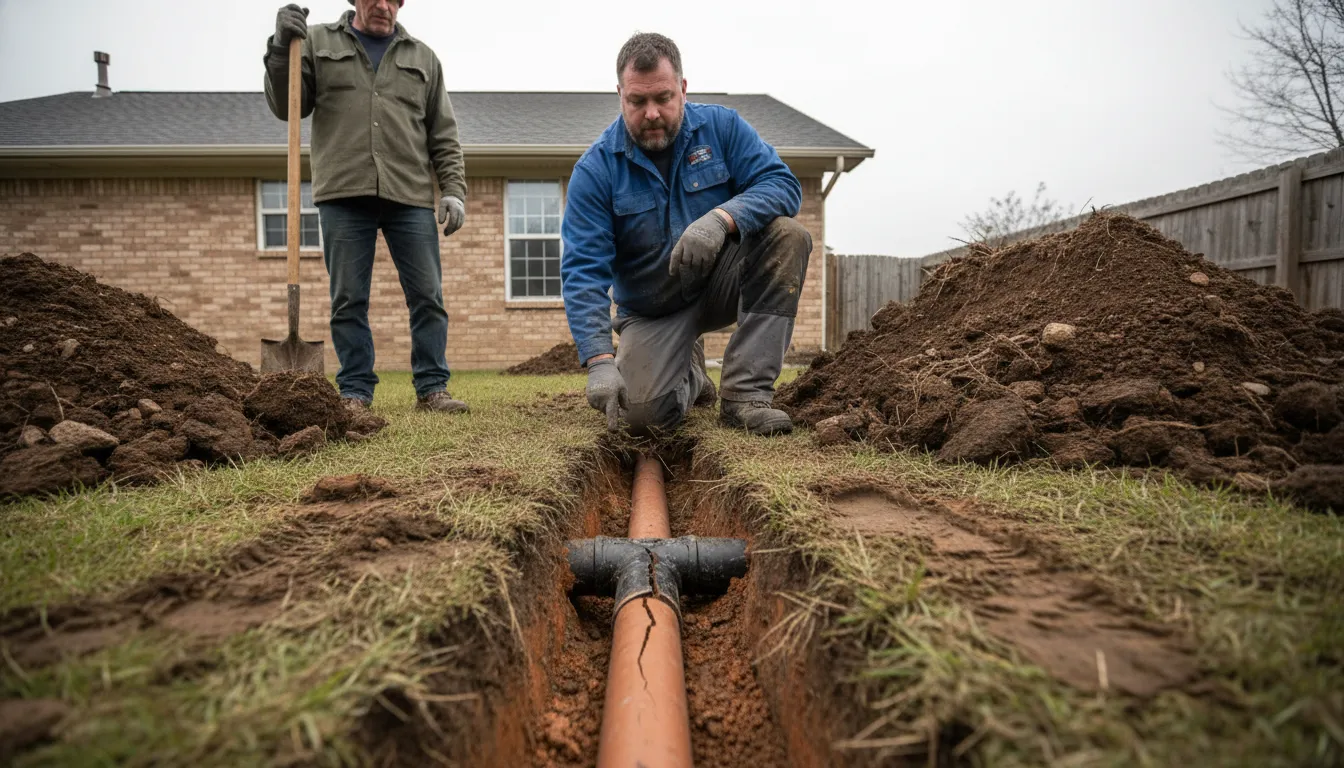
Find the Best Sewer Line Repair Companies for Your Business
No obligation • Fast responses • Nationwide coverage

Why you can trust Search a Plumber
Search a Plumber is a leading United States resource for finding and evaluating professional plumbing services. Our team researches licensing, experience, and customer feedback to create unbiased, fact-driven overviews. Companies cannot pay to change ratings or placement, ensuring homeowners get trustworthy information.
Search providers near you
Top Sewer Line Repair Companies in Rowlett, Texas Ranked
A damaged sewer line is a serious issue that can disrupt your home's entire plumbing system and lead to messy, unhealthy backups. When your main drain line fails, you need a reliable, long-term solution. This guide explains everything Rowlett homeowners need to know about sewer line repair and replacement, from identifying common problems to understanding the modern, less-invasive repair methods available. You can use the information here to find qualified local specialists who can accurately diagnose your issue and recommend the best course of action.
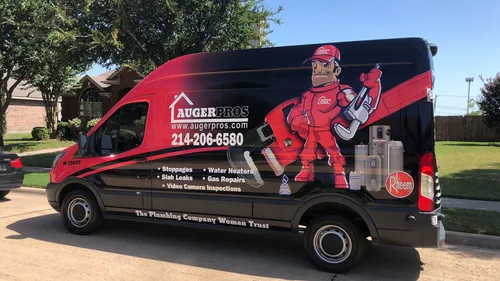
Augerpros Plumbing and Drain
206 W McDermott Dr #120, Allen, TX 75013
Augerpros Plumbing and Drain is a licensed and insured plumbing company serving Dallas, TX, and the greater North Dallas area. They provide a wide range of plumbing services including sewer camera inspections, water heater repair and installation, drain cleaning, sewer line repair, leak detection, gas line installation, toilet repair, and garbage disposal repair. The company uses advanced sewer and video equipment to diagnose and address plumbing issues thoroughly. Recognized nationally as a Best of the Best winner for three consecutive years, Augerpros Plumbing and Drain combines decades of technical training with customer-focused service.
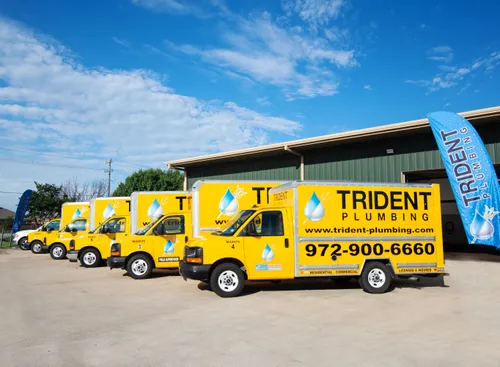
Trident Plumbing
15222 King Rd Ste 301, Frisco, TX 75034
Trident Plumbing provides a range of plumbing services in Garland, TX, including water heater repair and installation, tankless water heater services, water softener installation, drain cleaning, sewer line repair, leak detection, and gas line installation. Their team includes Master Plumbers, licensed Journeymen, and Technicians who receive ongoing professional education. Trident Plumbing also offers specialized slab leak detection and repair, supporting both residential and commercial plumbing needs.
O'Bryan Plumbing Services
800 Fulgham Rd Suite 35, Plano, TX 75093
O'Bryan Plumbing Services is a plumbing company serving Dallas, TX, offering a wide range of plumbing solutions including water heater repair and installation, sewer and drain cleaning, leak detection, and gas line installation. They use advanced technology such as sewer camera inspections to accurately diagnose and address plumbing issues. Established in 1982, O'Bryan Plumbing Services brings decades of experience to their work, providing comprehensive plumbing maintenance and repair services to residential customers.
Adr plumbing Co
Plano, TX
Adr Plumbing Co is a plumbing service provider based in Plano, TX, offering a wide range of services including water heater repair and installation, tankless water heater services, drain cleaning, sewer line repair, leak detection, repiping, toilet repair, and garbage disposal repair. They serve residential and property management clients with expertise in trenchless sewer repair and tunneling for under-slab repairs. Established in 2019, Adr Plumbing Co combines over 20 years of industry experience with well-stocked service vehicles to efficiently handle plumbing issues from minor leaks to major sewer line replacements. The company operates around the clock to address plumbing emergencies and routine maintenance needs.
Live Oak Plumbing Company
2201 Spinks Rd Suite 312, Flower Mound, TX 75022
Live Oak Plumbing Company provides a range of plumbing services in Dallas, TX, including water heater repair and installation, water softener installation, drain cleaning, sewer line repair, leak detection, and gas line installation. They offer certified trenchless sewer repair and are a Picote certified installer, which highlights their capability in advanced sewer maintenance techniques. The company also provides backflow testing and water filtration services. Live Oak Plumbing Company aims to assist customers with plumbing needs and offers support outside of normal business hours when possible.
Understanding Your Home's Sewer System
The main sewer line, or sewer lateral, is the critical pipe that carries all wastewater from your home to the municipal sewer main in the street. In Rowlett, this pipe is almost always buried underground, running from your home's foundation, beneath your yard, and out to the public connection under the street. This pathway often crosses under driveways, sidewalks, gardens, and landscaping, which can complicate access when repairs are needed. Knowing the location and condition of this hidden infrastructure is the first step in addressing any problem.
Common Causes of Sewer Line Failure in Rowlett
Several factors can lead to a failing sewer lateral. Understanding the root cause helps in selecting the proper repair method.
- Root Intrusion: This is one of the most frequent culprits. Tree and shrub roots are naturally drawn to the moisture and nutrients inside sewer pipes. They can infiltrate through tiny cracks or loose joints, eventually growing large enough to cause complete blockages or even break the pipe apart.
- Aging and Corroded Pipes: Many older homes in the area may still have original sewer lines made of clay tile or cast iron. Over decades, these materials can corrode, crack, collapse, or have their joints compromised by ground movement 1 2.
- Ground Shifting and Settlement: The North Texas soil is known to shift with changes in moisture. This movement can cause pipes to sag (creating a "belly" that collects debris) or to crack and separate at the joints 3.
- Grease and Debris Blockages: While not always a structural failure, the buildup of grease, non-flushable items, or other debris can create severe, recurring clogs that mimic or exacerbate a line break.
Diagnosing a Sewer Line Problem
How do you know if you have a sewer line issue and not just a simple clog? Look for these warning signs:
- Multiple drains backing up simultaneously (e.g., toilet flushing causes water to back up in a shower).
- Gurgling sounds coming from toilets or drains.
- Unpleasant sewage odors in your yard or home.
- Patches of unusually lush, green grass or soggy areas in your yard, indicating a leak.
- Frequent need for drain cleaning.
A professional diagnosis typically involves a sewer camera inspection. A specialized waterproof camera is snaked through the line, providing a real-time video feed of the pipe's interior. This technology allows a technician to pinpoint the exact location, nature, and severity of the problem without any digging, which is essential for an accurate repair estimate 4.
Repair Methods: Trenchless vs. Traditional Excavation
Once a problem is identified, you generally have two repair pathways: modern trenchless methods or traditional excavation. The right choice depends on the damage, your property layout, and your budget.
Trenchless Sewer Repair
Trenchless technology has revolutionized sewer line repair by minimizing property disruption. Two primary methods are used:
- Pipe Lining (Cured-in-Place Pipe - CIPP): A flexible, resin-saturated tube is inserted into the damaged pipe through an existing access point. It is then inflated and cured (often with heat or UV light) to form a hard, seamless "pipe within a pipe." This method seals cracks and holes, resists root intrusion, and can address issues like corrosion and joint failures 5.
- Pipe Bursting: This method is used for pipes that are too damaged to be lined. A bursting head is pulled through the old pipe, fracturing it outward while simultaneously pulling a new, high-density polyethylene (HDPE) pipe into place. It completely replaces the old line with a new one of equal or larger diameter.
Pros of Trenchless Repair:
- Minimal Disruption: Requires only small access pits, leaving your lawn, driveway, and landscaping largely intact.
- Faster Completion: Most projects can be completed in one to two days.
- Durable Result: The new liner or pipe is highly resistant to roots and corrosion, often with a 50-year lifespan.
- Potential Cost Savings: While the per-foot repair cost can be higher, you avoid thousands of dollars in landscape, concrete, and hardscape restoration 6.
Cons of Trenchless Repair:
- Not Universally Applicable: It may not be suitable for pipes that have completely collapsed or have severe misalignment.
- Requires Specialized Expertise: Not all plumbing companies have the equipment or training for these methods.
Traditional Dig-and-Replace Excavation
This is the conventional method where a trench is dug along the path of the sewer line to fully expose the damaged section, which is then removed and replaced.
Pros of Traditional Repair:
- Direct Solution: It allows for a hands-on, visual inspection of the entire exposed pipe.
- Suitable for All Damage Types: It is the only option for pipes that are fully collapsed or inaccessible to trenchless equipment.
- Sometimes Lower Initial Repair Cost: For a very short, easily accessible section, the direct labor and material cost may be lower 7.
Cons of Traditional Repair:
- Major Property Disruption: It destroys everything in its path-lawns, gardens, trees, sidewalks, and driveways.
- High Restoration Costs: The cost to repair the yard, re-pour concrete, and rebuild landscaping can add 30-50% or more to the total project bill 8 9.
- Longer Project Timeline: The digging, repairing, backfilling, and restoring process takes significantly longer.
Find the perfect sewer line repair companies for your needs
Get personalized recommendations and expert advice
What Influences Sewer Line Repair Cost in Rowlett?
Costs for sewer lateral repair in the Dallas-Fort Worth area, including Rowlett, vary widely based on the method, extent of damage, and access. Here is a general pricing summary based on local industry data 10:
- Spot Repair (Traditional Digging): For a single, accessible break. $1,000 - $4,000+
- Full Line Replacement (Traditional Excavation): For extensive damage requiring a long trench. $4,000 - $15,000+
- Trenchless Repair (Lining or Bursting): $3,000 - $12,000+, often calculated at $100 to $250 per linear foot.
The key takeaway is that while trenchless methods may have a higher upfront repair quote, they often represent a better overall value by eliminating massive restoration expenses. The final cost for any method depends on the pipe's depth, length, material, and what lies above it (e.g., digging under a concrete slab foundation is far more costly than under a lawn) 11 12.
Choosing a Qualified Professional in Rowlett
Selecting the right contractor is crucial. Look for a licensed, insured plumber who specializes in sewer line work. They should always recommend a camera inspection first. Be wary of quotes given over the phone without a diagnosis. A reputable professional will explain all viable options-both trenchless and traditional-and provide a detailed, written estimate that outlines all costs, including permits, repair, and any necessary restoration.
Frequently asked questions
Sources
Footnotes
-
How Much Does Sewer Line Repair Cost in San Antonio? - https://anchorplumbingservices.com/sewer-line-repair-cost/ ↩
-
Trenchless Sewer Repair Services in Portland, OR | No-Dig Sewer Line Repair | Fast & Efficient Sewer Solutions - https://alphaenvironmental.net/sewer/trenchless-sewer-repair-portland/ ↩
-
Down the Drain: A Homeowner's Guide to Sewer Line Problems & Repairs - https://www.bl3inc.com/blog/guide-to-sewer-line-problems-repairs ↩
-
Defects that Inspectors Look for in a Home's Sewer Line - https://prospectivehomeinspections.com/defects-that-inspectors-look-for-in-a-homes-sewer-line/ ↩
-
Trenchless Sewer Line Repair vs Traditional: Which Is Better - https://cactusplumbingandair.com/trenchless-sewer-line-repair-vs-traditional/ ↩
-
Is Trenchless Sewer Line Repair Cheaper? - AP Plumbing - https://applumbing.com/blog/is-trenchless-sewer-line-repair-cheaper/ ↩
-
Trenchless Pipe Repair vs Traditional: Which Is Better? - https://www.bullseyeleak.com/blog/trenchless-pipe-repair-vs-traditional/ ↩
-
Trenchless Sewer Repair: Lower Cost, Lower Impact Sewer Repair - https://www.sewerflowllc.com/2025/03/06/trenchless-sewer-repair-lower-cost-lower-impact-sewer-repair/ ↩
-
Trenchless Sewer Repair vs. Traditional Excavation: Which is Better? - https://alphaenvironmental.net/blog/trenchless-sewer-repair-vs-traditional-excavation-which-is-better/ ↩
-
Trenchless Sewer Line Replacement - Free Estimates - https://reliantplumbing.com/drains/sewer-system-repair/trenchless-pipe-repair/ ↩
-
How Much Does Sewer Line Repair Cost in Dallas? - https://totalplumbing.net/how-much-does-sewer-line-repair-cost-in-dallas/ ↩
-
Decoding Trenchless Sewer Repair Costs - Pipeliner Pros - https://pipelinerpros.com/trenchless-sewer-repair-cost/ ↩