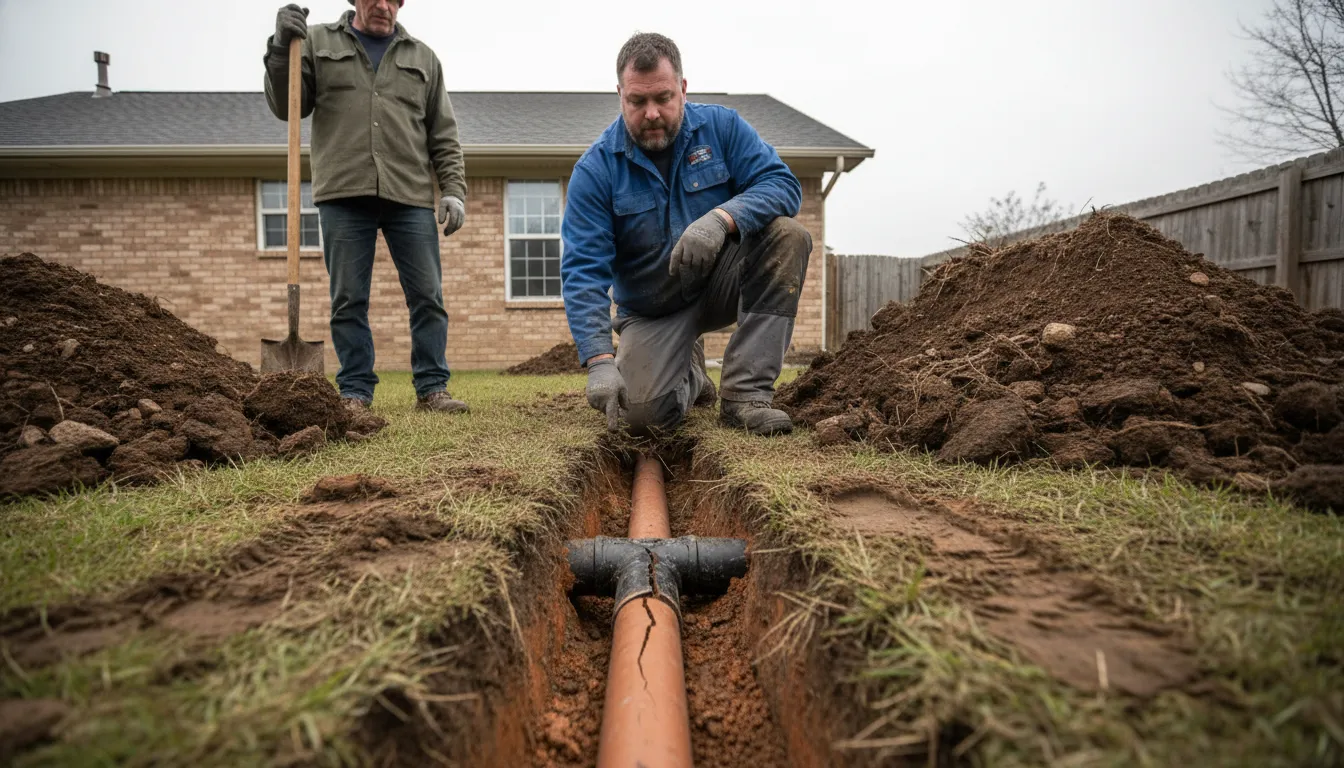
Find the Best Sewer Line Repair Companies for Your Business
No obligation • Fast responses • Nationwide coverage

Why you can trust Search a Plumber
Search a Plumber is a leading United States resource for finding and evaluating professional plumbing services. Our team researches licensing, experience, and customer feedback to create unbiased, fact-driven overviews. Companies cannot pay to change ratings or placement, ensuring homeowners get trustworthy information.
Search providers near you
Top Sewer Line Repair Companies in Pearland, Texas Ranked
A damaged sewer line is a serious issue that can disrupt your home's entire plumbing system and lead to costly property damage. Sewer line repair involves fixing or replacing the underground pipe that carries wastewater from your home to the city's main sewer system or your septic tank. In Pearland, where expansive clay soil and tree roots are common culprits, understanding your repair options is crucial. This guide will help you navigate the process, from recognizing the signs of a problem to choosing between modern trenchless methods and traditional excavation, so you can find a qualified local professional to restore your home's essential infrastructure.
Brazos Plumbing
1851 Gulf Fwy S #25, League City, TX 77573
Brazos Plumbing is a licensed plumbing service provider based in Houston, TX. They offer a wide range of plumbing solutions including water heater installation and repair, drain cleaning, leak detection, sewer line repair, and plumbing fixture installation. The company serves residential, commercial, retail, and multi-family properties in the Houston area. Brazos Plumbing uses advanced leak detection technology and provides expert sewer line repairs. Their team is experienced and committed to honest and transparent service.
Top Quality Plumbing Services
Houston, TX
Top Quality Plumbing Services is a licensed plumbing company serving Houston, TX. They provide a range of plumbing services including drain cleaning, sewer line repair, leak detection, repiping, and gas line installation for both residential and commercial properties. The company has many years of experience and offers 24-hour emergency service to address urgent plumbing issues at any time. Their team is trained to handle complex plumbing systems and is known for their licensed expertise in the Houston area.
Zoom Drain
1304 Langham Creek Dr suite 466, Houston, TX 77084
Zoom Drain is a plumbing company in Houston, TX, specializing exclusively in drain and sewer services for residential and commercial customers. They offer a range of services including drain cleaning, sewer line repair, sump pump repair, and hydro jetting. Using advanced technology such as camera inspections, they diagnose and address issues efficiently while focusing on preventing future problems. Zoom Drain also provides tailored maintenance plans and specialized services for various sectors including food and hospitality. Their team is known for detailed work and clear communication, handling complex projects like repiping with care and professionalism.
Flow Tech Plumbing
Houston, TX
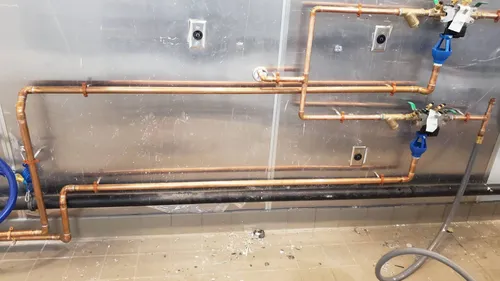
Flow Tech Plumbing provides a wide range of plumbing services in Houston, TX, including water heater repair and installation, drain cleaning, sewer line repair, gas line installation, and toilet repair. Serving both residential and commercial clients, the company uses modern techniques and technology to diagnose and fix plumbing issues efficiently. Flow Tech Plumbing also offers sewer backup repairs and plumbing fixture installations. The business serves Houston and surrounding areas such as Humble, Katy, and The Woodlands.
Repipe Pros
Houston, TX
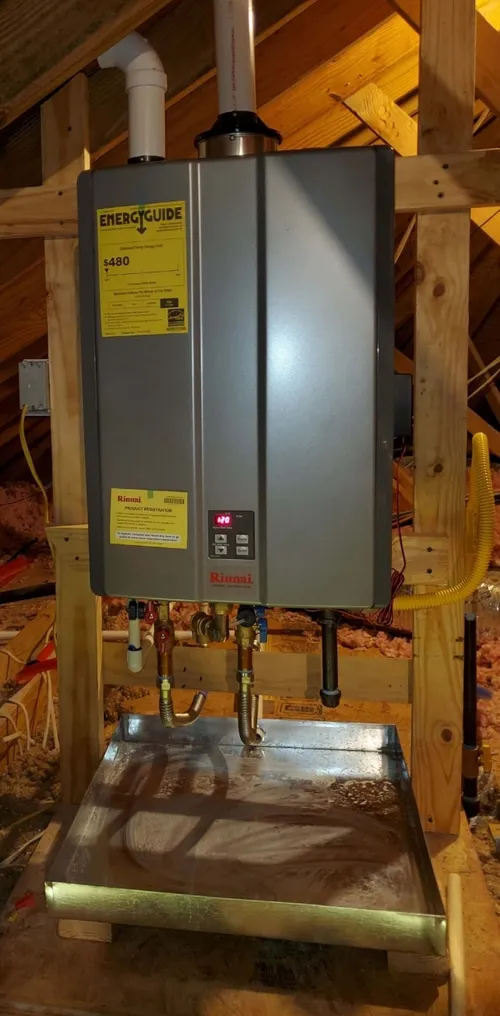
Repipe Pros is a family-owned plumbing business serving Houston, TX, with over 15 years of experience. They specialize in whole house repipes using Uponor PEX Grade-A piping and offer services including water heater installation and repair, water softener installation, sewer line repair, and main and drain line replacement. The company is led by Master Plumber Philip Seals and emphasizes courteous customer service and quality workmanship.
Recognizing the Signs of a Sewer Line Problem
Catching a sewer line issue early can prevent extensive damage and more expensive repairs. Homeowners should be vigilant for several key indicators. The most common sign is multiple slow or clogged drains throughout the house, especially if plunging or using a drain cleaner doesn't help. If you hear gurgling sounds from your toilets or drains when using other fixtures, it often signals a blockage or break in the main line. Unpleasant sewage odors in your yard or near drains inside the home are a serious red flag. In severe cases, you might notice soggy, sunken, or unusually lush patches in your lawn, which can indicate a leaking sewer line saturating the soil. The most urgent sign is sewage backing up into floor drains, showers, or toilets, which requires immediate professional attention.
Common Causes of Sewer Line Damage in Pearland
Understanding what causes sewer lines to fail can help in prevention and diagnosis. In Pearland, the local environment plays a significant role.
- Tree Root Intrusion: This is a leading cause of sewer line damage in Texas. Tree roots are naturally drawn to the moisture and nutrients inside sewer pipes. They can infiltrate through tiny cracks or loose joints, eventually growing and creating a complete blockage or causing the pipe to crack and collapse.
- Aging and Corroding Pipes: Many older homes in the area may have sewer lines made of cast iron, clay (Orangeburg), or even concrete. Over decades, these materials can corrode, crack, or collapse due to ground pressure and chemical reactions with wastewater.
- Shifting and Expansive Soil: The clay-heavy soil common in Pearland expands when wet and contracts when dry. This constant movement can put immense pressure on underground sewer pipes, leading to misaligned joints, cracks, and eventual breaks 1.
- Ground Settlement and Improper Installation: Over time, the ground can settle unevenly, causing pipes to sag in certain sections (known as a "belly"). This low spot collects waste and debris, leading to persistent blockages. Pipes that were not installed with the correct slope or bedding material are also more prone to failure.
Diagnostic Process: Locating the Problem
Before any repair can be planned, a precise diagnosis is essential. Professional plumbers use specialized tools to inspect the sewer line without guesswork.
- Camera Inspection: This is the gold standard for diagnosis. A plumber will insert a high-resolution, waterproof camera on a flexible rod into your main sewer cleanout. The camera transmits a live video feed to a monitor, allowing the technician to see the exact condition of the pipe's interior, locate blockages or damage, and measure the precise distance to the problem 2.
- Locating: Once the issue is identified via camera, the technician may use a locating device to trace the camera's signal. This pinpoints the exact horizontal and vertical location of the damage under your yard, driveway, or foundation, which is critical for planning the repair, whether trenchless or traditional.
This diagnostic step provides a clear picture of the damage's cause, location, and severity, forming the basis for an accurate repair recommendation and estimate.
Repair Method 1: Trenchless Sewer Line Repair
Trenchless technology has revolutionized sewer line repair by offering solutions that minimize disruption to your property. These methods are often ideal for repairs under driveways, landscaping, and patios.
Cured-In-Place Pipe (CIPP) Lining: This is a form of pipe rehabilitation. A flexible, resin-saturated felt tube is inverted or pulled into the damaged host pipe. Using air or water pressure, the liner is expanded to fit tightly against the old pipe's walls. The resin is then cured (often with hot water or UV light), forming a hard, durable, jointless "pipe-within-a-pipe." CIPP lining can seal cracks, holes, and joint failures and is resistant to root intrusion 3 4 5.
Pipe Bursting: This is a trenchless replacement method. A conical bursting head is pulled through the old, damaged pipe, fracturing it outward into the surrounding soil. Simultaneously, a new pipe (typically HDPE) is pulled in behind the bursting head, immediately replacing the old line. This method is used when the old pipe is too collapsed or degraded to be lined and allows for upsizing to a larger diameter pipe if needed.
Pros of Trenchless Repair:
- Minimal Disruption: Requires only small access pits at the beginning and end of the run, preserving lawns, driveways, and landscaping.
- Speed: Most trenchless repairs can be completed in one to two days.
- Durability: The new liner or pipe is often more resistant to roots and corrosion than the original.
- Less Restoration Cost: Eliminates the massive expense and hassle of repairing a dug-up yard or concrete surface.
Cons of Trenchless Repair:
- Higher Upfront Cost: The specialized equipment and materials can make the per-foot cost higher than simple excavation for short runs 6.
- Not for All Situations: May not be suitable for pipes with severe sags (bellies), multiple sharp bends, or damage that is very close to the home's foundation or the city main.
- Requires a Host Pipe: CIPP lining requires a pipe that is largely intact to act as a host; it cannot fix a completely collapsed section.
Find the perfect sewer line repair companies for your needs
Get personalized recommendations and expert advice
Repair Method 2: Traditional Excavation (Dig and Replace)
The conventional method involves using a backhoe or other excavation equipment to dig a trench along the path of the sewer line to fully expose it. The damaged section is then cut out and replaced with new piping, connections are made, and the trench is backfilled.
Spot Repair: This involves excavating only at the specific location of the damage, replacing a short section of pipe. It's a cost-effective solution for isolated problems, like a single root intrusion or a small crack.
Full Line Replacement: The entire sewer line from the house to the city connection is excavated and replaced. This is often necessary for pipes that are extensively corroded, collapsed, or made of obsolete materials like Orangeburg.
Pros of Traditional Excavation:
- Direct Access: Provides full visual and physical access to the pipe, allowing for a straightforward repair.
- Lower Material Cost: For short, accessible repairs, the cost of new pipe and labor can be less than trenchless methods.
- Universal Solution: Can address any type of damage, including severe bellies, multiple offsets, or complete collapses.
Cons of Traditional Excavation:
- Major Property Disruption: Destroys lawns, gardens, sidewalks, and possibly driveways. Restoration is a separate, costly project.
- Time-Consuming: The digging, repair, backfilling, and restoration process takes significantly longer.
- Higher Restoration Costs: The true "cost" includes not just the plumbing repair, but also the expense and time to restore your property to its original condition 7 8 9.
Cost Factors for Sewer Line Repair in Pearland
The cost of sewer line repair in Pearland varies widely based on the chosen method and specific job conditions. Here's a general breakdown based on local data:
- Full Sewer Line Replacement (Excavation): $6,000 - $25,000+
- Trenchless Repair (CIPP/Pipe Bursting): $3,000 - $15,000+ 10
- Spot Repair (Excavation): $1,000 - $7,000+ 11
- Per-Foot Costs: Trenchless methods typically range from $60-$250 per foot, while excavation can range from $50-$250 per foot, heavily dependent on depth and obstacles 12 13 14.
Key factors that influence the final price include:
- Pipe Depth and Location: Pipes buried deeper or located under a concrete slab, driveway, or patio are more expensive to access.
- Extent of Damage: A single root clog versus 50 feet of collapsed pipe.
- Pipe Material: Some older materials are more difficult to work with.
- Permits: The city of Pearland may require permits for sewer line work.
- Restoration: For excavation, the cost to re-sod your lawn, re-pour concrete, or rebuild a deck can add thousands.
- Choice of Plumbing Company: Rates vary based on experience, licensing, insurance, and equipment.
Choosing the Right Professional in Pearland
Selecting a qualified contractor is as important as choosing the repair method. Look for a licensed, insured plumber who specializes in sewer line work. They should perform a mandatory camera inspection before providing a firm quote and be willing to explain both trenchless and excavation options for your specific situation. Ask for detailed, written estimates that break down labor, materials, permit fees, and restoration costs. Check online reviews and ask for references to gauge their reputation for quality and professionalism. A trustworthy professional will help you weigh the long-term value and total cost of each option, not just the upfront price.
Frequently asked questions
Sources
Footnotes
-
Sewer Line Repair Cost in San Antonio: Average Prices & Factors - https://anchorplumbingservices.com/sewer-line-repair-cost/ ↩
-
Sewer Line Repair | Pearland, TX - https://www.excaliburplumbingpearland.com/sewer-line-repair ↩
-
Trenchless Sewer Repair: Lower Cost, Lower Impact Sewer Repair - https://www.sewerflowllc.com/2025/03/06/trenchless-sewer-repair-lower-cost-lower-impact-sewer-repair/ ↩
-
Trenchless Sewer Line Replacement - Free Estimates - https://reliantplumbing.com/drains/sewer-system-repair/trenchless-pipe-repair/ ↩
-
Cured In Place Pipe Repair Pearland, TX - https://tdtplumbing.com/service-areas/pearland-plumbing-services/cured-in-place-pipe-repair-pearland-tx/ ↩
-
Cost Comparison: Trenchless vs. Traditional Sewer Line Repair - https://www.advancedtrenchlesssolutions.com/blog/cost-comparison-trenchless-vs-traditional-sewer-line-repair ↩
-
Trenchless Sewer Line Repair vs. Sewer Line Excavation - https://dandfplumbing.com/sewer-line-repair-vs-sewer-line-excavation/ ↩
-
Trenchless Sewer Repair vs. Traditional Excavation - AQUALIS - https://aqualisco.com/trenchless-sewer-repair-vs-traditional/ ↩
-
Trenchless Sewer Repair vs. Traditional Excavation: Which is Better? - https://alphaenvironmental.net/blog/trenchless-sewer-repair-vs-traditional-excavation-which-is-better/ ↩
-
Trenchless vs. Traditional Sewer Repair - https://sewerlinesonly.com/trenchless-vs-traditional-sewer-repair-which-is-more-cost-effective-for-lakewood-homeowners/ ↩
-
How Much Does It Cost to Replace a Sewer Line? [2025 Data] - https://www.homeadvisor.com/cost/plumbing/repair-a-sewer-main/ ↩
-
Trenchless Sewer Repair in Houston, TX - NIcks Plumbing - https://www.nicksplumbing.com/services/trenchless-sewer-repair-houston/ ↩
-
How Much Does It Cost To Replace Sewer Lines in Pearland, TX? - https://santanabrosplumbing.com/how-much-does-it-cost-to-replace-sewer-lines-in-pearland-tx/ ↩
-
How Much Does Sewer Line Repair Cost in Dallas? - https://totalplumbing.net/how-much-does-sewer-line-repair-cost-in-dallas/ ↩