Find the Best Sewer Line Repair Companies for Your Business
No obligation • Fast responses • Nationwide coverage

Why you can trust Search a Plumber
Search a Plumber is a leading United States resource for finding and evaluating professional plumbing services. Our team researches licensing, experience, and customer feedback to create unbiased, fact-driven overviews. Companies cannot pay to change ratings or placement, ensuring homeowners get trustworthy information.
Search providers near you
Top Sewer Line Repair Companies in Pasadena, Texas Ranked
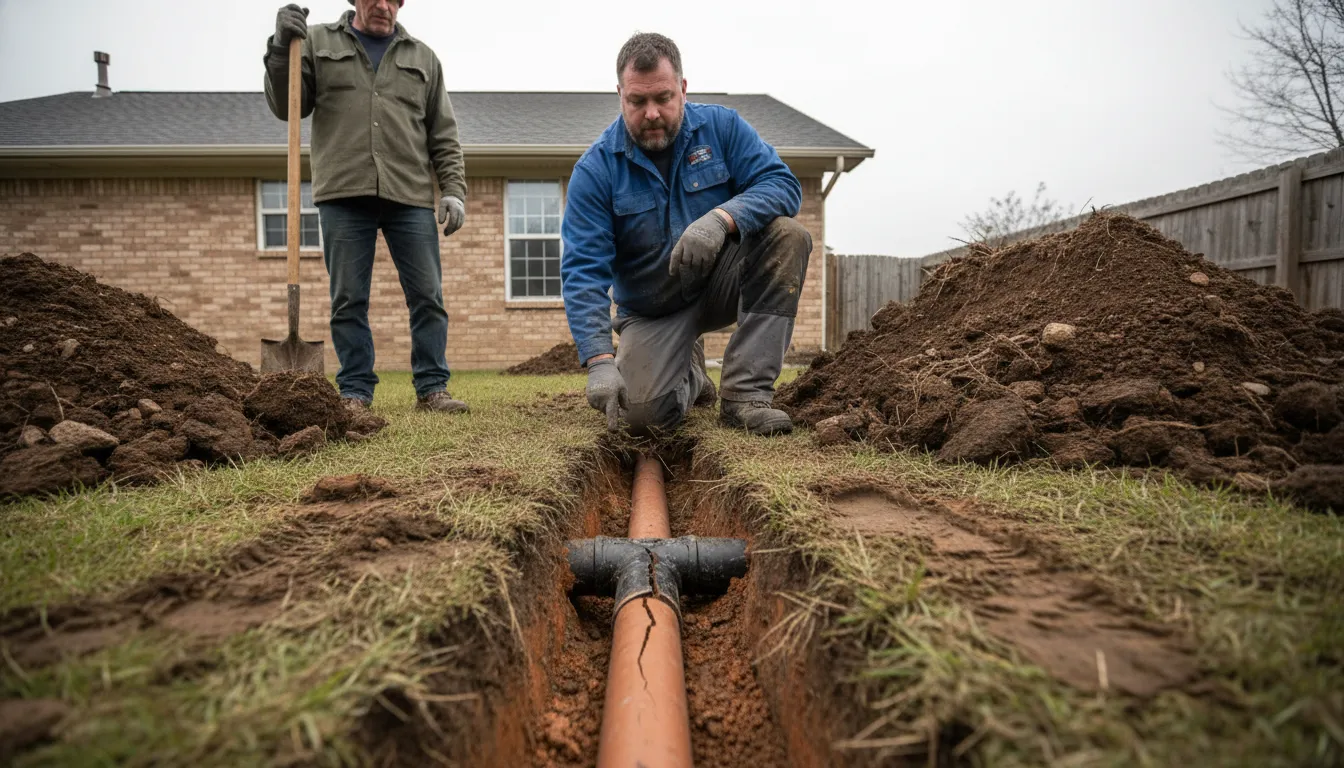
A damaged sewer line is a serious issue that can disrupt your home and lead to costly property damage. Sewer line repair involves fixing or replacing the underground pipe that carries wastewater from your home to the city's main sewer line. In Pasadena, this is a common concern due to the area's aging infrastructure and unique soil conditions. This guide explains the local causes of sewer problems, compares modern and traditional repair methods, and provides the information you need to connect with qualified local professionals for an assessment.
Capital Care Plumbing
17939 Kieth Harrow Blvd, Houston, TX 77084
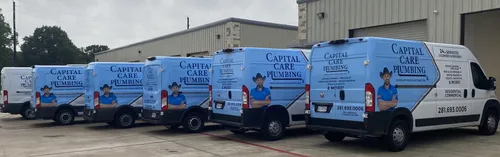
Capital Care Plumbing is a plumbing service provider based in Houston, TX, serving the greater Houston area including Katy, Cypress, and Richmond. They offer a range of plumbing services such as water heater repair and installation, drain cleaning, sewer line repair, and gas line installation. The company has over 20 years of experience since its founding in 2000 and provides 24/7 emergency plumbing services. Capital Care Plumbing emphasizes thorough assessments and efficient repairs to address plumbing issues for both residential and commercial properties.
Brazos Plumbing
1851 Gulf Fwy S #25, League City, TX 77573
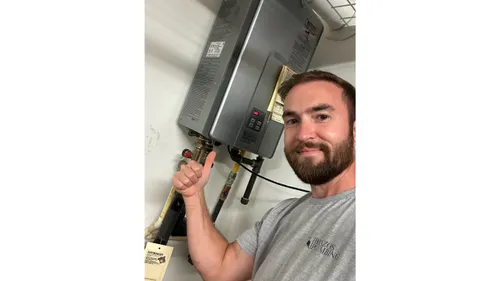
Brazos Plumbing is a licensed plumbing service provider based in Houston, TX. They offer a wide range of plumbing solutions including water heater installation and repair, drain cleaning, leak detection, sewer line repair, and plumbing fixture installation. The company serves residential, commercial, retail, and multi-family properties in the Houston area. Brazos Plumbing uses advanced leak detection technology and provides expert sewer line repairs. Their team is experienced and committed to honest and transparent service.
Top Quality Plumbing Services
Houston, TX
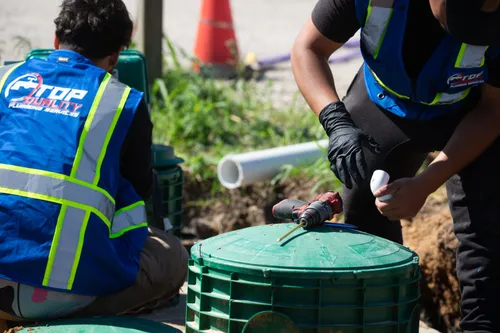
Top Quality Plumbing Services is a licensed plumbing company serving Houston, TX. They provide a range of plumbing services including drain cleaning, sewer line repair, leak detection, repiping, and gas line installation for both residential and commercial properties. The company has many years of experience and offers 24-hour emergency service to address urgent plumbing issues at any time. Their team is trained to handle complex plumbing systems and is known for their licensed expertise in the Houston area.
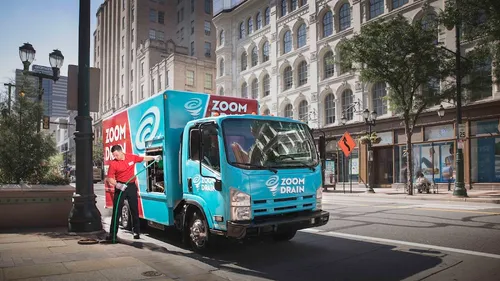
Zoom Drain
1304 Langham Creek Dr suite 466, Houston, TX 77084
Zoom Drain is a plumbing company in Houston, TX, specializing exclusively in drain and sewer services for residential and commercial customers. They offer a range of services including drain cleaning, sewer line repair, sump pump repair, and hydro jetting. Using advanced technology such as camera inspections, they diagnose and address issues efficiently while focusing on preventing future problems. Zoom Drain also provides tailored maintenance plans and specialized services for various sectors including food and hospitality. Their team is known for detailed work and clear communication, handling complex projects like repiping with care and professionalism.
Flow Tech Plumbing
Houston, TX
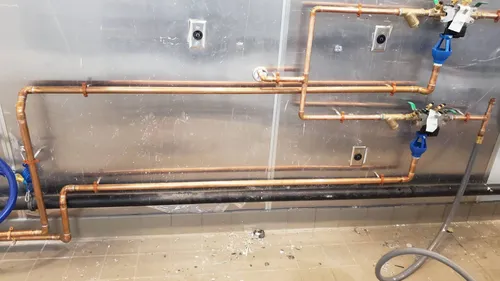
Flow Tech Plumbing provides a wide range of plumbing services in Houston, TX, including water heater repair and installation, drain cleaning, sewer line repair, gas line installation, and toilet repair. Serving both residential and commercial clients, the company uses modern techniques and technology to diagnose and fix plumbing issues efficiently. Flow Tech Plumbing also offers sewer backup repairs and plumbing fixture installations. The business serves Houston and surrounding areas such as Humble, Katy, and The Woodlands.
Understanding Your Pasadena Sewer Line
The sewer lateral is a critical but hidden component of your home's plumbing system. It runs underground from your home's foundation to the public sewer main, usually located under the street. When this line fails, it's not a simple DIY fix-it requires specialized equipment and expertise to diagnose and resolve.
Common Causes of Sewer Line Failure in Pasadena
Several factors specific to the Pasadena area contribute to frequent sewer line issues:
- Tree Root Intrusion: This is a leading cause of blockages and breaks. Older neighborhoods in Pasadena are lined with mature trees whose roots are naturally drawn to the moisture and nutrients in sewer pipes. Roots can exploit tiny cracks in older pipes, eventually growing inside and causing complete blockages or structural damage.
- Aging and Corroding Pipes: Many homes in Pasadena, especially those built before the 1970s, have sewer lines made of clay tile or cast iron. Clay pipes can crack and shift over time, while cast iron is susceptible to corrosion and rust, eventually leading to collapses.
- Seismic Activity: Southern California's earthquake-prone geology means the ground can shift. These seismic events can misalign pipe joints, crack brittle clay pipes, or even cause complete breaks in the sewer line.
- Expansive Clay Soil: The soil in much of Southern California has a high clay content. This type of soil expands when wet and contracts when dry, a cycle that places constant stress on underground pipes, leading to movement, cracks, and breaks over time.
Modern vs. Traditional Sewer Repair Methods
When facing a sewer line problem, homeowners typically have two broad approaches: traditional excavation or modern trenchless technology. The right choice depends on the damage's location, severity, and your property's specific conditions.
Traditional Excavation Repair
This is the conventional method most people picture: a crew digs a large, deep trench along the path of the sewer line to fully expose the damaged pipe. The old pipe is removed, and a new section is installed before the trench is backfilled.
- When It's Necessary: Excavation is often unavoidable for severe damage, such as a completely collapsed pipe, or when the line has suffered extreme misalignment. It may also be the only option if the existing pipe has multiple failed sections over a long distance.
- Pros and Cons: The primary advantage is that it allows for a direct, complete replacement. However, the downsides are significant. The process is highly disruptive, destroying lawns, gardens, driveways, patios, and sidewalks in its path. This leads to substantial additional costs and time for restoration, which can add thousands to the final bill 1.
Trenchless Sewer Repair
Trenchless technology has revolutionized sewer line fixes by minimizing or eliminating the need for digging. Two primary techniques are used:
- Pipe Lining (Cured-in-Place Pipe or CIPP): A flexible tube coated with resin is inserted into the damaged sewer line. It is then inflated, pressing the resin against the interior walls of the old pipe. The resin cures, forming a hard, seamless "pipe within a pipe" that seals cracks and blocks root intrusion.
- Pipe Bursting: This method is used for full replacement. A conical bursting head is pulled through the old, damaged pipe, fracturing it outward. Simultaneously, a new, durable pipe (often HDPE) is pulled into place behind the bursting head.
- Advantages of Trenchless: The benefits are clear. There is minimal digging-usually just two small access holes. This preserves your landscaping, hardscaping, and tree roots, saving enormous restoration costs and time. The process is much faster, often completed in a day, and the new liner or pipe is highly resistant to roots and corrosion 2 3.
- Limitations: Trenchless methods require a clear path through the old pipe. If the line has completely collapsed or has severe offsets, it may not be feasible. A thorough video inspection is essential to determine eligibility.
Find the perfect sewer line repair companies for your needs
Get personalized recommendations and expert advice
Cost Considerations for Pasadena Homeowners
Sewer line repair is a significant investment, and costs in Pasadena can vary widely based on the method chosen, the extent of damage, pipe material, and access difficulty.
- Trenchless Repair Costs: Generally, trenchless methods cost between $60 and $250 per linear foot, with total project costs typically ranging from $1,000 to over $20,000 4. While the per-foot cost can be higher than excavation, you avoid massive landscape restoration bills, often making it more cost-effective overall.
- Traditional Excavation Costs: The digging itself may cost $50 to $450+ per foot for the plumbing work. However, the critical added expense is restoration, which can add $1,500 to $8,000 or more to repave driveways, re-sod lawns, and repair hardscapes5 6 7.
- Pasadena Averages: For a typical sewer line replacement in Pasadena, homeowners might expect to pay between $2,500 and $6,700, though complex projects with difficult access or major restoration needs can far exceed this range8.
The Essential First Step: Video Camera Inspection
Before any repair method is chosen, a professional video camera inspection (VCI) is non-negotiable. A specialized waterproof camera is sent through the sewer line, providing a real-time view of its interior condition on a monitor. This inspection9:
- Pinpoints the exact location and nature of the problem (e.g., root mass, crack, belly, collapse).
- Determines the best repair method (Can it be lined, or does it need bursting or excavation?).
- Provides documented proof of the issue, which is useful for insurance claims or city permits.
- Gives an accurate scope of work for a detailed, fair quote.
Never agree to a major sewer repair without seeing the video evidence first.
Choosing the Right Solution for Your Home
So, how do you decide? The data from your video inspection will guide the recommendation.
- For isolated cracks, holes, or root intrusions in an otherwise sound pipe, trenchless pipe lining is often the ideal, least invasive solution 10.
- If the pipe is extensively damaged but not fully collapsed, pipe bursting provides a full, durable replacement with minimal surface disruption11.
- Traditional excavation becomes the necessary choice for total collapses, pipes with severe misalignment ("bellies"), or situations where trenchless equipment cannot pass through.
The most reliable path is to consult with experienced, local Pasadena plumbing professionals who specialize in sewer diagnostics and both trenchless and traditional repair methods. They can perform the inspection and present you with all viable options for your specific situation12 13.
Frequently asked questions
Sources
Footnotes
-
Trenchless Sewer Line Repair vs Traditional: Which Is Better - https://cactusplumbingandair.com/trenchless-sewer-line-repair-vs-traditional/ ↩
-
Trenchless Sewer Repair: Lower Cost, Lower Impact Sewer Repair - https://www.sewerflowllc.com/2025/03/06/trenchless-sewer-repair-lower-cost-lower-impact-sewer-repair/ ↩
-
Trenchless Sewer Repair vs. Traditional Excavation - AQUALIS - https://aqualisco.com/trenchless-sewer-repair-vs-traditional/ ↩
-
Is Trenchless Sewer Line Repair Cheaper? - AP Plumbing - https://applumbing.com/blog/is-trenchless-sewer-line-repair-cheaper/ ↩
-
Cost Comparison: Trenchless vs. Traditional Sewer Line Repair - https://www.advancedtrenchlesssolutions.com/blog/cost-comparison-trenchless-vs-traditional-sewer-line-repair ↩
-
Trenchless vs. Traditional Sewer Repair - https://sewerlinesonly.com/trenchless-vs-traditional-sewer-repair-which-is-more-cost-effective-for-lakewood-homeowners/ ↩
-
How To Choose The Best Sewer Line Replacement Method: A Comprehensive Guide - https://dirtcheapsewer.com/how-to-choose-the-best-sewer-line-replacement-method/ ↩
-
Sewer Line Replacement in Pasadena, CA - Costs 12 / 2025 - https://www.homeyou.com/ca/sewer-line-replacement-pasadena-costs ↩
-
Sewer Line Replacement vs Repair: A Cost-Benefit Analysis ... - https://www.alpineplumbingandair.com/sewer-line-replacement-vs-repair-a-cost-benefit-analysis-for-california-homes/ ↩
-
Trenchless Pipe Lining in Pasadena, CA - https://www.drainflowsolutionsplumbing.com/service-areas/pasadena-ca/trenchless-pipe-lining/ ↩
-
Sewer Pipe Bursting Cost: Essential Factors to Consider - https://www.benjaminfranklinplumbing.com/league-city/blog/2024/december/sewer-pipe-bursting-cost-essential-factors-to-consider/ ↩
-
TOP 10 BEST Trenchless Sewer Repair in Pasadena, CA - Yelp - https://m.yelp.com/search?find_desc=Trenchless+Sewer+Repair&find_loc=Pasadena%2C+CA ↩
-
Sewer Repair Options: Trenchless vs. Traditional Methods | TYCO - https://tycoplumbingco.com/sewer-repair-options-trenchless-vs-traditional-methods/ ↩