Find the Best Sewer Line Repair Companies for Your Business
No obligation • Fast responses • Nationwide coverage

Why you can trust Search a Plumber
Search a Plumber is a leading United States resource for finding and evaluating professional plumbing services. Our team researches licensing, experience, and customer feedback to create unbiased, fact-driven overviews. Companies cannot pay to change ratings or placement, ensuring homeowners get trustworthy information.
Search providers near you
Top Sewer Line Repair Companies in Little Elm, Texas Ranked
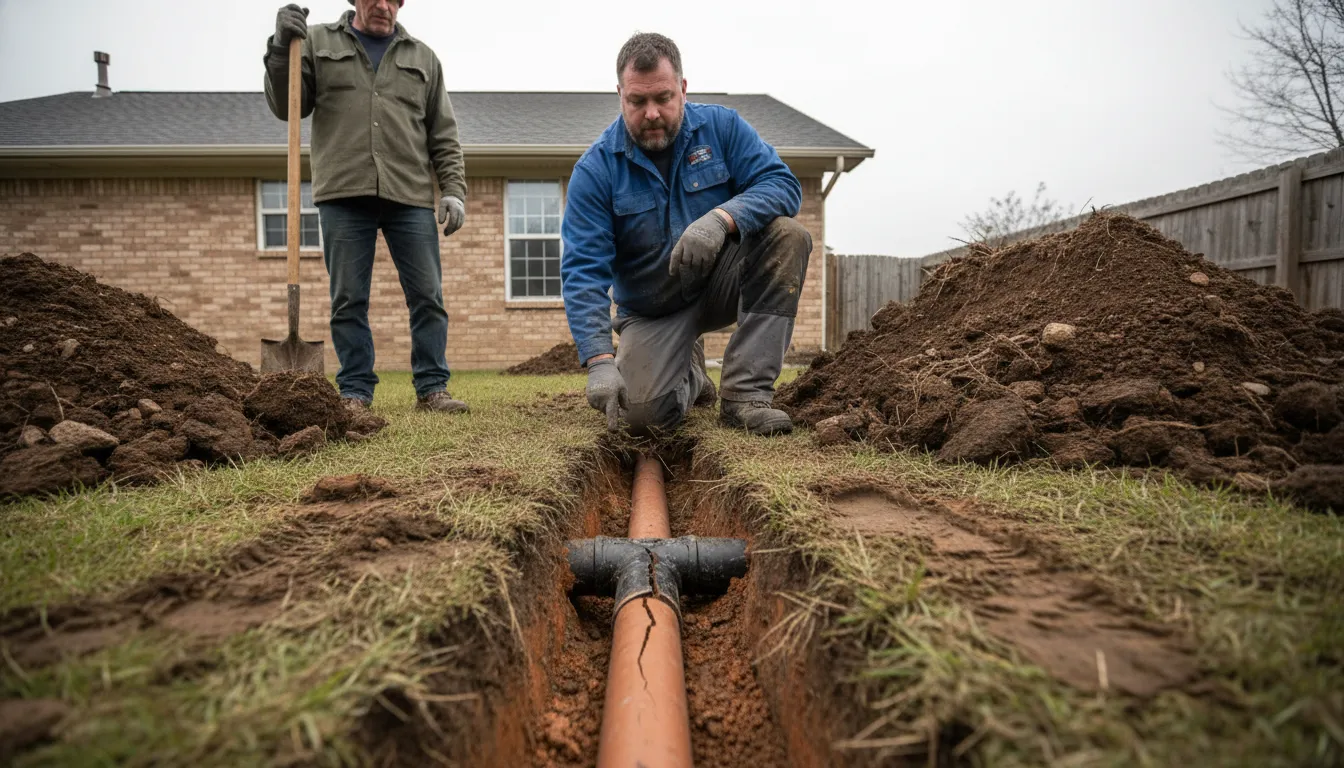
A damaged sewer line is a serious issue that can disrupt your home's entire plumbing system and lead to costly property damage. Sewer line repair involves diagnosing and fixing the underground pipe that carries wastewater from your home to the municipal sewer main. This guide is designed to help Little Elm homeowners understand the common causes of sewer line failure, the repair methods available, and how to navigate the process of finding a qualified local specialist to restore proper function with minimal disruption.
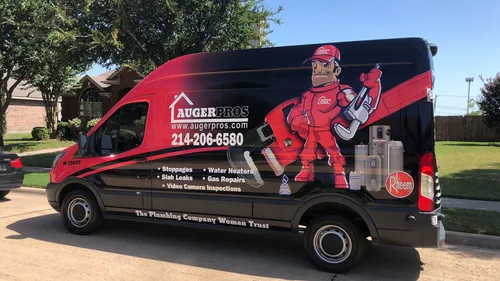
Augerpros Plumbing and Drain
206 W McDermott Dr #120, Allen, TX 75013
Augerpros Plumbing and Drain is a licensed and insured plumbing company serving Dallas, TX, and the greater North Dallas area. They provide a wide range of plumbing services including sewer camera inspections, water heater repair and installation, drain cleaning, sewer line repair, leak detection, gas line installation, toilet repair, and garbage disposal repair. The company uses advanced sewer and video equipment to diagnose and address plumbing issues thoroughly. Recognized nationally as a Best of the Best winner for three consecutive years, Augerpros Plumbing and Drain combines decades of technical training with customer-focused service.
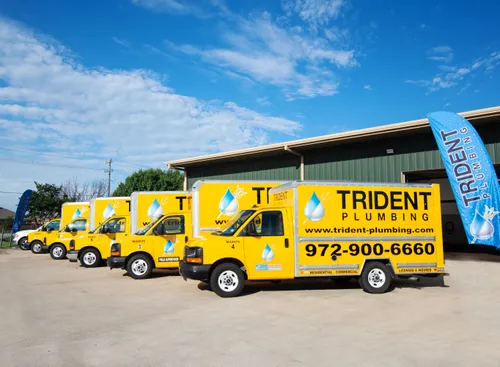
Trident Plumbing
15222 King Rd Ste 301, Frisco, TX 75034
Trident Plumbing provides a range of plumbing services in Garland, TX, including water heater repair and installation, tankless water heater services, water softener installation, drain cleaning, sewer line repair, leak detection, and gas line installation. Their team includes Master Plumbers, licensed Journeymen, and Technicians who receive ongoing professional education. Trident Plumbing also offers specialized slab leak detection and repair, supporting both residential and commercial plumbing needs.
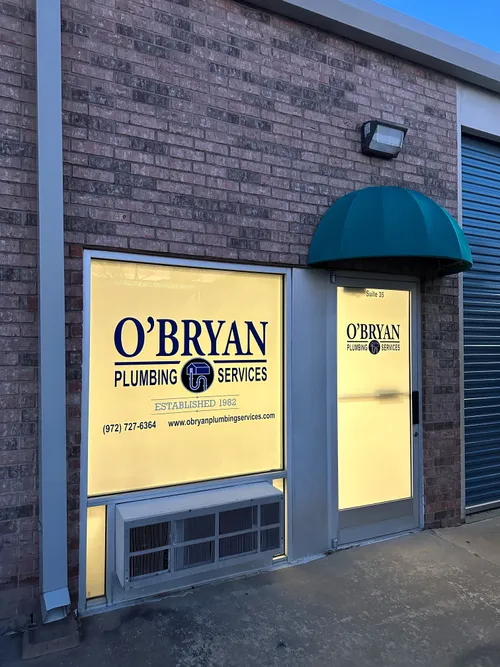
O'Bryan Plumbing Services
800 Fulgham Rd Suite 35, Plano, TX 75093
O'Bryan Plumbing Services is a plumbing company serving Dallas, TX, offering a wide range of plumbing solutions including water heater repair and installation, sewer and drain cleaning, leak detection, and gas line installation. They use advanced technology such as sewer camera inspections to accurately diagnose and address plumbing issues. Established in 1982, O'Bryan Plumbing Services brings decades of experience to their work, providing comprehensive plumbing maintenance and repair services to residential customers.
On Point Plumbing DFW
1145 Hidden Oaks Dr, Bedford, TX 76022
On Point Plumbing DFW provides a range of plumbing services in Dallas, TX, including sewer camera inspections, water heater installations, drain cleaning, sewer line repairs, and leak detection. Serving Bedford, Arlington, Dallas, Fort Worth, Weatherford, Aledo, and surrounding areas, they use advanced cameras and pressure gauges to diagnose plumbing issues accurately. The company combines over 50 years of experience with licensed and insured professionals to deliver code-compliant work. They also offer 24/7 emergency support for urgent plumbing needs.
Adr plumbing Co
Plano, TX
Adr Plumbing Co is a plumbing service provider based in Plano, TX, offering a wide range of services including water heater repair and installation, tankless water heater services, drain cleaning, sewer line repair, leak detection, repiping, toilet repair, and garbage disposal repair. They serve residential and property management clients with expertise in trenchless sewer repair and tunneling for under-slab repairs. Established in 2019, Adr Plumbing Co combines over 20 years of industry experience with well-stocked service vehicles to efficiently handle plumbing issues from minor leaks to major sewer line replacements. The company operates around the clock to address plumbing emergencies and routine maintenance needs.
Understanding Your Sewer Line in Little Elm
The main sewer line, or sewer lateral, is a critical but out-of-sight component of your home's plumbing. In Little Elm, this pipe typically runs from the foundation of your house, under your yard, driveway, or sidewalk, and connects to the city's sewer system at the street. Many homes in the area, particularly those built in past decades, were constructed with pipes made from materials that are now aging and prone to problems. Knowing what your pipe is made of and where it runs is the first step in addressing any issue.
Common historical pipe materials in the region include:
- Cast Iron: Durable but susceptible to corrosion and rust over decades.
- Orangeburg: A bituminous fiber pipe used mid-century that can deform and collapse.
- Clay Tile: Jointed sections that are easily invaded by tree roots.
- PVC/ABS Plastic: Modern, more resilient materials, though still vulnerable to shifting soil and root pressure.
Common Causes of Sewer Line Damage
Several factors specific to the North Texas environment contribute to sewer line failures in Little Elm homes. Identifying the root cause is essential for determining the most effective and long-lasting repair strategy.
Tree Root Intrusion: This is one of the most frequent issues homeowners face. Trees and large shrubs seek out water and nutrients, and the small joints or cracks in sewer pipes are prime targets. Roots can infiltrate, causing complete blockages, and as they grow, they can exert enough pressure to crack or collapse the pipe entirely.
Pipe Corrosion and Deterioration: Older metal pipes, especially cast iron, corrode from the inside out over time. This corrosion eats away at the pipe wall, leading to leaks, reduced flow, and eventual structural failure 1.
Soil Shifting and Settlement: The expansive clay soil common in Texas is a significant factor. This soil swells when wet and shrinks during droughts, creating movement that can stress underground pipes, leading to misaligned joints, cracks, or even breaks 2.
Ground Pressure and Physical Damage: Beyond soil movement, external pressure from heavy vehicles driving over the pipe's location, construction activity, or even the natural settling of a home's foundation can cause a sewer line to crack, sag, or collapse.
Signs You Need Sewer Line Repair
Don't ignore these warning signs, as a small problem can quickly escalate:
- Multiple Slow or Clogged Drains: If more than one fixture (like a toilet and a shower) drains slowly or backs up simultaneously, especially when using another, the problem is likely in the main line.
- Unpleasant Sewage Odors: Foul smells emanating from drains or in your yard, particularly near the cleanout or sewer line path.
- Unusual Lawn Conditions: Soggy, sunken, or inexplicably lush and green patches in your yard can indicate a leaking sewer line fertilizing the grass.
- Gurgling Sounds: Hearing gurgling from toilets or drains when water is running elsewhere in the house.
- Increased Pest Activity: An unexpected rise in insects or rodents around your property can sometimes be linked to sewer line breaches.
Sewer Line Repair Methods Explained
When a problem is confirmed, typically via a video camera inspection, a professional will recommend one of several repair approaches. The right choice depends on the damage's location, severity, and the condition of the existing pipe.
Traditional Excavation (Dig-and-Replace)
This is the conventional method where technicians dig a trench along the path of the damaged pipe to fully expose it. The old pipe is removed, a new section is installed, and the trench is backfilled. When it's best suited: For severe, collapsed pipes or situations where the existing pipe is too damaged for trenchless methods. It is often a more straightforward solution for major breaks 3. Key consideration: This method is highly disruptive to landscaping, driveways, sidewalks, and other hardscapes, and often involves significant restoration costs after the plumbing work is complete 4.
Trenchless Sewer Repair
Trenchless technology offers a less invasive alternative, often referred to as "no-dig" sewer repair. There are two primary techniques:
- Pipe Lining (Cured-in-Place Pipe - CIPP): A flexible, resin-saturated liner is inserted into the old pipe and inflated. The resin cures in place, forming a hard, seamless "pipe within a pipe" that seals cracks and holes.
- Pipe Bursting: A bursting head is pulled through the old, damaged pipe, fracturing it outward while simultaneously pulling a new, high-density polyethylene (HDPE) pipe into place behind it.
When it's best suited: For pipes that are structurally sound but cracked, leaking, or suffering from root intrusion. It's ideal for lines running under driveways, mature landscaping, or other areas where excavation would be prohibitively disruptive. Key consideration: Trenchless repair requires specialized equipment and expertise. It may not be suitable for pipes that have completely collapsed or have severe misalignment 5.
Find the perfect sewer line repair companies for your needs
Get personalized recommendations and expert advice
Spot Repair
Sometimes, the damage is isolated to a single section of pipe. A spot repair involves excavating only that specific area to replace a short segment. When it's best suited: For localized damage, such as a single root intrusion at a joint or a small section of crushed pipe, when the rest of the line is in good condition.
Cost Considerations for Little Elm Homeowners
Sewer line repair is a significant investment, and costs in Little Elm can vary widely based on the repair method, the extent of damage, and the pipe's location and depth. Here's a general breakdown to help you set expectations:
- Spot Repair (Excavation): For a small, localized fix, costs often range from $1,000 to $4,000 or more.
- Full Traditional Replacement (Excavation): Replacing a long section of pipe via digging typically ranges from $4,000 to $15,000+. The final price heavily depends on the length of pipe, depth, and complexity of the dig.
- Trenchless Repair (Lining or Bursting): These methods often range from $3,000 to $12,000+, frequently calculated at a rate of $100 to $250 or more per linear foot6.
Critical Factors That Influence Cost:
- Location: Pipes running under driveways, concrete slabs, patios, or extensive landscaping require cutting, removal, and restoration, which can add $2,000 to $8,000+ for concrete work and $1,500 to $5,000+ for landscaping 7 8 9.
- Depth and Accessibility: Deeper pipes require more labor and safety precautions.
- Permits: Local Little Elm permits may be required for sewer work.
- Pipe Material and Diameter: Some materials are harder to work with, and larger diameters require more material.
While trenchless methods may have a higher upfront material cost, they can be more cost-effective overall by virtually eliminating expensive restoration work 10. A traditional excavation might have a lower plumbing bill but can result in much higher total costs once landscaping and hardscape repairs are factored in.
The Importance of a Professional Camera Inspection
Before any repair decision is made, insist on a thorough video camera inspection. This diagnostic tool is non-invasive and provides a clear, real-time view inside your sewer line. A professional can pinpoint the exact location, nature, and severity of the problem-whether it's a root mass, a crack, a belly (sagging section), or a collapse. This evidence is crucial for obtaining accurate quotes and choosing the most appropriate and cost-effective repair method 11 12.
Finding the Right Professional in Little Elm
When seeking sewer line services, look for licensed, insured plumbers or sewer specialists with specific experience in both traditional and trenchless repair methods. Ask for references, verify their standing with the Texas State Board of Plumbing Examiners, and ensure they provide detailed, written estimates that break down labor, materials, permit fees, and restoration costs. Always obtain multiple quotes to compare both the proposed solutions and the associated costs.
Frequently asked questions
Sources
Footnotes
-
Common Causes of Sewer Line Damage: Key Factors and Prevention Tips - https://www.onecallplumbingsc.com/common-causes-of-sewer-line-damage/ ↩
-
Little Elm Plumbing Code and Plum Bing Issues - https://chromeairconditioning.com/little-elm-plumbing-code-and-plum-bing-issues/ ↩
-
Trenchless Sewer Line Repair vs Traditional: Which Is Better - https://cactusplumbingandair.com/trenchless-sewer-line-repair-vs-traditional/ ↩
-
Trenchless Sewer Repair vs. Traditional Excavation - AQUALIS - https://aqualisco.com/trenchless-sewer-repair-vs-traditional/ ↩
-
Trenchless Sewer Repair in Chicago | No Digging Needed - https://www.trenchlessinnovations.com/sewer-line-repair-methods/ ↩
-
Trenchless Sewer Line Replacement - Free Estimates - https://reliantplumbing.com/drains/sewer-system-repair/trenchless-pipe-repair/ ↩
-
Trenchless vs. Traditional Sewer Repair - https://sewerlinesonly.com/trenchless-vs-traditional-sewer-repair-which-is-more-cost-effective-for-lakewood-homeowners/ ↩
-
How Much Does Sewer Line Repair Cost in Dallas? - https://totalplumbing.net/how-much-does-sewer-line-repair-cost-in-dallas/ ↩
-
Is Trenchless Sewer Line Repair Cheaper? - AP Plumbing - https://applumbing.com/blog/is-trenchless-sewer-line-repair-cheaper/ ↩
-
Cost Comparison: Trenchless vs. Traditional Sewer Line Repair - https://www.advancedtrenchlesssolutions.com/blog/cost-comparison-trenchless-vs-traditional-sewer-line-repair ↩
-
How Much Does Sewer Line Repair Cost in San Antonio? - https://anchorplumbingservices.com/sewer-line-repair-cost/ ↩
-
Sewer Line Repairs - All you need to know - Trident Plumbing - https://trident-plumbing.com/blog/sewer-line-repairs-all-you-need-to-know/ ↩