Find the Best Sewer Line Repair Companies for Your Business
No obligation • Fast responses • Nationwide coverage

Why you can trust Search a Plumber
Search a Plumber is a leading United States resource for finding and evaluating professional plumbing services. Our team researches licensing, experience, and customer feedback to create unbiased, fact-driven overviews. Companies cannot pay to change ratings or placement, ensuring homeowners get trustworthy information.
Search providers near you
Top Sewer Line Repair Companies in Leander, Texas Ranked
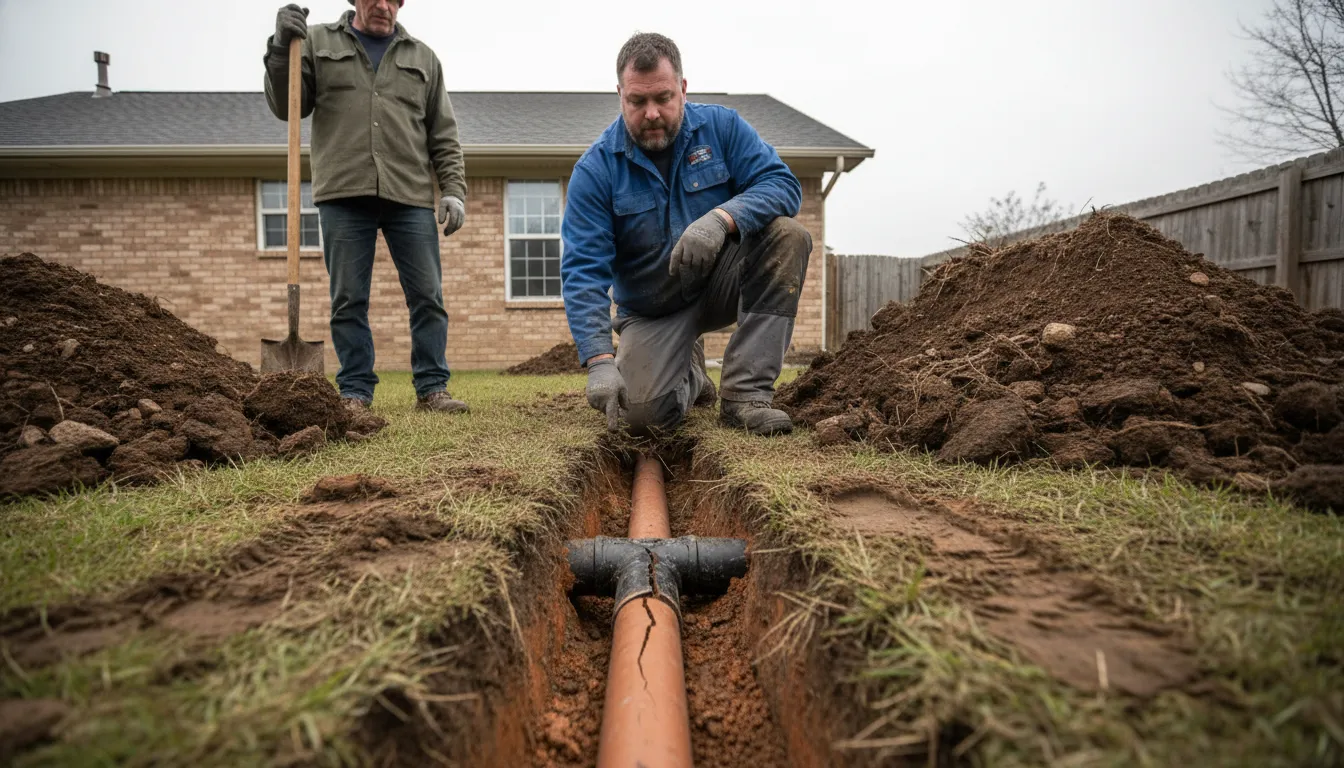
A damaged sewer line is a serious issue that can disrupt your home's plumbing, create health hazards, and cause significant property damage if left unaddressed. Sewer line repair involves diagnosing and fixing the underground pipe that carries all your home's wastewater to the city's main sewer line. This guide explains the common causes of sewer line failures in Leander, the repair methods available, and what you can expect in terms of process and investment. Use the information here to understand your options and connect with qualified local specialists who can assess your specific situation.
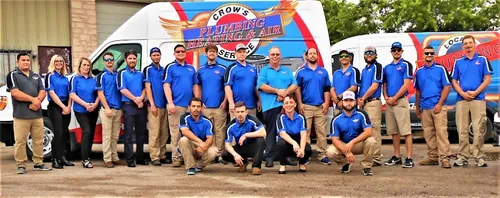
Crows Plumbing Service
1500 Chisholm Trail Rd suite 100, Round Rock, TX 78681
Crows Plumbing Service is a family-owned plumbing company serving Austin, TX, and nearby areas with over 20 years of experience. They provide a wide range of plumbing services including water heater repair and installation, water softener installation, drain cleaning, hydro jetting, sewer line repair, leak detection, gas line installation, toilet repair, and garbage disposal repair. Their team is skilled in handling both residential and commercial plumbing needs, offering same-day service to address urgent issues. One of their notable capabilities is hydro jetting, which effectively clears stubborn blockages in drains and sewer lines. Established in 2007, Crows Plumbing Service combines local expertise with a service warranty for added customer assurance.
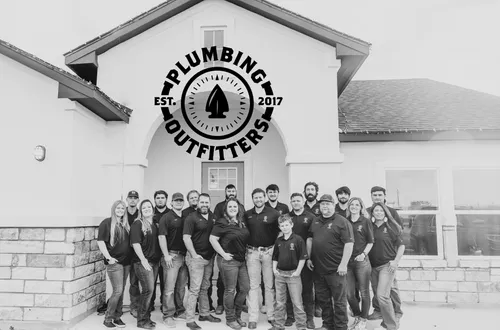
Plumbing Outfitters
24 Co Rd 496, Taylor, TX 76574
Plumbing Outfitters is a licensed plumbing company serving Austin, TX, and the surrounding Central Texas area. Led by Master Plumber Warren Stroud and co-owner Ashley Stroud, the team offers a wide range of services including sewer camera inspections, water heater installation and repair, drain cleaning, leak detection, repiping, and sump pump repair. They use advanced diagnostic tools such as cameras and pressure gauges to provide code-compliant plumbing solutions with materials like copper and PVC. With decades of combined experience, Plumbing Outfitters focuses on clear diagnostics and honest repairs to address plumbing challenges in both older and remodeled homes. They also provide 24-hour emergency plumbing services for urgent issues like slab leaks and burst pipes.
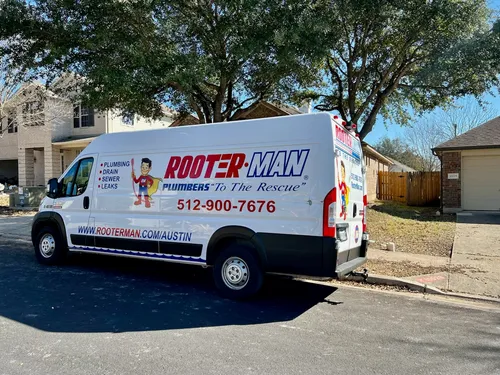
Rooter-Man Plumbing Austin TX
15503 Patrica St, Austin, TX 78728
Rooter-Man Plumbing Austin TX provides a wide range of plumbing services in Austin, TX, including sewer camera inspections, water heater repair and installation, drain cleaning, hydro jetting, sewer line repair, gas line installation, and toilet repair. With over 50 years of experience and a presence across the US and Canada since 1997, Rooter-Man offers expert solutions such as high-pressure water jetting to clear main drain lines and video inspections to locate pipe issues efficiently. The company also offers emergency services on weekends and holidays to address urgent plumbing needs.
OnCall Plumbing
247 Clear Frk Lp, Liberty Hill, TX 78642
OnCall Plumbing is a family-owned plumbing company serving Austin, TX, and the surrounding Central Texas area. They provide a wide range of services including tankless water heater installation, leak detection, sewer line repair, repiping, toilet repair, and garbage disposal repair. Established in 2010, OnCall Plumbing brings over 20 years of professional experience to residential, commercial, and new construction clients. The company offers 24/7 emergency plumbing services to address urgent needs promptly.
Neighborhood Plumbing and Drain - Georgetown
104 Country Rd, Georgetown, TX 78628
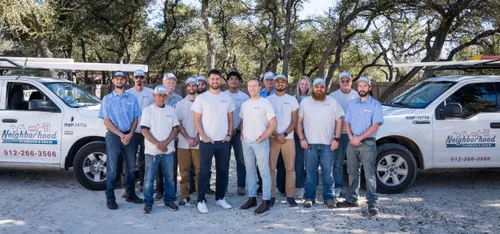
Neighborhood Plumbing and Drain - Georgetown is a licensed plumbing company serving the Georgetown area near Austin, TX. They provide a wide range of plumbing services including drain cleaning, water heater repair and installation, leak detection, repiping, sewer line inspection and trenchless sewer repair, as well as garbage disposal repair. The company uses advanced tools such as high-resolution sewer cameras and modern leak detection equipment to deliver precise diagnostics and repairs. Their team focuses on addressing plumbing issues thoroughly to prevent recurring problems. Neighborhood Plumbing and Drain emphasizes transparent pricing and customer satisfaction in all their work.
Common Causes of Sewer Line Failure in Leander
Understanding why your main sewer line is failing is the first step toward a lasting solution. In Leander, several factors contribute to the need for sewer pipe repair or replacement.
- Tree Root Intrusion: This is a leading cause of blockages and damage. Roots seek out moisture and nutrients, often infiltrating tiny cracks or loose joints in older pipes. Once inside, they grow and expand, causing major clogs and eventually breaking the pipe.
- Aging and Corroding Pipes: Many older homes in the area have sewer lines made of cast iron or clay. Over decades, cast iron can corrode and rust through, while clay pipes can crack and crumble. Even newer PVC pipes can fail if not properly installed or if subjected to ground shifting.
- Ground Shifting and Settlement: The soil in Central Texas is known for its clay content, which expands when wet and contracts when dry. This constant movement can put stress on underground sewer drains, leading to cracks, misaligned joints, or complete pipe collapse 1.
- Grease and Debris Buildup: While not always a structural failure, the gradual accumulation of grease, non-flushable items, and other debris can create severe blockages that mimic or exacerbate a damaged line, often requiring professional jetting or repair.
How Sewer Line Repair Works: Trenchless vs. Traditional Methods
When facing a broken sewer line, homeowners in Leander typically have two primary repair pathways: modern trenchless techniques or traditional excavation. The best choice depends on the damage's location, severity, and your property's layout.
Trenchless Sewer Repair
Trenchless technology has revolutionized underground pipe repair by minimizing excavation. The two main types are pipe lining and pipe bursting.
- Pipe Lining (Cured-in-Place Pipe - CIPP): A flexible, resin-saturated tube is inserted into the damaged sewer line. It is then inflated and cured (often with heat or UV light) to form a hard, seamless "pipe within a pipe." This method is excellent for repairing cracks, holes, and root-damaged sections while slightly reducing the pipe's internal diameter 2.
- Pipe Bursting: This method is used for complete sewer line replacement without a massive trench. A conical bursting head is pulled through the old, broken pipe, fracturing it outward while simultaneously pulling a new, durable pipe (usually HDPE) into place behind it 3.
Pros of Trenchless Repair:
- Minimal Disruption: Preserves lawns, landscaping, driveways, and sidewalks.
- Faster Completion: Most projects can be completed in one to two days.
- Durable Solution: The new liner or pipe is highly resistant to roots and corrosion.
- Less Restoration: Drastically reduces the cost and hassle of restoring your yard.
Cons of Trenchless Repair:
- Higher Initial Cost: The per-foot cost for materials and specialized equipment is often higher than simple excavation.
- Not for All Situations: It may not be suitable for pipes that have completely collapsed, have severe sags (bellies), or are significantly misaligned 4 5.
Traditional Excavation (Dig and Replace)
This is the conventional method, involving digging a trench along the path of the sewer line to expose and replace the damaged section.
Pros of Traditional Sewer Repair:
- Direct Access: Allows plumbers to see the full extent of the damage and make precise repairs.
- Universal Solution: Effective for any type of damage, including total collapses and complex repairs under structures.
- Potential for Spot Repairs: If the damage is isolated, only a small section may need excavation, which can be cost-effective.
Cons of Traditional Repair:
- Major Property Disruption: Requires digging through yards, potentially damaging hardscapes and landscaping.
- Longer Project Timeline: Includes both digging/repair time and significant landscape restoration.
- Higher Restoration Costs: You must budget for backfilling, re-sodding, and repairing concrete, asphalt, or decking.
Find the perfect sewer line repair companies for your needs
Get personalized recommendations and expert advice
What Influences the Cost of Sewer Line Repair in Leander?
The cost for main sewer line repair or replacement can vary widely based on several key factors specific to your property and the damage. In the Leander area, homeowners can expect a broad range, typically from $3,000 to $15,000 or more.
- Repair Method: As noted, trenchless methods like pipe lining often range from $100 to $250 per linear foot, while traditional excavation can range from $50 to $450 per foot, plus the cost of restoration 6 7. A full line replacement via excavation often falls between $4,000 and $15,000+ 8.
- Extent and Location of Damage: A simple spot repair for a small section might cost $1,000 to $4,000 9. The price increases with the length of pipe needing repair and the depth of the line. Pipes running under driveways, sidewalks, or foundation slabs add considerable complexity and cost due to the need for concrete cutting and restoration 10 11.
- Pipe Material: Replacing older cast iron pipe is generally more expensive than replacing PVC due to the difficulty of removal and the material cost.
- Site Accessibility: If the backyard or repair path is difficult for equipment to access, labor costs will rise.
- Permits and Inspections: Most municipalities, including Leander, require permits for sewer line work, which adds to the overall project cost.
The Sewer Line Repair Process: What to Expect
- Inspection and Diagnosis: A professional will use a sewer camera to visually inspect the line from an interior cleanout, identifying the exact location, cause, and severity of the problem 12.
- Solution and Quote: Based on the camera inspection, the technician will recommend the most effective repair method (trenchless or traditional) and provide a detailed written estimate.
- Permitting: Your chosen contractor will typically pull any required city permits.
- Repair Execution: For trenchless repairs, small access pits are dug at the start and end points of the repair. For traditional repairs, a trench is excavated. The repair or replacement is then completed.
- Testing and Clean-up: The new line is tested with a camera inspection to ensure proper flow and installation. For excavated sites, the trench is backfilled. Final restoration (sod, concrete) may follow immediately or be scheduled.
- Final Inspection: A city inspector may visit to approve the work before the trench is fully closed up.
Signs You May Need Sewer Line Repair
Don't wait for a total collapse. Contact a professional if you notice:
- Multiple drains in your home (toilets, showers, sinks) are backing up or draining slowly simultaneously.
- You hear gurgling sounds coming from toilets or drains.
- Sewage odors are present in your yard or inside your home.
- Patches of unusually lush, green grass or sinkholes develop in your yard, indicating a leak.
- You see an increase in rodents or insects around your property.
Frequently asked questions
Sources
Footnotes
-
Understanding Sewer Drain Pipe: What You Need to Know - https://pipexpressinc.com/pipes/pvc-sewer-pipes/sewer-drain-pipe/ ↩
-
Sewer Pipe Lining vs Residential Excavation - 128 Plumbing - https://www.128plumbing.com/sewer-pipe-lining-vs-residential-excavation/ ↩
-
Trenchless Sewer Line Repair vs Traditional: Which Is Better - https://cactusplumbingandair.com/trenchless-sewer-line-repair-vs-traditional/ ↩
-
Trenchless Pipe Repair vs Traditional: Which Is Better? - https://www.bullseyeleak.com/blog/trenchless-pipe-repair-vs-traditional/ ↩
-
Empower Your Decision: Decoding Trenchless Sewer Repair Costs - Pipeliner Pros - https://pipelinerpros.com/trenchless-sewer-repair-cost/ ↩
-
Is Trenchless Sewer Line Repair Cheaper? - AP Plumbing - https://applumbing.com/blog/is-trenchless-sewer-line-repair-cheaper/ ↩
-
How Much Does Sewer Line Repair Cost in Dallas? - https://totalplumbing.net/how-much-does-sewer-line-repair-cost-in-dallas/ ↩
-
Trenchless Sewer Line Replacement - Free Estimates - https://reliantplumbing.com/drains/sewer-system-repair/trenchless-pipe-repair/ ↩
-
The Cost of Sewer Line Replacement: What to Expect - https://dirtcheapsewer.com/the-cost-of-sewer-line-replacement/ ↩
-
How Much Does Sewer Line Repair Cost in San Antonio? - https://anchorplumbingservices.com/sewer-line-repair-cost/ ↩
-
Cost Comparison: Trenchless vs. Traditional Sewer Line Repair - https://www.advancedtrenchlesssolutions.com/blog/cost-comparison-trenchless-vs-traditional-sewer-line-repair ↩
-
The Ultimate Guide to Sewer Line Damages and Repair: Trust Done Right Today for Exceptional Service - https://donerighttoday.com/the-ultimate-guide-to-sewer-line-damages-and-repair-trust-done-right-today-for-exceptional-service/ ↩