Find the Best Sewer Line Repair Companies for Your Business
No obligation • Fast responses • Nationwide coverage

Why you can trust Search a Plumber
Search a Plumber is a leading United States resource for finding and evaluating professional plumbing services. Our team researches licensing, experience, and customer feedback to create unbiased, fact-driven overviews. Companies cannot pay to change ratings or placement, ensuring homeowners get trustworthy information.
Search providers near you
Top Sewer Line Repair Companies in Columbus, Ohio Ranked
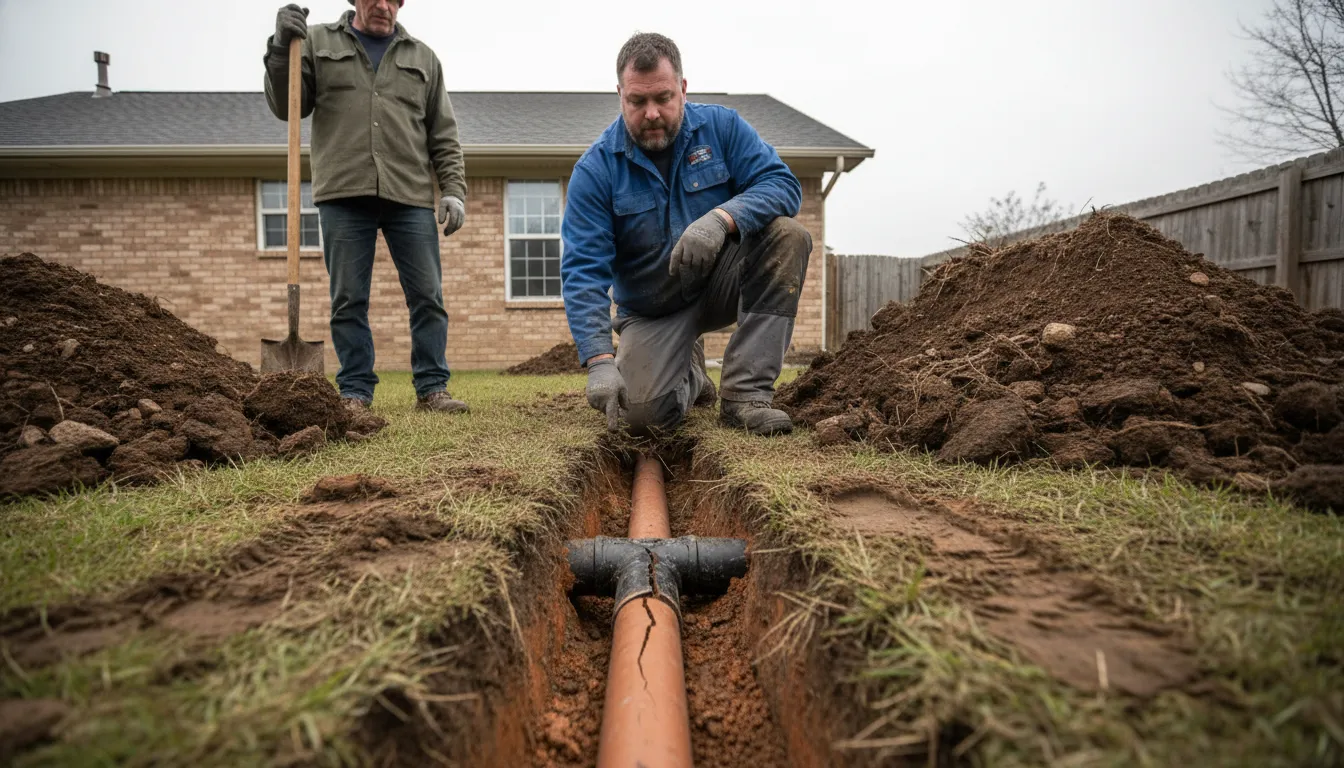
A damaged sewer line is a serious issue that can disrupt your home's entire plumbing system and lead to costly property damage. Sewer line repair involves fixing or replacing the underground pipe that carries wastewater from your home to the city's main sewer or septic system. This guide explains the common causes of sewer line failure in Columbus, the modern repair methods available, and how to find a qualified local specialist to assess and resolve your issue efficiently.
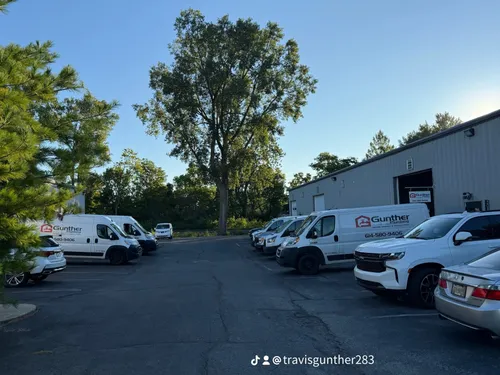
Gunther Plumbing
3080 Scioto Darby Executive Ct, Hilliard, OH 43026
Gunther Plumbing is a family-owned plumbing company serving Columbus, OH, and surrounding suburbs. With over 20 years of experience, they offer a wide range of residential plumbing services including water heater installation and repair, sump pump maintenance, drain cleaning, sewer line repair, and hydro jetting. Their team uses camera inspection technology to accurately diagnose plumbing issues and provides certified backflow testing to ensure water safety. Gunther Plumbing is known for handling both routine maintenance and emergency repairs efficiently.
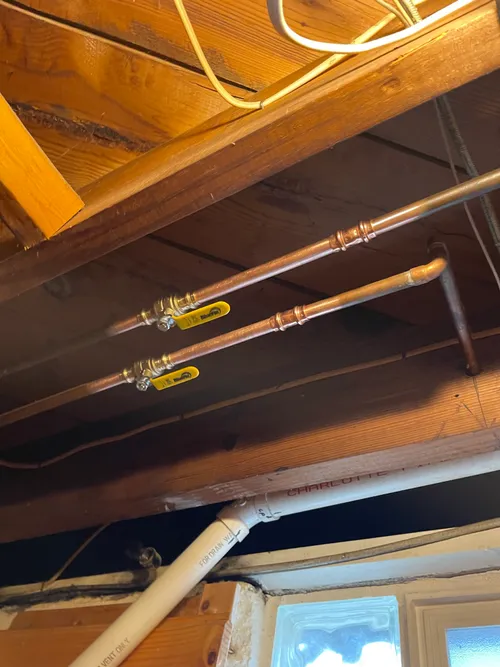
The Local Plumber LLC
461 Industry Dr, Columbus, OH 43204
The Local Plumber LLC provides a wide range of residential and commercial plumbing services in Columbus, OH. Their expertise includes water heater installation and repair, drain cleaning, sewer line repair, leak detection, gas line installation, and toilet repair. They specialize in installing Navien brand tankless water heaters, offering energy-efficient solutions with on-demand hot water. Founded in 2022 by Trevor Randall, who has five years of professional plumbing experience in the Columbus area, the company emphasizes honest, hands-on service delivered by a small, dedicated team.
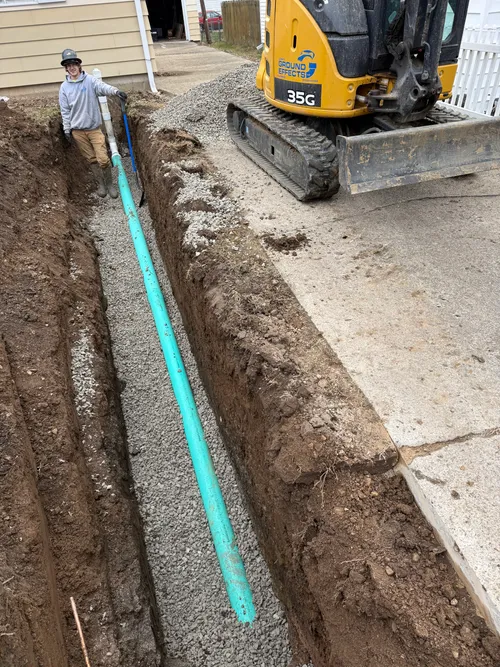
Josh's Ground Effects
1350 George Rd NE, Lancaster, OH 43130
Josh's Ground Effects is a full-service plumbing company serving Columbus, OH, and the Central Ohio area. With over 10 years of experience, they provide a wide range of plumbing services including sewer camera inspections, water heater installation and repair, drain cleaning, hydro jetting, trenchless sewer repair, and gas line installation. Their team is licensed by the DOT for gas services, ensuring safety and expertise in gas line installation and repairs. They use advanced technology and non-invasive methods to address plumbing issues efficiently.
Eco Plumbers, Electricians, and HVAC Technicians
4691 Northwest Pkwy, Hilliard, OH 43026
Eco Plumbers, Electricians, and HVAC Technicians provides a range of plumbing, electrical, and HVAC services in Columbus, OH. Their plumbing expertise includes water heater repair and installation, tankless water heater services, drain cleaning, sewer line repair, and leak detection. They use advanced equipment for sewer camera inspections and eco-friendly technology for drain and sewer maintenance. Founded by Aaron Gaynor, who earned his contractor's license at age 23 and rebuilt his business after the 2007 financial crisis, the company emphasizes sustainable solutions and home comfort. They also offer an app for HVAC system monitoring and a membership plan with priority scheduling and annual system checks.
Eco Plumbers, Electricians, and HVAC Technicians
27 E Home St, Westerville, OH 43081
Eco Plumbers, Electricians, and HVAC Technicians provides plumbing, electrical, and HVAC services in Columbus, OH. Their plumbing services include water heater repair and installation, tankless water heater systems, drain cleaning, sewer line repair, and leak detection. The company uses advanced eco-friendly technology to maintain and restore plumbing systems efficiently. Founded by Aaron Gaynor, who started the business after earning his contractor's license at age 23, the company has grown with a focus on sustainable solutions and customer care. They serve Columbus and many surrounding areas in Central Ohio.
Understanding Your Home's Sewer System
The sewer line, or main drain line, is a critical but hidden component of your home. It runs from the foundation, beneath your yard, driveway, or landscaping, and connects to the municipal sewer main at the street or to a private septic system. Because it's buried, problems often go unnoticed until significant symptoms appear, such as multiple slow drains, gurgling toilets, or unpleasant sewage odors inside or outside the home. Understanding the layout and condition of this pipe is the first step in addressing any sewer line issue.
Common Causes of Sewer Line Failure in Columbus
Several factors specific to the Indiana climate and soil can lead to the need for sewer line repair or replacement. Recognizing these common culprits can help homeowners identify potential problems early.
- Tree Root Infiltration: This is a leading cause of blockages and damage. Roots are attracted to the moisture and nutrients in sewer pipes, especially at pipe joints. They can infiltrate small cracks, grow inside the pipe, and cause complete blockages or even crack the pipe as they expand.
- Aging and Deteriorating Pipes: Many older homes in Columbus may still have original sewer lines made of clay tile or cast iron. Over decades, these materials can crack, collapse, or corrode from the inside out, leading to leaks and failures.
- Ground Shifting and Settlement: Indiana's freeze-thaw cycles and soil composition can cause the ground to shift over time. This movement puts stress on rigid sewer pipes, potentially leading to misaligned joints, cracks, or complete breaks 1.
- Grease and Debris Buildup: Pouring fats, oils, and grease (FOG) down drains is a major contributor to sewer line blockages. Over time, these substances solidify inside pipes, restricting flow and creating stubborn clogs that can require professional removal.
Modern Sewer Repair Methods: Trenchless vs. Traditional
When a sewer line fails, homeowners in Columbus have two primary repair pathways: modern trenchless technology or traditional excavation. The best choice depends on the specific damage, your property's layout, and your priorities regarding cost, disruption, and timeline.
Trenchless Sewer Repair
Trenchless methods are designed to fix or replace the damaged pipe with minimal digging. These techniques use specialized equipment to access the line through two small holes-one at the beginning and one at the end of the damaged section.
- Pipe Lining (Cured-in-Place Pipe - CIPP): A flexible, resin-saturated liner is inserted into the old pipe and inflated. The resin cures in place, forming a hard, seamless "pipe within a pipe." This method seals cracks and holes, restores flow, and resists root intrusion and corrosion.
- Pipe Bursting: This method is used for full pipe replacement. A bursting head is pulled through the old, damaged pipe, fracturing it outward while simultaneously pulling a new, high-density polyethylene (HDPE) pipe into place. It replaces the old line without digging a continuous trench.
Key Advantages of Trenchless Repair:
- Minimal Landscape Disruption: Your lawn, driveway, gardens, and patios remain largely intact.
- Faster Completion: Projects can often be completed in one to two days.
- Long-Lasting Solution: The new pipe lining or HDPE pipe is highly durable and resistant to future problems.
Traditional Excavation (Open-Trench Repair)
This is the conventional method, involving the excavation of a long, deep trench along the entire length of the damaged sewer line to expose it for repair or replacement.
- The Process: Heavy equipment is used to dig down to the pipe. The damaged section is cut out and replaced with new piping (typically PVC), the joints are sealed, and the trench is backfilled.
- When It's Necessary: Excavation may be the only viable option if a pipe has completely collapsed, has severe misalignment, or if the property layout does not allow for the access points required for trenchless methods.
Considerations for Traditional Repair:
- Significant Property Disruption: The process damages landscaping, hardscapes, and lawns, requiring extensive and costly restoration afterward 2.
- Longer Project Timeline: Digging, repairing, backfilling, and restoring the property takes considerably more time.
- Potential for Higher Overall Cost: While the pipe replacement cost itself can be lower, the added expense of landscape and hardscape restoration (repaving driveways, replanting gardens, repairing sprinkler systems) can make the total project cost equal to or exceed that of a trenchless repair.
Find the perfect sewer line repair companies for your needs
Get personalized recommendations and expert advice
Cost Analysis for Sewer Line Repair in Columbus
The cost of fixing a sewer main is highly variable, influenced by the repair method, the length and depth of the line, the extent of damage, and the required restoration work. Here's a general breakdown to help you understand the financial landscape.
Trenchless Repair Costs: Trenchless sewer line repair typically ranges from $60 to $250 per linear foot 3 4. For a standard 50-foot line, this translates to a range of approximately $3,000 to $10,000 or more. Pipe lining often falls on the lower end of this spectrum, while pipe bursting may be higher due to the equipment and process involved 4 5.
Traditional Excavation Costs: The cost for digging and replacing the pipe can range from $50 to $450+ per linear foot for the plumbing work alone 6 7. However, this almost never reflects the total cost. You must budget an additional $1,500 to $8,000 or more for landscape and hardscape restoration, which includes repairing driveways, sidewalks, patios, and sod 8 9 10.
Evaluating Cost-Effectiveness: While trenchless repair often has a higher initial price per foot, it frequently becomes the more cost-effective choice overall. This is because it eliminates the massive ancillary costs of restoring your property after a trench is dug. For many homeowners, avoiding the destruction of a mature landscape or a concrete driveway provides significant value and savings.
How to Choose the Right Repair Method for Your Home
Making an informed decision requires a professional assessment. Here's a framework to guide your discussion with local specialists:
- Consider Trenchless Repair If: Preserving your landscaping, driveway, or patio is a top priority. It's also ideal for longer or deeper lines where excavation would be prohibitively disruptive and expensive, and when you need a faster solution with less cleanup 11.
- Traditional Excavation May Be Required If: The existing pipe is severely collapsed, shattered, or has major sags that cannot be lined. It might also be necessary if there are too few access points for trenchless equipment or if the upfront material cost is the absolute primary concern (with full acceptance of the subsequent restoration costs) 12.
The most critical step is to get multiple detailed quotes from licensed, insured Columbus plumbers who specialize in both trenchless and traditional sewer repair. A reputable professional will use a sewer camera inspection to diagnose the problem accurately and recommend the most suitable, long-term solution for your specific situation and budget.
Frequently asked questions
Sources
Footnotes
-
Common Sewer Issues Found in Inspections - https://titaninspectionservices.com/common-sewer-issues-found-in-inspections/ ↩
-
Trenchless Sewer Repair vs. Traditional Excavation - AQUALIS - https://aqualisco.com/trenchless-sewer-repair-vs-traditional/ ↩
-
Cost Comparison: Trenchless vs. Traditional Sewer Line Repair - https://www.advancedtrenchlesssolutions.com/blog/cost-comparison-trenchless-vs-traditional-sewer-line-repair ↩
-
Sewer Pipe Bursting Cost: Essential Factors to Consider - https://www.benjaminfranklinplumbing.com/league-city/blog/2024/december/sewer-pipe-bursting-cost-essential-factors-to-consider/ ↩ ↩2
-
Trenchless Sewer Line Replacement Cost - NuFlow Indy - https://nuflowindy.com/the-cost-of-no-dig-trenchless-sewer-line-repair-or-replacement/ ↩
-
Trenchless Sewer Line Replacement in Columbus - https://www.plumbinganddrainpro.com/plumbing/trenchless-sewer-line-replacement/ ↩
-
How Much Does It Cost to Replace a Sewer Line? [2025 Data] - https://www.homeadvisor.com/cost/plumbing/repair-a-sewer-main/ ↩
-
Is Trenchless Sewer Line Repair Cheaper? - AP Plumbing - https://applumbing.com/blog/is-trenchless-sewer-line-repair-cheaper/ ↩
-
Trenchless vs. Traditional Sewer Repair - https://sewerlinesonly.com/trenchless-vs-traditional-sewer-repair-which-is-more-cost-effective-for-lakewood-homeowners/ ↩
-
The Benefits of Trenchless Sewer Repair - NuFlow Indy - https://nuflowindy.com/the-benefits-of-trenchless-sewer-repair/ ↩
-
Sewer Repair Options: Trenchless vs. Traditional Methods | TYCO - https://tycoplumbingco.com/sewer-repair-options-trenchless-vs-traditional-methods/ ↩
-
Trenchless Sewer Repair vs Traditional Method - CPI Service - https://cpiservice.com/blog/trenchless-pipe-repair-vs-traditional-method/ ↩