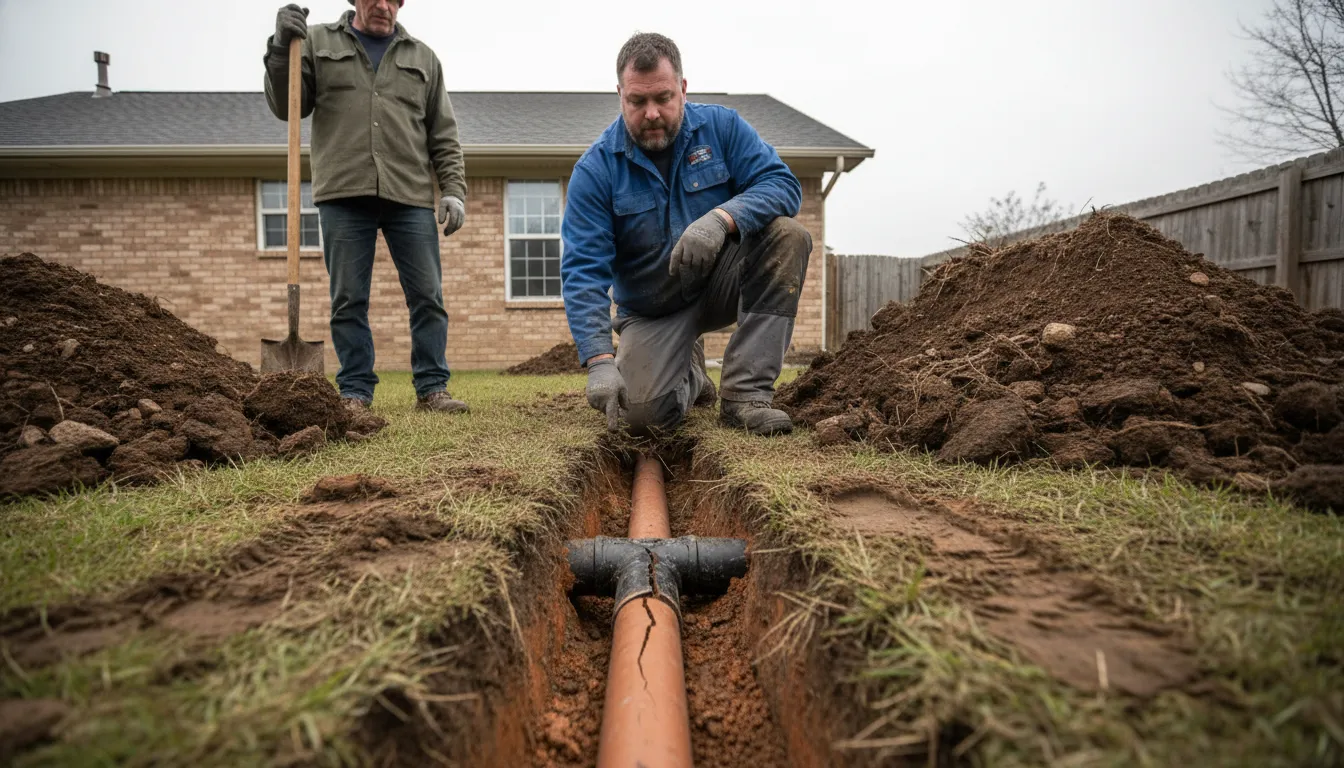
Find the Best Sewer Line Repair Companies for Your Business
No obligation • Fast responses • Nationwide coverage

Why you can trust Search a Plumber
Search a Plumber is a leading United States resource for finding and evaluating professional plumbing services. Our team researches licensing, experience, and customer feedback to create unbiased, fact-driven overviews. Companies cannot pay to change ratings or placement, ensuring homeowners get trustworthy information.
Search providers near you
Top Sewer Line Repair Companies in Passaic, New Jersey Ranked
A failing sewer line is a serious issue that can disrupt your home and lead to costly property damage. Sewer line repair involves diagnosing and fixing the underground pipe that carries all your home's wastewater away, a critical component of your property's plumbing system. In Passaic, common problems like tree root intrusion, aging pipes, and ground shifts require professional attention. This guide will help you understand your options, from modern trenchless methods to traditional excavation, so you can make an informed decision when connecting with local specialists for an assessment.
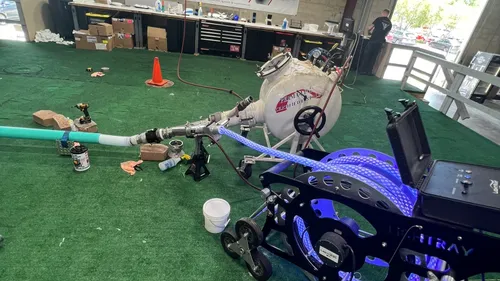
Royal Rooter and Drain Cleaning LLC
74 Jefferson Ave, Lodi, NJ 07644
Royal Rooter and Drain Cleaning LLC provides plumbing services in New York, NY, specializing in sewer camera inspections, drain cleaning, hydro jetting, and sewer line repairs. Their team uses camera inspections to accurately locate sewer issues and offers trenchless repair methods such as UV lining to minimize property disruption. Hydro jetting is available when pipes are suitable for this powerful cleaning technique.
Above and Beyond Plumbing and Heating LLC
5 Van Winkle Rd, Pine Brook, NJ 07058
Above and Beyond Plumbing and Heating LLC is a plumbing and heating service provider based in New York, NY. They offer a wide range of services including water heater repair and installation, water softener installation, drain cleaning, sewer line repair, leak detection, repiping, gas line installation, toilet repair, and garbage disposal repair. The company is known for its 24-hour emergency plumbing services, ensuring help is available whenever needed. They also specialize in boiler installation and repair, and install water filtration and softening systems to improve water quality. With over a decade of experience, Above and Beyond Plumbing and Heating LLC serves New York and surrounding areas, providing tailored solutions to meet specific plumbing and heating needs.
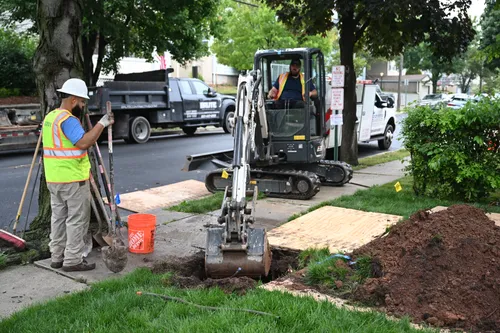
BRUTE Contracting Water Main & Sewer Contractors
16 Park Way Suite 201, Upper Saddle River, NJ 07458
BRUTE Contracting Water Main & Sewer Contractors is a family-owned business specializing in sewer and water line installation, repair, and replacement in New York, NY. They serve both residential and commercial customers, using state-of-the-art commercial equipment to ensure efficient and reliable solutions. With over 20 years of experience, BRUTE Contracting has completed more than 2,000 projects and is fully licensed and insured. The company offers free consultations to tailor services to client needs.
All Flow Sewer & Drain Service
2293 Springfield Ave, Vauxhall, NJ 07088
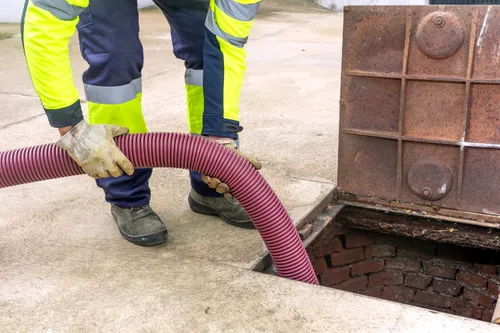
All Flow Sewer & Drain Service provides sewer and drain cleaning and repair services in New York, NY. They serve residential, commercial, and industrial clients, offering expertise in diagnosing and fixing sewer and drain line issues. With over 20 years of experience, the company is known for its thorough approach to maintaining plumbing systems and preventing damage from clogs or slow drains. Founded by Ron and Christina Fiorilli, the business reflects their commitment to customer care and quality workmanship.
RDH Plumbing Sewer & Drain Specialist
99 US-46, Rockaway, NJ 07866
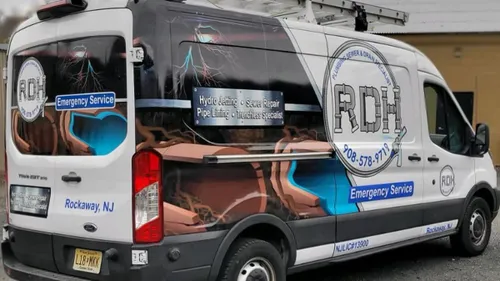
RDH Plumbing Sewer & Drain Specialist is a plumbing contractor based in New York, NY, serving Rockaway, NJ, and surrounding areas. They provide a range of services including sewer camera inspections, drain cleaning, hydro jetting, sewer line repair, and trenchless sewer repair using advanced technologies like Perma-Liner and LightRay systems. The company offers 24/7 emergency plumbing services and specializes in boiler installation and maintenance. RDH Plumbing is certified in Nu-Flow and Pow-R Mole technologies and emphasizes minimal disruption through trenchless methods. Their team is locally owned and committed to using high-quality equipment for residential and commercial plumbing needs.
Understanding Your Sewer Line in Passaic
Your main sewer line, or sewer lateral, is the private pipe that runs from your home's foundation, under your yard, driveway, or sidewalk, to the public sewer main at the street or property line. In many older Passaic neighborhoods, these lines can be made of clay, cast iron, or Orangeburg pipe-materials that degrade over decades. When this underground pipe fails, it's not a simple clog; it's a breach in your home's essential infrastructure that requires specialized repair.
Common Causes of Sewer Line Failure
Several factors specific to the New Jersey environment contribute to sewer line problems in Passaic homes 1 2 3.
- Tree Root Intrusion: This is a leading cause. Roots from mature trees seek out moisture and nutrients, and they can infiltrate tiny cracks or loose joints in sewer pipes. Once inside, they grow and create major blockages or break the pipe apart.
- Aging and Corrosion: Older clay pipes can crack or collapse, while cast iron pipes corrode and thin over time, eventually leading to holes or complete failure.
- Soil Shifts and Settlement: New Jersey's soil can expand, contract, and shift with freeze-thaw cycles and changes in moisture. This ground movement puts stress on buried pipes, causing them to crack, separate at joints, or develop misalignments known as "bellies."
- Blockages from FOG and Debris: Pouring fats, oils, and grease (FOG) down drains is a common mistake. These substances solidify inside pipes, narrowing the passage and catching other debris like wipes and hygiene products, leading to severe blockages 4.
Signs You Need Sewer Line Repair
Recognizing the early warnings of a sewer line issue can save you from a more extensive and expensive emergency. Look for these key symptoms:
- Multiple Slow or Clogged Drains: If more than one fixture (like a toilet, shower, and sink) is draining slowly or backing up simultaneously, the problem is likely in the main line, not an individual branch.
- Unpleasant Sewage Odors: Foul smells emanating from drains or especially in your yard near the sewer cleanout can indicate a crack or break in the line.
- Soggy or Unusually Lush Patches in Yard: A broken sewer line leaks wastewater into the surrounding soil. This can create soggy, sunken areas or cause grass to grow unusually green and thick in one specific spot.
- Gurgling Sounds: Hearing gurgling noises from toilets or drains when you run water elsewhere in the house suggests air is trapped in the line due to a blockage or break.
- Foundation Cracks or Settlement: In severe cases, leaking wastewater can erode soil under your home's foundation, leading to visible cracks or uneven settling.
If you notice any of these signs, the next step is to have a local professional perform a sewer camera inspection. This involves sending a waterproof camera down the line to visually confirm the location, cause, and extent of the damage-a critical step before deciding on a repair method.
Repair Method 1: Trenchless Sewer Line Repair
Trenchless technology has revolutionized sewer line repair by fixing pipes with minimal excavation. This method is often preferred in Passaic for its ability to preserve landscaping, driveways, and sidewalks.
How Trenchless Repair Works
There are two primary trenchless techniques:
- Cured-in-Place Pipe (CIPP) Lining: A flexible, resin-saturated tube is inverted or pulled into the damaged pipe. It is then inflated and cured (often with hot air or UV light) to form a hard, seamless "pipe-within-a-pipe." This method seals cracks and holes and restores flow without removing the old pipe 5.
- Pipe Bursting: This is a trenchless replacement method. A conical bursting head is pulled through the old, broken pipe, fracturing it outward while simultaneously pulling a new, high-density polyethylene (HDPE) pipe into place behind it 6 7.
Pros and Cons of Trenchless Repair
Advantages:
- Minimal Disruption: Requires only small access pits at the beginning and end of the run, saving your lawn, driveway, and hardscape.
- Speed: Most trenchless repairs can be completed in one to two days 8.
- Durability: The new liner or HDPE pipe is resistant to roots and corrosion, often with a 50-year life expectancy.
- Often More Cost-Effective Long-Term: While the upfront material cost can be higher, you avoid thousands of dollars in landscape and hardscape restoration.
Considerations:
- Not for All Situations: Trenchless methods may not be suitable for pipes that have completely collapsed, have severe sags (bellies), or are misaligned by a large offset 9.
- Upfront Cost: The specialized equipment and materials can mean a higher initial quote compared to a simple, short excavation.
Find the perfect sewer line repair companies for your needs
Get personalized recommendations and expert advice
Repair Method 2: Traditional Excavation Repair
Traditional sewer repair, also known as "dig and replace," is the conventional method where a trench is dug along the entire length of the damaged pipe to expose it, remove it, and install a new one.
How Traditional Excavation Works
A crew uses excavating equipment to dig a deep trench from the house to the street connection, following the path of the old sewer line. The damaged pipe is removed, a new pipe (typically PVC) is laid in the trench, and the trench is backfilled.
Pros and Cons of Traditional Repair
Advantages:
- Complete Access: Provides a full view of the pipe and the surrounding soil, allowing for a comprehensive replacement.
- Solution for All Damage Types: Effective for pipes that are collapsed, severely misaligned, or have multiple complex failures.
- Potentially Lower Direct Cost: For very shallow, short, and accessible lines, the direct labor and material cost of excavation can sometimes be less than trenchless.
Disadvantages:
- Major Property Disruption: The trench can destroy lawns, gardens, fences, patios, and driveways.
- High Restoration Costs: After the pipe is replaced, you must pay to regrade, re-sod, and rebuild any hardscapes that were removed. Restoration can add $3,000 to $8,000 or more to the project cost 10 11.
- Longer Project Timeline: Digging, replacing, and restoring the property takes significantly longer than trenchless methods.
Cost Comparison: Trenchless vs. Traditional in Passaic
Costs for sewer line repair in Passaic vary widely based on the method, length and depth of the pipe, soil conditions, and extent of damage. Here is a general breakdown based on a 100-foot line, which is a common residential scenario:
- Trenchless CIPP Lining: $8,000 - $12,000+. This is often the most economical total cost for long runs, as it includes the repair with minimal restoration.
- Trenchless Pipe Bursting: $6,000 - $20,000+. Cost depends on pipe diameter and soil conditions.
- Traditional Excavation (Pipe Replacement): $5,000 - $20,000+ for the excavation and new pipe, plus an additional $3,000 - $8,000+ for landscape and hardscape restoration.
- Spot Repair (Traditional): For a single, localized break, a small excavation can cost $1,500 - $5,000.
Key Takeaway: While traditional excavation might seem cheaper at first glance for the pipe work alone, the added restoration expenses often make trenchless repair the more economical choice over the full scope of the project, especially for longer lines or those under finished surfaces 12 13. Always get detailed, itemized quotes from licensed professionals that outline all costs, including permits, restoration, and cleanup.
Choosing the Right Solution for Your Home
The best repair method depends on a professional diagnosis. A reputable specialist will recommend the most effective and long-lasting solution after a camera inspection. Trenchless methods are excellent for preserving your property and are suitable for most cracks, holes, and root-damaged pipes. Traditional excavation remains a necessary and valuable option for the most severe cases of collapse or complex multi-point failure.
Frequently asked questions
Sources
Footnotes
-
Sewer Line Repair & Replacement in NJ - Jersey Trenchless LLC - https://www.jerseytrenchlessllc.com/sewer-line-repair-replacement/ ↩
-
Common Causes of Sewer Line Problems in New Jersey - ICUNJ - https://icunj.us/articles/common-causes-sewer-line-problems-new-jersey.html ↩
-
Sewage Damage Causes in New Jersey - PDQ Restoration - https://www.pdqfirewaterdamage.com/sewage-damage-cleanup/sewage-damage-causes ↩
-
Main Sewer Line Clog Symptoms and Solutions In NJ 2025 - https://rooterexpertsdraincleaning.com/main-sewer-line-clog-symptoms/ ↩
-
Trenchless Sewer Repair vs. Traditional Excavation - https://tdtplumbing.com/trenchless-sewer-repair/difference-to-traditional-repair/ ↩
-
ICUNJ: NJ Trenchless Sewer Line Repair & Replacement 24/7 - https://icunj.us/ ↩
-
Trenchless Sewer Replacement - https://allcountysewer.com/trenchless-sewer-replacement/ ↩
-
Trenchless vs. Traditional Sewer Repair - https://sewerlinesonly.com/trenchless-vs-traditional-sewer-repair-which-is-more-cost-effective-for-lakewood-homeowners/ ↩
-
Sewer Pipe Lining vs Residential Excavation: Homeowner Guide - https://www.128plumbing.com/sewer-pipe-lining-vs-residential-excavation/ ↩
-
Sewer Line Replacement Cost: 2025 Data - NJ Pipe Doctor - https://njpipedr.com/blog/sewer-line-replacement-cost/ ↩
-
Trenchless Sewer Repair in New Jersey - NJ Pipe Doctor - https://njpipedr.com/drain-sewer/trenchless-sewer/ ↩
-
Cost Comparison: Trenchless vs. Traditional Sewer Line Repair - https://www.advancedtrenchlesssolutions.com/blog/cost-comparison-trenchless-vs-traditional-sewer-line-repair ↩
-
Comparing costs of trenchless sewer repair vs. conventional ... - https://www.nj.com/sponsor-content/?ntv_ht=nHcPaQA&prx_t=ewkKApRx0Ae9IQA&ntv_ui=33184e4c-0fd5-42bc-9ce3-d1e3f476d839&scid=224072 ↩