Find the Best Sewer Line Repair Companies for Your Business
No obligation • Fast responses • Nationwide coverage

Why you can trust Search a Plumber
Search a Plumber is a leading United States resource for finding and evaluating professional plumbing services. Our team researches licensing, experience, and customer feedback to create unbiased, fact-driven overviews. Companies cannot pay to change ratings or placement, ensuring homeowners get trustworthy information.
Search providers near you
Best Sewer Line Repair Companies in New Jersey Ranked
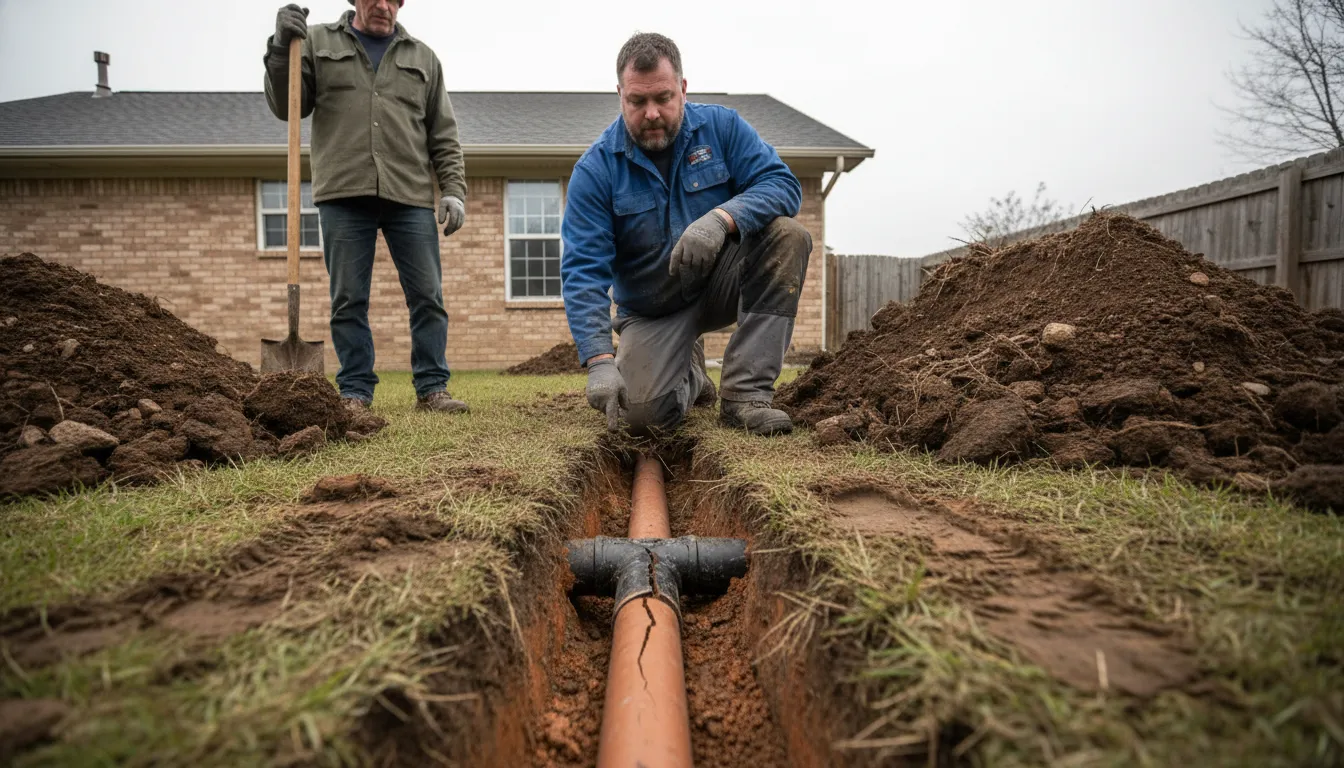
A damaged sewer line is a serious issue that can disrupt your home, pose health risks, and lead to costly property damage if ignored. Sewer line repair involves diagnosing and fixing the underground pipe that carries all your home's wastewater to the public sewer main. In New Jersey, this work is governed by specific codes and often requires navigating complex factors like pipe material, depth, and local permitting. This guide provides a clear overview of sewer line repair in NJ, from common problems and repair methods to costs and regulations, helping you make informed decisions when you need to find a qualified local professional.
Lesco Plumbing, Heating & Cooling
Newark, NJ
Lesco Plumbing, Heating & Cooling is a plumbing and HVAC company based in Newark, NJ, serving Northern New Jersey including Morris, Essex, Passaic, and Union counties. They provide a range of services such as water heater repair and installation, drain cleaning, sewer line repair, leak detection, repiping, and gas line installation. Established in 2003, Lesco Plumbing, Heating & Cooling has over 20 years of experience in the industry. They also offer HVAC services including furnace and air conditioner repair and replacement.
Masters Plumbing NJ
109 W 9th Ave, Roselle, NJ 07203
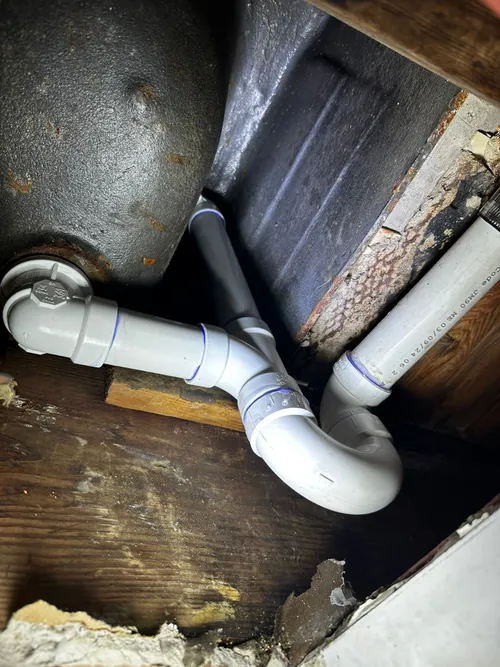
Masters Plumbing NJ is a locally owned plumbing and HVAC company serving Newark, NJ, and the broader North Jersey area. Founded in 2010 by two brothers, the company offers a wide range of services including water heater repair and installation, sump pump repair, drain cleaning, sewer line repair, repiping, and toilet repair. They specialize in hydro jetting to clear tough clogs and maintain clean pipes. Masters Plumbing NJ provides 24/7 emergency services, ensuring help is available any time of day or night for urgent plumbing and HVAC needs.
Draper Plumbing Services
799 Bloomfield Ave suite 893, Verona, NJ 07044
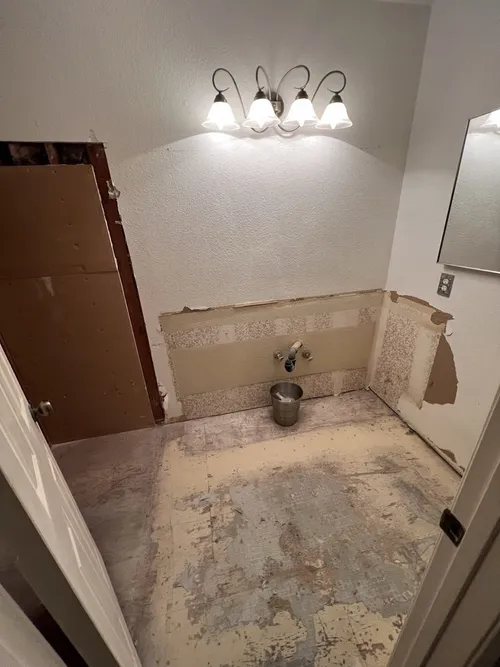
Draper Plumbing Services is a licensed and insured plumbing company serving Newark, NJ, with over a decade of experience. They offer a wide range of services including sewer camera inspections, water heater installation and repair, sump pump repair, drain cleaning, hydro jetting, sewer line repair, trenchless sewer repair, leak detection, and repiping. Their certified technicians use advanced diagnostic tools such as camera inspections and acoustic leak detectors to efficiently identify plumbing issues. Draper Plumbing Services provides 24/7 emergency plumbing services and backs their work with a one-year labor warranty and manufacturer warranties on parts.
Aqua Flow Sewer & Drain Services
8 N Cobane Terrace, West Orange, NJ 07052
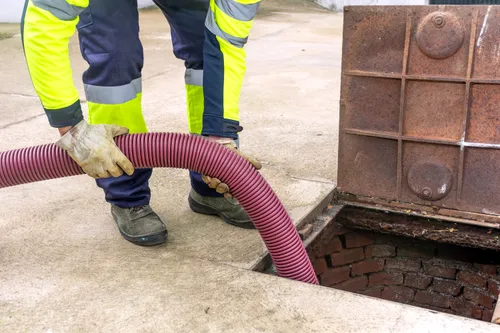
Aqua Flow Sewer & Drain Services is a plumbing company based in Newark, NJ, specializing in sewer and drain maintenance for residential, commercial, and municipal clients. They offer a range of services including sewer camera inspections, drain cleaning, hydro jetting, sewer line repair, and toilet repair. The company serves the entire New Jersey metropolitan area, covering multiple counties such as Essex, Morris, Union, Sussex, and Bergen. Aqua Flow is equipped with high-pressure water jets and video inspection technology to handle complex sewer and drain issues. They provide 24/7 emergency service to address urgent plumbing needs.
Garner Bros. Plumbing & Heating
93 Bay Ave, Bloomfield, NJ 07003
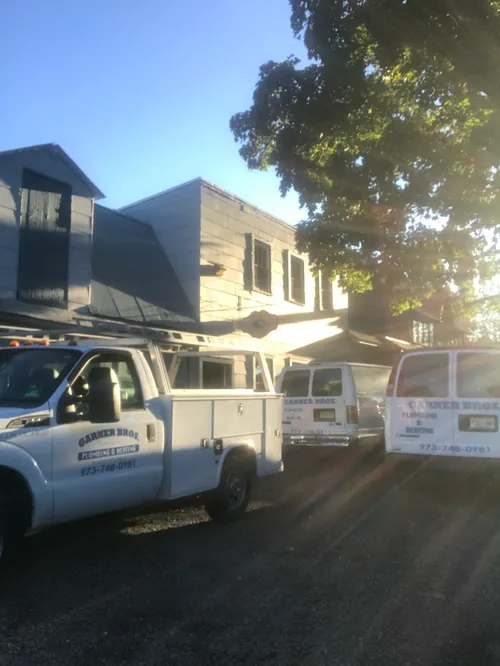
Garner Bros. Plumbing & Heating is a family-owned plumbing company based near Newark, NJ, with over 100 years of experience serving Essex, Passaic, Morris, Union, and Bergen Counties. They offer a wide range of residential plumbing services, including sewer camera inspections and sewer line repairs. The company emphasizes individualized plumbing options and uses high-quality parts and equipment to meet customer needs. Founded in 1918, Garner Bros. Plumbing & Heating is now operated by the fourth generation of plumbers, combining decades of expertise in the field.
Common Causes of Sewer Line Problems in NJ
Understanding why sewer lines fail is the first step toward a solution. New Jersey's diverse soil conditions, aging infrastructure, and climate contribute to several common issues.
- Root Intrusion: This is a leading cause of blockages and damage, especially for homes with mature trees. Roots seek out moisture and can infiltrate tiny cracks or loose joints in pipes, eventually growing large enough to block the flow or crack the pipe entirely.
- Pipe Corrosion and Deterioration: Many older New Jersey homes have sewer lines made of cast iron or clay. Over decades, cast iron can rust and corrode from the inside out, thinning the pipe wall and eventually causing collapses. Clay pipes, while durable, can crack from ground movement or root pressure.
- Ground Shifting and Settlement: New Jersey's soil can expand, contract, and shift with freeze-thaw cycles and moisture changes. This ground movement can put stress on sewer pipes, causing them to crack, misalign at the joints (creating a "belly" where waste collects), or completely separate.
- Grease and Debris Buildup: Pouring fats, oils, and grease (FOG) down drains is a major culprit. These substances solidify inside pipes, narrowing the passage and catching other debris, leading to stubborn clogs that can escalate to full blockages.
- Physical Damage: Accidental damage from nearby excavation, construction, or even heavy vehicles driving over shallow lines can crack or crush sewer pipes.
Types of Sewer Pipe Materials in New Jersey Homes
The material of your existing sewer line significantly influences repair options and costs.
- Cast Iron (CI): Common in homes built before the 1970s. While durable, it is susceptible to internal rust and corrosion over time, which can lead to reduced diameter and eventual failure.
- Clay Tile: Found in very old homes. Clay is brittle and prone to cracking from root intrusion or ground movement, though the joints are often the weakest point.
- PVC (Polyvinyl Chloride): The standard for modern installations and replacements. PVC is lightweight, corrosion-resistant, affordable, and has smooth joints that discourage root intrusion 1.
- HDPE (High-Density Polyethylene): A flexible, durable plastic often used in trenchless repair methods like pipe bursting. Its fused joints create a seamless line less likely to leak.
Key Factors Influencing Repair Scope and Cost
Several variables specific to your property will determine the complexity and price of a sewer line repair in New Jersey.
- Location and Depth: The depth of your sewer line is a major cost driver. Lines buried four feet or deeper require more extensive excavation, specialized equipment, and safety shoring. The horizontal location also matters; a line running under a front lawn is far simpler to access than one beneath a driveway, patio, or mature landscaping.
- Access Challenges: Repairing a line under a concrete driveway, sidewalk, or expensive hardscaping adds significant cost. These surfaces must be carefully removed (and later restored), which can add thousands to the project total. Similarly, navigating around pools, decks, or other structures complicates access.
- Extent of Damage: Is the problem a single cracked section, a collapsed segment, or widespread deterioration along the entire line? A localized spot repair is less invasive and costly than a full line replacement.
- Local Regulations and Utility Lines: In New Jersey, you are legally required to call 811 (NJ One Call) at least three business days before any digging. This free service marks the location of public underground utilities (gas, water, electric) to prevent dangerous strikes. Your repair plan must work around these marked lines.
Find the perfect sewer line repair companies for your needs
Get personalized recommendations and expert advice
Sewer Line Repair Methods: From Digging to Trenchless
Today, homeowners have multiple options for sewer line repair, ranging from traditional excavation to modern, less invasive techniques.
Traditional Excavation (Open-Trench Repair)
This is the conventional method, involving digging a trench along the path of the sewer line to fully expose the damaged pipe for repair or replacement.
- Pros: Often has a lower upfront material cost for the repair itself. Allows for a complete visual inspection of the entire exposed pipe.
- Cons: Highly invasive, destroying lawns, gardens, and hardscapes. Requires extensive and costly landscape restoration afterward. The restoration (sod, concrete, pavers) can add $3,000 to $8,000 or more to the project. It's also more disruptive and time-consuming.
Trenchless Repair Methods
These advanced techniques minimize or eliminate the need for large trenches, preserving your property.
- Pipe Lining (Cured-in-Place Pipe - CIPP): A flexible, resin-saturated liner is inserted into the old pipe and inflated. The resin cures, forming a new, seamless pipe within the old one. This method is excellent for repairing cracks, holes, and root-damaged pipes without excavation.
- Pipe Bursting: Used for full replacement when the old pipe is too damaged to line. A conical bursting head is pulled through the old pipe, fracturing it outward while simultaneously pulling a new HDPE pipe into place behind it. This is a true replacement but requires only small access pits at each end.
- Spot Repair/Point Repair: For isolated damage (e.g., one broken section or joint). A small excavation is made just at the problem area to replace that short segment. It's less invasive than a full trench but more so than trenchless lining.
Understanding Costs for Sewer Line Repair in New Jersey
Sewer line repair is a significant investment. Costs in New Jersey vary widely based on the factors discussed above. Always obtain multiple detailed quotes from licensed professionals.
- Spot/Point Repair: For a small, accessible section of pipe, repairs typically range from $1,500 to $5,000 2.
- Full Traditional Replacement: Excavating and replacing the entire line from house to street can cost between $5,000 and $20,000+. Remember to budget an additional $3,000 to $8,000 or more for comprehensive restoration of landscaping, driveways, and walkways 3.
- Trenchless Replacement (Pipe Bursting): Generally costs $6,000 to $20,000+, often calculated at $70 to $250 per linear foot. While the per-foot cost can be higher, you save substantially on restoration expenses 4.
- Trenchless Lining (CIPP): Similar cost range to pipe bursting, often $6,000 to $15,000+, and is priced per foot. It is ideal for pipes that are structurally sound enough to host a new liner5 6.
Important Note: These are estimated ranges. The final cost for your project depends entirely on your specific situation-length, depth, material, access, and local labor rates 7.
Permits, Licensing, and the Repair Process in NJ
Sewer line work in New Jersey is regulated to ensure safety and compliance with state codes.
- Call 811: This is your first, non-negotiable step. Dial 811 or visit NJ One Call online to have all public utility lines marked for free.
- Hire a Licensed Professional: Sewer line repair typically requires a licensed plumber or plumbing contractor, especially if the work involves the public connection. A licensed pro will know local codes, pull the necessary permits, and schedule required inspections.
- Obtain a Permit: A construction permit is almost always required under the New Jersey Uniform Construction Code. Your contractor will usually handle this, submitting a Construction Permit Application (F-100 form) with a Plumbing Subcode section (F-130) detailing the work, materials, and cost to your local construction office 8.
- Inspection: Once work is complete, a municipal plumbing inspector will visit to ensure the repair meets code before the trench is backfilled (for excavation) or the system is put back into service.
- Restoration: After passing inspection, the final step is restoring your property-backfilling, compacting soil, and replacing sod, concrete, or other surfaces.
Frequently asked questions
Sources
Footnotes
-
Sewer Line Inspections & Repairs in Chatham, NJ - https://www.pipeworksservices.com/drain-cleaning/sewer-repair/ ↩
-
Cost to Repair Sewer Line - Whitney Services - https://callwhitney.com/how-much-does-it-cost-to-repair-sewer-line/ ↩
-
Everything You Need to Know About Sewer Line Replacement - https://www.splashplumbing.com/everything-you-need-to-know-about-sewer-line-replacement-a-comprehensive-guide-for-homeowners-in-2025/ ↩
-
How Much Does Sewer Line Replacement Cost? - CPI Service - https://cpiservice.com/blog/sewer-line-replacement-cost/ ↩
-
Sewer Line Replacement Cost: 2025 Data - NJ Pipe Doctor - https://njpipedr.com/blog/sewer-line-replacement-cost/ ↩
-
Cost-effective plumbing: Understanding trenchless sewer repair - https://www.nj.com/sponsor-content/?ntv_ht=cZ1iaAA&prx_t=zj0JAkglpArXoTA&ntv_ui=dc0472bb-119a-4923-8fe4-d3a679fbd956&scid=210621 ↩
-
Understanding Sewer Line Replacement: What to Expect - https://flomaxxinc.net/blogs/understanding-sewer-line-replacement-guide-cost-process/ ↩
-
New Jersey Plumbing Permit Guide - PermitFlow - https://www.permitflow.com/blog/plumbing-permit-nj ↩