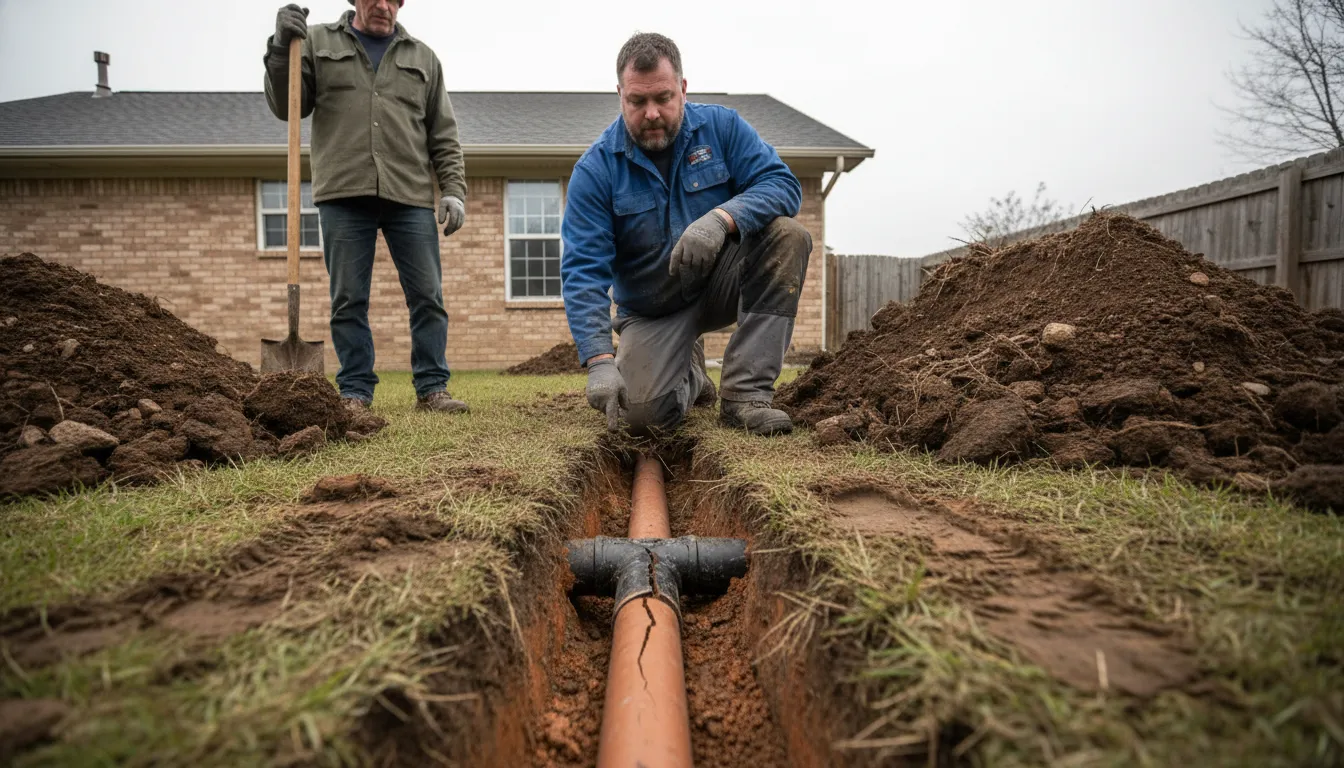
Find the Best Sewer Line Repair Companies for Your Business
No obligation • Fast responses • Nationwide coverage

Why you can trust Search a Plumber
Search a Plumber is a leading United States resource for finding and evaluating professional plumbing services. Our team researches licensing, experience, and customer feedback to create unbiased, fact-driven overviews. Companies cannot pay to change ratings or placement, ensuring homeowners get trustworthy information.
Search providers near you
Top Sewer Line Repair Companies in Irvington, New Jersey Ranked
A damaged sewer line is a serious issue that can lead to messy backups, unpleasant odors, and significant property damage. Sewer line repair involves fixing or replacing the underground pipe that carries all your home's wastewater to the city's main sewer line. In Irvington, where many homes have mature landscaping and aging infrastructure, finding the right repair method is crucial to solving the problem efficiently while preserving your yard. This guide explains the common causes of sewer line failure, details the modern and traditional repair options available locally, and provides the information you need to connect with qualified professionals for an assessment.
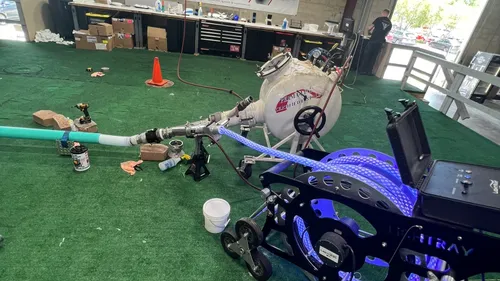
Royal Rooter and Drain Cleaning LLC
74 Jefferson Ave, Lodi, NJ 07644
Royal Rooter and Drain Cleaning LLC provides plumbing services in New York, NY, specializing in sewer camera inspections, drain cleaning, hydro jetting, and sewer line repairs. Their team uses camera inspections to accurately locate sewer issues and offers trenchless repair methods such as UV lining to minimize property disruption. Hydro jetting is available when pipes are suitable for this powerful cleaning technique.
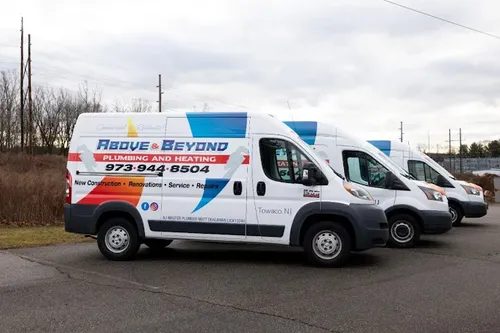
Above and Beyond Plumbing and Heating LLC
5 Van Winkle Rd, Pine Brook, NJ 07058
Above and Beyond Plumbing and Heating LLC is a plumbing and heating service provider based in New York, NY. They offer a wide range of services including water heater repair and installation, water softener installation, drain cleaning, sewer line repair, leak detection, repiping, gas line installation, toilet repair, and garbage disposal repair. The company is known for its 24-hour emergency plumbing services, ensuring help is available whenever needed. They also specialize in boiler installation and repair, and install water filtration and softening systems to improve water quality. With over a decade of experience, Above and Beyond Plumbing and Heating LLC serves New York and surrounding areas, providing tailored solutions to meet specific plumbing and heating needs.
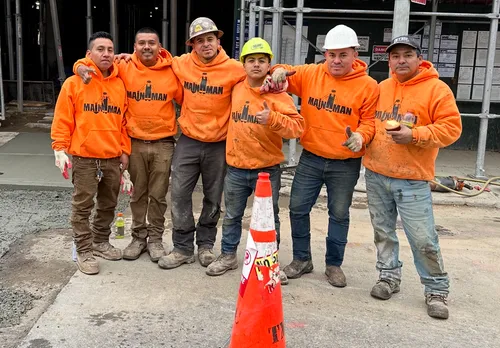
Main Man Water Main & Sewer Repair
10009 Glenwood Rd, Brooklyn, NY 11234
Main Man Water Main & Sewer Repair is a licensed and insured plumbing contractor based in New York, NY, specializing in water main and sewer line repairs. Serving all five boroughs of New York City, they offer a range of services including emergency repairs, DEP notice handling, and water main maintenance. With over 40 years of experience, their team is skilled in addressing leaks, blockages, and infrastructure compliance issues. They provide 24/7 emergency services to quickly resolve urgent plumbing problems.
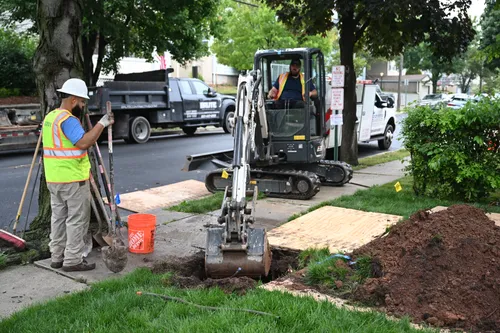
BRUTE Contracting Water Main & Sewer Contractors
16 Park Way Suite 201, Upper Saddle River, NJ 07458
BRUTE Contracting Water Main & Sewer Contractors is a family-owned business specializing in sewer and water line installation, repair, and replacement in New York, NY. They serve both residential and commercial customers, using state-of-the-art commercial equipment to ensure efficient and reliable solutions. With over 20 years of experience, BRUTE Contracting has completed more than 2,000 projects and is fully licensed and insured. The company offers free consultations to tailor services to client needs.
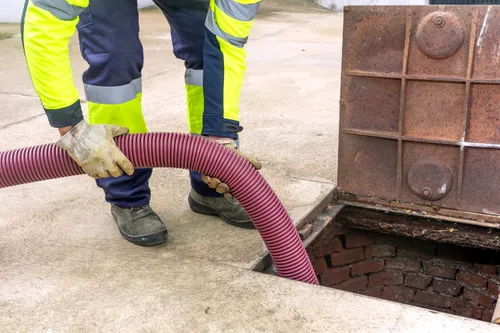
All Flow Sewer & Drain Service
2293 Springfield Ave, Vauxhall, NJ 07088
All Flow Sewer & Drain Service provides sewer and drain cleaning and repair services in New York, NY. They serve residential, commercial, and industrial clients, offering expertise in diagnosing and fixing sewer and drain line issues. With over 20 years of experience, the company is known for its thorough approach to maintaining plumbing systems and preventing damage from clogs or slow drains. Founded by Ron and Christina Fiorilli, the business reflects their commitment to customer care and quality workmanship.
Understanding Your Sewer Line and Common Problems
The sewer line, also known as the main drain line or lateral, runs from your home's foundation to the public sewer main, typically located under your lawn, driveway, or landscaping. When this critical pipe fails, every drain in your house can be affected. In Irvington and across New Jersey, several issues are particularly prevalent.
The most frequent culprit is invasive tree roots. Roots seek out moisture and nutrients and can infiltrate even small cracks or loose joints in older pipes. Once inside, they grow and expand, causing blockages and eventually breaking the pipe apart. Another major cause is the natural aging and deterioration of the pipe material itself. Many older Irvington homes were built with clay tile or cast iron sewer pipes, which are susceptible to cracking from ground movement, corrosion, and collapse over decades. Other common problems include persistent clogs from grease, hair, and non-flushable items like wipes, as well as ground settling that can misalign pipe sections.
Recognizing the signs of a main sewer line problem early can prevent a minor issue from becoming a major disaster. Key symptoms include multiple drains backing up simultaneously (especially when using a washing machine or flushing a toilet), gurgling sounds from toilets and drains, foul sewage odors in your yard or basement, and unexplained soggy patches or unusually green grass in your lawn1. If you notice any of these warning signs, it's time to investigate further.
Diagnostic Step: The Sewer Camera Inspection
Before any repair work is planned, a professional diagnosis is essential. The industry standard for this is a sewer camera inspection. A licensed plumber will insert a high-resolution, waterproof camera attached to a flexible rod into your cleanout or through a roof vent. As the camera travels through your sewer lateral, it transmits a live video feed to a monitor, allowing the technician to pinpoint the exact location, nature, and severity of the problem 2.
This inspection is a critical investment. It reveals whether you're dealing with a root intrusion, a belly (sagging pipe), a complete break, or simple corrosion. The visual evidence helps determine the most effective and cost-efficient repair strategy-whether a targeted spot repair, a full trenchless relining, or traditional excavation is necessary. Skipping this step can lead to unnecessary costs and the wrong repair method for your specific situation.
Modern Repair Methods: Trenchless Technology
For many homeowners in Irvington, the thought of a massive trench tearing through their beautiful yard or driveway is a major concern. Fortunately, trenchless sewer repair offers advanced solutions that minimize surface disruption. These methods are often faster and can be more cost-effective when considering the avoided costs of landscape restoration.
Cured-In-Place Pipe (CIPP) Lining
This is the most common form of trenchless rehabilitation. The process involves saturating a flexible, resin-coated felt tube with a special epoxy. This liner is then inserted into the damaged sewer pipe through an existing access point (like a cleanout) and inflated. The resin cures and hardens, typically using hot water or UV light, forming a seamless, jointless "pipe within a pipe" 3. The new liner is highly resistant to roots and corrosion and can extend the life of your sewer line by 50 years or more. The primary advantage is that it requires only one or two small access pits, leaving your lawn, driveway, and landscaping virtually untouched.
Pipe Bursting
Pipe bursting is a trenchless replacement method, ideal for pipes that are too collapsed or damaged to be lined. A conical bursting head is pulled through the old, broken pipe. As it moves, it fractures the old pipe outward into the surrounding soil while simultaneously pulling a new, high-density polyethylene (HDPE) pipe into place behind it4 5. This method completely replaces the old line with a new, durable one but still avoids a long, open trench. It does require an entry and exit pit, but the surface disruption is confined to these two points.
Pros of Trenchless Methods:
- Minimal Disruption: Preserves hardscapes, landscaping, and lawns.
- Speed: Most projects can be completed in a day or two.
- Durability: New liners or pipes are resistant to roots and corrosion.
- Less Intrusive: Ideal for properties with established trees, gardens, or concrete surfaces.
Cons of Trenchless Methods:
- Higher Upfront Cost: The specialized equipment and materials often result in a higher initial quote compared to traditional digging 6.
- Not for All Cases: Severely misaligned or collapsed pipes may not be candidates for lining.
Find the perfect sewer line repair companies for your needs
Get personalized recommendations and expert advice
Traditional Method: Excavation and Replacement
Traditional sewer line excavation, also known as "dig and replace," is exactly what it sounds like. Using backhoes and other heavy equipment, contractors dig a long, deep trench along the entire path of the sewer line to fully expose it. The old pipe is removed, and a new one (typically PVC or ABS plastic) is laid in the trench and connected before the hole is backfilled.
This method is sometimes the only viable option. It is necessary when the existing pipe has a severe "belly" (a sag that traps waste), is completely collapsed, or needs to be relocated or upgraded to meet current building codes. It also allows for a direct visual inspection of the entire pipe and the surrounding soil.
Pros of Excavation:
- Comprehensive Solution: Handles any type of damage, no matter how severe.
- Direct Access: Allows for full inspection and replacement.
- Sometimes Lower Initial Cost: The cost of just the digging and pipe installation can be lower than trenchless methods.
Cons of Excavation:
- Major Restoration Required: The true cost includes repairing or replacing everything destroyed by the trench-lawn, sprinkler systems, patios, driveways, and walkways 7.
- Time-Consuming: The process of digging, replacing, and restoring can take weeks.
- Landscape Damage: Mature trees and landscaping features can be permanently damaged or destroyed.
Cost Considerations for Irvington Homeowners
Sewer line repair is a significant investment, and costs in the Irvington area can vary widely based on the repair method, the length and depth of the line, and the specific obstacles (like tree roots or concrete) involved. Here's a general breakdown based on common industry data8:
- Traditional Excavation (Full Replacement): Typically priced per linear foot, ranging from $50 to $200. For an average residential project, total costs often fall between $5,000 and $20,000+, with the higher end accounting for extensive restoration work like repaving a driveway or rebuilding a patio.
- CIPP Lining: Generally costs $70 to $150 per foot. A full relining project can range from $7,000 to $15,000 or more.
- Pipe Bursting: Similar to excavation on a per-foot basis, often $60 to $200 per foot, with total project costs ranging from $6,000 to $20,000+.
- Spot Repairs (Trenchless): For a single, isolated problem like a small crack or root intrusion, a localized trenchless repair can be a cost-effective solution, often ranging from $1,500 to $5,000.
It's important to get detailed, written estimates that clearly separate the cost of the repair itself from any necessary permits and, for excavation, the cost of site restoration. Always ask what is included.
Choosing the Right Repair Strategy
So, how do you decide between trenchless and traditional sewer repair? The choice largely depends on the diagnosis from the camera inspection and your property's specific conditions.
Choose Trenchless Repair (CIPP or Pipe Bursting) if:
- The camera inspection shows cracks, holes, root intrusion, or minor offsets, but the pipe is still structurally sound enough to line.
- The pipe has collapsed but its path is clear for bursting.
- Preserving your landscaping, driveway, or other surface features is a high priority.
- You want the project completed quickly with minimal disruption to your daily life.
Choose Traditional Excavation if:
- The sewer line has completely collapsed or has a severe sag that cannot be addressed with lining.
- The pipe needs to be relocated or its slope corrected.
- There are multiple severe failures along the line's length.
- Your property has ample space for digging and restoration is not a major concern.
Ultimately, a reputable, licensed plumbing professional in Irvington can review the camera footage with you and recommend the most effective long-term solution for your home and budget 9 10.
Frequently asked questions
Sources
Footnotes
-
Main Sewer Line Clog Symptoms and Solutions In NJ 2025 - https://rooterexpertsdraincleaning.com/main-sewer-line-clog-symptoms/ ↩
-
Trenchless Sewer Repair: Lower Cost, Lower Impact Sewer Repair - https://www.sewerflowllc.com/2025/03/06/trenchless-sewer-repair-lower-cost-lower-impact-sewer-repair/ ↩
-
Decoding Trenchless Sewer Repair Costs - Pipeliner Pros - https://pipelinerpros.com/trenchless-sewer-repair-cost/ ↩
-
Trenchless Sewer Repair in New Jersey - NJ Pipe Doctor - https://njpipedr.com/drain-sewer/trenchless-sewer/ ↩
-
Trenchless Sewer Replacement - https://allcountysewer.com/trenchless-sewer-replacement/ ↩
-
Comparing costs of trenchless sewer repair vs. conventional ... - https://www.nj.com/sponsor-content/?ntv_ht=nHcPaQA&prx_t=ewkKApRx0Ae9IQA&ntv_ui=33184e4c-0fd5-42bc-9ce3-d1e3f476d839&scid=224072 ↩
-
Trenchless Sewer Repair vs. Traditional Excavation - https://tdtplumbing.com/trenchless-sewer-repair/difference-to-traditional-repair/ ↩
-
Sewer Line Replacement Cost: 2025 Data - NJ Pipe Doctor - https://njpipedr.com/blog/sewer-line-replacement-cost/ ↩
-
Efficient Trenchless Sewer Line Repair in Northern New Jersey - https://russobrosplumbing.com/sewer/trenchless/ ↩
-
Sewer Line Repairs - All you need to know - https://trident-plumbing.com/blog/sewer-line-repairs-all-you-need-to-know/ ↩