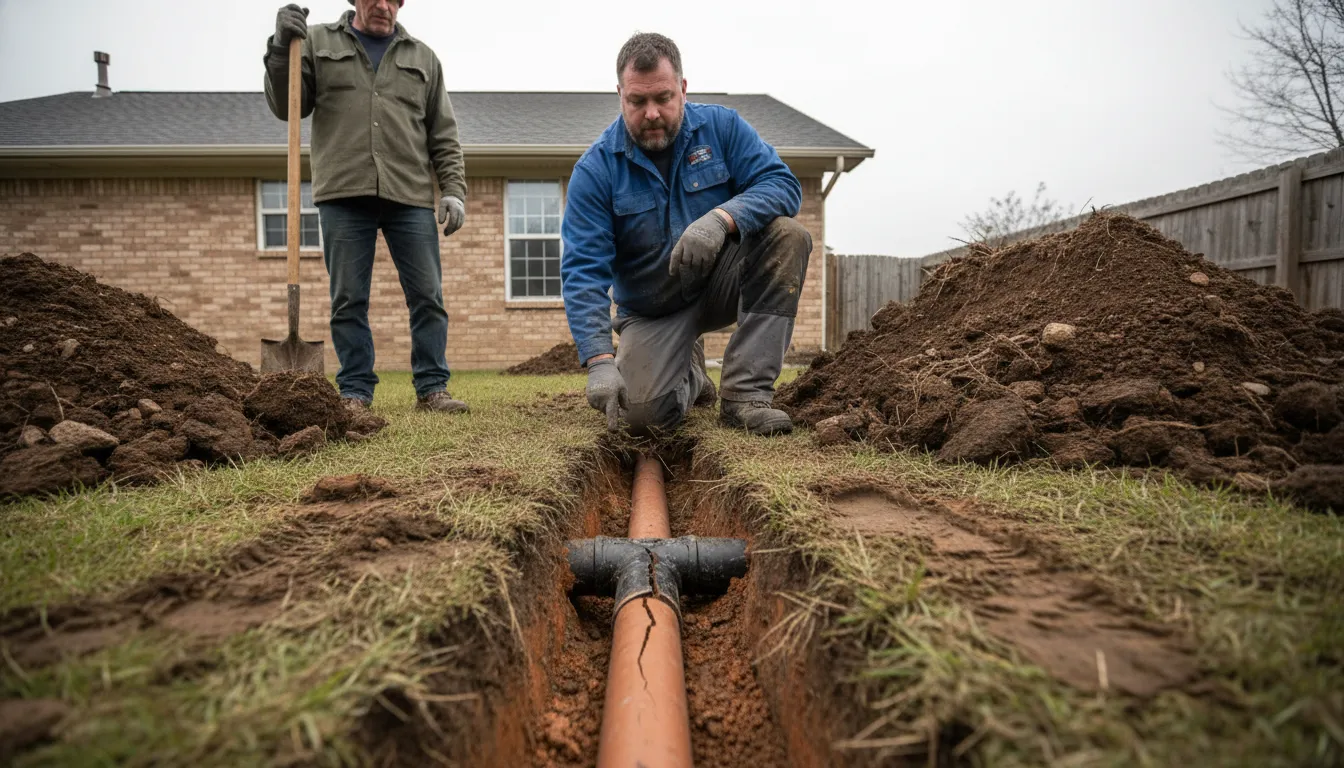
Find the Best Sewer Line Repair Companies for Your Business
No obligation • Fast responses • Nationwide coverage

Why you can trust Search a Plumber
Search a Plumber is a leading United States resource for finding and evaluating professional plumbing services. Our team researches licensing, experience, and customer feedback to create unbiased, fact-driven overviews. Companies cannot pay to change ratings or placement, ensuring homeowners get trustworthy information.
Search providers near you
Top Sewer Line Repair Companies in East Orange, New Jersey Ranked
A damaged sewer line is a serious issue that can disrupt your home, pose health risks, and lead to costly property damage if ignored. Sewer line repair involves diagnosing and fixing the underground pipe that carries all your home's wastewater to the city main. For East Orange residents, understanding the local causes, modern repair methods, and how to find qualified professionals is key to a swift, effective, and cost-conscious solution. This guide provides the essential information you need to navigate sewer line issues and connect with local specialists who can restore your property's vital plumbing infrastructure.
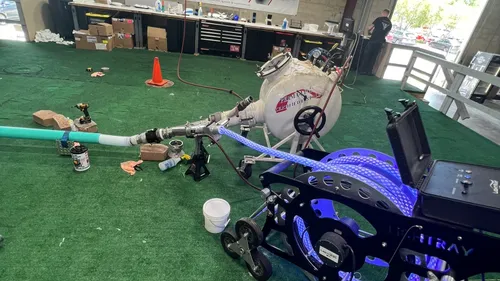
Royal Rooter and Drain Cleaning LLC
74 Jefferson Ave, Lodi, NJ 07644
Royal Rooter and Drain Cleaning LLC provides plumbing services in New York, NY, specializing in sewer camera inspections, drain cleaning, hydro jetting, and sewer line repairs. Their team uses camera inspections to accurately locate sewer issues and offers trenchless repair methods such as UV lining to minimize property disruption. Hydro jetting is available when pipes are suitable for this powerful cleaning technique.
Above and Beyond Plumbing and Heating LLC
5 Van Winkle Rd, Pine Brook, NJ 07058
Above and Beyond Plumbing and Heating LLC is a plumbing and heating service provider based in New York, NY. They offer a wide range of services including water heater repair and installation, water softener installation, drain cleaning, sewer line repair, leak detection, repiping, gas line installation, toilet repair, and garbage disposal repair. The company is known for its 24-hour emergency plumbing services, ensuring help is available whenever needed. They also specialize in boiler installation and repair, and install water filtration and softening systems to improve water quality. With over a decade of experience, Above and Beyond Plumbing and Heating LLC serves New York and surrounding areas, providing tailored solutions to meet specific plumbing and heating needs.
Main Man Water Main & Sewer Repair
10009 Glenwood Rd, Brooklyn, NY 11234
Main Man Water Main & Sewer Repair is a licensed and insured plumbing contractor based in New York, NY, specializing in water main and sewer line repairs. Serving all five boroughs of New York City, they offer a range of services including emergency repairs, DEP notice handling, and water main maintenance. With over 40 years of experience, their team is skilled in addressing leaks, blockages, and infrastructure compliance issues. They provide 24/7 emergency services to quickly resolve urgent plumbing problems.
BRUTE Contracting Water Main & Sewer Contractors
16 Park Way Suite 201, Upper Saddle River, NJ 07458
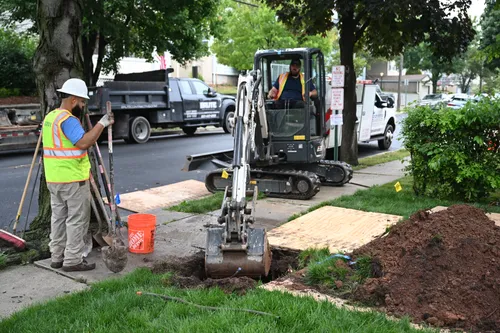
BRUTE Contracting Water Main & Sewer Contractors is a family-owned business specializing in sewer and water line installation, repair, and replacement in New York, NY. They serve both residential and commercial customers, using state-of-the-art commercial equipment to ensure efficient and reliable solutions. With over 20 years of experience, BRUTE Contracting has completed more than 2,000 projects and is fully licensed and insured. The company offers free consultations to tailor services to client needs.
All Flow Sewer & Drain Service
2293 Springfield Ave, Vauxhall, NJ 07088
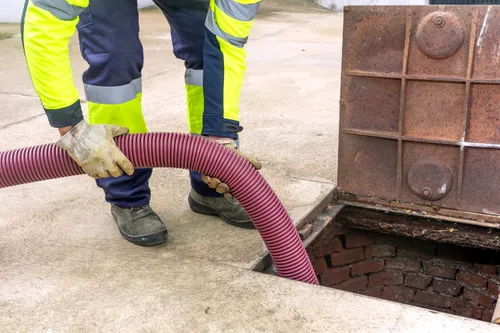
All Flow Sewer & Drain Service provides sewer and drain cleaning and repair services in New York, NY. They serve residential, commercial, and industrial clients, offering expertise in diagnosing and fixing sewer and drain line issues. With over 20 years of experience, the company is known for its thorough approach to maintaining plumbing systems and preventing damage from clogs or slow drains. Founded by Ron and Christina Fiorilli, the business reflects their commitment to customer care and quality workmanship.
Understanding Your Sewer Line in East Orange
The main sewer line, or sewer lateral, is a critical but out-of-sight component of your home. It runs from the foundation, under your yard, driveway, or sidewalk, and connects to the public sewer main in the street. When this pipe fails, every drain in your house can be affected. In East Orange and across Northern New Jersey, several factors unique to the region and aging infrastructure commonly lead to sewer line distress.
Common Causes of Sewer Line Failure
- Tree Root Intrusion: This is a leading cause in our area. Roots from mature trees are naturally drawn to the moisture and nutrients in sewer pipes, especially at pipe joints. They can infiltrate, causing blockages, cracks, and eventually complete pipe collapse.
- Aging Pipe Materials: Many homes in East Orange have original sewer lines made of clay tile or cast iron. Over decades, these materials can corrode, crack, crumble, or have their joints compromised, leading to leaks and structural failure 1.
- Ground Shifting and Settlement: New Jersey's soil conditions, particularly after periods of heavy rain or freeze-thaw cycles, can cause the ground to shift. This movement puts stress on buried pipes, leading to misalignment, cracks, or breaks 2.
- Poor Initial Installation or Ground Conditions: Historical installation practices or unstable soil can lead to pipes settling incorrectly, creating low spots where waste collects (bellying) and causes repeated clogs.
Modern Sewer Line Repair Methods
Today, homeowners have more options than just the traditional "dig-up-the-yard" approach. The right method depends on the damage's cause, location, and extent, which a professional camera inspection will determine.
Trenchless Sewer Repair
Trenchless technology has revolutionized sewer line restoration by minimizing property disruption. It's often the preferred choice for repairs under driveways, landscaped yards, or other hardscapes.
- Pipe Lining (Cured-In-Place Pipe or CIPP): A flexible, resin-saturated liner is inserted into the damaged pipe and inflated. The resin cures in place, forming a seamless, jointless "pipe within a pipe" that is highly durable and resistant to root intrusion 3.
- Pipe Bursting: This method is used when the old pipe is too damaged to line. A bursting head is pulled through the old pipe, fracturing it outward while simultaneously pulling a new, high-density polyethylene (HDPE) pipe into place.
Pros of Trenchless: Minimal landscape and hardscape disruption (only small access pits are needed), faster completion (often 1-2 days), extremely durable with a lifespan of 50+ years, and often more cost-effective overall when restoration expenses are considered 4. Cons of Trenchless: Higher upfront cost for the technology, may not be suitable for pipes that have completely collapsed or have severe misalignment.
Traditional Excavation Repair
This conventional method involves using a backhoe or other equipment to dig a trench along the path of the sewer line to fully expose the damaged section for repair or replacement.
Pros of Excavation: Allows for a direct, hands-on assessment of the entire problem, is effective for any type of damage including total collapses, and can have a lower initial cost for the repair work itself. Cons of Excavation: Highly invasive, destroying lawns, gardens, driveways, or walkways. This leads to significant additional costs and time for landscape and surface restoration, resulting in a higher total project cost and longer timeline 5 6.
Cost Considerations for Sewer Repair in East Orange
Sewer line repair is a significant investment, but costs can vary widely based on the chosen method, the length and depth of the pipe, and the complexity of the job. A professional inspection is the only way to get an accurate quote.
- Trenchless Pipe Lining (CIPP): Typically ranges from $70 to $150 per linear foot. For a standard 100-foot line, this translates to approximately $7,000 to $15,000.
- Trenchless Pipe Bursting: Generally costs between $60 to $200 per linear foot, or about $6,000 to $20,000 for 100 feet 7.
- Spot Repair (Localized Trenchless or Excavation): For a single, isolated problem area, repairs can range from $1,500 to $5,000.
- Traditional Excavation: The repair work itself may cost $50 to $200 per linear foot (a base of $5,000 to $20,000). However, you must add $3,000 to $8,000 or more for restoring the excavated landscape, driveway, or other surfaces 8 9.
Find the perfect sewer line repair companies for your needs
Get personalized recommendations and expert advice
Key Takeaway: While trenchless methods often have a higher initial price tag, they frequently prove more cost-effective in the long run for East Orange homeowners by completely avoiding the substantial expense and hassle of property restoration 10. Traditional excavation remains a necessary solution for severe, collapsed sections or situations where direct access is simpler and less destructive.
Choosing a Sewer Repair Specialist
Selecting the right contractor is as important as choosing the repair method. Look for a licensed, insured plumber or sewer specialist with specific experience in both trenchless and traditional methods. They should always perform a video camera inspection first to diagnose the problem accurately. Ask for detailed, written estimates that break down all costs, including permits, repair, and any necessary restoration. Check for local references and reviews, and ensure they offer a strong warranty on both materials and labor.
Frequently asked questions
Sources
Footnotes
-
Sewer Pipe Repair in New Jersey - A.J. Perri - https://www.ajperri.com/plumbing/sewer-pipe-repair-and-replacement ↩
-
Common Causes of Sewer Line Problems in New Jersey - ICUNJ - https://icunj.us/articles/common-causes-sewer-line-problems-new-jersey.html ↩
-
Trenchless Sewer Repair in New Jersey - NJ Pipe Doctor - https://njpipedr.com/drain-sewer/trenchless-sewer/ ↩
-
Efficient Trenchless Sewer Line Repair in Northern New Jersey - https://russobrosplumbing.com/sewer/trenchless/ ↩
-
Sewer Pipe Lining vs Residential Excavation - 128 Plumbing - https://www.128plumbing.com/sewer-pipe-lining-vs-residential-excavation/ ↩
-
Trenchless Sewer Line Repair vs. Sewer Line Excavation - https://dandfplumbing.com/sewer-line-repair-vs-sewer-line-excavation/ ↩
-
Trenchless Sewer Repair vs. Traditional Excavation - TDT Plumbing - https://tdtplumbing.com/trenchless-sewer-repair/difference-to-traditional-repair/ ↩
-
Sewer Line Replacement Cost: 2025 Data - NJ Pipe Doctor - https://njpipedr.com/blog/sewer-line-replacement-cost/ ↩
-
Cost Comparison: Trenchless vs. Traditional Sewer Line Repair - https://www.advancedtrenchlesssolutions.com/blog/cost-comparison-trenchless-vs-traditional-sewer-line-repair ↩
-
Trenchless vs. Traditional Sewer Repair - https://sewerlinesonly.com/trenchless-vs-traditional-sewer-repair-which-is-more-cost-effective-for-lakewood-homeowners/ ↩