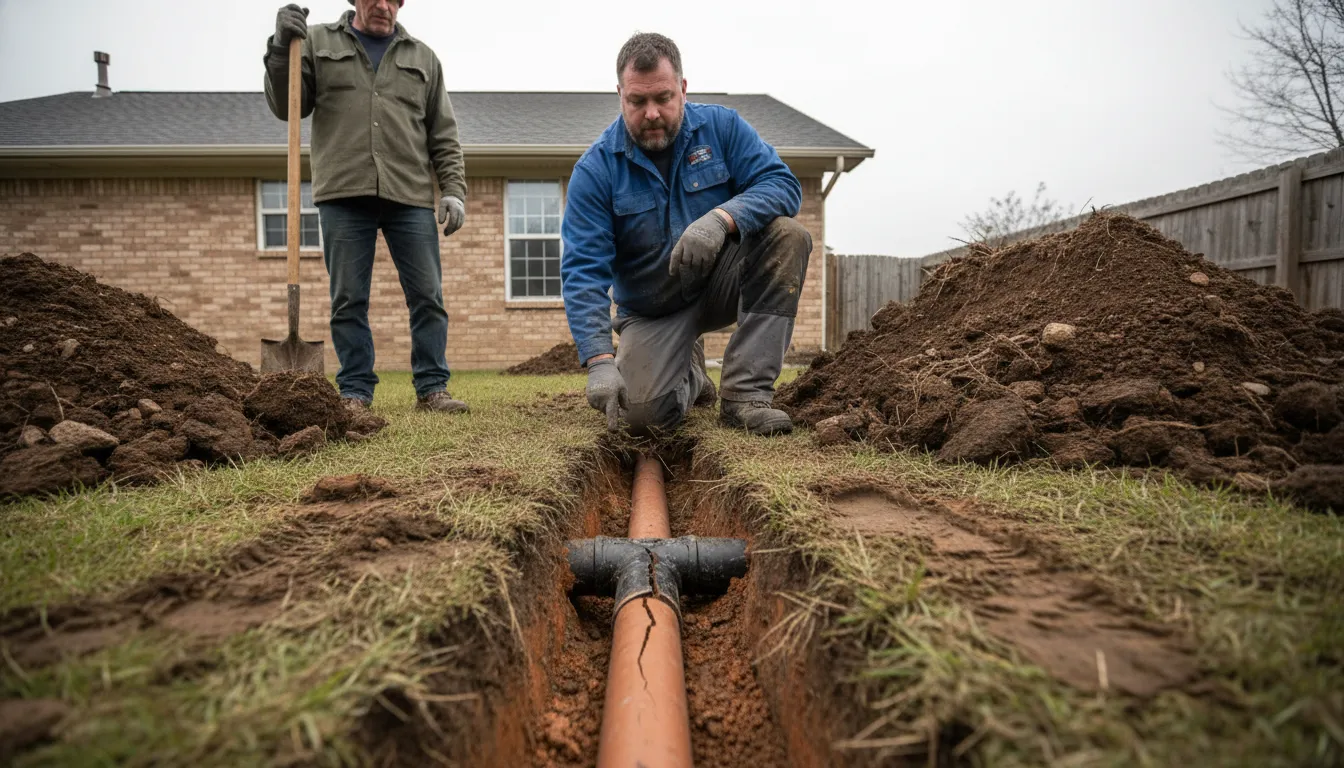
Find the Best Sewer Line Repair Companies for Your Business
No obligation • Fast responses • Nationwide coverage

Why you can trust Search a Plumber
Search a Plumber is a leading United States resource for finding and evaluating professional plumbing services. Our team researches licensing, experience, and customer feedback to create unbiased, fact-driven overviews. Companies cannot pay to change ratings or placement, ensuring homeowners get trustworthy information.
Search providers near you
Top Sewer Line Repair Companies in Greensboro, North Carolina Ranked
A damaged sewer line is a serious issue that can disrupt your home's plumbing, create health hazards, and cause significant property damage if left unaddressed. Sewer line repair involves fixing or replacing the underground pipe that carries all your home's wastewater to the city's main sewer system. This guide explains the common causes of sewer line failure in Greensboro, details the modern repair methods available, and provides insights to help you navigate the process of finding a qualified local professional for this critical job.
Benjamin Franklin Plumbing of the Triad
121 E Bodenhamer St, Kernersville, NC 27284
Benjamin Franklin Plumbing of the Triad provides a wide range of plumbing services in Greensboro, NC, including sewer camera inspections, water heater repair and installation, drain cleaning, leak detection, and repiping. They specialize in addressing plumbing issues common to the Triad area, such as outdated piping in historic homes and sewer line problems caused by root infiltration. The company uses modern technology for trenchless sewer repairs and advanced leak detection to minimize disruption and prevent further damage. As a locally owned and operated business, they focus on serving the community with licensed plumbers familiar with the region's unique plumbing needs.
Transou's Plumbing & Septic | Emergency Plumber Winston-Salem, NC | Tankless Water Heater Repair | Septic Tank | Sewer Repair
101 E Devonshire St, Winston-Salem, NC 27127
Transou's Plumbing & Septic is a well-established plumbing and septic service provider located in Winston-Salem, NC. Serving the North Carolina Triad area, they offer a wide range of services including water heater repair and installation, tankless water heater services, sewer line repair, leak detection, and septic system maintenance. With over 70 years of experience, the company has grown into one of the largest plumbing and septic businesses in the region. They provide emergency plumbing services and specialize in leak detection to protect homes from water damage.
Pride Plumbing - Asheboro
1793 E Salisbury St, Asheboro, NC 27203
Pride Plumbing - Asheboro provides a range of plumbing services in Charlotte, NC, including water heater repair and installation, drain cleaning, sewer line repair, and repiping. The company has been serving the community since 1965, offering both residential and commercial plumbing solutions. They are equipped to handle emergency plumbing needs with 24/7 live help, ensuring timely response to urgent issues. Their licensed plumbers focus on completing jobs correctly the first time, with upfront pricing and clear communication throughout the service.
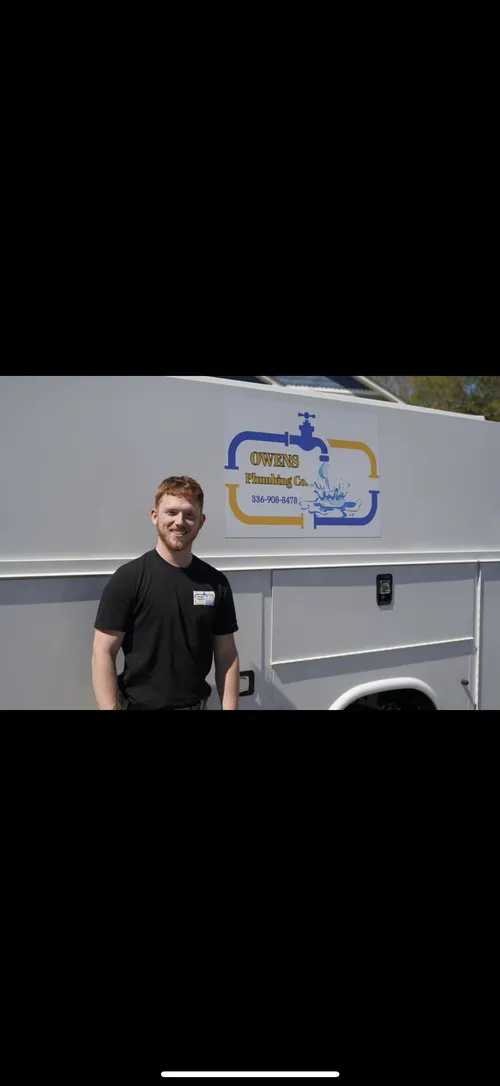
Owens Plumbing Company LLC
1418 Whilden Pl, Greensboro, NC 27408
Owens Plumbing Company LLC serves Greensboro, NC, providing a wide range of plumbing services for both residential and commercial clients. Their expertise includes water heater installation and repair, drain cleaning, sewer line repair, leak detection, repiping, gas line installation, and toilet repair. They handle various water heater types such as gas, electric, hybrid, and tankless models, and offer comprehensive drain cleaning services that address issues from kitchen grease to tree root blockages. Owens Plumbing Company LLC also manages water and gas line repairs and replacements, including main sewer and water lines, as well as fixture and faucet installations and repairs. They support commercial properties with plumbing maintenance and emergency services to keep businesses operational.
Martin Bradley Plumbing
4892 McCracken Rd, Kernersville, NC 27284
Martin Bradley Plumbing is a family-owned plumbing contractor based in Kernersville, NC, serving Winston Salem and the entire Piedmont Triad region. With 35 years of experience, they provide a range of plumbing services including tankless water heater installation, drain cleaning, sewer line repair, leak detection, gas line installation, and hydro jetting. The company is licensed in North Carolina and offers 24/7 emergency services to both residential and commercial customers.
Understanding Your Home's Sewer System
The main sewer line, or sewer lateral, is the private pipe that runs from your home's foundation to the public sewer main, usually located under the street or an easement. In Greensboro, these lines are typically buried several feet underground, often passing beneath yards, driveways, gardens, and sometimes even under the home itself. When this critical artery fails, all the wastewater from your toilets, sinks, showers, and appliances has nowhere to go, leading to backups, foul odors, and potential foundation issues. Recognizing the signs of a problem early-such as multiple slow drains, gurgling sounds from toilets, sewage odors in the yard, or unexplained soggy patches in the lawn-can save you from more extensive and expensive damage.
Common Causes of Sewer Line Damage in Greensboro
Several factors contribute to sewer line failures, and understanding the cause is the first step toward an effective repair.
- Tree Root Intrusion: This is a primary culprit in Greensboro's established neighborhoods. Roots from trees and large shrubs are naturally drawn to the moisture and nutrients inside sewer pipes. They can infiltrate through tiny cracks or pipe joints, eventually growing large enough to cause complete blockages or crack the pipe from the inside out.
- Aging and Corroding Pipes: Many older homes in the area were built with cast iron or clay sewer pipes. Over decades, cast iron can rust and corrode, thinning the pipe wall until it collapses. Clay pipes, while durable, are brittle and can crack from ground pressure or shifting soil.
- Ground Shifting and Settlement: The soil in North Carolina can expand and contract with changes in moisture. This movement, along with general settling over time, can put stress on sewer lines, causing them to crack, break, or misalign at the joints.
- Grease and Debris Blockages: While not always a structural repair issue, the buildup of fats, oils, grease, and non-flushable items can create severe clogs that mimic or exacerbate a broken line. Persistent blockages often indicate a deeper problem with the pipe's integrity.
- External Damage: Construction work, heavy vehicle traffic over the line, or even extreme soil pressure can crush or fracture underground pipes.
The Essential First Step: Sewer Camera Inspection
Before any repair work begins, a professional sewer camera inspection is non-negotiable. A licensed plumber will insert a high-resolution, waterproof camera on a flexible rod into your sewer line. This allows them to:
- Pinpoint the exact location and depth of the problem.
- Identify the specific cause (roots, break, collapse, bellied pipe).
- Assess the overall condition and material of the existing pipe.
- Provide a definitive diagnosis and accurate, transparent repair estimate.
Skipping this step is like a doctor prescribing major surgery without an X-ray. The inspection fee is a wise investment that prevents unnecessary excavation and ensures you get the right solution for your specific situation.
Modern Repair Methods: Trenchless vs. Traditional
Today, homeowners in Greensboro have two main categories of sewer repair to consider: less invasive trenchless methods and traditional open excavation.
Trenchless Sewer Repair
Trenchless technology has revolutionized sewer line repair by minimizing disruption to your property. There are two primary techniques:
- Pipe Lining (Cured-In-Place Pipe or CIPP): A flexible, resin-saturated tube is inverted or pulled into the damaged pipe. It is then inflated and cured (often with hot air or UV light) to form a hard, seamless "pipe-within-a-pipe." This method effectively seals cracks and holes, resists root intrusion, and improves flow.
- Pipe Bursting: This method is used for replacing severely damaged pipes. A conical bursting head is pulled through the old pipe, fracturing it outward while simultaneously pulling a new, durable pipe (usually HDPE) into place behind it. It replaces the old line entirely with a new one of equal or larger diameter.
Pros of Trenchless Repair:
- Minimal Disruption: Requires only small access pits at the beginning and end of the line, leaving your lawn, driveway, and landscaping virtually untouched 1.
- Speed: Most trenchless repairs can be completed in one to two days, compared to weeks for large excavation projects.
- Durability: The new liner or pipe is highly resistant to corrosion and root intrusion, often with a warranty of 50 years or more.
- Improved Flow: The smooth interior of cured-in-place liners can improve water flow compared to old corroded pipes.
Cons of Trenchless Repair:
- Higher Upfront Cost: The specialized equipment and materials can make the initial price per foot higher than basic excavation.
- Not for Every Scenario: It may not be suitable for pipes that have completely collapsed, have severe misalignment (offsets), or are located under certain structures without access points.
- Slight Diameter Reduction: Lining can slightly reduce the internal diameter of the pipe, though this is often negligible with modern techniques.
Traditional Excavation Repair
This is the conventional method, involving digging a large trench along the entire length of the damaged sewer line to expose it for repair or replacement.
Pros of Traditional Excavation:
- Comprehensive Solution: Allows for a full visual inspection and repair of any and all damage along the exposed line.
- Potentially Lower Initial Material Cost: The cost of the new pipe itself may be lower than trenchless materials, before factoring in restoration 2.
- Universal Applicability: Can be used in almost any situation, regardless of the pipe's condition or location.
Cons of Traditional Excavation:
- Major Property Disruption: Your yard will be turned into a construction site, potentially destroying lawns, gardens, sidewalks, and driveways 3 4.
- Lengthy Timeline: The process of digging, repairing, backfilling, and restoring the landscape can take weeks.
- High Restoration Costs: The final bill must include significant expenses for sod, concrete, paving, and landscaping to return your property to its original state, which can add thousands to the project.
Find the perfect sewer line repair companies for your needs
Get personalized recommendations and expert advice
Cost Considerations for Sewer Line Repair in Greensboro
Costs can vary widely based on the method, the length and depth of the line, the extent of damage, and local labor rates. The figures below are estimates to help you budget; a camera inspection and quote from a local professional are essential for an accurate price.
- Sewer Camera Inspection: Typically ranges from $250 to $500, depending on the company and scope.
- Trenchless Repair (Pipe Lining): Generally costs between $60 and $150 per linear foot 5 6.
- Trenchless Repair (Pipe Bursting): Often ranges from $100 to $250 per linear foot, as it involves full pipe replacement 7.
- Traditional Excavation Repair: Can range from $50 to $450+ per linear foot for the excavation and repair work alone 8. Crucially, this does not include landscape and hardscape restoration, which can add 25-50% or more to the total cost.
- Total Project Range: For a typical residential sewer line repair or replacement in Greensboro, total costs can range from $1,000 for a minor, localized repair to $20,000 or more for a full-length replacement of a deep line under difficult conditions 9 10.
While trenchless methods often have a higher per-foot cost, the elimination of massive restoration expenses can make them more cost-competitive-or even cheaper-than excavation when you consider the total project impact 11.
Choosing a Service Provider in Greensboro
When selecting a professional for your sewer line project, look for a licensed, insured plumber or sewer specialist with specific experience in the repair method you're considering. Ask for references, verify warranties on both labor and materials, and ensure they provide a detailed, written estimate that includes all potential costs. Some local companies, like Sutton Brothers and Next Level Pipe Lining, specialize in trenchless solutions such as pipe bursting and CIPP lining, offering Greensboro residents modern alternatives to major digging 12 13. Ultimately, the right provider will thoroughly explain your options, recommend the most effective solution for your property's specific needs, and stand behind their work.
Frequently asked questions
Sources
Footnotes
-
Trenchless Sewer Repair in Greensboro - Zoom Drain - https://www.zoomdrain.com/greensboro/drain-and-sewer-services/trenchless-drain-and-sewer/ ↩
-
Sewer Repair Cost: Trenchless Vs Traditional Methods - https://www.superbrothers.com/sewer-repair-cost-trenchless-vs-traditional-methods/ ↩
-
Trenchless Sewer Repair vs. Traditional Excavation - https://alphaenvironmental.net/blog/trenchless-sewer-repair-vs-traditional-excavation-which-is-better/ ↩
-
Trenchless Sewer Line Repair vs Traditional: Which Is Better - https://cactusplumbingandair.com/trenchless-sewer-line-repair-vs-traditional/ ↩
-
Is Trenchless Sewer Line Repair Cheaper? - AP Plumbing - https://applumbing.com/blog/is-trenchless-sewer-line-repair-cheaper/ ↩
-
How Much Does It Cost to Fix a Sewer Line in 2025 - VEVOR - https://www.vevor.com/diy-ideas/how-much-does-it-cost-to-fix-a-sewer-line/ ↩
-
Empower Your Decision: Decoding Trenchless Sewer Repair Costs - Pipeliner Pros - https://pipelinerpros.com/trenchless-sewer-repair-cost/ ↩
-
Greensboro Plumbing Service Costs & Prices - https://plumbers.promatcher.com/cost/greensboro-nc-plumbers-costs-prices.aspx ↩
-
How Much Does It Cost To Replace A Sewer Line? - Michael & Son - https://michaelandson.com/blog/how-much-does-it-cost-to-replace-a-sewer-line ↩
-
How Much Does It Cost To Replace A Sewer Line? - CME - https://www.hksolutionsgroup.com/cmesewerrepair/about/resources/sewer-line-replacement-cost ↩
-
Cost Comparison: Trenchless vs. Traditional Sewer Line Repair - https://www.advancedtrenchlesssolutions.com/blog/cost-comparison-trenchless-vs-traditional-sewer-line-repair ↩
-
Trenchless Pipe Bursting | Sewer Lines, Plumbing Service - https://suttonbros.com/plumbing-services/trenchless-pipe-repair/ ↩
-
Trenchless Sewer Pipe Repair | Greensboro | Next Level - https://nextlevelpipelining.com/service-areas/greensboro-triad-nc/trenchless-sewer-pipe-repair-greensboro-triad-nc/ ↩