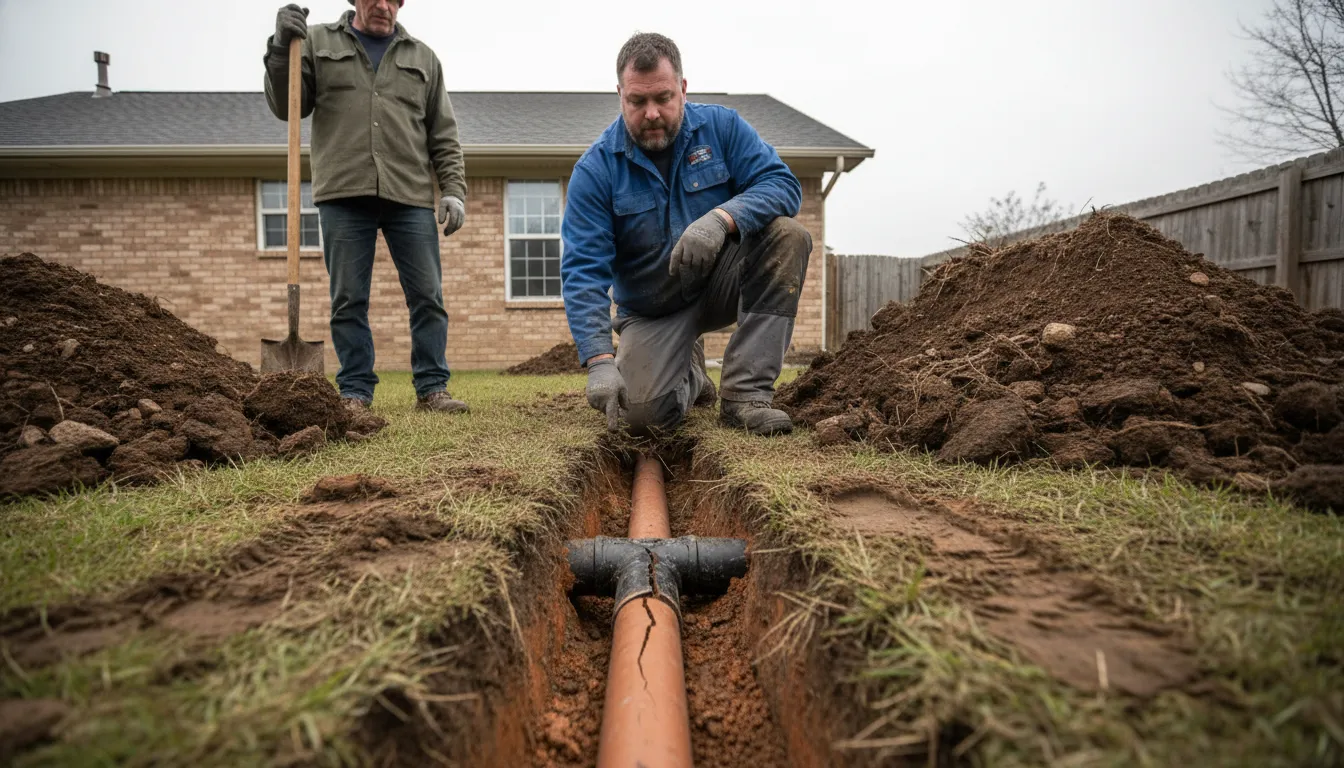
Find the Best Sewer Line Repair Companies for Your Business
No obligation • Fast responses • Nationwide coverage

Why you can trust Search a Plumber
Search a Plumber is a leading United States resource for finding and evaluating professional plumbing services. Our team researches licensing, experience, and customer feedback to create unbiased, fact-driven overviews. Companies cannot pay to change ratings or placement, ensuring homeowners get trustworthy information.
Search providers near you
Top Sewer Line Repair Companies in Chapel Hill, North Carolina Ranked
A damaged sewer line is a serious issue that can disrupt your home and pose health risks. Sewer line repair involves fixing the underground pipe that carries all your home's wastewater away, a critical component of your property's plumbing system. This guide explains the common causes of failures in Chapel Hill, the modern and traditional repair methods available, and how you can find qualified local specialists to restore proper function with minimal disruption to your yard and daily life.
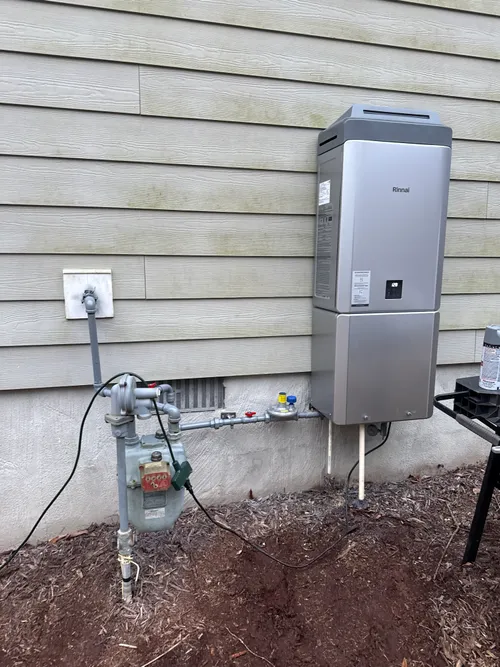
Thor's Plumbing Solutions
1223 Byrdsville Rd, Hillsborough, NC 27278
Thor's Plumbing Solutions is a locally and family-owned plumbing company serving Durham, NC, and nearby areas. With over 20 years of experience, they offer a wide range of plumbing services including sewer camera inspections, water heater repairs and installations, drain cleaning, leak detection, repiping, and gas line installations. The company uses advanced diagnostic tools to identify issues such as sewer line problems and provides tailored solutions for both residential and commercial properties. They also provide 24/7 emergency services to address plumbing needs at any time.
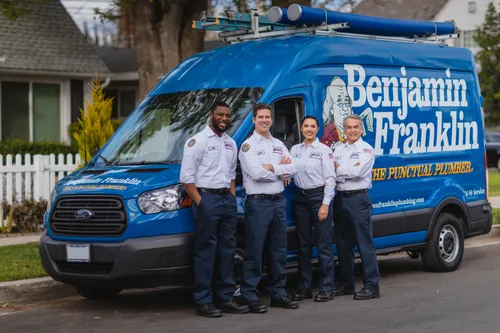
Benjamin Franklin Plumbing
1415 W North Carolina 54 Suite 101, Durham, NC 27707
Benjamin Franklin Plumbing is a plumbing service provider located in Durham, NC. They offer a range of services including water heater repair, tankless water heater installation, drain cleaning, sewer line repair, and leak detection. The company emphasizes routine maintenance such as annual water heater flushing and drain cleaning to help prevent common plumbing issues. They also provide 24/7 emergency plumbing services to address urgent needs promptly. Benjamin Franklin Plumbing serves the Durham area with expertise in diagnosing and fixing plumbing problems, including sewer line damage and low water pressure.
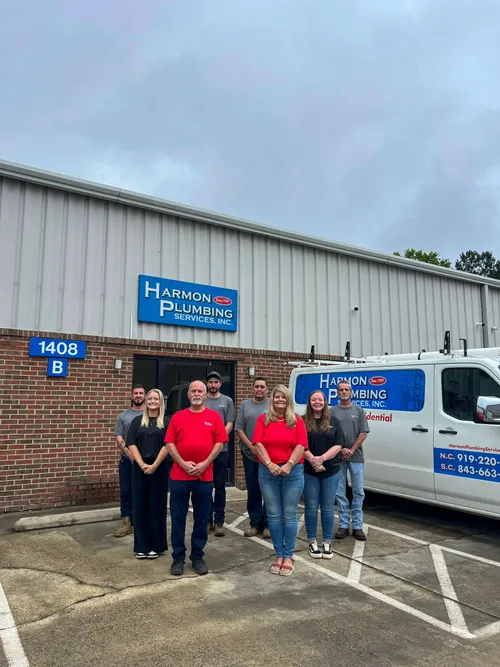
Harmon Plumbing
1408 Old Oxford Rd B, Durham, NC 27704
Harmon Plumbing is a family-owned plumbing company serving Durham, NC, and the greater Research Triangle area. Established in 1989, they offer a wide range of plumbing services including drain cleaning with camera inspections and hydro jetting, water heater installation and repair for traditional and tankless models, sewer line repair, leak detection, repiping, and gas line installation. They use modern technology to diagnose and resolve plumbing issues efficiently and provide 24/7 emergency services for gas leaks. With over 35 years of experience, Harmon Plumbing combines local knowledge with advanced solutions to meet residential and commercial plumbing needs.
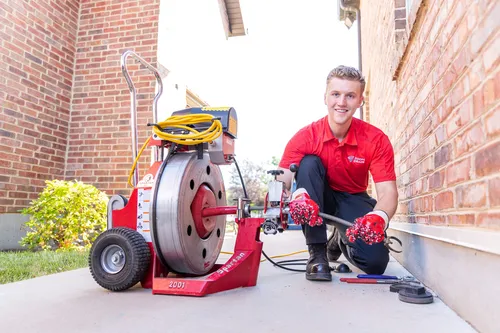
Zoom Drain
510 Pylon Dr, Raleigh, NC 27606
Zoom Drain is a plumbing company based in Raleigh, NC, specializing in drain and sewer services for both residential and commercial clients. They offer a range of services including drain cleaning, sewer line repair, water heater installation and repair, sump pump repair, toilet repair, and hydro jetting. Their advanced technology includes video inspections and a proprietary Zoom Jetting® system to effectively diagnose and clear blockages. With years of experience, Zoom Drain focuses exclusively on drain and sewer issues, providing tailored maintenance plans and specialized services such as grease trap maintenance for the food and hospitality sector. They serve Raleigh and surrounding areas including Apex, Cary, Holly Springs, Morrisville, and New Hill.
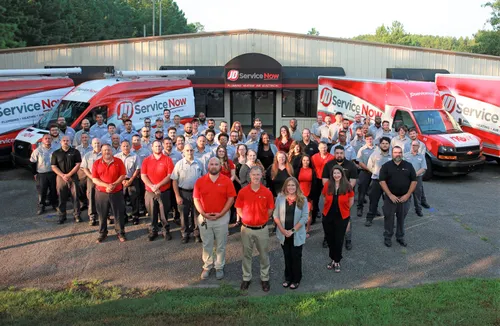
JD Service Now
4416 Bennett Memorial Rd STE 108, Durham, NC 27705
JD Service Now provides a range of home services in Durham, NC, including plumbing, heating, cooling, and electrical work. Their plumbing services cover water heater repair and installation, drain cleaning, hydro jetting, sewer line repair, trenchless sewer repair, leak detection, and repiping. The company is equipped to handle drain and sewer jobs of any size and offers trenchless pipe lining as a minimally invasive option. JD Service Now is known for its focus on integrity and customer service, serving the Durham area with a commitment to honest solutions and respect for customers' homes.
Understanding Your Home's Sewer System
The main sewer line, or sewer lateral, is the private pipe that runs from your home's foundation to the public sewer main in the street or to your private septic tank. It is buried several feet underground, typically beneath your yard, driveway, or landscaping. Everything from your toilets, sinks, showers, and washing machine drains into this single pipe. When it fails, the consequences-like sewage backups, slow drains, or soggy patches in the yard-are immediately apparent and require prompt attention.
Why Sewer Lines Fail in Chapel Hill
The causes of sewer line damage are often specific to local conditions, including soil composition, climate, and the age of housing infrastructure.
Tree Root Intrusion: This is a leading cause of sewer problems in neighborhoods like Southern Village and other tree-lined areas of Chapel Hill. Roots are naturally drawn to the moisture and nutrients inside sewer pipes. They can infiltrate through tiny cracks or pipe joints, eventually growing large enough to cause complete blockages or crack the pipe from the inside out 1.
Aging Pipe Materials: Many older homes in the area were built with clay tile or cast iron sewer pipes. Over decades, clay can crack or collapse, while cast iron is susceptible to corrosion and rust, leading to brittleness and eventual failure.
Soil Conditions: North Carolina's expansive clay soils are a significant factor 2. These soils swell when wet and shrink when dry, causing constant movement and pressure on buried pipes. This shifting can lead to misaligned joints, cracks, and in severe cases, pipe collapses.
Ground Settlement and Shifting: Beyond soil expansion, general ground settlement over time or pressure from heavy surface loads (like construction equipment or new structures) can stress and break sewer lines.
Grease and Foreign Object Blockages: While not always causing physical damage, the buildup of grease, fats, and non-flushable items (like "flushable" wipes, toys, or excessive paper) can create severe obstructions that mimic or exacerbate a line break 3.
Diagnosing a Sewer Line Problem
Before any repair can be planned, an accurate diagnosis is essential. Professional plumbers use specialized sewer camera inspection equipment. A flexible, waterproof camera is fed through the line, providing a real-time video feed of the pipe's interior condition. This inspection identifies the exact location, nature, and severity of the problem-whether it's a root mass, a crack, a collapsed section, or a simple blockage-without any guesswork 4.
Modern Repair Methods: Trenchless Technology
For many issues, trenchless sewer repair offers a less invasive, often faster solution compared to traditional digging. These methods are ideal for repairing existing pipes that are structurally sound enough to host a new liner.
Cured-In-Place Pipe (CIPP) Lining: This is a common trenchless technique. A flexible, resin-saturated tube is inverted or pulled into the damaged pipe. It is then inflated and cured (often using hot water or steam) to form a rigid, seamless "pipe-within-a-pipe." The new liner seals cracks and holes, prevents root intrusion, and restores flow. The process typically requires only small access pits at each end of the section being repaired 5.
Pipe Bursting: This method is used when the old pipe is too damaged to line but a full-diameter replacement is needed. A bursting head is pulled through the old pipe, fracturing it outward while simultaneously pulling a new, high-density polyethylene (HDPE) pipe into place behind it. It replaces the line without the need for a long, open trench 6 7.
Advantages of Trenchless Repair:
- Minimal Disruption: Your lawn, driveway, and landscaping remain largely intact.
- Speed: Many projects can be completed in one to two days.
- Durability: The new pipe liners are corrosion-resistant and can have a lifespan of 50 years or more 8 9.
- Cost-Effective: While material costs can be higher, you save significantly on the labor and restoration costs associated with excavation.
Find the perfect sewer line repair companies for your needs
Get personalized recommendations and expert advice
Traditional Excavation and Replacement
There are situations where traditional excavation is the necessary or most practical solution. This involves using backhoes or other equipment to dig a trench along the path of the sewer line to fully expose it.
When Excavation is Recommended:
- The pipe has completely collapsed or is severely misaligned.
- The line needs to be rerouted or have its slope corrected.
- The damage is localized to a very short, accessible section.
- The soil conditions or other obstacles make trenchless methods impractical.
Considerations for Traditional Repair:
- Major Disruption: It requires a large trench through your property.
- Restoration Costs: You must budget for repairing your yard, concrete, sidewalks, or landscaping after the pipe is fixed.
- Longer Timeline: The digging, repair, and backfilling process takes longer, and restoration adds additional time.
Cost Considerations for Chapel Hill Homeowners
Sewer line repair is a significant investment, and costs vary widely based on the method, extent of damage, pipe location, and length. Obtaining multiple detailed estimates from reputable providers is crucial.
- Trenchless Lining (CIPP): For a typical repair, costs often range from $3,500 to $12,000 or more, depending on the length (e.g., 20-30 feet) and complexity.
- Pipe Bursting: This can be more cost-effective than full excavation, potentially cutting replacement costs significantly.
- Traditional Excavation/Replacement: This is generally the most expensive option due to labor and restoration. For a standard 30-foot line replacement in Chapel Hill, homeowners might expect costs in the range of $12,000 to $25,000 or more, with complex projects exceeding $30,000 10 11.
Remember, the least expensive option upfront is not always the most cost-effective long-term choice when considering property restoration and the longevity of the repair.
Choosing the Right Service Provider
Selecting a qualified professional is the most important step. Look for a licensed, insured plumbing contractor with specific experience in sewer line diagnostics and both trenchless and traditional repair methods. They should perform a camera inspection and clearly explain all viable options, including the pros, cons, and costs of each. Check for local references and reviews, and ensure they obtain all necessary permits from the Town of Chapel Hill or Orange County.
Maintaining Your Repaired Sewer Line
Once your sewer line is repaired, proper maintenance can help extend its life for decades. Avoid planting trees with aggressive root systems near the line. Be mindful of what goes down your drains: never pour grease down the sink, and only flush human waste and toilet paper. Consider periodic professional inspections, especially for older systems, to catch minor issues before they become major problems.
Frequently asked questions
Sources
Footnotes
-
Common Septic System Problems Chapel Hill, NC - Sewer-Man - https://sewerman.com/chapel-hill/services/repiping/ ↩
-
Sewer Line & Trenchless Sewer Repair Services - Pipetechs Plumbing - https://www.pipetechsplumbing.com/home/residential-plumbing-services/sewer-line-trenchless-sewer-repair ↩
-
Drain Backup - https://nextlevelpipelining.com/common-plumbing-problems/drain-backup/ ↩
-
Sewer Repair Options: Trenchless vs. Traditional Methods | TYCO - https://tycoplumbingco.com/sewer-repair-options-trenchless-vs-traditional-methods/ ↩
-
7 Expert Solutions for Sewer Repair Chapel Hill Success - https://sewerlinerrepair.com/wake-county/chapel-hill/ ↩
-
Sewer Pipe Lining vs Residential Excavation - 128 Plumbing - https://www.128plumbing.com/sewer-pipe-lining-vs-residential-excavation/ ↩
-
Trenchless Sewer Line Repair vs Traditional: Which Is Better - https://cactusplumbingandair.com/trenchless-sewer-line-repair-vs-traditional/ ↩
-
Trenchless Sewer Repair: Lower Cost, Lower Impact Sewer Repair - https://www.sewerflowllc.com/2025/03/06/trenchless-sewer-repair-lower-cost-lower-impact-sewer-repair/ ↩
-
Empower Your Decision: Decoding Trenchless Sewer Repair Costs - https://pipelinerpros.com/trenchless-sewer-repair-cost/ ↩
-
The Cost of Sewer Line Replacement: What to Expect - https://dirtcheapsewer.com/the-cost-of-sewer-line-replacement/ ↩
-
Cost Comparison: Trenchless vs. Traditional Sewer Line Repair - https://www.advancedtrenchlesssolutions.com/blog/cost-comparison-trenchless-vs-traditional-sewer-line-repair ↩