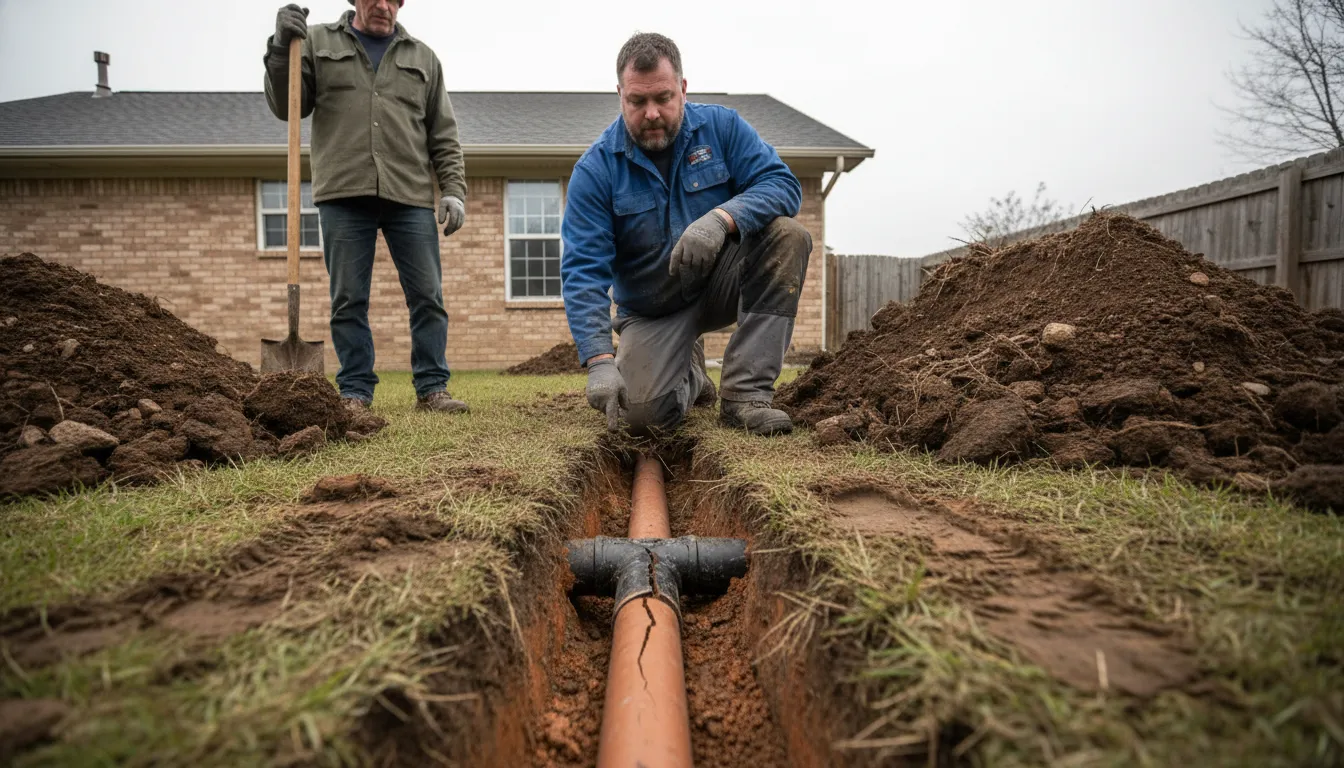
Find the Best Sewer Line Repair Companies for Your Business
No obligation • Fast responses • Nationwide coverage

Why you can trust Search a Plumber
Search a Plumber is a leading United States resource for finding and evaluating professional plumbing services. Our team researches licensing, experience, and customer feedback to create unbiased, fact-driven overviews. Companies cannot pay to change ratings or placement, ensuring homeowners get trustworthy information.
Search providers near you
Top Sewer Line Repair Companies in Plymouth, Minnesota Ranked
A damaged sewer line is a serious issue that can disrupt your home, pose health risks, and lead to costly property damage if ignored. In Plymouth, where harsh winters and mature trees are common, understanding your options for sewer repair or replacement is crucial. This guide explains the causes of sewer line problems, compares modern trenchless methods with traditional excavation, and provides insight into local costs to help you make an informed decision when seeking a professional.
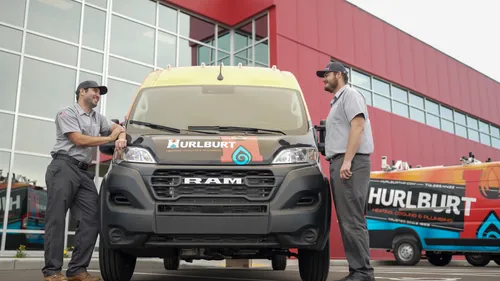
Hurlburt Heating & Plumbing
1000 County Rd E Suite 115, Shoreview, MN 55126
Hurlburt Heating & Plumbing is a family-owned home services provider serving St Paul, MN, and surrounding areas. Since 1959, they have offered plumbing, HVAC, and electrical services, including water heater repair, water softener installation, drain cleaning, and sewer line repair. Their experienced technicians use modern tools to address a wide range of home service needs. With a long history in the region, Hurlburt combines local knowledge with comprehensive capabilities to support homeowners year-round.
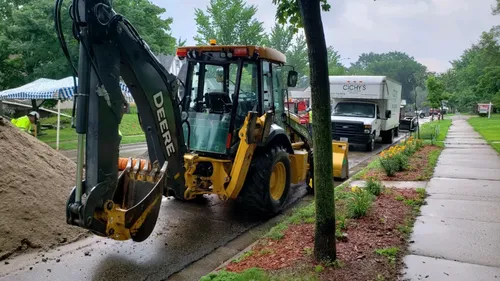
Cichy's Water & Sewer
3346 Snelling Ave, Minneapolis, MN 55406
Cichy's Water & Sewer is a family-owned underground plumbing company serving St Paul, MN, and the surrounding Minneapolis area since 1989. They specialize in sewer line repair, water line replacement, and trenchless sewer repair, offering customized solutions to protect homes from underground plumbing issues. Their services include sewer video inspections, spot and trenchless sewer repairs, sewer cleaning with Picote descaling, and storm sewer line repair and installation. With over 30 years of experience, Cichy's Water & Sewer provides durable underground plumbing solutions tailored to each property.
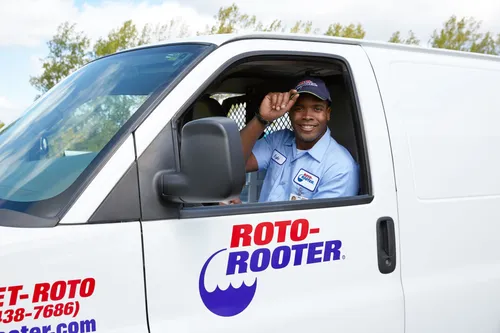
Roto-Rooter Plumbing & Water Cleanup
1821 University Ave W #317, St Paul, MN 55104
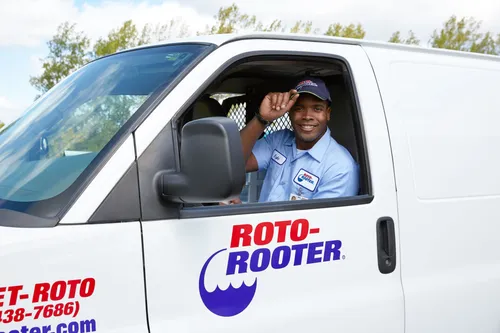
Roto-Rooter Plumbing & Water Cleanup provides a wide range of plumbing services in St. Paul, MN, including residential and commercial plumbing, drain cleaning, sewer line repair, water heater installation and repair, water softener and filtration system installation, and leak detection. They offer specialized capabilities such as video camera sewer inspections and trenchless sewer repair methods to minimize disruption during repairs. Serving the St. Paul metro area, their team is available 24/7, 365 days a year to address plumbing emergencies and routine maintenance needs.
Roto-Rooter Plumbing & Water Cleanup
6440 Flying Cloud Dr #111, Eden Prairie, MN 55344
Roto-Rooter Plumbing & Water Cleanup provides comprehensive plumbing services in Minneapolis, MN, including water heater repair and installation, sump pump repair, drain cleaning, sewer line repair, leak detection, repiping, and toilet and garbage disposal repairs. The company offers 24-hour emergency plumbing services, including after-hours and holiday availability, and specializes in trenchless sewer repair using advanced equipment. With over 85 years of experience, Roto-Rooter is equipped to handle a wide range of plumbing challenges and water damage cleanup.
Hurlburt Heating & Plumbing
7300 Hudson Blvd N #180, Oakdale, MN 55128
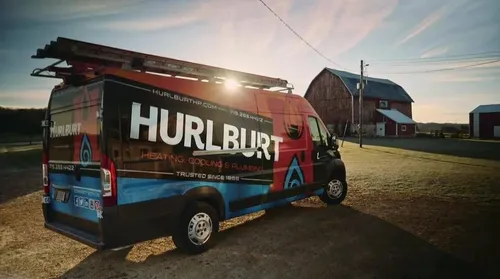
Hurlburt Heating & Plumbing is a family-owned home services provider serving St Paul, MN, and surrounding areas. Since 1959, they have offered plumbing, electrical, and HVAC services, including water heater repair, water softener installation, drain cleaning, and sewer line repair. Their team uses modern tools and technology to address plumbing issues efficiently while providing personalized service. With over six decades of experience, Hurlburt is well-equipped to handle a wide range of home service needs.
Understanding Your Sewer Lateral in Plymouth
Your home's sewer lateral is the underground pipe that carries all wastewater from your house to the city's main sewer line, typically located under the street. This critical line runs beneath your yard, driveway, or landscaping, and you are responsible for its maintenance from the foundation to the main connection. In Plymouth, many neighborhoods have older homes with original sewer pipes, making them susceptible to failure.
Common signs of a failing sewer line include multiple slow drains, gurgling sounds from toilets, sewage odors in the yard or basement, and unexplained soggy patches or sinkholes in your lawn. If you notice any of these issues, it's important to have a professional inspection with a sewer camera to diagnose the exact problem and location.
What Causes Sewer Line Problems in Plymouth?
Several factors specific to the Plymouth area contribute to sewer line damage:
- Tree Root Intrusion: This is a leading cause. Maple trees, particularly Norway and Silver Maples common in Minnesota, have aggressive root systems that seek out moisture and can infiltrate tiny cracks or pipe joints.
- Aging Pipe Materials: Many older homes in Plymouth have sewer lines made of clay tile or cast iron. Clay pipes can crack and shift, while cast iron corrodes and collapses over time.
- Ground Movement and Freeze-Thaw Cycles: The region's clay-rich soil can expand and contract, causing pipes to settle or misalign. Harsh Minnesota winters exacerbate this; ground freezing can damage pipes, and the spring thaw can lead to shifting.
- Improper Disposal: Flushing wipes (even "flushable" ones) or pouring fats, oils, and grease (FOG) down drains creates stubborn blockages that can damage pipes over time 1.
Repair Methods: Trenchless vs. Traditional Excavation
When a sewer line fails, you generally have two repair paths: modern trenchless technology or traditional excavation. The best choice depends on the damage's nature, location, and your property's layout.
Trenchless Sewer Repair
Trenchless methods are designed to fix or replace pipes with minimal digging, preserving your lawn, driveway, and landscaping.
- Pipe Lining (Cured-in-Place Pipe - CIPP): A flexible, resin-saturated liner is inserted into the damaged pipe and inflated. The resin cures in place, forming a seamless, durable "pipe within a pipe." This method seals cracks and holes and resists root intrusion.
- Pipe Bursting: This technique is for full replacement. A bursting head is pulled through the old, broken pipe, fracturing it outward while simultaneously pulling in a new high-density polyethylene (HDPE) pipe. It requires small access pits but no long trench.
Pros of Trenchless: Minimal property disruption, faster completion (often in a day), no large trenches to backfill, and the new liner or pipe is highly durable and corrosion-resistant 2. Cons of Trenchless: May not be suitable for pipes that have completely collapsed or are severely misaligned. The upfront material cost can be higher, though it often offsets the significant restoration costs of excavation 3.
Traditional Excavation (Open-Trench Repair)
This is the conventional method where a backhoe digs a long, deep trench along the entire length of the sewer line to expose it for repair or replacement.
- How it Works: Contractors locate the line, dig down to it, and either perform a spot repair or remove and replace the entire section with new PVC or other approved piping.
- Pros of Traditional Excavation: It is a versatile solution for any type of damage, including total collapses. It allows for a thorough visual inspection of the pipe and surrounding soil. The initial per-foot cost for labor and materials can sometimes be lower 4.
- Cons of Traditional Excavation: It is highly disruptive, destroying yards, driveways, sidewalks, and landscaping. The process takes longer, and the cost of restoring your property (sod, concrete, pavers) can add thousands to the final bill 5.
Find the perfect sewer line repair companies for your needs
Get personalized recommendations and expert advice
Cost Factors for Sewer Line Repair in Plymouth
Sewer line repair is a significant investment, and costs in Plymouth can vary widely based on several key factors:
- Extent of Damage: A simple spot repair for a small crack will cost far less than a full line replacement. Costs can range from $300 to $1,000 for minor fixes but escalate quickly for major work.
- Repair Method: As noted, method choice dramatically impacts price.
- Trenchless Lining/Bursting: Typically costs $80 to $250+ per foot 6 7.
- Traditional Excavation: Can range from $50 to $250+ per foot for the pipe work itself, but this does not include the substantial added cost of restoring the excavated landscape, driveway, or hardscape 8 9.
- Full Replacement Cost: For a complete sewer lateral replacement using excavation, homeowners should expect estimates between $8,000 and $15,000+, with complex jobs exceeding $25,000 when factoring in extensive restoration 10 11.
- Pipe Depth & Accessibility: Pipes buried deeper or located under structures, pools, or mature trees require more labor and specialized equipment, increasing the cost.
- Permits and Conditions: The City of Plymouth requires permits for sewer work, which add to the cost and timeline. Furthermore, working in frozen winter ground increases labor difficulty and expense 12.
Choosing the Right Solution for Your Home
Making the right choice involves more than just comparing initial quotes. Consider these steps:
- Get a Camera Inspection: A professional video inspection is non-negotiable. It will reveal the exact problem, location, material, and condition of your pipe, forming the basis for any repair plan.
- Evaluate Your Property: How much disruption can you tolerate? Is your yard newly landscaped? Do you have a concrete driveway over the line? Trenchless methods offer clear advantages for minimizing surface damage.
- Get Multiple Estimates: Reputable contractors should provide detailed, written estimates that break down labor, materials, permit fees, and restoration costs. Ensure they specify whether they are proposing a liner, a burst replacement, or excavation.
- Ask About Experience and Warranty: Choose a provider experienced in both trenchless and traditional methods to ensure you get unbiased advice. Ask about the warranty offered on both the pipe material and the labor.
For Plymouth homeowners, the durability of the repair is paramount. Modern trenchless liners and HDPE pipes have long life expectancies, often 50 years or more, and are designed to withstand the local soil and climate challenges 13.
Frequently asked questions
Sources
Footnotes
-
Sewer lateral Repair Program - https://www.maplewoodmo.gov/government/departments/public_works/programs___resources/sewer_lateral_repair_program.php ↩
-
Trenchless Sewer Repair: Lower Cost, Lower Impact Sewer Repair - https://www.sewerflowllc.com/2025/03/06/trenchless-sewer-repair-lower-cost-lower-impact-sewer-repair/ ↩
-
Trenchless Sewer Line Repair vs. Sewer Line Excavation - https://dandfplumbing.com/sewer-line-repair-vs-sewer-line-excavation/ ↩
-
Trenchless Sewer Repair vs. Traditional Excavation - AQUALIS - https://aqualisco.com/trenchless-sewer-repair-vs-traditional/ ↩
-
Sewer Repair Options: Trenchless vs. Traditional Methods - https://tycoplumbingco.com/sewer-repair-options-trenchless-vs-traditional-methods/ ↩
-
Trenchless vs. Traditional Sewer Repair - https://sewerlinesonly.com/trenchless-vs-traditional-sewer-repair-which-is-more-cost-effective-for-lakewood-homeowners/ ↩
-
Cost Comparison: Trenchless vs. Traditional Sewer Line Repair - https://www.advancedtrenchlesssolutions.com/blog/cost-comparison-trenchless-vs-traditional-sewer-line-repair ↩
-
What Are Traditional Sewer Repair Costs In Minnesota? - https://redrocktrenchless.com/what-are-traditional-sewer-repair-costs-in-minnesota/ ↩
-
Decoding Trenchless Sewer Repair Costs - Pipeliner Pros - https://pipelinerpros.com/trenchless-sewer-repair-cost/ ↩
-
Understanding Sewer Line Repair Costs In Minnesota - https://redrocktrenchless.com/understanding-sewer-line-repair-costs-minnesota/ ↩
-
Sewer Line Repair Costs In Minnesota Revealed - https://redrocktrenchless.com/sewer-line-repair-costs-minnesota/ ↩
-
Sewer Line Repair Costs In Minnesota Explained - https://redrocktrenchless.com/sewer-line-repair-costs-minnesota-explained/ ↩
-
Sewer Pipe Lining Plymouth | Trenchless Sewer Repair in MN - https://www.geneswaterandsewer.com/sewer-pipe-lining-plymouth/ ↩