Find the Best Sewer Line Repair Companies for Your Business
No obligation • Fast responses • Nationwide coverage

Why you can trust Search a Plumber
Search a Plumber is a leading United States resource for finding and evaluating professional plumbing services. Our team researches licensing, experience, and customer feedback to create unbiased, fact-driven overviews. Companies cannot pay to change ratings or placement, ensuring homeowners get trustworthy information.
Search providers near you
Best Sewer Line Repair Companies in Minnesota Ranked
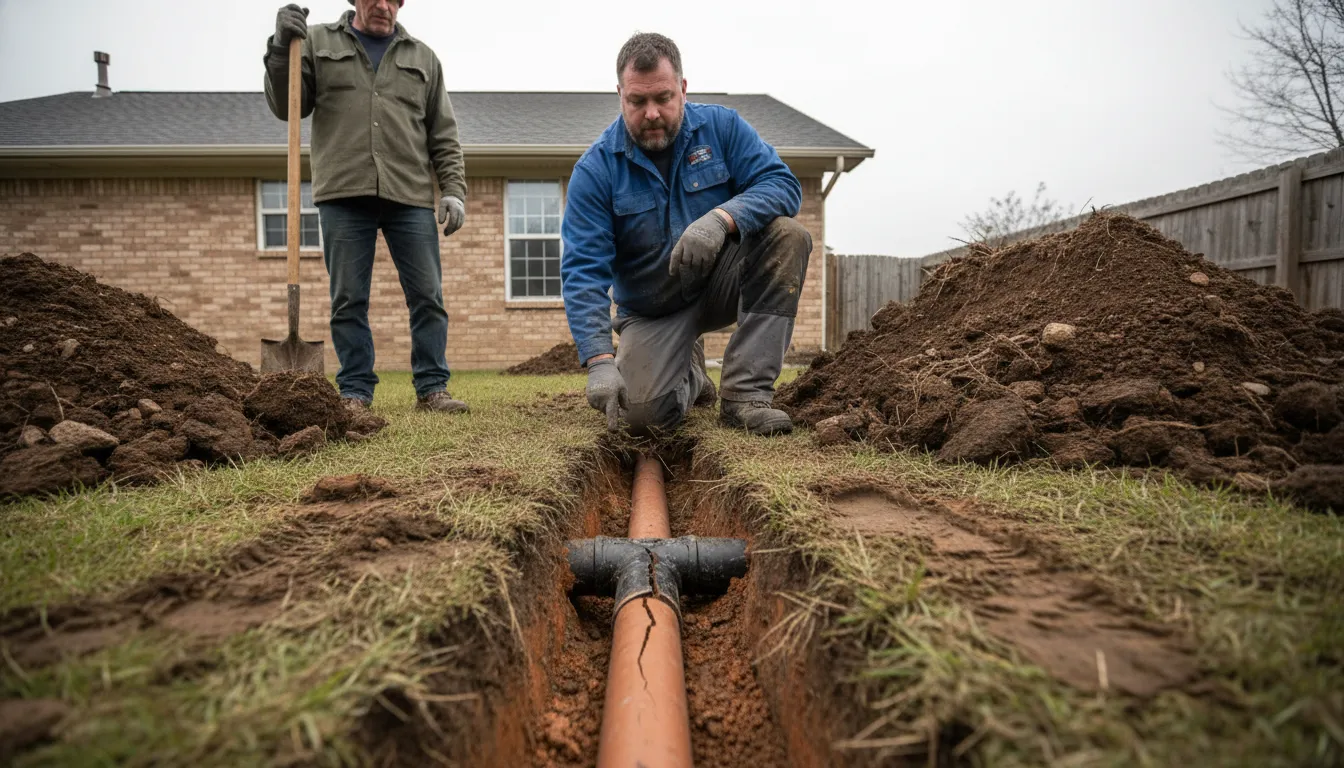
A damaged sewer line is a serious problem that can lead to messy backups, property damage, and health hazards. For Minnesota homeowners, understanding the unique challenges of local soil, climate, and regulations is key to a successful repair. This guide explains what you need to know about sewer line repair in the Land of 10,000 Lakes, from common causes and costs to the best repair methods for your property, helping you make an informed decision when you need to find a qualified local professional.
Hurlburt Heating & Plumbing
1000 County Rd E Suite 115, Shoreview, MN 55126
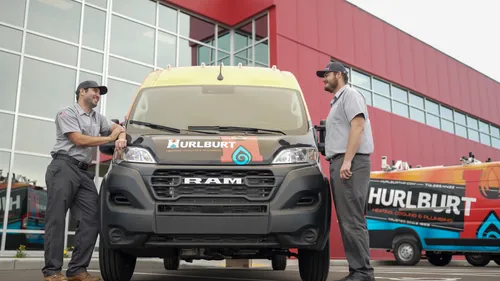
Hurlburt Heating & Plumbing is a family-owned home services provider serving St Paul, MN, and surrounding areas. Since 1959, they have offered plumbing, HVAC, and electrical services, including water heater repair, water softener installation, drain cleaning, and sewer line repair. Their experienced technicians use modern tools to address a wide range of home service needs. With a long history in the region, Hurlburt combines local knowledge with comprehensive capabilities to support homeowners year-round.
Cichy's Water & Sewer
3346 Snelling Ave, Minneapolis, MN 55406
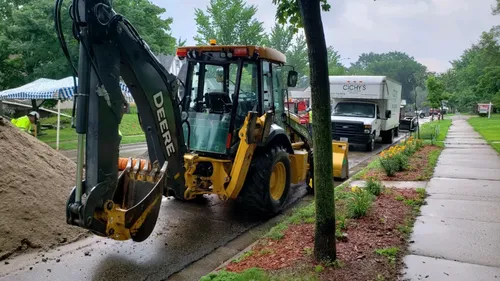
Cichy's Water & Sewer is a family-owned underground plumbing company serving St Paul, MN, and the surrounding Minneapolis area since 1989. They specialize in sewer line repair, water line replacement, and trenchless sewer repair, offering customized solutions to protect homes from underground plumbing issues. Their services include sewer video inspections, spot and trenchless sewer repairs, sewer cleaning with Picote descaling, and storm sewer line repair and installation. With over 30 years of experience, Cichy's Water & Sewer provides durable underground plumbing solutions tailored to each property.
Roto-Rooter Plumbing & Water Cleanup
1821 University Ave W #317, St Paul, MN 55104
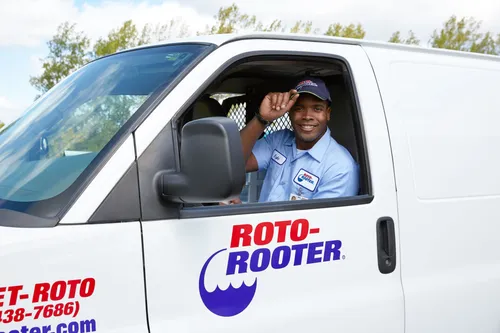
Roto-Rooter Plumbing & Water Cleanup provides a wide range of plumbing services in St. Paul, MN, including residential and commercial plumbing, drain cleaning, sewer line repair, water heater installation and repair, water softener and filtration system installation, and leak detection. They offer specialized capabilities such as video camera sewer inspections and trenchless sewer repair methods to minimize disruption during repairs. Serving the St. Paul metro area, their team is available 24/7, 365 days a year to address plumbing emergencies and routine maintenance needs.
Roto-Rooter Plumbing & Water Cleanup
6440 Flying Cloud Dr #111, Eden Prairie, MN 55344
Roto-Rooter Plumbing & Water Cleanup provides comprehensive plumbing services in Minneapolis, MN, including water heater repair and installation, sump pump repair, drain cleaning, sewer line repair, leak detection, repiping, and toilet and garbage disposal repairs. The company offers 24-hour emergency plumbing services, including after-hours and holiday availability, and specializes in trenchless sewer repair using advanced equipment. With over 85 years of experience, Roto-Rooter is equipped to handle a wide range of plumbing challenges and water damage cleanup.
Hurlburt Heating & Plumbing
7300 Hudson Blvd N #180, Oakdale, MN 55128
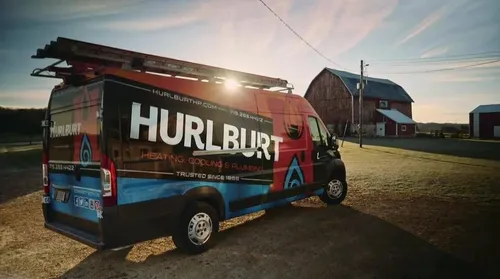
Hurlburt Heating & Plumbing is a family-owned home services provider serving St Paul, MN, and surrounding areas. Since 1959, they have offered plumbing, electrical, and HVAC services, including water heater repair, water softener installation, drain cleaning, and sewer line repair. Their team uses modern tools and technology to address plumbing issues efficiently while providing personalized service. With over six decades of experience, Hurlburt is well-equipped to handle a wide range of home service needs.
Common Causes of Sewer Line Failure in Minnesota
Sewer lines fail for several reasons, often related to the age of the pipe, the surrounding environment, and the harsh Minnesota climate.
- Root Intrusion: This is a leading cause, especially for older homes with clay or cast iron pipes. Tree and shrub roots seek out moisture and nutrients, easily infiltrating small cracks or loose joints in sewer lines. Once inside, they grow and expand, causing blockages and eventually breaking the pipe.
- Ground Movement and Freeze-Thaw Cycles: Minnesota's dramatic seasonal shifts are tough on underground pipes. The ground freezes, expands, and then thaws, which can shift soil and put stress on sewer lines, leading to cracks, misaligned joints, or even complete collapse.
- Aging and Corroding Materials: Many older Minnesota homes have sewer lines made of clay tile or cast iron. Clay is brittle and prone to cracking, while cast iron corrodes and rusts from the inside out over decades, eventually leading to holes and restricted flow 1.
- Bellied or Sagging Pipes: A section of the pipe can sink due to soil erosion or improper initial installation, creating a low spot where waste and solids collect, causing chronic clogs.
- Grease and Debris Buildup: Pouring fats, oils, and grease (FOG) down drains or flushing non-flushable items can create hard, cement-like blockages that put pressure on pipes and contribute to failures.
Types of Sewer Pipe Materials in Minnesota Homes
The material of your existing sewer line significantly influences repair options and costs.
- Clay Tile: Common in homes built before the 1960s. Clay is durable but brittle. Its segmented design (short sections) has many joints that are vulnerable to root intrusion and ground movement.
- Cast Iron: Used from the early 20th century through the 1970s. Extremely strong but susceptible to internal rust and corrosion over time, which can thin the pipe walls and eventually cause leaks or blockages.
- Orangeburg (Bituminous Fiber): A tar-impregnated pipe used briefly from the 1940s-1970s. It is now obsolete and known for deteriorating, flattening, and failing. If you have Orangeburg, full replacement is almost always necessary.
- PVC (Polyvinyl Chloride) & ABS (Acrylonitrile Butadiene Styrene): Modern plastic pipes used from the 1970s to today. They are lightweight, corrosion-resistant, have smooth interiors for good flow, and are joined with watertight fittings. Repairs on these systems are often simpler 2 3.
Key Factors That Influence Repair Cost
Sewer line repair costs in Minnesota are highly variable. Understanding these factors will help you interpret estimates.
- Extent of Damage: A small, localized crack is far less expensive to fix than a line that has collapsed or is severely corroded over its entire length.
- Repair Method: Traditional excavation (dig-and-replace) has different cost drivers than trenchless methods like pipe lining or pipe bursting.
- Depth and Length of Line: Deeper pipes require more extensive excavation and safety shoring, increasing labor and time. Longer lines require more materials.
- Access and Site Conditions: Is the line under a driveway, patio, mature tree, or landscaped garden? Difficult access increases restoration costs. Minnesota's dense clay soils are harder to dig than sandy soils, impacting labor.
- Time of Year: Excavation in frozen winter ground is more difficult and time-consuming, which can increase costs compared to a summer repair 4.
- Local Permit and Inspection Fees: These are required and vary by city. Your contractor typically handles this, but the cost is part of the project 5.
The Repair Process: Steps and Regulations
A proper sewer line repair follows a defined process to ensure safety, compliance, and a lasting solution.
- Diagnosis with a Camera Inspection: This is the critical first step. A professional will run a specialized camera through your sewer line to visually identify the problem, its exact location, and its severity. This determines the best repair strategy.
- Locate Utilities (Call 811): Before any digging, you or your contractor must call Gopher State One Call at 811. This free service ensures all underground public utility lines (gas, water, electric, communications) are marked to prevent dangerous and costly strikes 6.
- Determine Responsibility: Contact your city's wastewater or public works department. They can confirm if the blockage or break is in the city-owned main (their responsibility) or in your private service line (your responsibility).
- Obtain Permits: Your licensed contractor will pull the necessary sewer repair permit from your local municipality. There is a fee for this, which varies (e.g., commonly between $81-$161). A county right-of-way permit may also be needed if work is near the street.
- Execute the Repair: The chosen method (detailed below) is performed.
- Final Inspection: The city inspector will visit to approve the work before the trench is backfilled or the restoration is completed.
Find the perfect sewer line repair companies for your needs
Get personalized recommendations and expert advice
Sewer Line Repair Methods Compared
Traditional Dig-and-Replace (Open Trench)
This is the conventional method where a trench is excavated along the entire length of the damaged pipe, the old pipe is removed, and a new pipe (typically PVC) is installed.
- Pros: Universally applicable. Allows for a complete inspection of the surrounding area. Can be cost-effective for shallow, easily accessible lines.
- Cons: Highly disruptive to landscaping, driveways, and yards. Requires significant restoration (sod, concrete, etc.). More labor-intensive, especially for deep lines or in poor weather.
- Typical Cost: $50 - $250 per linear foot, heavily dependent on depth and access 7. A full replacement often ranges from $2,700 to $25,000+.
Trenchless Pipe Lining (Cured-in-Place Pipe / CIPP)
A resin-saturated felt liner is inserted through an existing access point (like a cleanout) and inflated inside the old pipe. It is then cured with heat or UV light, forming a rigid, jointless "pipe within a pipe."
- Pros: Minimal digging (only at access points). Preserves landscaping and hardscapes. Strengthens the existing line. Resistant to roots and corrosion. Faster installation in many cases.
- Cons: Requires the old pipe to be structurally sound enough to host the liner. Slightly reduces the internal pipe diameter. Not suitable for completely collapsed pipes.
- Typical Cost: $70 - $150 per linear foot. While the per-foot cost can be higher, you save significantly on restoration costs.
Trenchless Pipe Bursting
A conical bursting head is pulled through the old, damaged pipe, fracturing it outward while simultaneously pulling a new HDPE (high-density polyethylene) pipe into place behind it.
- Pros: Installs a brand new, same-size or larger pipe with minimal excavation. Can replace pipes that are collapsed or severely damaged.
- Cons: Requires access pits at both ends of the run. May not be feasible in areas with many other utilities in close proximity.
- Typical Cost: Generally comparable to or slightly higher than pipe lining, but very situation-dependent.
Spot Repair
For a single, isolated problem (e.g., a cracked section or root-intruded joint), a localized repair can be made. This can sometimes be done trenchlessly with a short section of liner or by excavating only the damaged area.
- Pros: Least expensive option for localized damage. Faster.
- Cons: Only fixes the immediate problem. Does not address the overall condition of the aging line.
- Typical Cost: $500 - $3,000 for the repair itself.
Estimated Cost Ranges for Minnesota Homeowners
While every job is unique, here are general price brackets to help you budget:
- Minor Repair or Major Clearing: $1,000 - $5,000. This covers significant hydro-jetting to clear roots, or a small spot repair.
- Partial to Full Traditional Replacement: $4,000 - $15,000+. This is a common range for replacing a standard residential line of 50-100 feet using open trench methods, with the wide variance due to depth, access, and restoration needs. The average cost in the Minneapolis area is around $4,300 8.
- Complex or Extensive Full Replacement: $15,000 - $25,000+. For very deep lines, lines under structures, long runs, or projects requiring extensive hardscape restoration 9.
- Trenchless Lining or Bursting: $6,000 - $12,000+. For a standard 50-100 foot line, the per-foot cost of trenchless methods often results in a total project cost competitive with traditional digging when landscape restoration is factored in 10 11.
Choosing a Qualified Professional in Minnesota
Selecting the right contractor is crucial. Look for:
- Proper Licensing & Insurance: Ensure they are licensed for plumbing and sewer work in Minnesota and carry both liability and workers' compensation insurance.
- Local Experience: Choose a company familiar with Minnesota soil conditions, frost lines, and local municipal codes and inspectors.
- Detailed Estimates: Get written, detailed estimates that break down labor, materials, permit fees, and restoration. Be wary of vague quotes.
- Technology: A reputable contractor will use a camera to diagnose the problem and explain it to you visually before proposing a solution.
- Method Options: A good pro will explain all viable repair methods for your situation (both trenchless and traditional) and the pros/cons of each, rather than pushing only one type.
Frequently asked questions
Sources
Footnotes
-
Unveiling Minnesota's Traditional Sewer Repair Costs - https://redrocktrenchless.com/unveiling-minnesotas-traditional-sewer-repair-costs/ ↩
-
How Much Does Main Sewer Line Clog Repair Cost in Minneapolis? - https://www.angi.com/articles/cost-to-clear-a-main-sewer-line-clog/mn/minneapolis ↩
-
Sewer Line Materials: A Deep Dive for Minneapolis Homeowners - https://www.groundtechmn.com/post/sewer-line-materials-a-deep-dive-for-minneapolis-homeowners ↩
-
Key Cost Factors For Sewer Repair In Minnesota - https://redrocktrenchless.com/key-cost-factors-for-sewer-repair-minnesota/ ↩
-
Sewer Service Repair Guidelines - City of Moorhead - http://www.cityofmoorhead.com/departments/engineering/wastewater/sewer-service-repair-guidelines ↩
-
What-to-Expect-Sewer-Service-Line-Repair-1.pdf - https://hutchinsonmn.gov/wp-content/uploads/2024/02/What-to-Expect-Sewer-Service-Line-Repair-1.pdf ↩
-
What Are Traditional Sewer Repair Costs In Minnesota? - https://redrocktrenchless.com/what-are-traditional-sewer-repair-costs-in-minnesota/ ↩
-
How Much Does Sewer Line Replacement Cost in ... - https://www.angi.com/articles/how-much-does-sewer-line-replacement-or-repair-cost/mn/minneapolis ↩
-
Minnesota Sewer Inspection Guide for Homebuyers | Doro - https://dororealestate.com/blog/minnesota-sewer-inspection-homebuyer-guide ↩
-
Sewer Line Repair Costs In Minnesota Explained - https://redrocktrenchless.com/sewer-line-repair-costs-minnesota-explained/ ↩
-
Sewer Repair Costs - City of West St. Paul - https://wspmn.gov/DocumentCenter/View/3153/II-Factsheet_repair-methods--costs-003?bidId= ↩