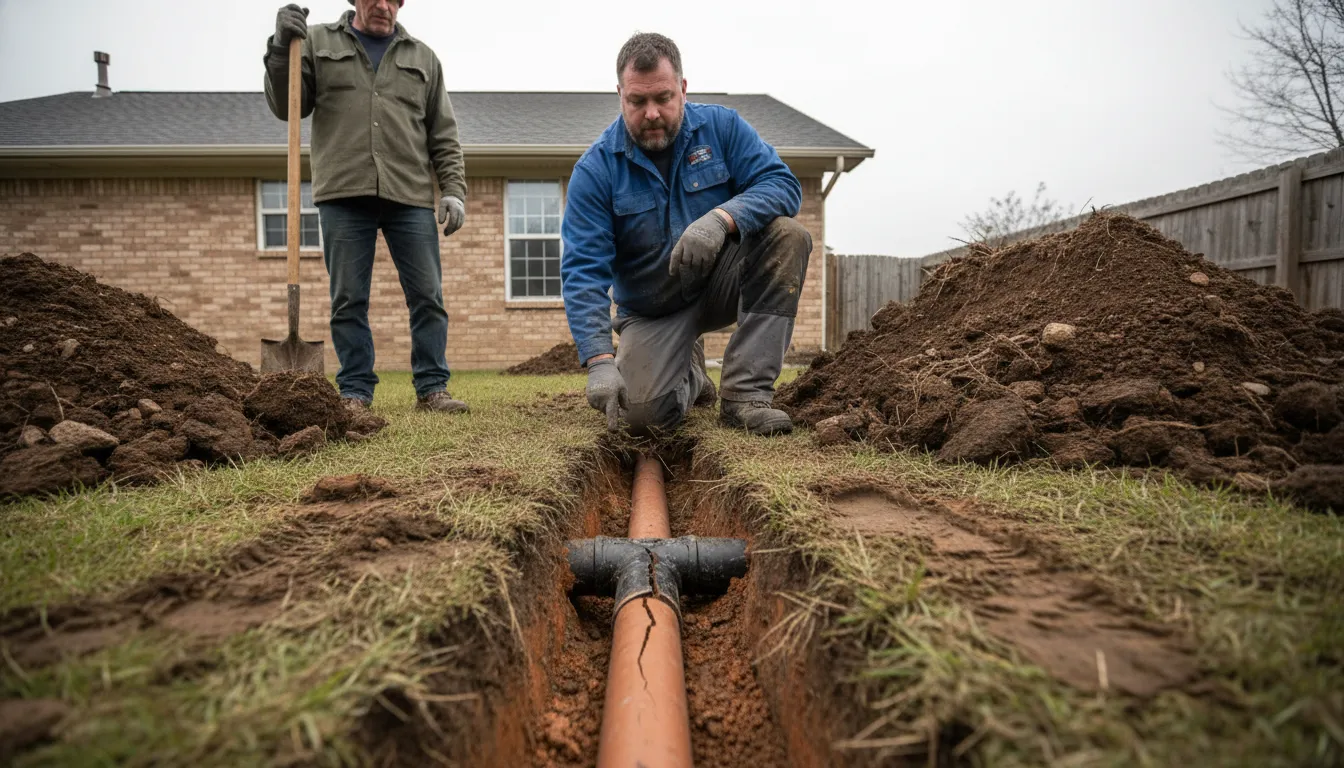
Find the Best Sewer Line Repair Companies for Your Business
No obligation • Fast responses • Nationwide coverage

Why you can trust Search a Plumber
Search a Plumber is a leading United States resource for finding and evaluating professional plumbing services. Our team researches licensing, experience, and customer feedback to create unbiased, fact-driven overviews. Companies cannot pay to change ratings or placement, ensuring homeowners get trustworthy information.
Search providers near you
Top Sewer Line Repair Companies in Tinley Park, Illinois Ranked
A damaged sewer line is a serious plumbing emergency that can disrupt your home and pose health risks. Sewer line repair involves diagnosing and fixing the underground pipe that carries all your home's wastewater to the municipal system. When this critical line fails, it's essential to understand your options for restoration. This guide provides detailed information on common causes, repair methods, and local considerations for Tinley Park homeowners to help you make an informed decision when selecting a professional.
Reid & Pederson Drainage
1762 S Dixie Hwy #1, Crete, IL 60417
Reid & Pederson Drainage is a sewer and drain cleaning specialist serving Chicago, IL, and the surrounding South Suburbs and Northwest Indiana. With over 40 years of experience, they offer services including drain cleaning, sewer line repair, and trenchless sewer repair. The company is known for using the latest technology and providing 24/7 emergency service. Founded in 1984, they also operate Trenchless Innovations, a leader in trenchless pipe repair solutions that minimize disruption during sewer repairs.
Keeley's Plumbing
270 Eisenhower Ln N #6, Lombard, IL 60148
Keeley's Plumbing is a locally owned plumbing company serving Chicago, IL, and nearby areas including DuPage County. They provide a range of plumbing services for residential and commercial clients, including drain cleaning, sewer camera inspections, sewer line repair and replacement, repiping, water heater repair, sump pump repair, gas line installation, and hydro jetting. Keeley's Plumbing uses sewer camera inspections to accurately diagnose issues before recommending repairs. The company offers 24/7 emergency plumbing services and focuses on serving a limited area to maintain local code knowledge and reduce travel times.
Brilliant Plumbers: Sewage, Sump Pumps And Sewer
Chicago, IL
Brilliant Plumbers: Sewage, Sump Pumps and Sewer provides plumbing services in Chicago, IL, specializing in sump pump and sewer line repairs. The company is experienced in managing various plumbing projects with skill and professionalism. Since its founding, Brilliant Plumbers has built a reputation for quality work and efficiency.
Walsh & Son Plumbing and Sewer
Chicago, IL
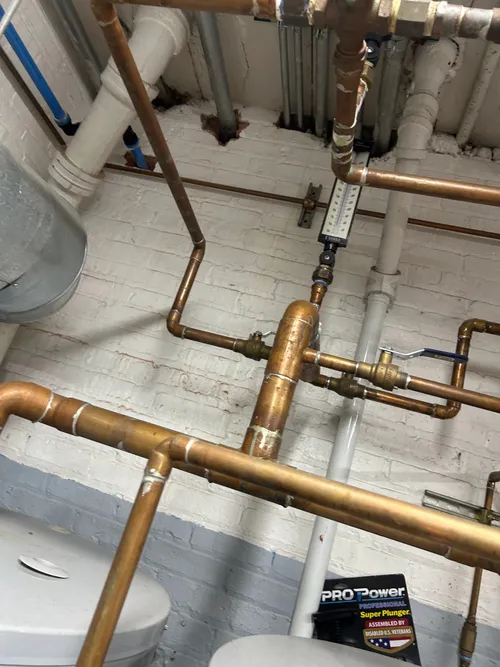
Walsh & Son Plumbing and Sewer is a licensed plumbing company serving Chicago, IL, and the surrounding Chicagoland area. Since 2013, this family- and woman-owned business has provided a range of plumbing services including sewer line repair, water heater installation and repair, sump pump maintenance, drain cleaning, leak detection, repiping, and gas line installation. Their team uses advanced technology for sewer camera inspections and offers a 10-year warranty on pipe installations, reflecting their commitment to durable workmanship. They also provide fast, same-day responses to plumbing issues and offer discounts for seniors, veterans, and first responders.
Trenchless Innovations
1762 S Dixie Hwy #2, Crete, IL 60417
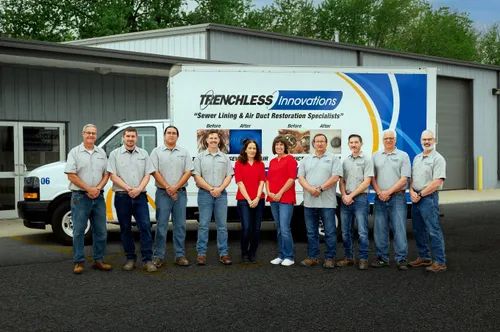
Trenchless Innovations is a sewer line repair and trenchless sewer repair contractor serving Chicago, IL. They specialize in repairing sewer lines and underground air ducts without digging, using trenchless technology that provides durable solutions designed to last for decades. Established in 2002, the company focuses on advanced, minimally invasive methods to maintain home health and foundation security.
Understanding Your Home's Sewer System in Tinley Park
Before diving into repairs, it helps to know the basics of your home's underground wastewater system. The main sewer line, or sanitary sewer, is the private pipe that connects your home's internal plumbing to the public sewer main under the street.
In Tinley Park, the layout typically follows a standard pattern. The line exits your home through the foundation wall in the basement or crawl space. From there, it runs in a relatively straight path across your yard to the property line, where it connects to the village's sewer main 1. A critical feature to locate is the cleanout-an accessible pipe with a removable cap that provides direct access to the main line for clearing blockages or performing inspections. In our area, outdoor cleanouts are usually found 1 to 3 feet from the foundation, often near bathrooms or landscaped areas 2 1.
Due to Illinois frost lines, water and sewer services are buried deep. Your sewer line is likely installed at a minimum depth of 5 feet below ground to prevent freezing 3. This depth is a key factor that influences the complexity and cost of any excavation-based repair work.
Common Causes of Sewer Line Failure
Sewer line problems in Tinley Park often stem from the age of the infrastructure and our local environment. Knowing the cause is the first step toward a lasting fix.
- Tree Root Intrusion: This is a leading cause of blockages and damage. Roots from parkway or yard trees are naturally drawn to the moisture and nutrients inside sewer pipes. They can infiltrate through tiny cracks or loose joints in older clay or cast iron pipes, eventually growing thick enough to cause complete blockages or even fracture the pipe 4.
- Pipe Sag or "Belly": Over decades, the soil beneath a pipe can settle or wash away, creating a low spot or "belly" in the line 5. This sagging section collects waste and solids, leading to recurrent clogs and backups because gravity can no longer properly move the wastewater through the pipe 6.
- Aging and Corroding Pipes: Many homes in the region have original sewer lines made of materials like Orangeburg (bituminous fiber pipe), clay tile, or cast iron, which have a finite lifespan 7. These materials can crack, collapse, or corrode from the inside out, especially cast iron, which rusts over time.
- Ground Shifts and Freeze-Thaw Cycles: The Illinois climate contributes to sewer line stress. Seasonal freezing and thawing cycles can cause the ground to heave and shift, putting pressure on pipes and potentially misaligning sections or causing cracks.
- Grease and Debris Buildup: While not a structural failure, the accumulation of fats, oils, and grease (FOG) from kitchens, along with non-flushable items, can create severe blockages that restrict flow and put pressure on aging pipes, exacerbating other weaknesses 8.
Signs You May Need Sewer Line Repair
Don't wait for a catastrophic backup. Be proactive by watching for these warning signs:
- Multiple Drain Backups: If more than one fixture (like a toilet and a basement floor drain) backs up simultaneously, it points to a problem in the main line, not an individual branch drain.
- Slow Drains Throughout the House: When all sinks, tubs, and toilets drain slowly, despite attempts to clear them, a main line obstruction is likely.
- Unusual Lawn Signs: Soggy, sunken, or inexplicably lush patches of grass in your yard (especially along the suspected path of the sewer line) can indicate a leaking pipe saturating the soil.
- Sewage Odors: Persistent foul smells from drains or in your yard are a clear sign of a break or crack in the sewer line.
- Gurgling Sounds: Strange gurgling noises from toilets or drains when using water elsewhere in the house suggest trapped air in the line due to a blockage.
Repair Methodologies: Trenchless vs. Traditional
Once a problem is confirmed via a professional camera inspection, you will be presented with repair options. The two primary categories are trenchless (no-dig) and traditional excavation.
Trenchless Sewer Repair
Trenchless technology has revolutionized sewer line restoration by minimizing property disruption. The two most common methods are:
- Cured-In-Place Pipe (CIPP) Lining: A flexible, resin-saturated tube is inverted or pulled into the damaged pipe. It is then inflated and cured (often with hot air or UV light) to form a hard, seamless "pipe-within-a-pipe." This method seals cracks and holes and resists root intrusion.
- Pipe Bursting: This method is used when the old pipe is too damaged to line. A bursting head is pulled through the old pipe, fracturing it outward while simultaneously pulling a new, durable HDPE (high-density polyethylene) pipe into place behind it.
Pros of Trenchless Repair:
- Minimal Disruption: Requires only small access pits, typically at the cleanout and at the connection to the city main. Your landscaping, driveway, and patio remain largely intact 9.
- Speed: Most trenchless repairs can be completed in a single day.
- Durability: The new liner or pipe is highly resistant to corrosion and root intrusion and can have a lifespan of 50 years or more 10.
- Cost-Effective Long-Term: While material costs can be higher, you save thousands on landscape and hardscape restoration.
Cons of Trenchless Repair:
- Not a Universal Solution: It cannot fix a pipe that has completely collapsed or has severe misalignment, as the liner or bursting tool needs a clear path 11.
- Upfront Cost: The specialized equipment and materials can mean a higher initial quote compared to a simple, short trench dig.
Traditional Excavation Repair
This is the conventional method, involving digging a trench along the entire length of the damaged pipe to expose it for repair or replacement.
Pros of Traditional Repair:
- Comprehensive Solution: It allows plumbers to see the full extent of the damage, address severe collapses, and replace the entire line with new pipe 12.
- Sometimes Necessary: For complex situations with multiple severe failures or where trenchless access isn't possible, excavation is the only option.
Cons of Traditional Repair:
- Major Property Disruption: A large trench through your yard is required, which will destroy grass, gardens, sprinkler systems, and may require cutting through driveways, sidewalks, or patios 13.
- High Restoration Costs: The cost of repairing the landscaping, concrete, and other surfaces after the plumbing work is complete can be substantial and is often a separate, significant expense.
- Longer Project Timeline: The digging, repair, backfilling, and restoration process takes considerably longer than a trenchless fix.
Find the perfect sewer line repair companies for your needs
Get personalized recommendations and expert advice
Cost Considerations for Sewer Line Repair
The cost of fixing a sewer line in Tinley Park varies dramatically based on the method chosen, the extent of damage, and the length of pipe involved.
- Trenchless Repair Costs: These are typically priced per linear foot. Costs generally range from $55 to $250 per foot 14. For example, a 20-foot CIPP liner repair might cost between $1,100 and $5,000. Smaller-scale lining projects often fall in the $3,000 to $4,000 range 14.
- Traditional Excavation Costs: These costs are highly variable and labor-intensive. While the pipe replacement itself may be less expensive per foot, the digging and restoration work drives the price up significantly. Extensive traditional repairs frequently range between $12,000 and $25,000, with complex projects reaching up to $20,000 or more 15.
Important Note: These are general ranges. The only way to get an accurate cost for your specific situation is to have a licensed plumber perform a video camera inspection and provide a detailed estimate.
Critical First Steps for Tinley Park Homeowners
If you suspect a sewer line issue, follow these local guidelines:
- Call Public Works First: Before you call a plumber for a suspected main line backup, contact the Village of Tinley Park Public Works Department at 708-444-5500. They can check if the blockage is in the municipal sewer main, which is their responsibility to repair at no cost to you 16 17. This simple call could save you thousands.
- Get a Professional Inspection: A sewer camera inspection is a crucial diagnostic tool. It provides a clear view of the pipe's interior, pinpointing the exact location, nature, and severity of the problem.
- Obtain Multiple Estimates: For a significant investment like sewer line repair, it is highly recommended to get detailed written estimates from at least three licensed and insured plumbing contractors 18. Compare not just the price, but the proposed method, materials, warranty, and timeline.
- Consider Long-Term Solutions: If you experience repeated basement sewage backups, the Village of Tinley Park suggests homeowners consider installing an overhead sewer system as a permanent solution to prevent future floodwater-related backups.
Frequently asked questions
Sources
Footnotes
-
How to Locate Your Sewer Line: Find It from House to Street - https://bens.plumbing/blog/how-to-locate-your-sewer-line/ ↩ ↩2
-
Complete Guide to Sewer Lines | How to Find & Warning Signs - https://johnsewer.com/a-complete-guide-to-sewer-lines/ ↩
-
CHAPTER 4 ILLINOIS PLUMBING CODE - American Legal Publishing - https://codelibrary.amlegal.com/codes/lisleil/latest/lisle_il/0-0-0-16461 ↩
-
Common Sewer Line Issues and Repair Solutions - JT Services - https://jtserviceco.com/common-sewer-line-issues-and-repair-solutions/ ↩
-
11 Causes of Sewer Line Problems | TR Miller Heating, Cooling - https://www.trmillerheatingandcooling.com/11-causes-of-sewer-line-problems/ ↩
-
Different Types of Sewer Line Damage | Spotted Dog Blog - https://www.spotteddogexcavating.com/blog/different-types-of-sewer-line-damage/ ↩
-
Drain Cleaning & Sewer Services in Tinley Park, IL - https://reid-pederson.com/service-areas/tinley-park/ ↩
-
Sewer Line Inspection Reports: Understanding Your Plumbing's Health - https://suburbanplumbingexperts.com/sewer-line-inspection-reports-understanding-your-plumbings-health/ ↩
-
Trenchless Sewer Repair vs Traditional Method - CPI Service - https://cpiservice.com/blog/trenchless-pipe-repair-vs-traditional-method/ ↩
-
Trenchless Sewer Repair in Chicago | No Digging Needed - https://www.trenchlessinnovations.com/sewer-line-repair-methods/ ↩
-
Sewer Pipe Lining vs Residential Excavation - 128 Plumbing - https://www.128plumbing.com/sewer-pipe-lining-vs-residential-excavation/ ↩
-
Sewer Repair Options: Trenchless vs. Traditional Methods | TYCO - https://tycoplumbingco.com/sewer-repair-options-trenchless-vs-traditional-methods/ ↩
-
The Benefits of Trenchless Sewer Repair vs. Traditional Methods - https://superiorplumbingar.com/blog-posts/the-benefits-of-trenchless-sewer-repair-vs-traditional-methods/ ↩
-
Decoding Trenchless Sewer Repair Costs - Pipeliner Pros - https://pipelinerpros.com/trenchless-sewer-repair-cost/ ↩ ↩2
-
Cost Comparison: Trenchless vs. Traditional Sewer Line Repair - https://www.advancedtrenchlesssolutions.com/blog/cost-comparison-trenchless-vs-traditional-sewer-line-repair ↩
-
Sanitary Sewers - Tinley Park - https://www.tinleypark.org/government/departments/public_works/water_and_sewer/sanitary_sewer_information.php ↩
-
Sanitary Sewers - Tinley Park - https://www.tinleypark.org/government/departments/public_works/water_and_sewer/sanitary_sewers.php ↩
-
Sanitary Sewers - Tinley Park - https://www.tinleypark.org/government/departments/public_works/water_and_sewer/sanitary_sewer_information.php ↩