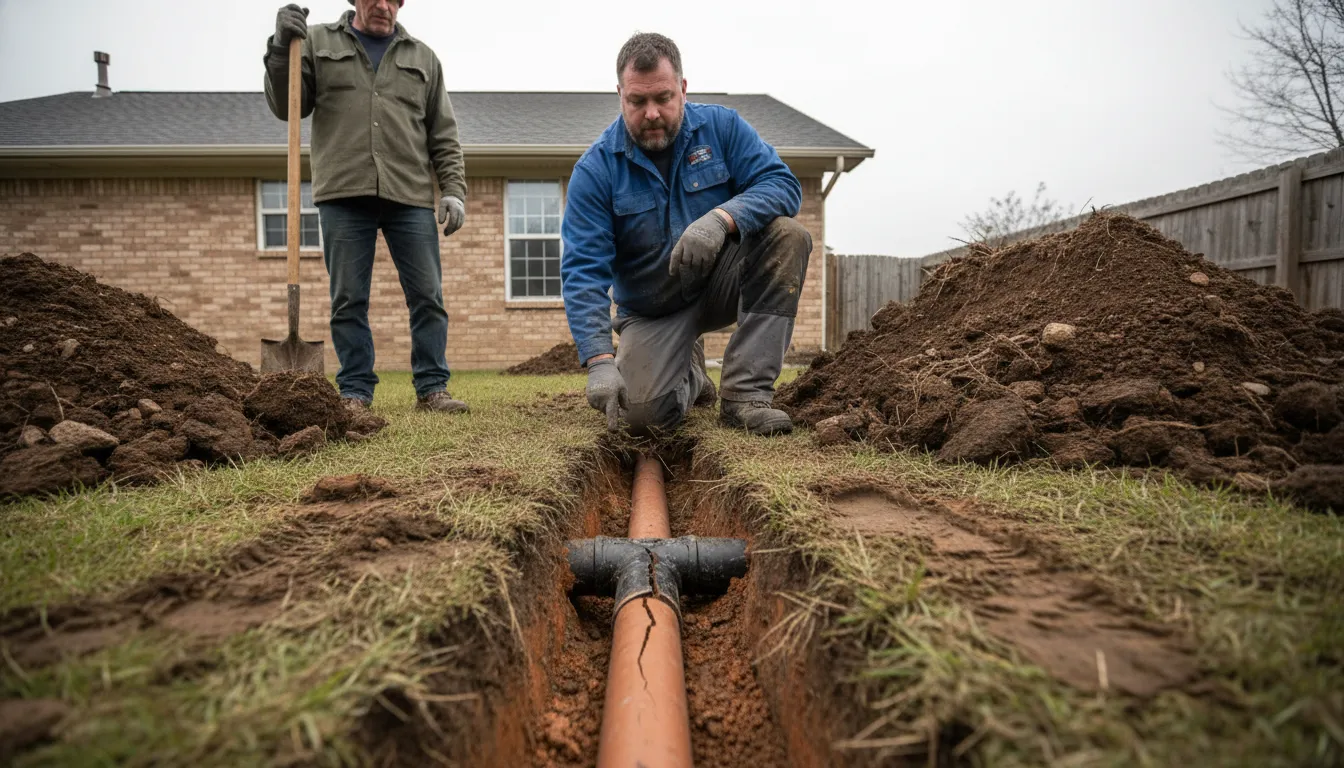
Find the Best Sewer Line Repair Companies for Your Business
No obligation • Fast responses • Nationwide coverage

Why you can trust Search a Plumber
Search a Plumber is a leading United States resource for finding and evaluating professional plumbing services. Our team researches licensing, experience, and customer feedback to create unbiased, fact-driven overviews. Companies cannot pay to change ratings or placement, ensuring homeowners get trustworthy information.
Search providers near you
Best Sewer Line Repair Companies in Illinois Ranked
A damaged sewer line is a serious issue that can disrupt your home, pose health risks, and lead to costly property damage. Sewer line repair involves diagnosing, accessing, and fixing the underground pipe that carries all your home's wastewater to the municipal sewer main. In Illinois, this process is governed by specific state and local codes regarding materials, depth, and safety. This guide provides essential information on the repair process, costs, regulations, and how to find qualified local professionals to handle your sewer line project effectively and compliantly.
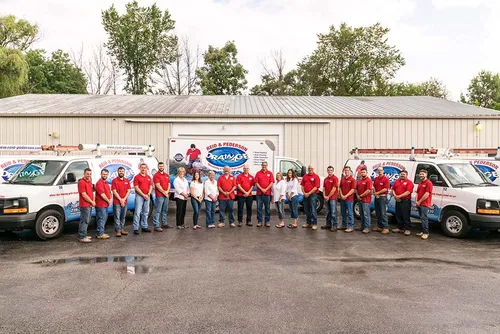
Reid & Pederson Drainage
1762 S Dixie Hwy #1, Crete, IL 60417
Reid & Pederson Drainage is a sewer and drain cleaning specialist serving Chicago, IL, and the surrounding South Suburbs and Northwest Indiana. With over 40 years of experience, they offer services including drain cleaning, sewer line repair, and trenchless sewer repair. The company is known for using the latest technology and providing 24/7 emergency service. Founded in 1984, they also operate Trenchless Innovations, a leader in trenchless pipe repair solutions that minimize disruption during sewer repairs.
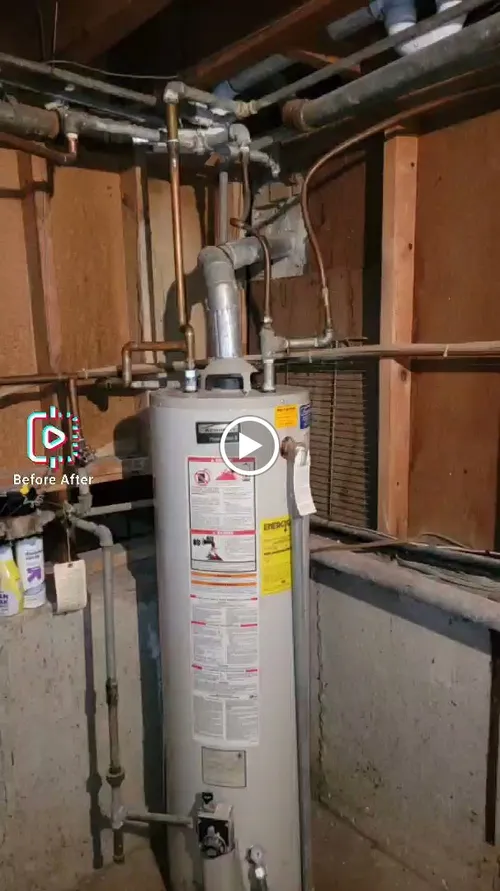
Keeley's Plumbing
270 Eisenhower Ln N #6, Lombard, IL 60148
Keeley's Plumbing is a locally owned plumbing company serving Chicago, IL, and nearby areas including DuPage County. They provide a range of plumbing services for residential and commercial clients, including drain cleaning, sewer camera inspections, sewer line repair and replacement, repiping, water heater repair, sump pump repair, gas line installation, and hydro jetting. Keeley's Plumbing uses sewer camera inspections to accurately diagnose issues before recommending repairs. The company offers 24/7 emergency plumbing services and focuses on serving a limited area to maintain local code knowledge and reduce travel times.
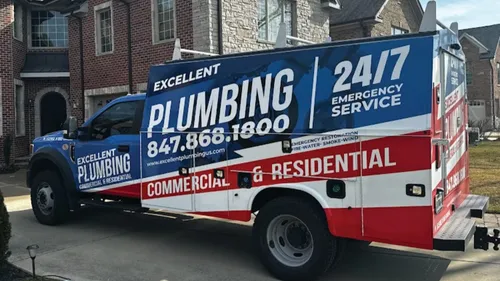
Excellent Plumbing
785 Oakwood Rd Suite E101, Lake Zurich, IL 60047
Excellent Plumbing is a family-owned plumbing company serving Chicago, IL, and the northern Chicagoland suburbs since 2006. They offer a wide range of plumbing services, including drain cleaning, sewer line repair, water heater installation and repair, leak detection, and water softener installation. Their team is equipped to handle specialized plumbing tasks such as high-pressure hydro jetting and comprehensive boiler and radiator services. With over 17 years of experience, Excellent Plumbing provides 24/7 emergency service and same-day appointments to address urgent plumbing needs promptly.
Brilliant Plumbers: Sewage, Sump Pumps And Sewer
Chicago, IL
Brilliant Plumbers: Sewage, Sump Pumps and Sewer provides plumbing services in Chicago, IL, specializing in sump pump and sewer line repairs. The company is experienced in managing various plumbing projects with skill and professionalism. Since its founding, Brilliant Plumbers has built a reputation for quality work and efficiency.
Walsh & Son Plumbing and Sewer
Chicago, IL
Walsh & Son Plumbing and Sewer is a licensed plumbing company serving Chicago, IL, and the surrounding Chicagoland area. Since 2013, this family- and woman-owned business has provided a range of plumbing services including sewer line repair, water heater installation and repair, sump pump maintenance, drain cleaning, leak detection, repiping, and gas line installation. Their team uses advanced technology for sewer camera inspections and offers a 10-year warranty on pipe installations, reflecting their commitment to durable workmanship. They also provide fast, same-day responses to plumbing issues and offer discounts for seniors, veterans, and first responders.
Understanding Your Sewer Line System
Your home's main sewer line, or sanitary lateral, is a critical component of your plumbing. It connects all the drains in your house to the public sewer system under the street. In Illinois, these lines are typically buried at significant depths-between 42 to 60 inches-to prevent freezing and meet code requirements. Over time, these pipes can fail due to age, ground shifting, invasive tree roots, corrosion, or accidental damage.
Common signs of a sewer line problem include multiple slow drains, gurgling sounds from toilets, sewage backups in floor drains or basements, foul odors in your yard, and unexplained soggy patches or sinkholes in your landscaping. If you notice any of these issues, a professional assessment is crucial.
Common Pipe Materials in Illinois Homes
The material of your existing sewer line influences repair methods and costs. Illinois homes may have:
- PVC (Polyvinyl Chloride): The modern standard for new installations and repairs. It's durable, resistant to root intrusion, and long-lasting. For sewer repairs, specific grades like SDR 26 or Schedule 40 are often required, especially near water lines.
- Cast Iron: Common in homes built from the early to mid-20th century. It is very durable but can eventually corrode and rust through from the inside out.
- Clay Tile: Found in very old homes (pre-1960s). These pipes are brittle and prone to cracking from ground movement and root penetration. They are rarely used in new installations today.
A professional will use a sewer camera inspection to determine your pipe's material and the exact nature and location of the failure before recommending a solution.
The Sewer Line Repair Process: Step-by-Step
A professional sewer line repair in Illinois follows a structured process to ensure safety, compliance, and a lasting fix.
- Diagnostic Camera Inspection: A specialized waterproof camera is snaked through the line to visually identify the problem's location, cause, and severity. This is the essential first step for an accurate diagnosis and quote 1.
- Utility Location (Call 811): State law requires calling 811 or using the Illinois JULIE system before any digging. This free service marks the approximate locations of public underground utility lines (gas, water, electric, communications) to prevent dangerous and costly strikes 2.
- Permitting: Your licensed plumbing contractor will typically pull the required municipal permits. Sewer line repairs almost always need a permit, which ensures the work meets local building and health codes.
- Choosing a Repair Method: Based on the inspection, the contractor will recommend either traditional excavation or a trenchless method.
- Execution of Repair: The chosen method is carried out, including proper bedding of the new pipe in materials like CA6 gravel.
- Testing and Inspection: The new line is tested. A municipal inspector must often approve the work before the trench is backfilled.
- Restoration: The excavation site is backfilled, compacted, and surface restoration (sod, concrete, asphalt) is completed.
Repair Methods: Excavation vs. Trenchless
There are two primary approaches to fixing a sewer line, each with its own advantages.
Traditional Excavation (Trenching)
This involves digging an open trench along the path of the sewer line to fully expose the damaged section. The old pipe is removed and replaced with new pipe.
- Pros: Allows for a complete visual inspection of the entire pipe, can handle any type of damage, and is sometimes the only option for severely collapsed lines or specific material transitions.
- Cons: Highly disruptive to landscaping, driveways, and sidewalks. Requires more extensive restoration work and may involve additional costs for shoring (safety trench boxes) if the excavation is deeper than 5 feet3 4.
Trenchless Sewer Repair
These methods minimize digging, often requiring only small access pits at the beginning and end of the repair section.
- Pipe Lining (Cured-in-Place Pipe - CIPP): A resin-saturated felt tube is inserted into the old pipe and inflated. The resin cures, forming a hard, seamless "pipe within a pipe."
- Pipe Bursting: A bursting head is pulled through the old pipe, fracturing it outward while simultaneously pulling in a new HDPE (high-density polyethylene) pipe behind it.
- Pros: Much less disruptive to your property, faster completion times, and can often be done without destroying landscaping or hardscapes.
- Cons: Not suitable for all types of damage (e.g., fully collapsed pipes). The existing pipe must be able to guide the lining or bursting tool. May have a higher upfront material cost but lower restoration costs.
Find the perfect sewer line repair companies for your needs
Get personalized recommendations and expert advice
Key Regulations and Safety Codes in Illinois
Sewer work is heavily regulated to protect public health and safety. Key requirements include:
- Depth: Sewer lines must be buried below the frost line. In Illinois, minimum depths are often 42-48 inches, with many municipalities requiring 60 inches.
- Materials: Approved materials like specific PVC grades (SDR 26/Sch 40) are mandated, especially when installed near water service lines to prevent contamination.
- Bedding and Backfill: Pipes must be laid on and surrounded by proper bedding material, such as crushed stone (CA6 or Grade 9 gravel), to provide support and proper drainage5 6 7.
- Cleanouts: Access points (cleanouts) are required at specific intervals and within 5 feet of the foundation for future maintenance8.
- Safety: Trenches deeper than 5 feet require protective systems (shoring or trench boxes) to prevent cave-ins, as mandated by OSHA and Illinois safety codes.
Cost Factors for Sewer Line Repair in Illinois
Sewer line repair is a significant investment. Costs in Illinois can range from a few thousand dollars for a minor, accessible repair to over $20,000 for a full, complex replacement. The final price depends on several variables:
- Extent of Damage: A small crack is less expensive to fix than a section completely collapsed by roots.
- Repair Method: Trenchless methods may have higher material/equipment costs but lower restoration costs. Traditional excavation has lower upfront repair costs but higher restoration bills.
- Pipe Length and Depth: Longer repairs require more materials and labor. Deeper pipes require more excavation, potential shoring, and labor.
- Access and Obstructions: Repairing a line under a driveway, patio, or mature trees adds complexity and cost. Trenchless methods can sometimes mitigate this.
- Local Permit and Inspection Fees: These vary by municipality.
- Restoration Needs: The cost to repair your lawn, replant landscaping, or repave a driveway or sidewalk can be substantial.
- Material Costs: Fluctuations in the price of PVC pipe, gravel, and other materials affect the overall quote.
Minor Repairs or Lining: Often range from $1,000 to $7,500+9 10. Full Traditional Replacement: Typically ranges from $3,000 to $20,000+, with complex projects exceeding that11 12.
Always get detailed, written estimates from multiple licensed contractors that break down labor, materials, permits, and restoration.
How to Choose a Qualified Illinois Contractor
Selecting the right professional is critical for a successful, code-compliant repair.
- Verify Licensing: Ensure the plumber holds a valid Illinois state plumbing license and any required local licenses.
- Check Insurance: Confirm they carry both liability insurance and workers' compensation.
- Ask About Experience: Specifically inquire about their experience with sewer line projects similar to yours (e.g., trenchless, deep excavation).
- Get Multiple Estimates: Obtain at least three detailed, written quotes.
- Review References and Reviews: Check the company's reputation with the BBB and on consumer review sites. Ask for local references.
- Understand the Process: A reputable contractor will explain the 811 call, permitting, inspection process, and their restoration plan.
Frequently asked questions
Sources
Footnotes
-
Complete Guide to Residential Sewer Line Maintenance & Repair - https://sswaterworks.com/complete-guide-to-residential-sewer-line/ ↩
-
Sewer Line Replacement: Complete Guide & Cost Breakdown 2025 - https://flomaxxinc.net/blogs/understanding-sewer-line-replacement-guide-cost-process/ ↩
-
Sewer Line B-Box or Water Line Repair Handout - https://www.lincolnwoodil.org/DocumentCenter/View/2207/Sewer-Line-B-Box-or-Water-Line-Repair-Handout ↩
-
Water and Sewer Line Construction Standards and Policies - https://agr.illinois.gov/content/dam/soi/en/web/agr/resources/landwater/documents/waterandsewerlines.pdf ↩
-
Sewer Repair | LongGrove, IL - https://www.longgroveil.gov/building/page/sewer-repair ↩
-
Sanitary Sewer Repairs - Hanover Park - https://www.hanoverparkillinois.org/DocumentCenter/View/3792/Sanitary-Sewer-Repairs ↩
-
2022 Water Main and Sewer Technical Specifications - https://www.amwater.com/ilaw/resources/PDF/about-us/Engineers-Contractors/illinois-amwater-technical-specifications.pdf ↩
-
Chicago Home Sewer Line Plumbing Tips to Avoid Costly Repairs - https://www.arcoplumbing.com/chicagoland-home-sewer-line-plumbing-maintenance-for-homeowners-to-avoid-repair-damages/ ↩
-
How Much Does a Sewer Line Repair Cost in Chicago? - https://www.baethkeplumbing.com/blog/sewer-line-repair-cost-in-chicago/ ↩
-
[2025 Guide] Sewer Line Repair in Chicago - Baethke Plumbing - https://www.baethkeplumbing.com/blog/sewer-line-repair-chicago-homeowner-guide/ ↩
-
How Is the Cost of Sewer Line Repair Determined? - https://www.callwaldrop.com/blog/how-is-the-cost-of-sewer-line-repair-determined/ ↩
-
Main Sewer Line Replacement Cost - https://nodig.com/main-sewer-line-replacement-cost ↩