Find the Best Sewer Line Repair Companies for Your Business
No obligation • Fast responses • Nationwide coverage

Why you can trust Search a Plumber
Search a Plumber is a leading United States resource for finding and evaluating professional plumbing services. Our team researches licensing, experience, and customer feedback to create unbiased, fact-driven overviews. Companies cannot pay to change ratings or placement, ensuring homeowners get trustworthy information.
Search providers near you
Best Sewer Line Repair Companies in Georgia Ranked
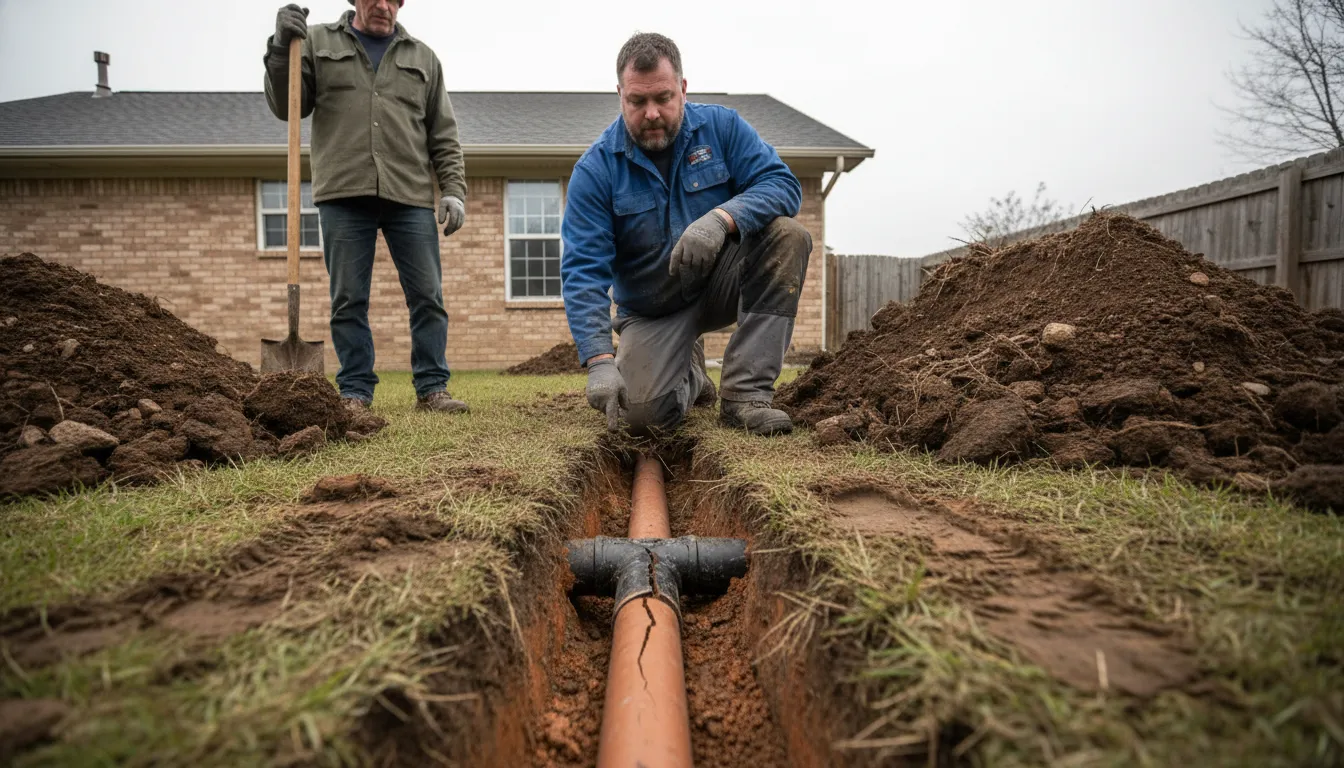
A damaged sewer line is a serious issue that can disrupt your home, pose health risks, and lead to costly property damage if ignored. Sewer line repair involves diagnosing and fixing the underground pipe that carries all wastewater from your home to the public sewer main. In Georgia, this work requires specialized knowledge of local soil conditions, building codes, and repair methods. This guide provides clear, practical information to help you understand the process, costs, and how to find qualified local professionals to restore your home's essential plumbing function.
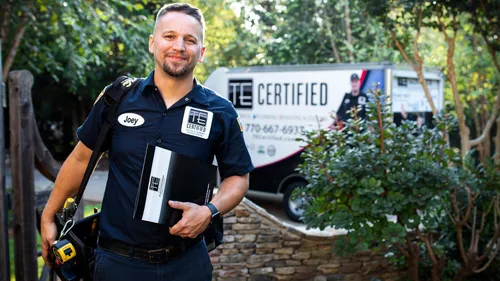
TE Certified, Electrical, Plumbing, Heating & Cooling
98 Patterson Rd SW, Lawrenceville, GA 30044
TE Certified, Electrical, Plumbing, Heating & Cooling provides comprehensive electrical, plumbing, and HVAC services in Atlanta, GA. Their licensed technicians handle water softener installation, drain cleaning, sewer line repair, leak detection, and garbage disposal repair, among other services. The company is known for installing and repairing electrical systems, air conditioning units, and plumbing infrastructure, with capabilities including slab leak detection and sewer line repairs. Serving the greater Atlanta area, TE Certified has built a reputation supported by thousands of positive reviews and holds multiple licenses and certifications. They offer same-day service and provide a lifetime warranty on products and services.
1-Tom-Plumber
629 Airport Rd Suite A, Lawrenceville, GA 30046
1-Tom-Plumber is a plumbing company serving Atlanta, GA, and surrounding communities in Gwinnett County. They provide a range of services including drain cleaning, sewer line repair, water damage restoration, and excavation. Their team uses advanced technology to clear drains and offers expertise in handling plumbing issues that may cause water damage. The company has roots in the water damage restoration industry, which supports their plumbing services with added urgency and experience. They emphasize emergency plumbing support and are licensed and insured.
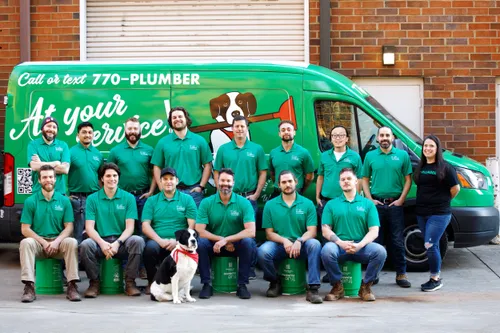
True Plumbing
2650 Pleasantdale Rd, Doraville, GA 30340
True Plumbing is a plumbing service provider based in Atlanta, GA, offering a wide range of services including sewer camera inspections, water heater repair and installation, drain cleaning, sewer line repair, trenchless sewer repair, leak detection, repiping, gas line installation, and toilet repair. They use advanced tools for leak detection and provide trenchless methods for sewer repairs, helping maintain efficient plumbing systems. Established in 2014, True Plumbing focuses on building lasting customer relationships by educating clients and ensuring peace of mind with their work.
Blue Skies Atlanta Plumbing
5520 Lilburn Stone Mountain Rd Ste B, Stone Mountain, GA 30087
Blue Skies Atlanta Plumbing offers residential and commercial plumbing services in Atlanta, GA, including DeKalb and Gwinnett counties. Their licensed plumbers handle water heater installation and repair, drain cleaning, sewer line repair, and toilet repairs. The company provides solutions for both small repairs and major plumbing projects, serving homes and businesses throughout the area.
Roto-Rooter Plumbing & Water Cleanup
3606 McCall Pl, Doraville, GA 30340
Roto-Rooter Plumbing & Water Cleanup provides a wide range of plumbing services in Atlanta, GA, including sewer camera inspections, water heater repairs and installations, drain cleaning, hydro jetting, sewer line repair, trenchless sewer repair, leak detection, and water softener installation. They offer 24/7 emergency plumbing services with same-day response to address urgent plumbing issues. Their capabilities include video camera inspections for sewer lines and the use of trenchless repair methods to minimize disruption during sewer line repairs. Serving the Atlanta area, Roto-Rooter also installs and services various water softener and filtration systems to improve water quality. The company is fully licensed and insured, offering continuous availability throughout the year.
Common Causes of Sewer Line Problems in Georgia
Understanding why sewer lines fail is the first step toward a solution. Several factors, many specific to Georgia's environment and housing stock, contribute to these issues.
- Tree Root Intrusion: This is a leading cause. Roots from large trees like oaks and pines are drawn to the moisture and nutrients in sewer pipes. They can infiltrate through tiny cracks or pipe joints, eventually causing complete blockages or breaking the pipe.
- Pipe Material and Age: The type of pipe your home has greatly influences its lifespan and failure mode.
- Cast Iron: Common in homes built before the 1970s, these pipes are strong but eventually corrode and rust from the inside out, leading to restricted flow and collapse.
- Clay Tile: Very old homes may have clay pipes. While resistant to corrosion, they are brittle and can be cracked by shifting soil or root pressure.
- Orangeburg: Used briefly in the mid-20th century, this tar-impregnated fiber conduit is notorious for deteriorating, flattening, and failing.
- PVC (Polyvinyl Chloride): The modern standard, PVC is durable, corrosion-resistant, and less susceptible to root intrusion. However, improper installation can still lead to issues.
- Ground Shifting and Soil Conditions: Georgia's clay-heavy soil expands when wet and contracts when dry. This repeated movement can put stress on sewer lines, causing them to crack, separate at joints, or lose their proper slope (called a "belly"), leading to standing water and blockages.
- General Wear and Tear: Like all infrastructure, sewer lines have a finite lifespan. Decades of use, ground pressure, and internal corrosion will eventually take their toll.
Recognizing the Signs You Need a Repair
Don't wait for a sewage backup to act. Early detection can mean the difference between a simple repair and a full, expensive replacement. Watch for these warning signs:
- Multiple Slow or Clogged Drains: If more than one fixture (like a toilet, shower, and sink) is draining slowly or backing up simultaneously, the problem is likely in the main sewer line, not an individual branch.
- Unpleasant Sewage Odors: Foul smells coming from drains or your yard, especially near the cleanout or sewer line path, indicate a crack or break.
- Unusual Lawn Conditions: Soggy, sunken, or inexplicably lush patches of grass in your yard can signal a leaking sewer line saturating the soil.
- Gurgling Sounds: Hearing gurgling from toilets or drains when using other fixtures suggests a blockage or venting issue in the main line.
- Pest Infestations: An increase in insects or rodents can sometimes be traced to openings in a compromised sewer line.
The Diagnostic Process: Camera Inspection is Key
Before any digging begins, a professional diagnosis is essential. The industry standard is a sewer camera inspection.
A specialized, waterproof camera is fed through your cleanout or a roof vent and down the sewer line. This allows the technician to see the pipe's interior in real-time, identifying:
- The exact location and nature of the blockage or damage (roots, crack, collapse, belly).
- The pipe material and its condition.
- The depth of the pipe.
- The presence of any offsets or separated joints.
This inspection provides a definitive diagnosis and a clear video record, which is crucial for obtaining an accurate repair estimate and for any discussions with your city or insurance company. 1
Understanding Repair and Replacement Methods
The best method for fixing your sewer line depends on the damage's location, extent, and the surrounding landscape. Georgia professionals typically offer two main approaches.
1. Traditional Open-Cut (Trench) Repair
This is the most direct method. A trench is excavated along the path of the damaged pipe to fully expose it. The old section is removed and replaced with new pipe (typically PVC), then the trench is backfilled.
- Pros: Often the most cost-effective method for short, accessible repairs. It allows for a complete visual inspection of the surrounding area.
- Cons: Highly disruptive. It destroys landscaping, driveways, patios, or lawns above the line. Restoration costs for hardscaping and landscaping can add significantly to the project.
2. Trenchless Repair Methods
These advanced techniques minimize surface disruption by repairing or replacing the pipe from within.
- Pipe Lining (Cured-in-Place Pipe - CIPP): A flexible, resin-saturated liner is inserted into the damaged pipe and inflated. The resin cures, forming a hard, seamless "pipe within a pipe." 2 3
- Pipe Bursting: A conical bursting head is pulled through the old, broken pipe, fracturing it outward while simultaneously pulling a new HDPE (high-density polyethylene) pipe into place behind it.
- Pros of Trenchless: Minimal digging (only at the access points), much faster, preserves your yard and hardscapes, and can be more cost-effective when restoration costs are considered.
- Cons: Higher upfront material costs. Not suitable for all situations, such as pipes that have completely collapsed or have severe misalignment.
Find the perfect sewer line repair companies for your needs
Get personalized recommendations and expert advice
Critical Regulations and Permits in Georgia
Sewer line work is heavily regulated to protect public health and the environment. Any reputable professional will handle these steps.
- Call 811 Before You Dig: This is non-negotiable and required by law. At least three business days before any excavation, you or your contractor must call 811. Utility companies will come to mark the approximate locations of public underground lines (gas, water, electric, communications) with colored paint and flags. This prevents dangerous and costly strikes. Important: 811 does not locate private lines, like your sewer. That's why camera locating is crucial. 4 5
- Local Permits: Nearly all cities and counties in Georgia require a permit for sewer line repair or replacement. The contractor typically pulls this permit from the local Public Works or Building Inspections department. An inspector will visit to ensure the work meets code for proper pipe material, slope (grade), and connection. Adherence to Georgia Environmental Protection Division (EPD) guidelines is also required.
- Depth Considerations: Sewer lines in Georgia are typically buried 4 to 6 feet deep to prevent freezing and surface damage, but depth can vary. Lines running under house foundations or driveways may be 8-10 feet deep or more, which significantly impacts repair complexity and cost. 6
Cost Factors for Sewer Line Repair in Georgia
Costs vary widely based on a combination of project-specific factors. Here's what influences the final price:
- Extent of Damage: A simple spot repair for a small crack is far less expensive than replacing a long section of collapsed pipe.
- Repair Method: Trenchless methods often have a higher upfront cost for materials and technology but can save money on landscape restoration. Open-cut may be cheaper for the plumbing work itself but adds restoration expenses.
- Pipe Location and Access: The most significant cost driver. A line running under an open backyard is the most affordable to fix. A line that runs under a driveway, patio, mature trees, or the foundation of your house requires specialized, labor-intensive techniques and costs much more. Work under a house or concrete slab is typically the most expensive scenario. 7
- Pipe Depth and Length: Deeper pipes require more excavation and safety shoring. Longer repairs require more materials and labor.
- Local Labor Rates and Permits: Costs can differ between metro areas like Atlanta, Augusta, or Savannah and more rural counties.
General Cost Ranges in Georgia:
- Minor Repair / Short Section: $1,250 - $7,000+
- Full Line Replacement (Average): $3,000 - $10,000+
- Extensive/Complex Repair (under slab, deep, long runs): $10,000 - $20,000+ 8 9 10
Always get multiple detailed, written estimates that break down labor, materials, permit fees, and restoration costs.
Choosing a Qualified Professional in Georgia
This is not a DIY project. Selecting the right contractor is critical.
- Verify Licensing: Ensure the company holds a current Master Plumber or Utility Contractor license from the state of Georgia.
- Check Insurance: They must carry both liability insurance and workers' compensation.
- Ask About Experience: How long have they been in business? Do they specialize in sewer line work and offer both trenchless and traditional methods?
- Get a Detailed Estimate: The quote should include diagnosis (camera inspection), repair method, materials, permit acquisition, site restoration, and a clear warranty.
- Review References and Reviews: Check the Georgia Secretary of State's license lookup, the Better Business Bureau, and third-party review sites.
Frequently asked questions
Sources
Footnotes
-
Understanding Sewer Line Replacement: What to Expect - https://flomaxxinc.net/blogs/understanding-sewer-line-replacement-guide-cost-process/ ↩
-
Sewer line repairs: Signs, causes, repair options & how to avoid issues - https://www.sunshineservices.com/post/sewer-line-repairs-essential-signs-your-home-needs-professional-attention ↩
-
Ultimate Guide to Sewer Line Repairs in San Diego - https://blackmountainplumbing.com/the-ultimate-guide-to-sewer-line-repairs/ ↩
-
Sanitary Sewer Collection System Rehabilitation and ... - https://www.dekalbcountyga.gov/sites/default/files/17-500449%20Exhibit%202%20Guide%20Specifications.pdf ↩
-
Guidelines for Sewage Collection Systems - https://epd.georgia.gov/document/document/ga-epd-guidelines-sewage-collection-systems-2010/download ↩
-
How to tell the depth of sewer line if the plumber cant get camera ... - https://www.reddit.com/r/Plumbing/comments/1bkiayg/how_to_tell_the_depth_of_sewer_line_if_the/ ↩
-
Complete Guide to Sewer Lines | How to Find & Warning Signs - https://johnsewer.com/a-complete-guide-to-sewer-lines/ ↩
-
Understanding Sewer Line Replacement Cost in Georgia | Plumb Smart, Inc. - https://plumbsmart.com/sewer-line-replacement-cost/ ↩
-
Everything You Need to Know About Sewer Line Replacement - https://www.splashplumbing.com/everything-you-need-to-know-about-sewer-line-replacement-a-comprehensive-guide-for-homeowners-in-2025/ ↩
-
How Is the Cost of Sewer Line Repair Determined? - https://www.callwaldrop.com/blog/how-is-the-cost-of-sewer-line-repair-determined/ ↩