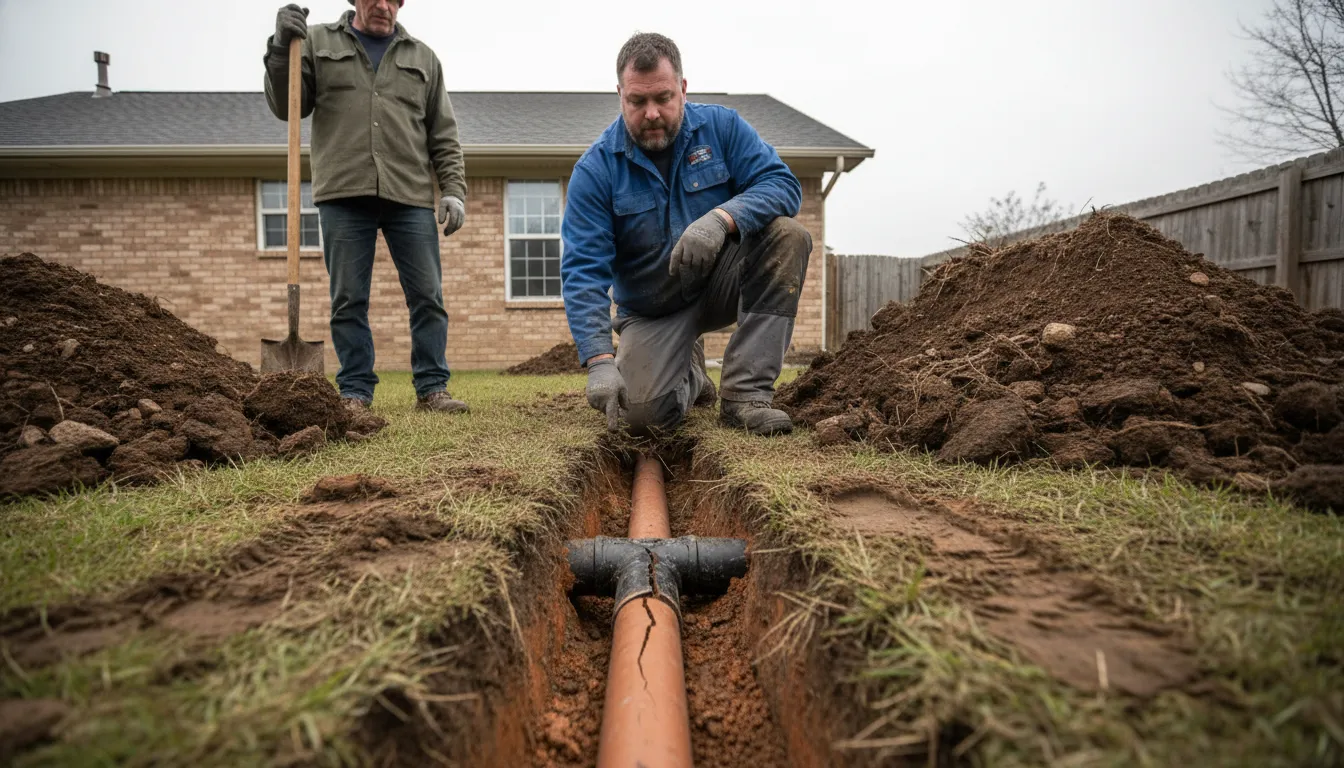
Find the Best Sewer Line Repair Companies for Your Business
No obligation • Fast responses • Nationwide coverage

Why you can trust Search a Plumber
Search a Plumber is a leading United States resource for finding and evaluating professional plumbing services. Our team researches licensing, experience, and customer feedback to create unbiased, fact-driven overviews. Companies cannot pay to change ratings or placement, ensuring homeowners get trustworthy information.
Search providers near you
Top Sewer Line Repair Companies in Stamford, Connecticut Ranked
A damaged sewer line is a serious issue that can disrupt your home, threaten your property, and impact your family's health. Sewer line repair involves diagnosing and fixing the underground pipe that carries all your home's wastewater to the city's main sewer system. When this critical line fails, it demands immediate professional attention. This guide explains how sewer line issues happen in Stamford, the modern and traditional repair methods available, and how you can find qualified local specialists to restore proper function to your home's plumbing with minimal disruption.
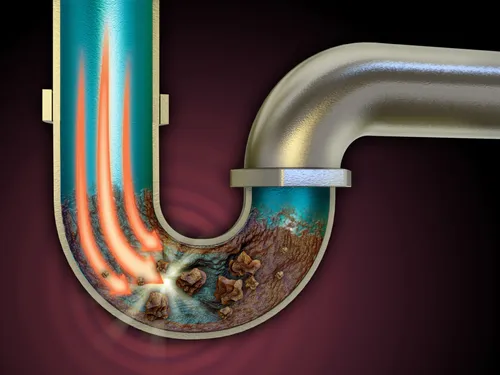
24/7 Drain & Sewer
New York, NY
24/7 Drain & Sewer is a plumbing company serving New York, NY, specializing in drain and sewer services. They offer a range of solutions including drain cleaning, hydro jetting, video pipe inspections, and sewer line repairs. The company uses modern equipment and techniques to address plumbing issues efficiently. They serve the northeastern part of New Jersey with a focus on thorough and effective plumbing work. 24/7 Drain & Sewer is available around the clock to handle urgent plumbing needs.
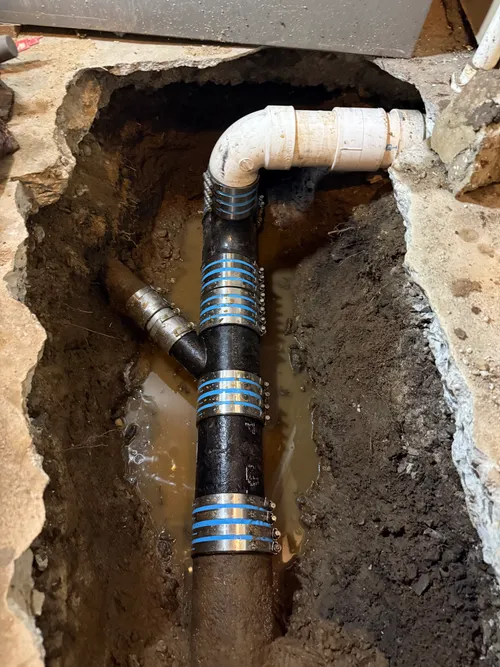
JP Plumbing and Sewer
22 Ambrose Pl, Yonkers, NY 10701
JP Plumbing and Sewer provides a wide range of residential and commercial plumbing services in New York, NY. Their offerings include sewer camera inspections, water heater installations, drain cleaning, sewer line repairs, and leak detection. The company is fully insured and operates 24/7 to handle emergency plumbing needs. They focus on using quality tools and techniques to deliver lasting plumbing solutions with certified expertise.
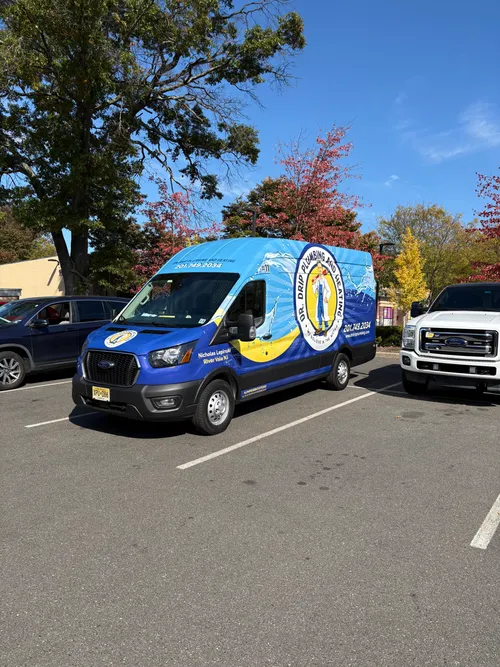
Dr. Drip Plumbing and Heating
123 Woodland Ave, Westwood, NJ 07675
Dr. Drip Plumbing and Heating is a family-run, veteran-owned plumbing and heating company serving New York, NY. They offer a wide range of services including water heater repair and installation, water softener and filtration systems, drain cleaning with hydro jetting, sewer line repair using trenchless methods, leak detection, and toilet repair. The company specializes in high-efficiency hot water systems such as condensing tankless water heaters and heat pump water heaters, as well as advanced leak detection and frozen pipe thawing. Founded by a master plumber with over 10 years of experience, Dr. Drip Plumbing and Heating focuses on comprehensive home water and heating solutions.
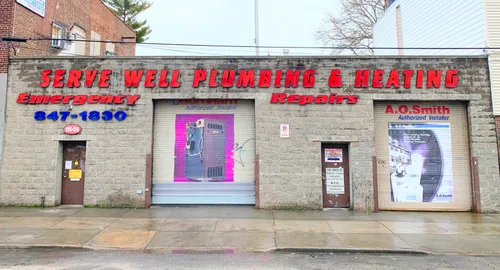
Serve-Well Plumbing & Heating Inc
116-04 Atlantic Ave, Richmond Hill, NY 11419
Serve-Well Plumbing & Heating Inc is a family-owned and operated plumbing and heating company serving New York, NY, and the surrounding tri-state area. With over 50 years of experience, they provide a wide range of services including sewer camera inspections, water heater installations, drain cleaning, sewer line repairs, leak detection, gas line installations, and toilet repairs. The company specializes in oil to gas conversions and offers fire suppression system installation and maintenance. Their technicians are licensed and certified, and they provide 24/7 support to address urgent plumbing and heating needs.
DC NY Sewer and Mechanical
New York, NY
DC NY Sewer and Mechanical is a plumbing service provider based in New York, NY. They offer a wide range of plumbing solutions including sewer camera inspections, water heater repair and installation, drain cleaning, hydro jetting, leak detection, repiping, and garbage disposal repair. Their services cover both residential maintenance and repair needs, using modern equipment to diagnose and fix issues such as corrosion, leaks, and clogs efficiently. The company emphasizes comprehensive plumbing repairs to prevent recurring problems and supports upgrades like water heater replacements and water softener installations.
Understanding Your Home's Sewer System in Stamford
The sewer lateral is the private pipe that runs underground from your home's foundation, beneath your yard, driveway, and often the sidewalk, connecting to the municipal sewer main in the street 1. It is your property's responsibility to maintain. In Stamford, many homes have older infrastructure, making these lines susceptible to failure. Recognizing the signs of a problem early can prevent more extensive and costly damage. Common indicators include multiple slow drains, gurgling sounds from toilets, sewage backups in basement floor drains or lower-level fixtures, and unpleasant odors in your yard or home.
Common Causes of Sewer Line Failure
Several factors contribute to the need for sewer line repair or replacement in our area. Understanding the cause helps professionals determine the best solution.
- Tree Root Intrusion: This is a leading cause of blockages and damage. Roots seek out moisture and nutrients, infiltrating tiny cracks or loose joints in the pipe. Once inside, they grow and expand, causing major blockages and eventually cracking or collapsing the pipe.
- Aging and Corroding Pipes: Stamford has many neighborhoods with older homes. Original sewer lines made from clay tile, cast iron, or even Orangeburg (bituminized fiber pipe) are prone to deterioration over decades. Clay can crack, cast iron corrodes and collapses, and Orangeburg pipe flattens under soil pressure.
- Ground Movement and Collapse: Soil shifting due to freeze-thaw cycles, erosion, or heavy construction equipment driving over the ground can misalign pipe sections or cause a complete collapse.
- Blockages and Buildup: Even without root or structural damage, pipes can fail due to accumulated grease, hair, soap scum, and non-flushable items, leading to chronic slow drains and backups.
- Improper Pitch: If the sewer line was installed without the correct slope (pitch), wastewater and solids won't flow properly, leading to constant buildup and blockages.
The Critical First Step: Professional Camera Inspection
Before any repair strategy is chosen, a professional video camera inspection is non-negotiable. A skilled technician will feed a high-resolution, waterproof camera into your sewer line. This process:
- Identifies the Exact Problem: Pinpoints the location, nature, and severity of the damage-whether it's a root mass, a crack, a belly (sagging section), or a collapse.
- Determines the Best Repair Method: The visual evidence dictates whether a less-invasive trenchless method is suitable or if traditional excavation is necessary.
- Provides Documentation: You receive a video record of the issue, which is invaluable for estimates, permits, and understanding the scope of work needed.
Modern Repair Methods: Trenchless Sewer Repair
Trenchless technology has revolutionized sewer line repair, offering effective solutions with significantly less disruption to your property. These methods are often ideal for repairing cracked, root-intruded, or corroded pipes that are still structurally in place.
Pipe Lining (Cured-in-Place Pipe - CIPP)
This method involves saturating a flexible, resin-coated liner with a special epoxy and inserting it into the damaged pipe. The liner is then inflated, pressing against the host pipe's walls, and cured with heat or UV light to form a hard, seamless "pipe within a pipe."
- Pros: Creates a jointless new pipe that resists roots and corrosion; requires only small access pits (minimal digging); typically completed in a day; preserves landscaping, driveways, and hardscapes.
- Cons: Not suitable for pipes that have fully collapsed or are severely misaligned; requires the existing pipe to have a clear path for the liner to travel.
Pipe Bursting
This technique is used for total replacement when the old pipe is too damaged for lining. A conical bursting head is pulled through the old pipe, simultaneously fracturing it outward and pulling a new high-density polyethylene (HDPE) pipe into place behind it.
- Pros: Installs a brand new, durable pipe; still less invasive than a full trench; new pipe is slightly larger in diameter, improving flow.
- Cons: Requires slightly larger access pits at both ends of the run; not feasible if there are many utility crossings or the path is highly curved.
Find the perfect sewer line repair companies for your needs
Get personalized recommendations and expert advice
Traditional Repair Method: Excavation
Also known as "dig and replace," this is the conventional approach where a trench is dug along the entire length of the damaged sewer line to expose it for repair or replacement.
- Pros: Allows for a complete visual inspection; the only viable solution for pipes that have completely collapsed or have severe misalignment (bellies); can be more straightforward for very short, accessible runs 2 3 4.
- Cons: Highly disruptive-destroys lawns, gardens, driveways, sidewalks, and patios; process is weather-dependent and can take much longer; involves significant hidden restoration costs for returning your property to its original state 5.
Comparing Costs: Trenchless vs. Traditional in Stamford
Cost is a major factor, and it's important to look beyond just the per-foot pipe cost. Trenchless sewer repair methods, such as lining or bursting, typically range from $60 to $250+ per foot, depending on the diameter, condition, and specific technology used 6 7 8. The traditional excavation method can range from $50 to $450+ per foot for the pipe work alone 7 8 9.
However, the true cost of excavation includes substantial additional expenses that are often hidden in the "per foot" quote:
- Landscape Restoration: Repairing or re-sodding a destroyed lawn can cost $1,500 to $8,000 or more.
- Hardscape Repair: Re-pouring a concrete driveway, sidewalk, or patio section adds thousands.
- Permits and Labor: Excavation often requires more permits and significantly more manual labor hours.
While trenchless methods may have a higher upfront material cost, they almost always result in a lower total project cost by eliminating these massive restoration expenses 10 11 12. The value of preserving your landscaping and avoiding weeks of construction chaos on your property is also a significant financial and personal benefit.
Choosing the Right Solution for Your Home
The choice between trenchless and traditional sewer line repair isn't yours alone-it's dictated by the condition of your pipe, as revealed by the camera inspection. A reputable professional will recommend the method that provides a durable, long-term solution. For repairable pipes, trenchless technology offers a faster, cleaner, and often more cost-effective outcome. For a total collapse or a line with multiple severe sags, excavation may be the only permanent fix.
Frequently asked questions
Sources
Footnotes
-
Is Trenchless Sewer Repair Right For Your Home? - Mattioni Plumbing - https://www.callmattioni.com/blog/t-trenchless-sewer-repair/ ↩
-
Trenchless Sewer Line Repair vs. Sewer Line Excavation - https://dandfplumbing.com/sewer-line-repair-vs-sewer-line-excavation/ ↩
-
Sewer Pipe Lining vs Residential Excavation - 128 Plumbing - https://www.128plumbing.com/sewer-pipe-lining-vs-residential-excavation/ ↩
-
Trenchless Sewer Repair vs. Traditional Excavation - AQUALIS - https://aqualisco.com/trenchless-sewer-repair-vs-traditional/ ↩
-
Trenchless Sewer Repair: Lower Cost, Lower Impact Sewer ... - https://www.sewerflowllc.com/2025/03/06/trenchless-sewer-repair-lower-cost-lower-impact-sewer-repair/ ↩
-
Trenchless Pipe Repair: Smart Fixes for Sewer Line Problems - https://hydromaxplumbing.com/blog/trenchless-pipe-repair-fixes-for-sewer-line-problems/ ↩
-
Cost Comparison: Trenchless vs. Traditional Sewer Line Repair - https://www.advancedtrenchlesssolutions.com/blog/cost-comparison-trenchless-vs-traditional-sewer-line-repair ↩ ↩2
-
Is Trenchless Sewer Line Repair Cheaper? - AP Plumbing - https://applumbing.com/blog/is-trenchless-sewer-line-repair-cheaper/ ↩ ↩2
-
Sewer Repair Cost: Trenchless Vs Traditional Methods - https://www.superbrothers.com/sewer-repair-cost-trenchless-vs-traditional-methods/ ↩
-
Trenchless vs. Traditional Sewer Repair - https://sewerlinesonly.com/trenchless-vs-traditional-sewer-repair-which-is-more-cost-effective-for-lakewood-homeowners/ ↩
-
Decoding Trenchless Sewer Repair Costs - Pipeliner Pros - https://pipelinerpros.com/trenchless-sewer-repair-cost/ ↩
-
How Is the Cost of Sewer Line Repair Determined? - https://www.callwaldrop.com/blog/how-is-the-cost-of-sewer-line-repair-determined/ ↩