Find the Best Sewer Line Repair Companies for Your Business
No obligation • Fast responses • Nationwide coverage

Why you can trust Search a Plumber
Search a Plumber is a leading United States resource for finding and evaluating professional plumbing services. Our team researches licensing, experience, and customer feedback to create unbiased, fact-driven overviews. Companies cannot pay to change ratings or placement, ensuring homeowners get trustworthy information.
Search providers near you
Top Sewer Line Repair Companies in Longmont, Colorado Ranked
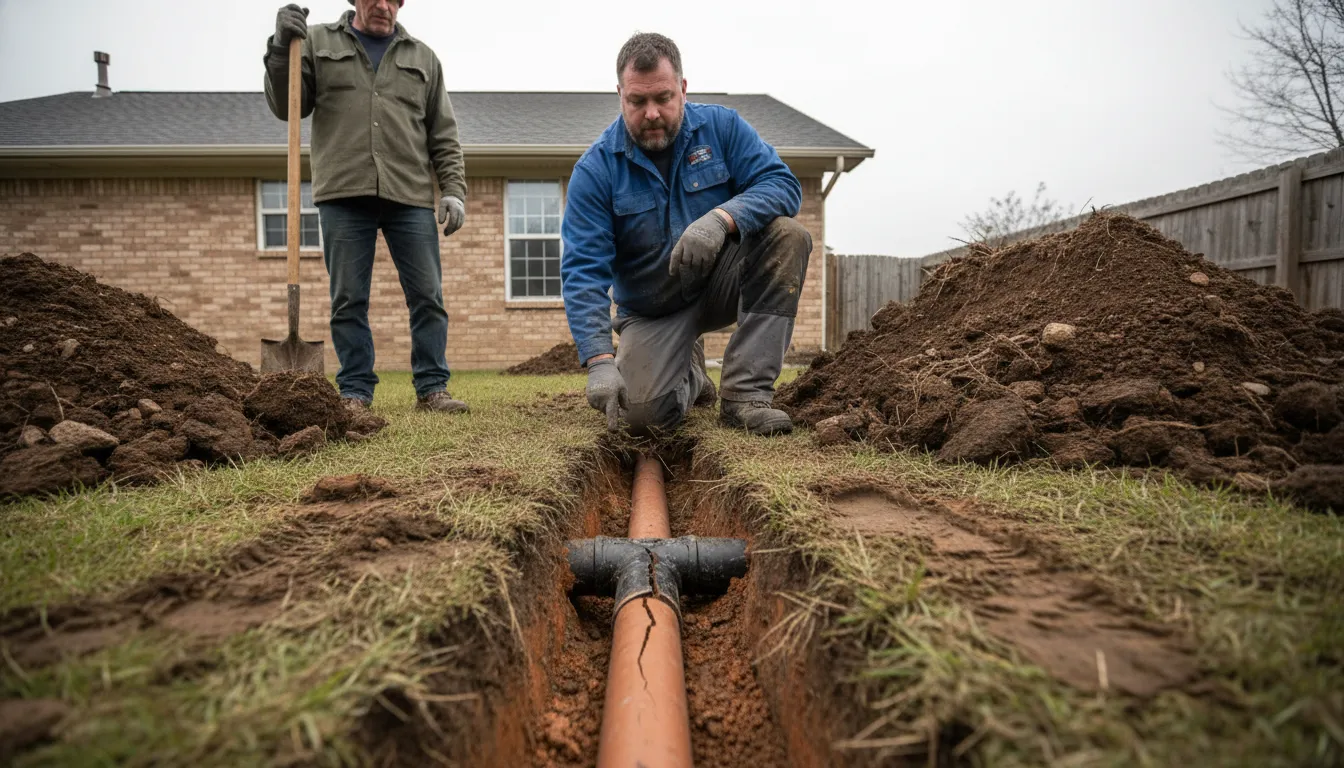
Dealing with a damaged sewer line is a stressful and disruptive problem for any homeowner. When your main drain line fails, it can lead to slow drains, sewage backups, and significant property damage. In Longmont, where aging infrastructure and tree roots are common culprits, understanding your repair options is crucial. This guide explains the causes of sewer line failure, compares modern trenchless methods with traditional excavation, and provides the information you need to find a qualified local professional for your sewer line replacement or repair project.
Big Apple Plumbing LLC - Broomfield, CO
1022 Depot Hill Rd Unit 10, Broomfield, CO 80020
Big Apple Plumbing LLC - Broomfield, CO provides a wide range of plumbing services in Denver, CO, including drain cleaning, sewer line repair, water heater installation and repair (tank and tankless), leak detection, gas line installation, sump pump repair, and repiping. The company serves both residential and commercial clients, handling routine maintenance, emergency repairs, and new installations with licensed plumbers. They specialize in sewer line services and offer 24/7 emergency plumbing solutions to address urgent issues like burst pipes and leaks. Big Apple Plumbing is locally owned and operated, with a focus on safety and code compliance. Their team is experienced in gas line installations and water heater replacements, ensuring efficient and reliable service. The company is known for upfront pricing, timely arrivals, and clear communication, serving Broomfield and surrounding areas including Anthem, The Broadlands, and Interlocken/FlatIron Crossing.
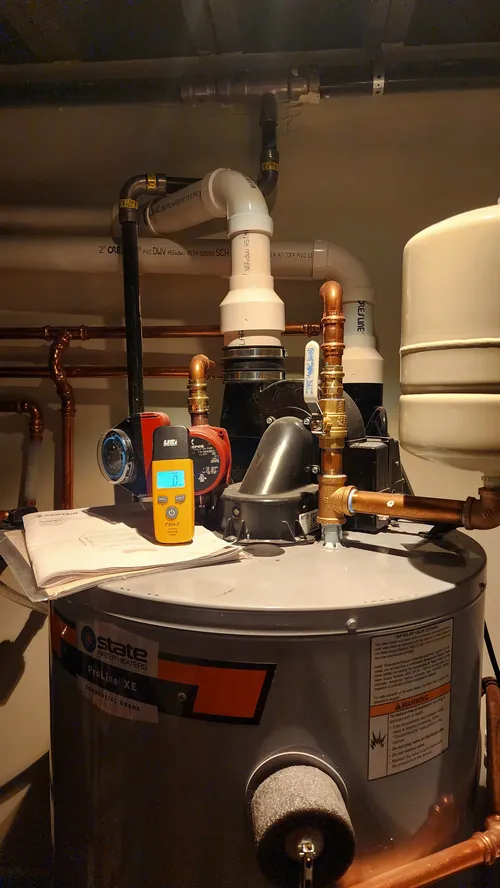
Midwest Plumbing Co. LLC
8360 Auburn Ln, Westminster, CO 80031
Midwest Plumbing Co. LLC is a plumbing service provider based in Denver, CO, offering a wide range of plumbing solutions. Their services include water heater repair and installation, sump pump repair, sewer line repair with trenchless technology, leak detection, repiping, gas line installation, toilet and garbage disposal repair, and more. The company uses advanced equipment and techniques to address both simple and complex plumbing issues, aiming to provide long-term solutions. They serve residential customers and emphasize careful, tailored service for each home. Midwest Plumbing Co. LLC offers 24/7 emergency plumbing services to assist customers whenever needed.
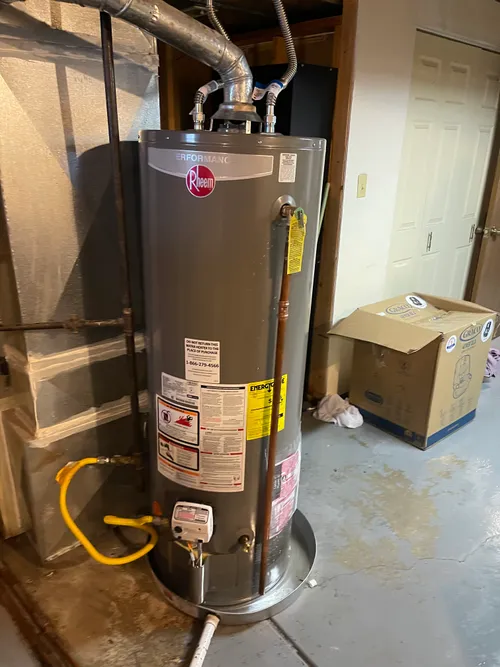
303 Drain Now
311 Mesa Ave, Lochbuie, CO 80603
303 Drain Now is a family-owned plumbing business serving Denver, CO, with over 25 years of experience. They provide a wide range of plumbing services including sewer camera inspections, water heater installation and repair, drain cleaning, sewer line repair, leak detection, and toilet repairs. The company offers specialized capabilities such as advanced drain and sewer cleaning equipment to handle clogs and main line repairs efficiently. Founded and operated by Master Plumber Harold Watts, 303 Drain Now also supports property managers with maintenance programs designed to minimize downtime and costly repairs. Their team is available 24/7 for emergency plumbing needs.
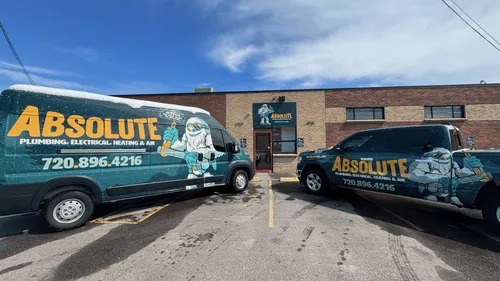
Absolute Plumbing, Electrical, Heating & Air
5590 Havana St Unit A, Denver, CO 80239
Absolute Plumbing, Electrical, Heating & Air provides a wide range of plumbing, electrical, heating, and air conditioning services in Denver, CO. Their plumbing services include sewer camera inspections, water heater repair and installation, water softener installation, sump pump repair, drain cleaning, hydro jetting, sewer line repair, leak detection, repiping, gas line installation, toilet repair, and garbage disposal repair. The company has over a decade of experience serving the Denver Metro area and offers fully stocked trucks and certified, insured technicians to handle most jobs efficiently. They emphasize honest, upfront pricing and satisfaction guaranteed.
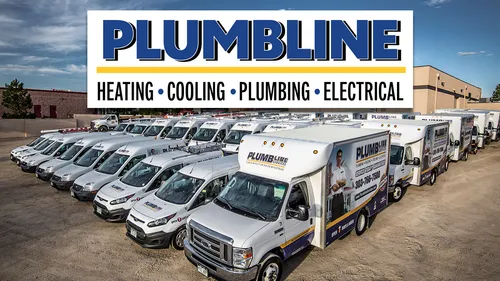
Plumbline Services
5980 W 59th Ave, Arvada, CO 80003
Plumbline Services offers plumbing, HVAC, and electrical services to homeowners in Denver, CO, and the surrounding areas. Their skilled team handles a wide range of plumbing needs including water heater repair and installation, sump pump and sewer line repairs, drain cleaning, leak detection, gas line installation, and garbage disposal repairs. They also provide HVAC services such as furnace and air conditioning repair and installation, along with electrical work including circuit breakers, lighting, and EV charging stations. Plumbline Services is available 24/7 to assist with emergencies and routine maintenance, serving customers from Fort Collins to Castle Rock.
Common Causes of Sewer Line Failure in Longmont
Your main sewer line, or lateral, is the pipe that carries all wastewater from your home to the city's main sewer line under the street. Over time, this critical underground component can fail for several reasons prevalent in our area.
- Tree Root Intrusion: This is one of the most frequent causes of blockages and damage in Longmont. Roots are naturally drawn to the moisture and nutrients in sewer pipes. They can infiltrate through small cracks or loose joints, eventually growing large enough to cause complete blockages or crack the pipe itself 1.
- Aging and Corroding Pipes: Many older homes in Longmont were built with clay tile or cast iron sewer pipes. Clay pipes can crack or collapse due to ground shifting, while cast iron is susceptible to corrosion and rust over decades, leading to leaks and reduced flow.
- Ground Movement and Soil Conditions: Seasonal freeze-thaw cycles, soil erosion, and general settling can put pressure on underground pipes, causing them to crack, break, or misalign at the joints.
- Grease and Debris Blockages: While not always a structural failure, the buildup of grease, non-flushable items, and other debris can create severe clogs that mimic or even cause pipe damage over time.
Recognizing the signs early-such as multiple slow drains, gurgling toilets, sewage odors in the yard, or unexplained soggy patches in your lawn-can help you address the issue before it becomes an emergency.
Modern Trenchless Sewer Repair: A Less Invasive Solution
Thankfully, homeowners today have access to advanced trenchless sewer repair technologies. These methods fix or replace your sewer line with minimal digging, preserving your landscaping, driveway, and peace of mind.
How Trenchless Pipe Lining Works (Cured-in-Place Pipe)
Pipe lining, also known as Cured-in-Place Pipe (CIPP), is a popular trenchless technique. A flexible tube coated with a resin-saturated felt is inserted into the damaged pipe through an existing access point. The liner is then inflated, pressing it against the interior walls of the old pipe. The resin is cured using hot water or UV light, forming a hard, durable, and seamless "pipe within a pipe." This method seals cracks, blocks root intrusion, and restores full flow without excavation.
How Trenchless Pipe Bursting Works
For pipes that are too damaged to be lined, pipe bursting is another trenchless option. A conical bursting head is pulled through the old, broken pipe. As it moves, it fractures the old pipe outward into the surrounding soil while simultaneously pulling a new, high-density polyethylene (HDPE) pipe into place behind it. This method completely replaces the old line with a new one of equal or larger diameter.
Benefits of Trenchless Sewer Line Replacement
- Minimal Disruption: The most significant advantage is the lack of large, destructive trenches across your property. Access is typically gained through two small pits at the beginning and end of the repair section.
- Faster Completion: Many trenchless repairs can be completed in just one or two days, compared to the week or more often required for traditional digging.
- Cost-Effective in the Long Run: While the upfront material costs can be higher, you save substantially on labor and, most importantly, on the extensive costs of restoring your lawn, concrete, sprinkler systems, and landscaping.
- Durable Results: The new pipe liners or HDPE pipes are highly resistant to corrosion, root intrusion, and cracking, often coming with warranties of 50 years or more.
Find the perfect sewer line repair companies for your needs
Get personalized recommendations and expert advice
Traditional Excavation: When Digging is Necessary
Despite the advantages of trenchless technology, there are situations where traditional excavation, or "dig and replace," is the only viable option. This method involves using a backhoe to dig a trench along the entire length of the damaged sewer line, exposing it for repair or full replacement.
Scenarios Requiring Excavation
- Complete Pipe Collapse: If a section of pipe has fully collapsed, there is no open pathway for trenchless equipment like liners or bursting heads to travel through.
- Severe Misalignment or Offsets: Sections of pipe that have shifted dramatically may need to be physically realigned, which requires excavation.
- Extensive Corrosion or Damage: In cases where a very long section of pipe is severely degraded, excavation might be more practical or cost-effective.
- Access Limitations: Sometimes, the location of the damage (e.g., under a large, immovable structure) or local utility conflicts make trenchless access impossible.
Drawbacks of the Traditional Method
The primary downside is the massive disruption. This process destroys yards, driveways, sidewalks, and gardens. The project timeline is longer due to the digging, repair, and then the significant restoration work required to bring your property back to its original state. These restoration costs-for new sod, concrete, and hardscaping-can add thousands to the final bill and are often not fully covered by insurance 2 3.
Understanding Sewer Repair Costs in Longmont
The cost of fixing your sewer main depends heavily on the chosen method, the extent of damage, and the length and depth of the pipe.
- Trenchless Repair Costs: Trenchless sewer line repair typically ranges from $60 to $250 per linear foot, with total project costs often falling between $3,500 and $20,000 4. The per-foot cost is influenced by the specific technology (lining vs. bursting) and pipe diameter.
- Traditional Excavation Costs: Traditional dig-and-replace methods generally cost $50 to $450 per linear foot 5 6. While the per-foot pipe replacement cost can sometimes be lower, this almost never includes the substantial additional expenses for landscaping, concrete, and patio restoration, which are necessary to repair the excavation site.
Critical First Step: Video Inspection. Before any repair method is chosen, a professional should conduct a sewer camera inspection. This diagnostic tool is inserted into the line, providing a real-time video feed that accurately identifies the location, cause, and severity of the problem. This inspection is essential for receiving an accurate quote and determining whether trenchless or traditional repair is the right solution for your situation 7 8.
Choosing the Right Repair Method for Your Home
So, how do you decide? The answer comes from a professional diagnosis, but general guidelines apply. Trenchless methods are strongly preferred for most common issues like root intrusion, cracks, holes, and bellied pipes because they resolve the problem with far less overall impact and cost 9 10. Traditional excavation remains a necessary tool for the most severe cases of damage where trenchless is not technically feasible.
When consulting with local Longmont sewer repair specialists, ask them to explain why they are recommending a particular method based on the video inspection. A reputable professional will prioritize a long-term solution that protects your property and your investment.
Frequently asked questions
Sources
Footnotes
-
Sewer Lines - City of Longmont - https://longmontcolorado.gov/water/sewer-lines/ ↩
-
Empower Your Decision: Decoding Trenchless Sewer Repair Costs - Pipeliner Pros - https://pipelinerpros.com/trenchless-sewer-repair-cost/ ↩
-
Sewer Line Repair in Denver, CO - Trenchless Pipe Relining - https://plumblineservices.com/plumbing/drain-cleaning/sewer-and-drain-repair ↩
-
Trenchless Sewer Line Repair | Longmont, CO | Relief Home Services - https://reliefhomeservices.com/trenchless-sewer-repair/trenchless-sewer-line-repair-longmont-co/ ↩
-
Trenchless Sewer Repair: Lower Cost, Lower Impact Sewer Repair - https://www.sewerflowllc.com/2025/03/06/trenchless-sewer-repair-lower-cost-lower-impact-sewer-repair/ ↩
-
Is Trenchless Sewer Line Repair Cheaper? - AP Plumbing - https://applumbing.com/blog/is-trenchless-sewer-line-repair-cheaper/ ↩
-
Longmont Sewer Repair - Brothers Plumbing - https://www.brothersplumbing.com/longmont-sewer-repair/ ↩
-
Trenchless Sewer Repair vs. Traditional Excavation: Which is Better? - https://alphaenvironmental.net/blog/trenchless-sewer-repair-vs-traditional-excavation-which-is-better/ ↩
-
Trenchless vs. Traditional Sewer Repair - https://sewerlinesonly.com/trenchless-vs-traditional-sewer-repair-which-is-more-cost-effective-for-lakewood-homeowners/ ↩
-
Trenchless Sewer Line Repair vs Traditional: Which Is Better - https://cactusplumbingandair.com/trenchless-sewer-line-repair-vs-traditional/ ↩