Find the Best Sewer Line Repair Companies for Your Business
No obligation • Fast responses • Nationwide coverage

Why you can trust Search a Plumber
Search a Plumber is a leading United States resource for finding and evaluating professional plumbing services. Our team researches licensing, experience, and customer feedback to create unbiased, fact-driven overviews. Companies cannot pay to change ratings or placement, ensuring homeowners get trustworthy information.
Search providers near you
Top Sewer Line Repair Companies in Denver, Colorado Ranked
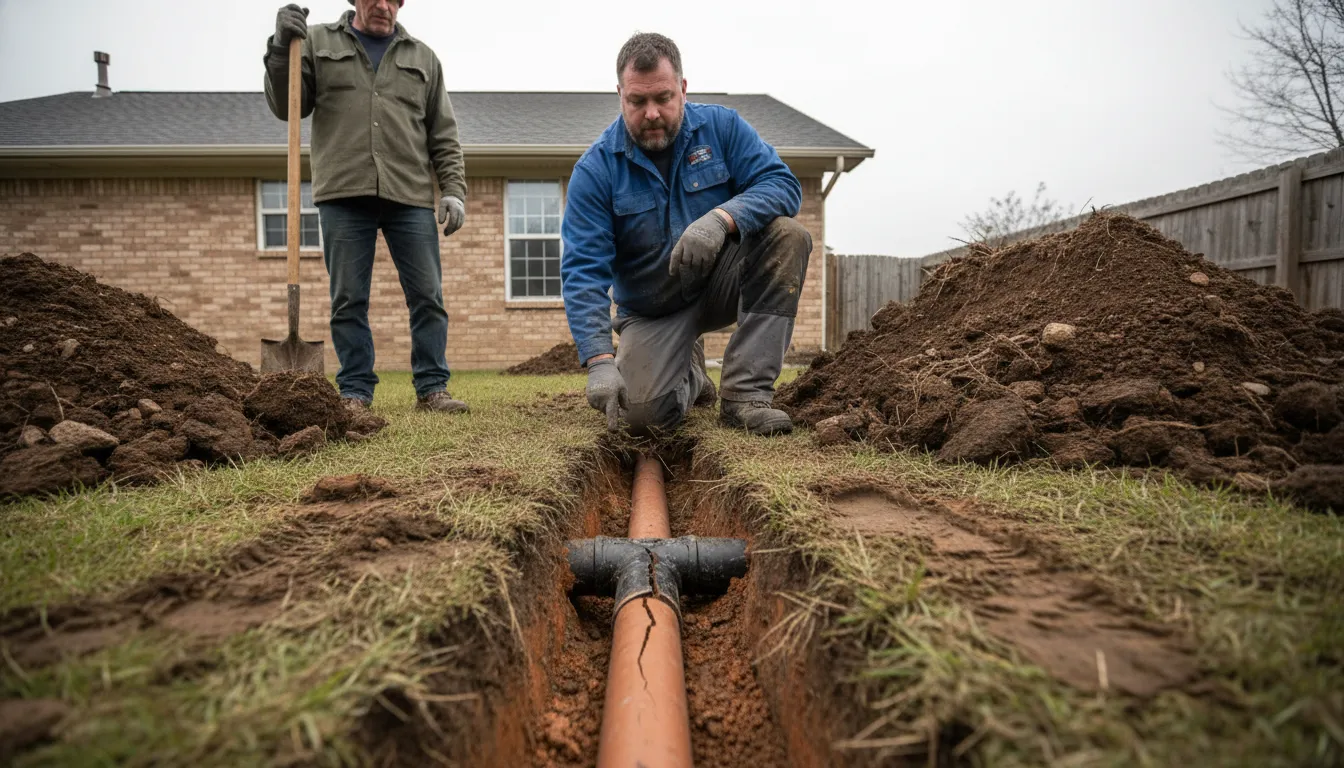
A damaged sewer line is a serious issue that can disrupt your home's entire plumbing system and lead to costly property damage. Sewer line repair involves diagnosing and fixing the underground pipe that carries all your home's wastewater to the city's main sewer line. This guide will help you understand the common problems, repair methods, and costs specific to Denver, empowering you to make informed decisions when you need to connect with a local specialist.
High 5 Plumbing, Heating, Cooling & Electric
15710 W Colfax Ave, Golden, CO 80401
High 5 Plumbing, Heating, Cooling & Electric is a full-service plumbing company serving Denver, CO. They provide a wide range of plumbing services including water heater installation and repair, drain cleaning, sewer line repair, leak detection, and gas line installation. The company uses advanced video technology for sewer camera inspections and offers trenchless sewer repair to minimize excavation. They also specialize in hydro jetting to clear blocked drains efficiently. High 5 Plumbing is licensed for gas plumbing and installs energy-efficient tankless water heaters. The company has received recognition such as the Angi Super Service Award and a BBB Torch Award for Ethics. They provide 24/7 emergency response for urgent plumbing needs.
Big Apple Plumbing LLC - Broomfield, CO
1022 Depot Hill Rd Unit 10, Broomfield, CO 80020
Big Apple Plumbing LLC - Broomfield, CO provides a wide range of plumbing services in Denver, CO, including drain cleaning, sewer line repair, water heater installation and repair (tank and tankless), leak detection, gas line installation, sump pump repair, and repiping. The company serves both residential and commercial clients, handling routine maintenance, emergency repairs, and new installations with licensed plumbers. They specialize in sewer line services and offer 24/7 emergency plumbing solutions to address urgent issues like burst pipes and leaks. Big Apple Plumbing is locally owned and operated, with a focus on safety and code compliance. Their team is experienced in gas line installations and water heater replacements, ensuring efficient and reliable service. The company is known for upfront pricing, timely arrivals, and clear communication, serving Broomfield and surrounding areas including Anthem, The Broadlands, and Interlocken/FlatIron Crossing.
Midwest Plumbing Co. LLC
8360 Auburn Ln, Westminster, CO 80031
Midwest Plumbing Co. LLC is a plumbing service provider based in Denver, CO, offering a wide range of plumbing solutions. Their services include water heater repair and installation, sump pump repair, sewer line repair with trenchless technology, leak detection, repiping, gas line installation, toilet and garbage disposal repair, and more. The company uses advanced equipment and techniques to address both simple and complex plumbing issues, aiming to provide long-term solutions. They serve residential customers and emphasize careful, tailored service for each home. Midwest Plumbing Co. LLC offers 24/7 emergency plumbing services to assist customers whenever needed.
303 Drain Now
311 Mesa Ave, Lochbuie, CO 80603
303 Drain Now is a family-owned plumbing business serving Denver, CO, with over 25 years of experience. They provide a wide range of plumbing services including sewer camera inspections, water heater installation and repair, drain cleaning, sewer line repair, leak detection, and toilet repairs. The company offers specialized capabilities such as advanced drain and sewer cleaning equipment to handle clogs and main line repairs efficiently. Founded and operated by Master Plumber Harold Watts, 303 Drain Now also supports property managers with maintenance programs designed to minimize downtime and costly repairs. Their team is available 24/7 for emergency plumbing needs.
Cap Hill Plumbing
1770 E Colfax Ave unit A, Denver, CO 80218
Cap Hill Plumbing is a licensed and insured plumbing service based in Denver, CO. They specialize in a wide range of plumbing services including sewer camera inspections, water heater repair and installation (both tank and tankless), drain cleaning, leak detection, sump pump repair, gas line installation, and sewer line repair. Serving Denver and the surrounding metro area, they are familiar with the unique plumbing challenges of older homes and local conditions. Their team uses camera inspections to diagnose sewer issues accurately and offers same-day repairs for many services. Cap Hill Plumbing provides upfront pricing and stands behind their work with warranties.
Understanding Your Sewer Line in Denver
The main sewer line, or sewer lateral, is a critical but hidden component of your home. It runs from the point where your home's main drain exits the foundation, underground across your property, and connects to the municipal sewer main, typically located at the street or in an alley. Because it's buried, problems often go unnoticed until significant symptoms appear, making proactive awareness and timely repair essential.
Why Denver Homes Are Prone to Sewer Line Issues
Denver's unique environmental and infrastructural characteristics contribute to a higher incidence of sewer line failures. Understanding these local factors can help you identify risks to your property.
- Expansive Clay Soil: Denver's soil has a high clay content, which expands when wet and contracts when dry. This constant movement places stress on buried sewer pipes, leading to cracks, misaligned joints, and even complete breaks over time.
- Mature Tree Roots: The roots of Denver's many mature trees are drawn to the moisture and nutrients found in sewer lines. They can infiltrate through tiny cracks or loose joints, eventually creating a dense, tangled mass that completely blocks the pipe.
- Aging Infrastructure: Many Denver neighborhoods have homes with original sewer lines made of cast iron or vitrified clay (Orangeburg). Cast iron corrodes from the inside out, thinning the pipe wall, while clay pipes can crack or collapse under soil pressure 1.
- Construction and Ground Shifts: Beyond natural soil movement, general settling of the home, nearby construction vibrations, or improper initial installation can create low spots (bellies) or breaks in the line.
Signs You Need Sewer Line Repair or Replacement
Don't ignore these warning signs. Early detection can mean the difference between a simple spot repair and a full, expensive replacement.
- Multiple Drain Clogs: If more than one fixture (like a toilet, shower, and sink) is backing up simultaneously, it points to a blockage in the main line, not an individual drain.
- Unpleasant Odors: Foul sewage smells in your yard, basement, or near drains are a primary indicator of a crack or break in the sewer line.
- Soggy or Lush Patches in Yard: Unexplained soggy areas, sinkholes, or patches of grass that are noticeably greener and faster-growing than the rest of your lawn can signal a leaking sewer line fertilizing the ground.
- Gurgling Sounds: Hearing gurgling noises from your toilets or drains when using water elsewhere in the house indicates trapped air in the line due to a blockage.
- Slow Drains: Chronic slow drainage throughout the home, especially if plunging or chemical cleaners provide no lasting relief.
Repair Methods: Trenchless vs. Traditional Excavation
Once a problem is diagnosed via a camera inspection, your specialist will recommend the most effective repair strategy. The two primary approaches offer different benefits.
Trenchless Sewer Repair
Trenchless technology has revolutionized sewer line repair by minimizing damage to your landscaping, driveway, and hardscape. These methods are often faster and can be more cost-effective when considering restoration expenses.
- Pipe Lining (Cured-in-Place Pipe - CIPP): A flexible, resin-saturated liner is inserted into the damaged pipe and inflated. The resin cures in place, forming a new, seamless, and durable pipe-within-a-pipe. This method seals cracks and holes and resists root intrusion.
- Pipe Bursting: A conical bursting head is pulled through the old, broken pipe, fracturing it outward while simultaneously pulling a new high-density polyethylene (HDPE) pipe into place. This is a true replacement, not a liner, and is used when the old pipe is too damaged to line 2.
Advantages of Trenchless: Minimal digging (only at access points), often completed in a day, preserves landscaping, and can be less expensive when factoring in restoration.
Traditional Excavation (Open-Trench Repair)
This conventional method involves using a backhoe to dig a trench along the entire length of the sewer line to fully expose it. The old pipe is removed and a new one is installed.
- Advantages of Excavation: Allows for a complete visual inspection of the pipe and surrounding soil, is the only option for certain types of catastrophic collapses, and provides the opportunity to replace the pipe with a different material or size 3 4.
- Disadvantages: Highly disruptive to yards, driveways, and walkways; requires significant labor for digging and, crucially, for backfilling and restoring the landscape; the process is weather-dependent and takes longer.
Find the perfect sewer line repair companies for your needs
Get personalized recommendations and expert advice
Cost of Sewer Line Repair in Denver
Costs in Denver vary widely based on the method, extent of damage, and property specifics. Always get a detailed, on-site estimate from a qualified professional.
- Cost Per Foot: Repair costs typically range from $50 to $250+ per linear foot, influenced by depth, accessibility, and soil conditions 5.
- Full Trenchless Replacement: Using lining or bursting methods, total project costs often fall between $4,000 and $12,000+ 6.
- Full Traditional Excavation Replacement: Due to extensive labor and restoration work, costs generally range from $5,000 to $13,000 or more 7.
- Spot Repairs: For isolated damage, a localized repair (which may still involve excavation) can cost $1,000 and up, offering significant savings over full replacement when feasible 8 9.
What Influences the Final Price?
Several key factors will determine where your project falls within these ranges:
- Pipe Length and Depth: Longer and deeper lines require more materials and labor.
- Pipe Material: The cost to replace cast iron differs from replacing clay or PVC.
- Landscape and Access: Repairing a line under a concrete driveway, patio, or mature trees adds complexity and cost for cutting, removal, and restoration 10.
- Permits: The City of Denver requires permits for sewer line work, and fees vary 11.
- Choice of Method: While trenchless material costs can be higher, the savings on labor and landscape restoration often make it competitive with or cheaper than full excavation 12.
The Repair Process: What to Expect
A reputable sewer repair specialist will follow a systematic process to ensure a lasting solution.
- Inspection & Diagnosis: Using a specialized sewer camera, the technician will visually inspect the interior of the pipe to pinpoint the location, cause, and extent of the damage.
- Detailed Proposal: You will receive a written estimate outlining the recommended repair method, a breakdown of costs, the project timeline, and any necessary permits.
- Permitting: Your contractor will typically pull the required city permits on your behalf.
- Execution of Repair: The crew will execute the chosen method, whether it's setting up for a trenchless liner or beginning excavation.
- Clean-up & Restoration: For trenchless work, clean-up is minimal. For excavation, the site will be backfilled, and initial restoration (grading, sod) is usually included, with final landscaping potentially being your responsibility.
- Final Inspection: A post-repair camera inspection is often performed to verify the integrity of the new line, and the city may perform a final inspection for permitted work.
Frequently asked questions
Sources
Footnotes
-
Sewer Repair Denver: Fast Fixes for Broken Sewer Lines - https://sewerex.com/sewer-repair-denver-complete-guide-to-fixing-your-sewer-line-fast/ ↩
-
Sewer Line Repair Denver - https://www.tenncoffee.com/?page=sewer-repair ↩
-
Sewer Line Repair in Denver, CO - Trenchless Pipe Relining - https://plumblineservices.com/plumbing/drain-cleaning/sewer-and-drain-repair ↩
-
Sewer Line Repair Timeline Denver: How Long Does It Take? - https://sewerex.com/how-long-does-sewer-line-repair-take-in-denver-homes/ ↩
-
Denver Sewer Repair - https://digitdenver.com/our-services/sewer-repair/ ↩
-
Denver Trenchless Sewer Repair - https://sewerlinesonly.com/trenchless-sewer-repair-denver/ ↩
-
Denver Sewer Line Replacement Costs: Trenchless vs. Traditional Methods - https://www.simplysewersdenver.com/how-much-does-a-sewer-replacement-cost/ ↩
-
How Much Does Sewer Line Replacement Cost in Denver, CO? - https://www.angi.com/articles/how-much-does-sewer-line-replacement-or-repair-cost/co/denver ↩
-
Plumbing Denver | Master Rooter | Plumber Cost - https://masterrooter.plumbing/plumber-cost/ ↩
-
Understanding the Average Cost of Sewer Line Replacement Today - https://professional-plumbers-denver.com/blogs/average-cost-of-sewer-line-replacement/ ↩
-
Sewer line repair in denver, co: Ultimate 2025 Guide - https://www.servicebyveteran.com/blog/sewer-line-repair-denver-co-guide ↩
-
Trenchless vs. Traditional Sewer Repair - https://sewerlinesonly.com/trenchless-vs-traditional-sewer-repair-which-is-more-cost-effective-for-lakewood-homeowners/ ↩