Find the Best Sewer Line Repair Companies for Your Business
No obligation • Fast responses • Nationwide coverage

Why you can trust Search a Plumber
Search a Plumber is a leading United States resource for finding and evaluating professional plumbing services. Our team researches licensing, experience, and customer feedback to create unbiased, fact-driven overviews. Companies cannot pay to change ratings or placement, ensuring homeowners get trustworthy information.
Search providers near you
Top Sewer Line Repair Companies in Broomfield, Colorado Ranked
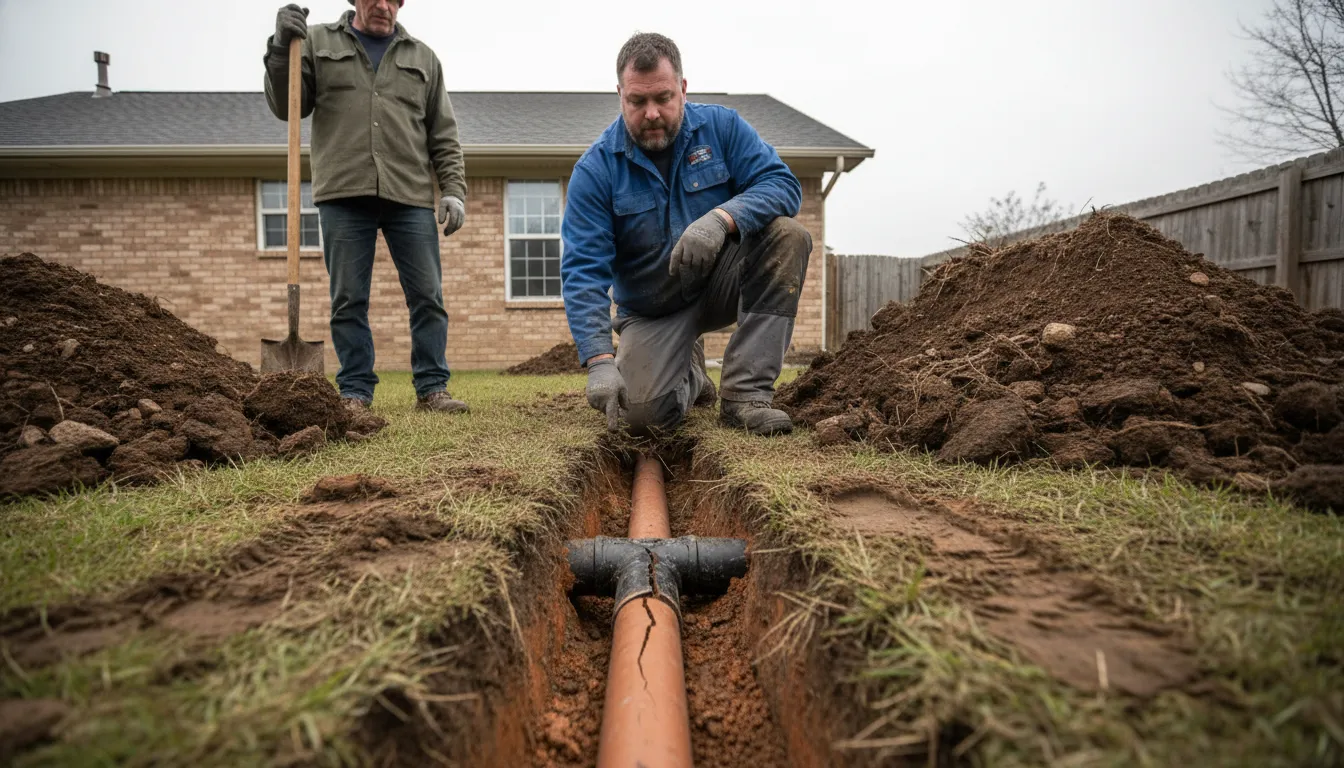
A damaged sewer line is a serious issue that can disrupt your home and lead to costly property damage. Sewer line repair involves diagnosing and fixing the underground pipe that carries wastewater from your home to the municipal main. This guide explains the common causes of sewer problems in Broomfield, compares modern and traditional repair methods, and provides insights to help you make an informed decision when you need to connect with a local specialist.
High 5 Plumbing, Heating, Cooling & Electric
15710 W Colfax Ave, Golden, CO 80401
High 5 Plumbing, Heating, Cooling & Electric is a full-service plumbing company serving Denver, CO. They provide a wide range of plumbing services including water heater installation and repair, drain cleaning, sewer line repair, leak detection, and gas line installation. The company uses advanced video technology for sewer camera inspections and offers trenchless sewer repair to minimize excavation. They also specialize in hydro jetting to clear blocked drains efficiently. High 5 Plumbing is licensed for gas plumbing and installs energy-efficient tankless water heaters. The company has received recognition such as the Angi Super Service Award and a BBB Torch Award for Ethics. They provide 24/7 emergency response for urgent plumbing needs.
Big Apple Plumbing LLC - Broomfield, CO
1022 Depot Hill Rd Unit 10, Broomfield, CO 80020
Big Apple Plumbing LLC - Broomfield, CO provides a wide range of plumbing services in Denver, CO, including drain cleaning, sewer line repair, water heater installation and repair (tank and tankless), leak detection, gas line installation, sump pump repair, and repiping. The company serves both residential and commercial clients, handling routine maintenance, emergency repairs, and new installations with licensed plumbers. They specialize in sewer line services and offer 24/7 emergency plumbing solutions to address urgent issues like burst pipes and leaks. Big Apple Plumbing is locally owned and operated, with a focus on safety and code compliance. Their team is experienced in gas line installations and water heater replacements, ensuring efficient and reliable service. The company is known for upfront pricing, timely arrivals, and clear communication, serving Broomfield and surrounding areas including Anthem, The Broadlands, and Interlocken/FlatIron Crossing.
Midwest Plumbing Co. LLC
8360 Auburn Ln, Westminster, CO 80031
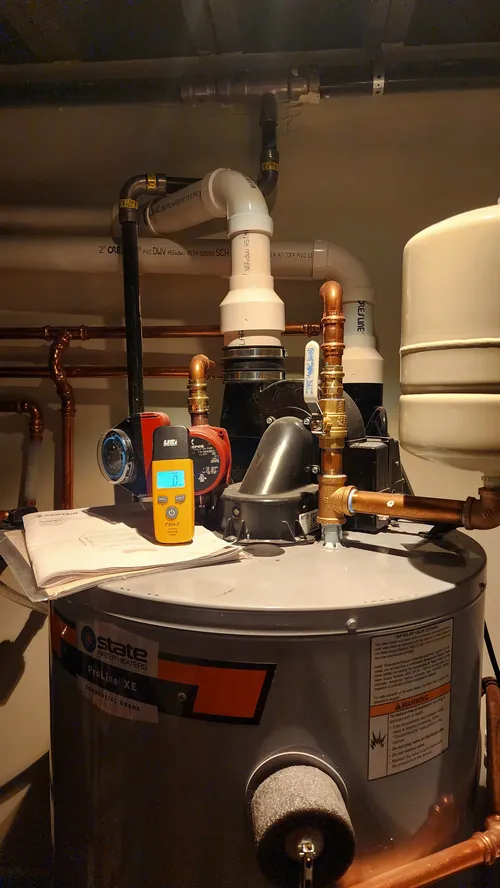
Midwest Plumbing Co. LLC is a plumbing service provider based in Denver, CO, offering a wide range of plumbing solutions. Their services include water heater repair and installation, sump pump repair, sewer line repair with trenchless technology, leak detection, repiping, gas line installation, toilet and garbage disposal repair, and more. The company uses advanced equipment and techniques to address both simple and complex plumbing issues, aiming to provide long-term solutions. They serve residential customers and emphasize careful, tailored service for each home. Midwest Plumbing Co. LLC offers 24/7 emergency plumbing services to assist customers whenever needed.
303 Drain Now
311 Mesa Ave, Lochbuie, CO 80603
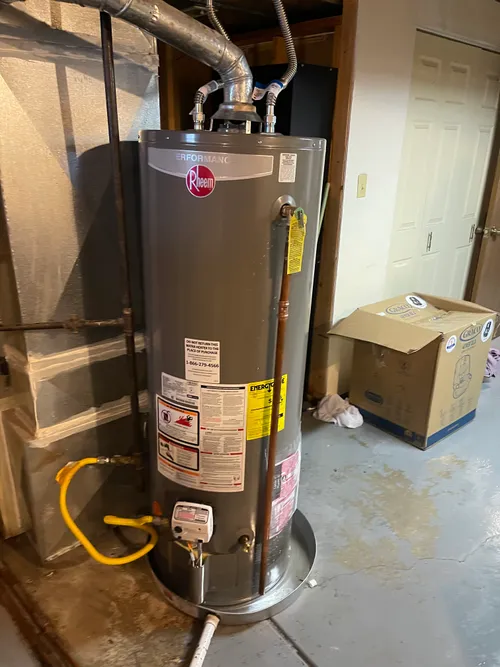
303 Drain Now is a family-owned plumbing business serving Denver, CO, with over 25 years of experience. They provide a wide range of plumbing services including sewer camera inspections, water heater installation and repair, drain cleaning, sewer line repair, leak detection, and toilet repairs. The company offers specialized capabilities such as advanced drain and sewer cleaning equipment to handle clogs and main line repairs efficiently. Founded and operated by Master Plumber Harold Watts, 303 Drain Now also supports property managers with maintenance programs designed to minimize downtime and costly repairs. Their team is available 24/7 for emergency plumbing needs.
Cap Hill Plumbing
1770 E Colfax Ave unit A, Denver, CO 80218
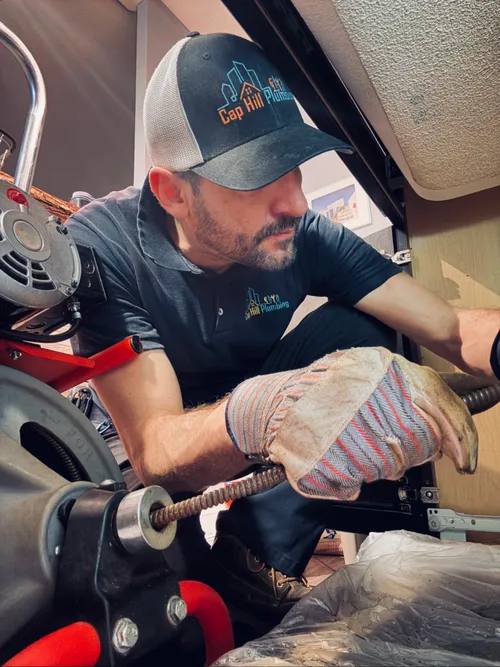
Cap Hill Plumbing is a licensed and insured plumbing service based in Denver, CO. They specialize in a wide range of plumbing services including sewer camera inspections, water heater repair and installation (both tank and tankless), drain cleaning, leak detection, sump pump repair, gas line installation, and sewer line repair. Serving Denver and the surrounding metro area, they are familiar with the unique plumbing challenges of older homes and local conditions. Their team uses camera inspections to diagnose sewer issues accurately and offers same-day repairs for many services. Cap Hill Plumbing provides upfront pricing and stands behind their work with warranties.
Understanding Your Sewer Line System
Your home's sewer lateral is a critical but hidden component. It's the private pipe that runs underground from your home's foundation, typically beneath your yard, driveway, or landscaping, to the public sewer main at the street. When this line fails, wastewater can back up into your home or seep into the surrounding soil, creating health hazards and property damage. The first step in addressing any issue is a professional diagnosis, which almost always begins with a specialized camera inspection to pinpoint the exact problem and location.
Common Causes of Sewer Line Failure in Broomfield
Several factors specific to the Colorado climate and aging infrastructure can lead to sewer line problems. Recognizing these causes can help you identify early warning signs.
- Tree Root Intrusion: This is a leading cause of blockages and damage. Roots from trees and shrubs are naturally drawn to the moisture and nutrients in sewer pipes. They can infiltrate through tiny cracks or pipe joints, eventually growing and creating a dense mass that blocks flow or cracks the pipe itself.
- Aging and Corroded Pipes: Many older homes in the area have sewer lines made of cast iron or clay tile. Over decades, these materials can corrode, crack, or collapse. Cast iron rusts from the inside out, while clay tiles can be broken by shifting soil or root pressure 1.
- Ground Shifting and Settlement: Colorado's freeze-thaw cycles and expansive soils can cause the ground to move. This movement puts stress on sewer pipes, potentially leading to misaligned joints, cracks, or even complete breaks in the line 2.
- Grease and Foreign Object Blockages: While not always a structural failure, persistent blockages from grease buildup, flushed wipes, or other objects can indicate damaged pipes with rough interiors that catch debris, or they can create pressure that exacerbates existing weaknesses 3.
Diagnostic Tools: The Sewer Camera Inspection
Before any repair strategy is chosen, a sewer camera inspection is essential. A technician feeds a high-resolution, waterproof camera on a flexible rod into your sewer line. This allows them to see the interior condition in real-time, identifying the exact nature, location, and severity of the problem-whether it's a root mass, a crack, a belly (sagging section), or a collapsed pipe 4. This diagnostic step, typically costing between $100 and $250 in the Denver metro area, prevents guesswork and ensures the recommended solution is precisely targeted, potentially saving thousands of dollars on unnecessary excavation or an inappropriate repair method.
Repair Methodologies: Trenchless vs. Traditional Excavation
Once the problem is diagnosed, you and your specialist will discuss repair options. The two primary approaches are trenchless technology and traditional excavation, each with distinct advantages.
Trenchless Sewer Repair
Trenchless methods are designed to fix or replace the pipe with minimal disruption to your lawn, driveway, or landscaping. They generally involve digging only two small access pits: one at the beginning and one at the end of the damaged section.
- Pipe Lining (Cured-in-Place Pipe - CIPP): A flexible, resin-saturated tube is inserted into the old pipe and inflated. The resin cures in place, forming a hard, seamless "pipe within a pipe." This method seals cracks and holes, resists root intrusion, and effectively restores flow.
- Pipe Bursting: For pipes that are too damaged to line, a bursting head is pulled through the old pipe, simultaneously fracturing it outward and pulling a new, high-density polyethylene (HDPE) pipe into place behind it. This is a true replacement, not just a liner.
Pros of Trenchless: Significantly less invasive, preserving your property's hardscape and landscape. The process is usually faster than full excavation and often has a lower overall cost when factoring in the avoided restoration expenses (like repaving a driveway or re-sodding a yard). It can extend the life of your sewer line by decades. Cons of Trenchless: Requires highly skilled technicians and may not be suitable for pipes that have completely collapsed or have severe misalignments. The access points still require some digging, albeit much less.
Traditional Excavation (Open-Trench Repair)
This is the conventional method where a backhoe or other equipment digs a trench along the entire length of the damaged sewer line to expose it for direct access.
- Pros of Excavation: Provides the most direct visual and physical access to the pipe. It is often the only viable solution for severely collapsed pipes, complex repairs involving multiple failures, or situations where the pipe must be re-graded. It allows for a complete replacement with new PVC or other modern piping.
- Cons of Excavation: Highly disruptive to your property. The trench can destroy lawns, gardens, patios, and driveways, leading to substantial additional costs and time for restoration. The process is also more labor-intensive and weather-dependent 5.
Find the perfect sewer line repair companies for your needs
Get personalized recommendations and expert advice
Cost Considerations for Sewer Line Repairs in Broomfield
Sewer line repair and replacement are significant investments, and costs in the Denver metro area can vary widely based on the method, extent of damage, depth of the pipe, and property access. It's crucial to get detailed, written estimates that include all aspects of the job.
- Camera Inspection: As noted, this diagnostic fee is usually between $100 and $250.
- Repair/Replacement by Linear Foot: A general range for labor and materials is $50 to $250+ per linear foot, with complexity driving the price higher 6.
- Trenchless Repair Projects: For a standard residential sewer lateral, trenchless lining or bursting projects often range from $4,000 to $12,000 or more. The cost depends on the length of pipe, the specific technology used, and the condition of the existing line 7 8.
- Traditional Excavation Projects: Open-trench replacement typically ranges from $5,000 to $13,000 or more. The final cost can increase significantly if the repair requires cutting through concrete, repairing extensive landscaping, or navigating complex underground utilities 9 10 11.
Key Takeaway: While the upfront price of trenchless methods can be comparable to excavation, the true value often lies in the avoided restoration costs. A trenchless repair might save you thousands in landscape and hardscape repair, making it a more cost-effective solution overall for eligible pipes 12.
Choosing the Right Solution for Your Home
The best repair method depends on the specific diagnosis from your camera inspection. A reputable specialist will review the video with you and explain all feasible options. They should consider:
- The material and condition of your existing pipe.
- The location and depth of the damage (e.g., under a mature tree vs. under a driveway).
- Your property layout and your tolerance for disruption.
- The long-term durability and warranty of the repair.
For many homes in Broomfield dealing with cracked, root-intruded, or corroded pipes, trenchless lining offers a durable, less-invasive solution 13. For a completely failed line, pipe bursting or traditional excavation may be necessary.
Frequently asked questions
Sources
Footnotes
-
Trenchless Sewer Repair Case Study - Caccia Home Services - https://cacciaplumbing.com/blog/trenchless-sewer-repair-case-study/ ↩
-
Broken Sewer Pipe Under House: Causes and Effective Solutions - https://www.benjaminfranklinplumbing.com/league-city/blog/2024/december/broken-sewer-pipe-under-house-causes-and-effective-solutions/ ↩
-
Common Sewer Line Problems and How to Address Them in Ventura - https://hansensplumbing.com/blog/common-sewer-line-problems/ ↩
-
No-Dig vs. Traditional Sewer Repair Costs - Thornton & Grooms - https://thorntonandgrooms.com/blog/no-dig-vs-traditional-sewer-repair-costs ↩
-
Sewer Pipe Lining vs Residential Excavation - 128 Plumbing - https://www.128plumbing.com/sewer-pipe-lining-vs-residential-excavation/ ↩
-
Denver Sewer Repair - https://digitdenver.com/our-services/sewer-repair/ ↩
-
Sewer Line Repair in Denver, CO - Trenchless Pipe Relining - https://plumblineservices.com/plumbing/drain-cleaning/sewer-and-drain-repair ↩
-
Decoding Trenchless Sewer Repair Costs - Pipeliner Pros - https://pipelinerpros.com/trenchless-sewer-repair-cost/ ↩
-
Sewer Line Replacement Cost Denver - https://www.simplysewersdenver.com/how-much-does-a-sewer-replacement-cost/ ↩
-
Trenchless vs. Traditional Sewer Repair - https://sewerlinesonly.com/trenchless-vs-traditional-sewer-repair-which-is-more-cost-effective-for-lakewood-homeowners/ ↩
-
How Much Does Sewer Line Replacement Cost in Denver, CO? | Angi - https://www.angi.com/articles/how-much-does-sewer-line-replacement-or-repair-cost/co/denver ↩
-
Broomfield Sewer Line Repair, Replacement, & Installation - https://sewerlinesonly.com/broomfield/ ↩
-
No-Dig Repair for Broken Sewer Pipes & Cracked Sewer Lines - https://www.hksolutionsgroup.com/cmesewerrepair/about/resources/cracked-pipe-repair ↩