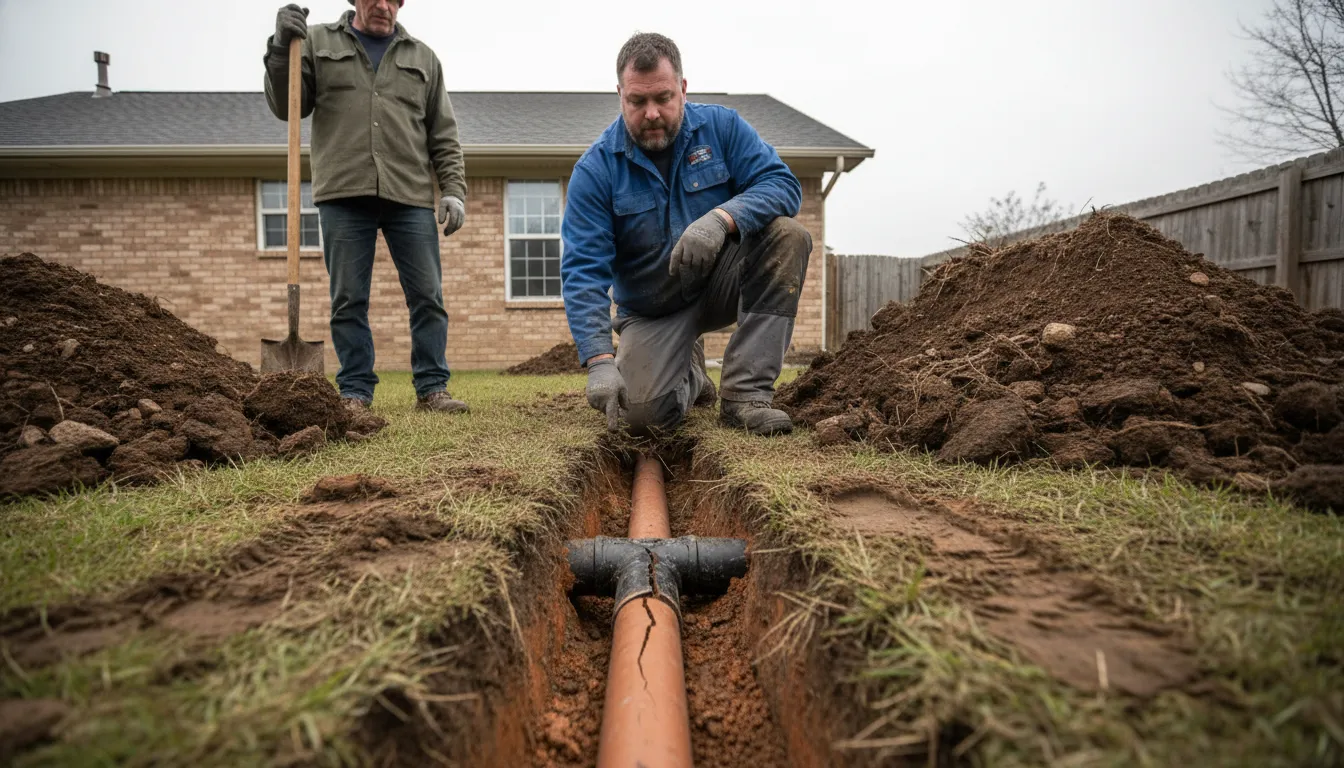
Find the Best Sewer Line Repair Companies for Your Business
No obligation • Fast responses • Nationwide coverage

Why you can trust Search a Plumber
Search a Plumber is a leading United States resource for finding and evaluating professional plumbing services. Our team researches licensing, experience, and customer feedback to create unbiased, fact-driven overviews. Companies cannot pay to change ratings or placement, ensuring homeowners get trustworthy information.
Search providers near you
Top Sewer Line Repair Companies in Temecula, California Ranked
A failing sewer line is a serious issue that can disrupt your home and lead to costly property damage. Sewer line repair involves fixing the underground pipe that carries wastewater from your home to the city's main sewer line. This guide explains the common problems, repair methods, and costs specific to Temecula, helping you make an informed decision when you need to connect with a qualified local professional.

Willis Brothers Plumbing And Restoration
1255 E Vista Way #277, Vista, CA 92084
Willis Brothers Plumbing And Restoration is a family-owned plumbing business serving San Diego, CA, and the North County San Diego area, including Vista and surrounding communities. With over 30 years of experience and a combined 51 years of professional expertise, they provide a wide range of plumbing services such as water heater installation and repair, leak detection, drain cleaning, hydro jetting, sewer line repair, and water softener installation. Their team is fully licensed, bonded, and insured, offering thorough inspections and long-lasting solutions. Willis Brothers Plumbing And Restoration also provides 24/7 emergency plumbing services every day except Sunday.
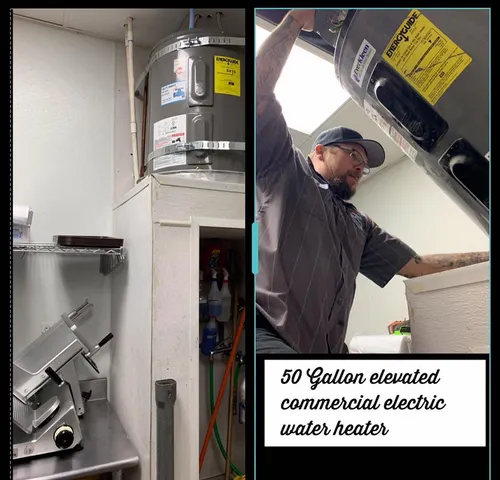
Bob The Plumber Inc
13545 Kelton Ct, Moreno Valley, CA 92555
Bob The Plumber Inc is a plumbing company serving Riverside, CA, and the surrounding Moreno Valley area. The business offers a wide range of plumbing services including water heater installation and repair, tankless water heater services, drain cleaning, hydro jetting, sewer line repair, leak detection, and repiping. They use electronic leak detection and line location technology and provide hydro jetting to clear stubborn clogs safely and effectively. Founded by a master plumber with decades of experience, the company emphasizes honesty, quality workmanship, and customer service.
California Plumbing
San Diego, CA
California Plumbing is a full-service plumbing company serving San Diego, CA, and surrounding communities. They offer a wide range of services including sewer camera inspections, water heater repair and installation, water softener installation, drain cleaning, hydro jetting, sewer line repair, trenchless sewer repair, leak detection, repiping, gas line installation, toilet and garbage disposal repair. With over 10 years of experience, they handle residential, commercial, and new construction plumbing projects. The company provides emergency plumbing services with after-hours availability to address urgent needs promptly.
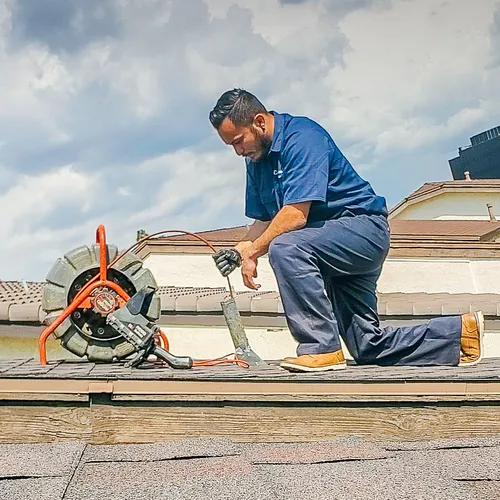
Champion Plumbing and Drain Specialist
Riverside, CA
Champion Plumbing and Drain Specialist provides a range of plumbing services in Riverside, CA, including sewer cleaning, drain hydro jetting, water heater installation, and leak detection. The company specializes in sewer and drain maintenance, using advanced tools like sewer cameras to diagnose and resolve issues effectively. Founded by Master Plumber Edwin Sanchez, Champion Plumbing has over 15 years of experience serving residential and commercial clients in the Inland Empire and surrounding areas. Their expertise includes gas, water, and sewer repairs, as well as repiping and tankless water heater installation.
LoMonaco Coast Plumbing & Pipelining
929 Calle Negocio Ste F, San Clemente, CA 92673
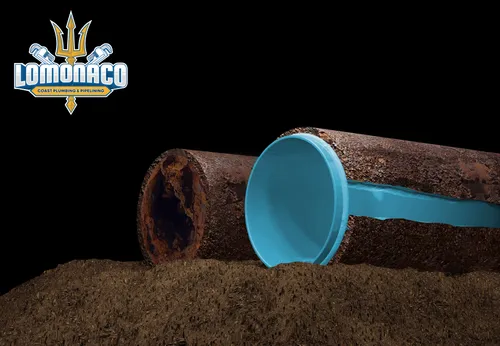
LoMonaco Coast Plumbing & Pipelining is a family-owned plumbing company serving Irvine, CA, and surrounding areas including San Clemente, Costa Mesa, and Lake Forest. They specialize in trenchless sewer repair using NuFlow technology, which restores pipes without excavation. Their services include sewer camera inspections, drain cleaning, leak detection, repiping, and sewer line repairs. With 12 years of experience, their licensed and insured technicians focus on providing long-lasting plumbing solutions. The company is locally owned and accredited by the Better Business Bureau.
Understanding Your Sewer Line System in Temecula
Your home's main sewer drain line is a critical, yet out-of-sight, component of your plumbing. It runs underground from your home's foundation to a connection point at the street, often passing beneath yards, driveways, or patios. In Temecula, several local factors make these lines particularly susceptible to problems. The region's clay soils can expand and contract with moisture, putting stress on pipes. Furthermore, California's seismic activity can cause ground shifts that lead to cracks or misalignments. Many older homes in the area still have original sewer pipes made of cast iron or clay, materials that are prone to corrosion and root intrusion over time. Understanding these local challenges is the first step in diagnosing and addressing sewer line issues.
Common Causes of Sewer Line Failure
Knowing what causes sewer pipes to fail can help you identify early warning signs. The most frequent culprits in Temecula include:
- Tree Root Intrusion: This is a leading cause of blockages and damage. Roots seek out moisture and nutrients, easily infiltrating small cracks or joints in older clay or cast iron pipes. Once inside, they expand, causing clogs, cracks, and eventually complete collapse.
- Aging and Corroding Materials: Many homes built decades ago used cast iron or vitrified clay pipes. Cast iron corrodes from the inside out, thinning the pipe wall. Clay pipes, while durable, are brittle and can crack from soil pressure or shifting ground.
- Ground Movement: Southern California's clay soil and potential for minor seismic shifts can cause the ground to settle or move. This movement puts immense pressure on sewer lines, leading to cracks, bellied sections (where a low spot collects waste), or separated joints.
- General Wear and Tear: Over decades, constant use, ground pressure, and the chemical composition of wastewater gradually degrade any pipe material.
Diagnostic Step: The Essential Video Inspection
Before any repair can be planned, an accurate diagnosis is crucial. A professional sewer camera inspection is the industry standard for this. A plumber will feed a flexible, waterproof camera down a cleanout access point, sending a live video feed to a monitor. This allows them to:
- Pinpoint the exact location and depth of the problem.
- Identify the cause (roots, crack, collapse, misalignment).
- Assess the condition of the entire pipe run.
- Determine the pipe material (PVC, cast iron, clay).
This inspection is a critical investment, as it prevents unnecessary excavation and ensures the recommended repair method is the most appropriate and cost-effective solution for your specific situation.
Repair Method 1: Trenchless Sewer Repair
Trenchless sewer line repair has revolutionized the industry by offering solutions that minimize disruption to your property. These methods are often suitable for pipes that are damaged but not completely collapsed.
Pipe Lining (Cured-in-Place Pipe or CIPP)
This process involves inserting a flexible, resin-saturated tube liner into the damaged pipe. The liner is then inflated, pressing against the host pipe's walls, and cured using heat or UV light. The result is a seamless, jointless "pipe within a pipe" that is highly durable and resistant to roots and corrosion.
- Pros: Extremely minimal digging (only at access points), preserves landscaping, driveways, and hardscapes, typically completed in one day, and creates a structurally improved pipe.
- Cons: Requires a clear path through the old pipe, may not be suitable for severely misaligned or collapsed sections, and the cured liner slightly reduces the internal pipe diameter.
Pipe Bursting
This method is used for sewer line replacement when the old pipe is too damaged for lining. A conical bursting head is pulled through the old pipe, fracturing it outward while simultaneously pulling a new, high-density polyethylene (HDPE) pipe into place behind it.
- Pros: Installs a brand-new, full-sized pipe, still requires only small access pits (no trench), and is effective for replacing old clay or cast iron pipes.
- Cons: Requires slightly more excavation than lining at the entry and exit points, and needs enough space to pull the new pipe through.
Find the perfect sewer line repair companies for your needs
Get personalized recommendations and expert advice
Repair Method 2: Traditional Excavation Repair
Sometimes referred to as "dig and replace," traditional sewer line excavation is the conventional method. It involves using a backhoe or other equipment to dig a trench along the entire length of the damaged pipe, exposing it for section repair or full replacement 1 2.
- Pros: It is a universal solution that can address any problem, including total collapses, severe misalignments, or failed previous repairs. It allows for a direct visual inspection of the entire pipe and surrounding soil.
- Cons: This method is highly disruptive, destroying lawns, gardens, driveways, patios, and other landscaping. The project timeline is longer (often days to weeks), and it incurs significant additional costs for restoring the excavated areas (sod, concrete, pavers, etc.) 3 4.
Comparing Costs: Trenchless vs. Traditional in Temecula
Costs for underground sewer repair in Temecula vary widely based on the method, extent of damage, pipe material, depth, and access. Here is a general cost comparison to provide a framework 5:
- Minor Repair/Clog Clearing: For simple clogs or very minor fixes, costs can range from $100 to $500.
- Traditional Excavation (Section Repair or Full Replacement): This is typically priced per linear foot. Digging and replacing a section can cost between $1,000 and $4,000+, with full traditional replacement averaging around $78 per foot (with a common range of $68-$87/ft) 6. Crucially, this does not include the often substantial cost of restoring your landscaping, concrete, or other surfaces.
- Trenchless Repair (Lining or Bursting): These methods are also often priced per foot. Pipe lining typically ranges from $55 to $250 per foot 7 8. For a common 20-foot section, trenchless repairs often fall between $1,100 and $5,000 9. A full trenchless sewer replacement project, including necessary restoration, generally ranges from $3,000 to $10,000 10.
While trenchless methods can have a higher upfront cost per foot for the repair itself, they frequently become more economical when the significant savings on property restoration are factored in.
Making the Right Choice for Your Home
Choosing between trenchless and traditional methods depends on your specific diagnosis and property. Trenchless technologies are excellent for preserving your property and offer a faster turnaround, making them a preferred choice when feasible 11. However, traditional excavation remains the necessary and only effective option for the most severe cases of damage.
The most important step you can take is to get a professional video inspection and then obtain multiple detailed quotes from reputable, licensed plumbing contractors in Temecula. Each quote should clearly outline the proposed method (including why it's recommended), a line-item cost breakdown, and the timeline. Comparing these quotes will give you the clearest picture of the best path forward for your drain line repair needs 12 13.
Frequently asked questions
Sources
Footnotes
-
Trenchless vs. Traditional Sewer Repair - https://sewerlinesonly.com/trenchless-vs-traditional-sewer-repair-which-is-more-cost-effective-for-lakewood-homeowners/ ↩
-
Trenchless Sewer Repair vs. Traditional Excavation - AQUALIS - https://aqualisco.com/trenchless-sewer-repair-vs-traditional/ ↩
-
Trenchless Sewer Repair: Lower Cost, Lower Impact Sewer Repair - https://www.sewerflowllc.com/2025/03/06/trenchless-sewer-repair-lower-cost-lower-impact-sewer-repair/ ↩
-
Trenchless Sewer Repair vs. Traditional Excavation: Which is Better? - https://alphaenvironmental.net/blog/trenchless-sewer-repair-vs-traditional-excavation-which-is-better/ ↩
-
Cost Comparison: Trenchless vs. Traditional Sewer Line Repair - https://www.advancedtrenchlesssolutions.com/blog/cost-comparison-trenchless-vs-traditional-sewer-line-repair ↩
-
What is the Cost of a Sewer Line Replacement in Southern California? - https://www.burgesons.com/blog/what-is-the-cost-of-a-sewer-line-replacement-in-southern-california ↩
-
Is Trenchless Sewer Line Repair Cheaper? - AP Plumbing - https://applumbing.com/blog/is-trenchless-sewer-line-repair-cheaper/ ↩
-
Temecula Plumbing Service Costs & Prices - ProMatcher Cost Report - https://plumbers.promatcher.com/cost/temecula-ca-plumbers-costs-prices.aspx ↩
-
Empower Your Decision: Decoding Trenchless Sewer Repair Costs - Pipeliner Pros - https://pipelinerpros.com/trenchless-sewer-repair-cost/ ↩
-
Sewer Line Replacement vs Repair: A Cost-Benefit Analysis ... - https://www.alpineplumbingandair.com/sewer-line-replacement-vs-repair-a-cost-benefit-analysis-for-california-homes/ ↩
-
Trenchless Sewer Line Repair in Temecula, CA. - MVP Plumbers - https://plumbermurrieta.plumbing/temecula-plumber/trenchless-sewer-line-repair-services-in-temecula-ca-mvp-plumbers/ ↩
-
Cost To Repair Sewer Line: 2023 Options & Affordable Services - https://www.superbrothers.com/cost-to-repair-sewer-line-2023-options-affordable-services/ ↩
-
Sewer Repair Options: Trenchless vs. Traditional Methods | TYCO - https://tycoplumbingco.com/sewer-repair-options-trenchless-vs-traditional-methods/ ↩