Find the Best Sewer Line Repair Companies for Your Business
No obligation • Fast responses • Nationwide coverage

Why you can trust Search a Plumber
Search a Plumber is a leading United States resource for finding and evaluating professional plumbing services. Our team researches licensing, experience, and customer feedback to create unbiased, fact-driven overviews. Companies cannot pay to change ratings or placement, ensuring homeowners get trustworthy information.
Search providers near you
Top Sewer Line Repair Companies in Rialto, California Ranked
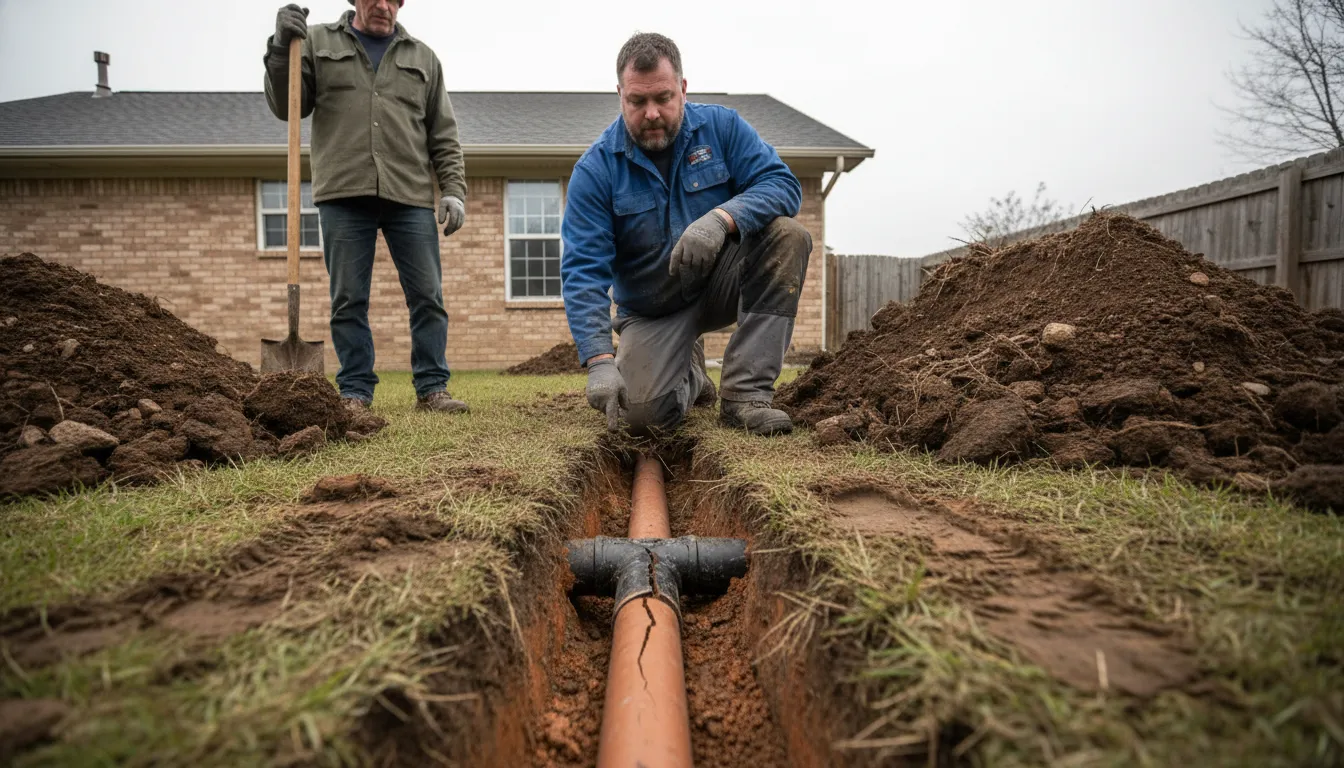
A damaged sewer line is a serious issue that can disrupt your home, pose health risks, and lead to costly property damage. Sewer line repair involves diagnosing and fixing the underground pipe that carries all your home's wastewater to the city main. In Rialto, understanding your repair options is crucial, as local soil conditions and common causes of failure can significantly impact the best solution. This guide provides the information you need to navigate sewer line issues, from recognizing the signs of a problem to evaluating modern repair methods, so you can make an informed decision when seeking a qualified professional.
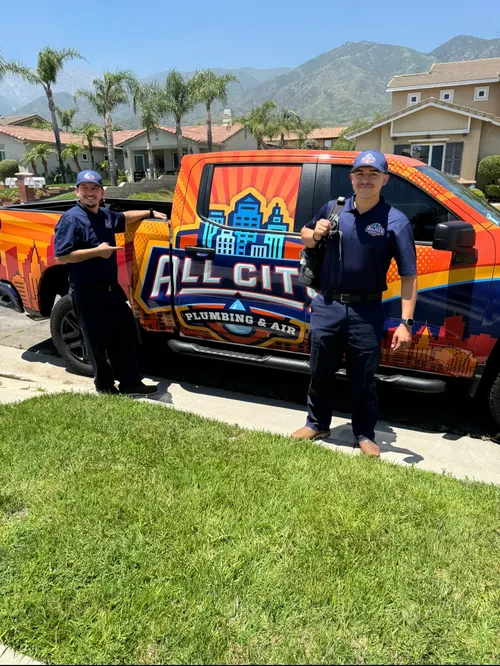
All City Plumbing, Air & Electrical
5612 E La Palma Ave, Anaheim, CA 92807
All City Plumbing, Air & Electrical is a full-service plumbing, HVAC, and electrical provider located in Anaheim, CA. They offer a wide range of services including water heater repair and installation, drain cleaning, hydro jetting, sewer line repair, leak detection, repiping, and toilet repair. Their team is licensed, bonded, and insured, with technicians who are ACE Certified and available 24/7 for emergency plumbing and HVAC needs. With over 13 years of experience serving Anaheim and surrounding areas, they use advanced technology to ensure efficient and reliable service.
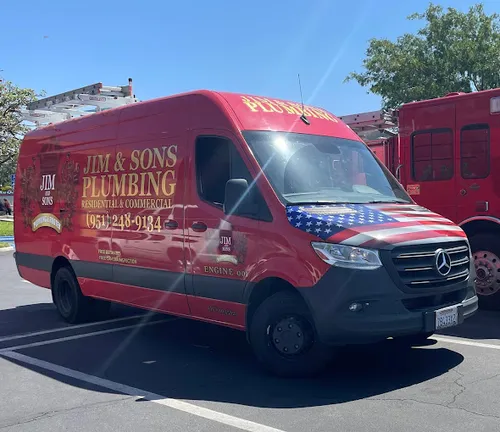
Jim & Sons Plumbing & Rooter
9345 Narnia Dr, Riverside, CA 92503
Jim & Sons Plumbing & Rooter is a family-owned plumbing company serving Riverside, CA, and the surrounding Inland Empire region. Since 1983, they have provided residential and commercial plumbing services including water heater repair and installation, drain cleaning, sewer line repair, leak detection, repiping, gas line installation, and garbage disposal repair. They specialize in trenchless sewer repair techniques such as pipe bursting and cured-in-place lining, which allow sewer line renewal without excavation, preserving landscaping and minimizing environmental impact. The company offers same-day service and is fully licensed and insured.
Plumbing Matters Rooter & Plumbing Services Incorporated
17285 Ridge Canyon Dr, Riverside, CA 92506
Plumbing Matters Rooter & Plumbing Services Incorporated is a family-owned plumbing company serving Riverside, CA, and the Inland Empire. They offer a range of services including sewer camera inspections, water heater repair and installation, drain cleaning, sewer line repair, leak detection, and toilet repair. The company uses advanced technology for leak detection and provides fully licensed and insured plumbing services. With over seven years of experience, they focus on personalized solutions and maintain open communication with customers. Plumbing Matters is available 24/7 for emergency plumbing needs.
Elite Plumbing & Drains LLC
1440 3rd St Unit 20, Riverside, CA 92507
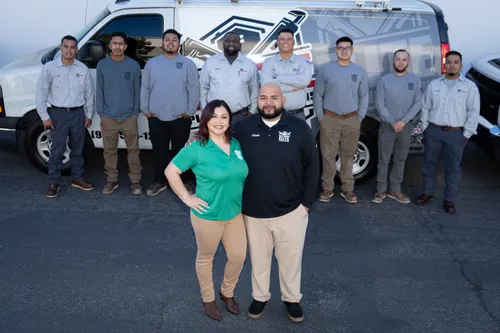
Elite Plumbing & Drains LLC is a plumbing company based in Riverside, CA, offering a range of services including sewer camera inspections, drain cleaning, sewer line repair, and trenchless sewer repair. They serve both residential and commercial customers in the Riverside area. The company uses advanced technology and trenchless methods to provide efficient, no-dig solutions for sewer and drain problems. Elite Plumbing & Drains LLC is available 24/7 for emergency services and provides a workmanship guarantee for their work.
Lincoln Plumbing & Rooter, INC
738 S Waterman Ave c45, San Bernardino, CA 92408
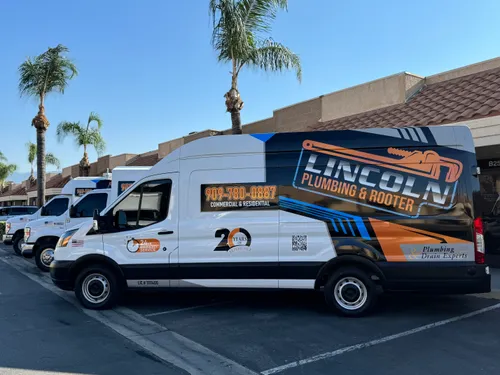
Lincoln Plumbing & Rooter, INC provides plumbing services in Riverside, CA, serving both residential and commercial clients. Their offerings include drain cleaning, sewer line repair, leak detection, and toilet repair. The company specializes in sewer line repair and uses advanced leak detection techniques to identify hidden issues. With years of experience, Lincoln Plumbing & Rooter is committed to maintaining efficient plumbing systems and preventing future problems through comprehensive maintenance and repairs.
Recognizing the Signs of a Sewer Line Problem
Catching a sewer line issue early can save you from extensive damage and more expensive repairs. Be alert for these common warning signs:
- Multiple Drain Clogs: If more than one fixture (like a toilet, shower, and sink) are backing up or draining slowly simultaneously, the problem is likely in the main line, not an individual branch.
- Sewage Odors: Foul smells from your drains or in your yard, especially near the cleanout or sewer line path, are a strong indicator of a break or crack.
- Unusual Lawn Conditions: Soggy patches, indentations, or areas of unusually lush and fast-growing grass in your yard can signal a leaking sewer line underground.
- Gurgling Sounds: Hearing gurgling from your toilets or drains when using other plumbing fixtures often points to a blockage or venting issue in the main line.
- Foundation Cracks or Settlement: In severe cases, leaking water from a broken sewer line can saturate the soil under your foundation, leading to shifting or cracks.
Common Causes of Sewer Line Failure in Rialto
Several factors specific to the Rialto area contribute to sewer line deterioration and failure. Knowing the cause helps in diagnosing the problem and choosing the right fix.
Tree Root Intrusion
This is one of the most prevalent issues in Southern California. Tree roots are naturally drawn to the moisture and nutrients inside sewer pipes. They can infiltrate through tiny cracks or pipe joints, eventually creating a dense mass that causes complete blockages or breaks the pipe apart.
Aging and Corroding Pipes
Many older homes in Rialto have sewer lines made of clay tile or cast iron. Clay pipes are brittle and prone to cracking from soil movement, while cast iron corrodes and rusts over decades, leading to weak spots, offsets, and eventual collapse.
Soil Shifting and Settlement
The soil in our region can expand when wet and contract when dry. This constant movement puts stress on underground pipes, potentially causing them to crack, break, or become misaligned (a condition known as a "belly" where the pipe sags and collects waste) 1.
Grease and Debris Buildup
Pouring fats, oils, and grease (FOG) down the drain is a major culprit. These substances solidify inside pipes, narrowing the passage and catching other debris, which leads to stubborn blockages over time 2.
How Sewer Lines Are Diagnosed: The Camera Inspection
Before any repair can be planned, a professional must accurately diagnose the problem. The industry standard is a sewer camera inspection. A flexible, waterproof camera is fed through the cleanout or a drain, sending real-time video to a monitor. This allows the technician to:
- Pinpoint the exact location and depth of the problem.
- Identify the cause (roots, break, offset, etc.).
- Assess the overall condition of the pipe.
- Determine the most effective and cost-efficient repair method.
A thorough camera inspection is an essential first step that prevents guesswork and ensures the right solution is chosen for your specific situation.
Your Repair Options: Trenchless vs. Traditional Excavation
Once diagnosed, you will typically have two primary repair paths: modern trenchless methods or traditional excavation. The choice depends on the damage's severity, your pipe's material, and your property's layout.
Trenchless Sewer Repair
Trenchless technology allows for sewer line rehabilitation or replacement with minimal digging. It is often the preferred choice in Rialto for its balance of effectiveness and reduced disruption.
How It Works: Technicians dig two small access pits-one at the start and one at the end of the damaged section. All work is done from these pits.
- Pipe Lining (Cured-in-Place Pipe - CIPP): A flexible, resin-saturated tube is inverted or pulled into the old pipe. It is then inflated and cured with heat or UV light, forming a hard, seamless "pipe within a pipe." This method seals cracks and holes and resists root intrusion.
- Pipe Bursting: For pipes that are too damaged to line, a bursting head is pulled through the old pipe, fracturing it outward while simultaneously pulling a new, high-density polyethylene (HDPE) pipe into place 3.
Pros of Trenchless:
- Minimal Disruption: Avoids tearing up yards, driveways, sidewalks, and landscaping.
- Faster Completion: Most projects can be completed in one to two days.
- Often More Cost-Effective: While material costs can be higher, you save thousands on labor and, crucially, on landscape and hardscape restoration 4.
- Durable Result: The new liner or pipe is typically resistant to roots and corrosion, offering a long-lasting solution.
Cons of Trenchless:
- Not for All Scenarios: It may not be suitable for pipes that have completely collapsed, have severe misalignment, or are located directly under a building's foundation without access 5.
- Requires Specialized Equipment and Training: Not all plumbing companies offer these services.
Traditional Excavation (Open-Trench Repair)
This is the conventional method, involving digging a long, deep trench along the entire length of the damaged sewer line to expose it for repair or replacement.
How It Works: Heavy equipment or manual labor is used to excavate the pipe. The damaged section is cut out and replaced with new PVC pipe, the trench is backfilled, and then significant restoration work begins.
Pros of Traditional Excavation:
- Comprehensive Solution: It allows for a full visual inspection and replacement of the entire line or any section.
- Handles Severe Damage: It is the only option for pipes that have fully collapsed or are in such poor condition they cannot host a liner or be burst 6.
Cons of Traditional Excavation:
- Highly Disruptive: Your yard, driveway, or landscaping will be torn up.
- Lengthy Process: The digging, repair, and especially the restoration phase can take much longer.
- Higher Overall Cost: The repair itself may have a lower material cost, but the expense of labor for digging and, most significantly, the cost to restore your property (new sod, concrete, pavers, etc.) can be substantial, often making the total project more expensive than trenchless 7.
Find the perfect sewer line repair companies for your needs
Get personalized recommendations and expert advice
Understanding Cost Factors for Sewer Repair in Rialto
Sewer line repair is a significant investment, and costs in Rialto can vary widely based on several key factors:
- Repair Method: Trenchless repairs typically range from $4,000 to $13,000+, while traditional excavation can range from $6,000 to $20,000+, with the high end reflecting extensive restoration work 8 9 10.
- Length and Depth of Pipe: Costs are often calculated per linear foot. Trenchless can range from $60 to $250 per foot, while traditional digging ranges from $50 to $450+ per foot, not including restoration 11 12.
- Location and Access: Pipes running under driveways, sidewalks, or mature landscaping are more expensive to repair via excavation due to restoration costs. Trenchless methods excel here by avoiding these surfaces.
- Extent of Damage: A simple root cleaning and spot repair costs far less than a full line replacement due to a collapse.
- Permits: The city of Rialto requires permits for sewer line repairs, which add to the project cost and timeline.
Key Takeaway: For many homes in Rialto with common issues like root intrusion or cracking, trenchless repair offers a faster, less disruptive, and often more economical solution when considering the total project impact 13 14. Always get a detailed, written estimate that includes diagnosis, repair method, permits, and restoration.
Preparing for a Sewer Line Repair Project
If you need to move forward with a repair, here's how to prepare:
- Get Multiple Estimates: Obtain at least three detailed quotes from licensed, insured, and well-reviewed local professionals. Ensure each quote is based on a camera inspection.
- Verify Credentials: Confirm the contractor holds a valid California C-36 Plumbing license and carries both liability and workers' compensation insurance.
- Understand the Plan: Ask the contractor to walk you through their proposed method, the project timeline, and exactly what restoration work is included.
- Secure Permits: A reputable contractor will handle pulling all necessary permits from the City of Rialto, which is required by law for this work.
- Clear the Work Area: Move vehicles, patio furniture, and any other belongings from the access path to the sewer line.
Frequently asked questions
Sources
Footnotes
-
TRENCHLESS vs. TRADITIONAL SEWER REPAIR: cost & time ... - https://epoxypipeline.com/blog/trenchless-vs-traditional-sewer-repair-comparison/ ↩
-
Top Causes of Sewer Line Problems and Sewer Line Repair in Santa Rosa, CA - https://bfplumbingbayarea.com/blog/top-causes-of-sewer-line-problems-and-sewer-line-repair-in-santa-rosa-ca/ ↩
-
Trenchless Sewer Repair: Lower Cost, Lower Impact Sewer Repair - https://www.sewerflowllc.com/2025/03/06/trenchless-sewer-repair-lower-cost-lower-impact-sewer-repair/ ↩
-
Cost Comparison: Trenchless vs. Traditional Sewer Line Repair - https://www.advancedtrenchlesssolutions.com/blog/cost-comparison-trenchless-vs-traditional-sewer-line-repair ↩
-
Trenchless Sewer Repair vs. Traditional Excavation: Which is Better? - https://alphaenvironmental.net/blog/trenchless-sewer-repair-vs-traditional-excavation-which-is-better/ ↩
-
Trenchless Sewer Repair vs Traditional Plumbing Repair - https://www.carinihome.com/trenchless-sewer-repair-vs-traditional-plumbing-repair/ ↩
-
The Cost of Sewer Line Replacement: What to Expect - https://dirtcheapsewer.com/the-cost-of-sewer-line-replacement/ ↩
-
Trenchless Sewer Repair vs. Traditional Methods in the Bay ... - https://total-uc.com/trenchless-vs-traditional-sewer-repair/ ↩
-
Trenchless vs. Traditional Sewer Repair - https://sewerlinesonly.com/trenchless-vs-traditional-sewer-repair-which-is-more-cost-effective-for-lakewood-homeowners/ ↩
-
Is Trenchless Sewer Line Repair Cheaper? - AP Plumbing - https://applumbing.com/blog/is-trenchless-sewer-line-repair-cheaper/ ↩
-
Spray-in-Place versus Cured-In-Place Pipe Lining: The Complete Guide for Plumbing Contractors Looking for Trenchless Pipe Repair Solutions - T3 Lining Supply - https://www.t3liningsupply.com/blog/cured-in-place-versus-spray-in-place-pipe-lining-which-is-best-for-your-business ↩
-
Expert Sewer Line Replacement. Worry-Free Solutions - https://excavationchanthier.ca/en/excavation/sewer-line-replacement/ ↩
-
Sewer Repair Options: Trenchless vs. Traditional Methods | TYCO - https://tycoplumbingco.com/sewer-repair-options-trenchless-vs-traditional-methods/ ↩
-
Trenchless Sewer Line Repair vs Traditional: Which Is Better - https://cactusplumbingandair.com/trenchless-sewer-line-repair-vs-traditional/ ↩