Find the Best Sewer Line Repair Companies for Your Business
No obligation • Fast responses • Nationwide coverage

Why you can trust Search a Plumber
Search a Plumber is a leading United States resource for finding and evaluating professional plumbing services. Our team researches licensing, experience, and customer feedback to create unbiased, fact-driven overviews. Companies cannot pay to change ratings or placement, ensuring homeowners get trustworthy information.
Search providers near you
Top Sewer Line Repair Companies in Lancaster, California Ranked
A damaged sewer line is a serious issue that can disrupt your home and pose health risks. Sewer line repair involves fixing the underground pipe that carries wastewater from your home to the city's main sewer system. When this critical line fails, it requires prompt, professional attention to prevent backups, property damage, and costly complications. This guide explains the common causes of sewer line problems in Lancaster, details the repair methods available, and provides the information you need to connect with qualified local specialists who can assess and resolve your issue efficiently.

Sewer Inspection Pros
Santa Clarita, CA
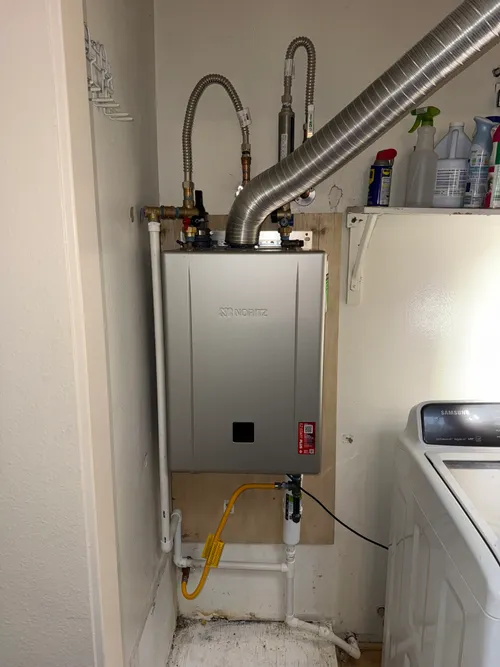
Sewer Inspection Pros is a plumbing company serving Santa Clarita, CA, with over 12 years of experience. They provide a wide range of services including sewer camera inspections, water heater repair and installation, drain cleaning, leak detection, trenchless sewer repair, and gas line installation. Their trenchless sewer repair minimizes yard disruption, and they also install energy-efficient tankless water heaters. Established in 2012, Sewer Inspection Pros offers 24/7 emergency plumbing services to address urgent needs at any time.
Turbo Plumbing and Rooter
Santa Clarita, CA
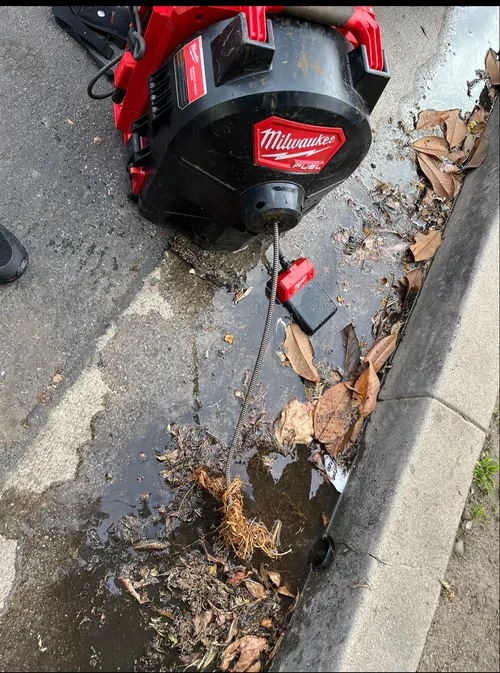
Turbo Plumbing and Rooter is a family-owned plumbing company serving Santa Clarita, CA, and the surrounding San Fernando Valley and Northern Los Angeles areas. They offer a range of plumbing services including water heater repair and installation, drain cleaning, hydro jetting, sewer line repair, leak detection, repiping, gas line installation, and water softener installation. The company is licensed and experienced in handling both residential and commercial plumbing projects, with capabilities such as slab leak repairs and major repiping work. Turbo Plumbing and Rooter provides same-day service for plumbing emergencies and emphasizes professional, thorough workmanship.
Amex Group
24658 Montevista Cir, Santa Clarita, CA 91354
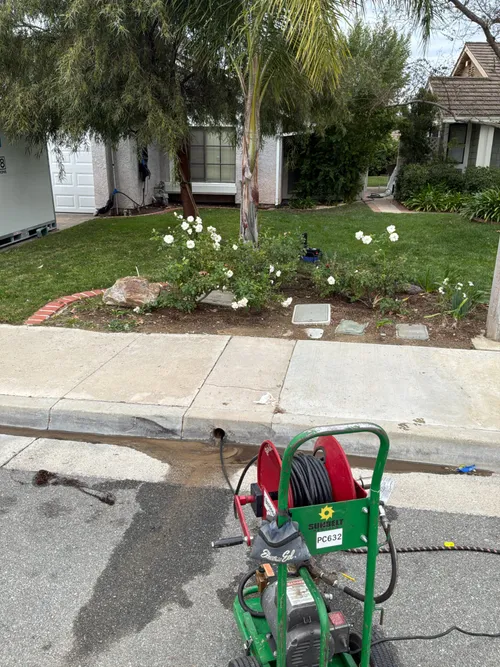
Amex Group is a locally owned plumbing company based in Santa Clarita, CA. They provide a range of plumbing services including water heater installation and repair, drain cleaning, sewer line repair, and repiping for both residential and commercial clients. Serving Santa Clarita and nearby communities such as Valencia, Newhall, Saugus, Canyon Country, and Stevenson Ranch, Amex Group focuses on quality workmanship and dependable service.
Benjamin Franklin Plumbing of Santa Clarita
26470 Ruether Ave # 109, Santa Clarita, CA 91350
Benjamin Franklin Plumbing of Santa Clarita provides plumbing services in Santa Clarita, CA. They specialize in water heater repair, tankless water heater installation, drain cleaning, sewer line repair, and leak detection. The company offers 24/7 emergency plumbing service to address urgent issues at any time. They also recommend routine maintenance such as annual water heater flushing and professional drain cleaning to help prevent common plumbing problems. Benjamin Franklin Plumbing can assist with plumbing upgrades to improve water efficiency and address issues common in older homes.
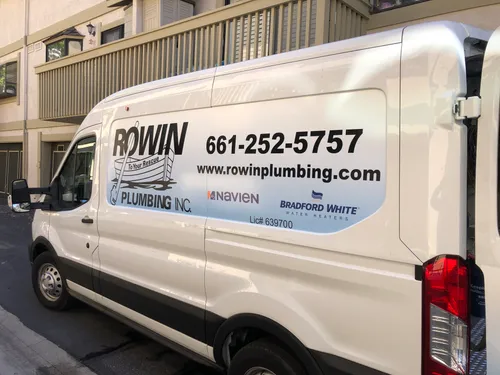
Rowin Plumbing Santa Clarita
31851 Windrush Rd, Santa Clarita, CA 91390
Rowin Plumbing Santa Clarita is a plumbing service provider based in Santa Clarita, CA. They specialize in sewer camera inspections, drain cleaning, and sewer line repairs. The company is known for identifying complex blockages such as tree root intrusions and offering practical solutions tailored to customer needs. While specific years in business are not stated, their approach emphasizes transparency and competitive pricing.
Understanding Your Sewer Line in Lancaster
Your home's sewer lateral is the private pipe that runs underground from your foundation to the public sewer main, typically located under the street. In Lancaster's high-desert environment, this pipe faces unique challenges. Common materials in older homes include cast iron and clay, which are particularly susceptible to the region's conditions. Knowing what can go wrong is the first step toward a solution.
Common Causes of Sewer Line Failure
Several factors specific to the Antelope Valley contribute to sewer line distress:
- Tree Root Intrusion: Despite the arid climate, mature trees in residential areas seek moisture. Roots are drawn to the small amounts of water and nutrients in sewer pipes, especially at pipe joints. They can invade, grow, and create severe blockages or even break the pipe apart.
- Pipe Corrosion and Deterioration: Aging cast iron pipes, common in mid-century homes, rust from the inside out. This corrosion weakens the pipe wall, leading to cracks, holes, and eventual collapse 1.
- Recurring Clogs and Buildup: While often seen as a drain issue, persistent clogs from grease, hair, soap scum, and non-flushable debris can indicate a problem deeper in the sewer line, where a partial collapse or belly (sag) in the pipe traps material.
- Soil and Seismic Shifts: Lancaster's soil contains expansive clay, which swells when wet and shrinks during droughts. This constant movement can stress and misalign pipes. Additionally, seismic activity in California can shift the ground, causing joints to separate or pipes to crack 2 3.
Diagnosing the Problem: The Critical First Step
Before any repair can be planned, a precise diagnosis is essential. Reputable professionals use a specialized sewer camera (CCTV inspection) to navigate the line. This provides a real-time video feed of the pipe's interior, revealing the exact location, nature, and severity of the problem-whether it's a root mass, a crack, a complete break, or a belly in the line. This inspection is non-invasive and is the only way to determine the most effective and cost-efficient repair strategy.
Repair Methods: Trenchless vs. Traditional Excavation
Once the issue is identified, your specialist will recommend one of two primary approaches. The right choice depends on the pipe's condition, location, and your property's layout.
Trenchless Sewer Repair
Trenchless technology has revolutionized sewer line repair by minimizing disruption to your yard, driveway, and landscaping. It involves creating one or two small access points rather than a long, open trench.
- Pipe Lining (Cured-in-Place Pipe - CIPP): A flexible epoxy-saturated liner is inserted into the damaged pipe and inflated. It then cures in place, forming a seamless, durable "pipe within a pipe." This method is excellent for repairing cracks, holes, and root intrusions in pipes that are structurally sound but deteriorated.
- Pipe Bursting: This method is used when the old pipe is too damaged to line. A bursting head is pulled through the old pipe, fracturing it outward while simultaneously pulling a new, high-density polyethylene (HDPE) pipe into place. It completely replaces the old line with a new one of equal or larger diameter.
Pros of Trenchless: Minimal property damage, faster completion (often in a day), lower long-term cost when restoration is factored in, and increased pipe longevity. Cons of Trenchless: Requires specialized equipment and training. It may not be suitable for pipes that have completely collapsed or have severe misalignment.
Traditional Excavation (Open-Trench Repair)
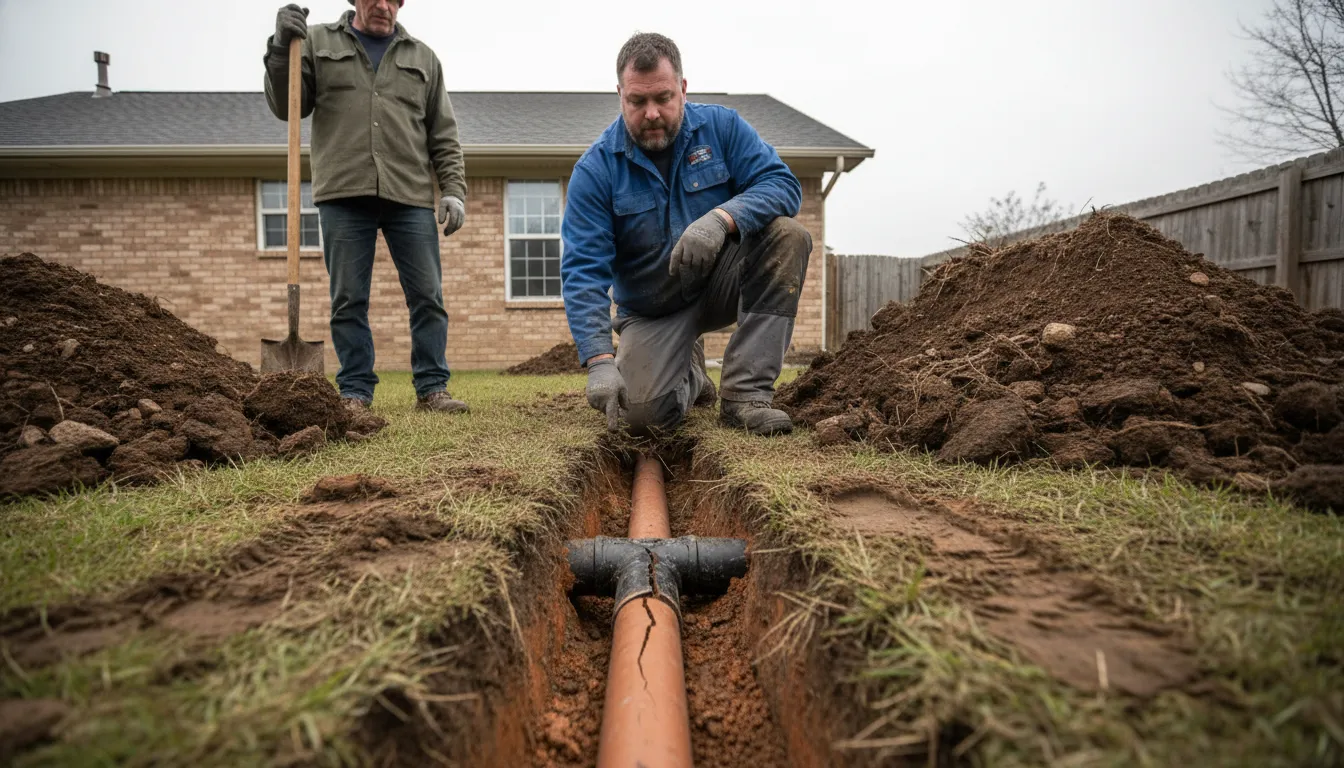
This is the conventional method, involving digging a trench along the entire length of the sewer line to expose it for repair or full replacement.
- Process: Heavy equipment excavates the yard to access the pipe. The old pipe is removed, a new one is laid, and the trench is backfilled. Significant restoration of landscaping, hardscaping, and sprinkler systems is almost always required afterward.
- Pros of Traditional Excavation: It is a universal solution. It can address any problem, including total pipe collapses, severe sags (bellies), and complex situations where trenchless methods are not feasible 4.
- Cons of Traditional Excavation: Highly disruptive to your property, time-consuming, and incurs substantial additional costs for restoring the excavated area to its original condition 5.
Find the perfect sewer line repair companies for your needs
Get personalized recommendations and expert advice
Cost Considerations for Sewer Line Repair in Lancaster
Costs can vary widely based on the repair method, the extent of damage, pipe depth, soil conditions, and necessary permits. Here is a general breakdown to help you understand the financial landscape:
- Minor Repairs: Addressing a localized clog or small leak may range from $100 to $500, but this is often a temporary fix if the underlying pipe issue is not resolved.
- Trenchless Repair: Costs are typically calculated per linear foot. For pipe lining or bursting, expect a range of $60 to $250 per foot. For a standard 50-foot sewer line, this translates to approximately $3,000 to $10,000 or more 6 7.
- Traditional Excavation & Replacement: The pipe replacement itself may cost $50 to $450+ per foot. However, the critical added expense is restoration-repaving driveways, replanting lawns, and repairing sprinkler systems, which can add $1,500 to $8,000 or more to the total project cost 8 9 10.
Making a Cost-Benefit Decision
When evaluating estimates, consider the total long-term value, not just the upfront price. A slightly higher quote for a trenchless repair might save you thousands in landscaping restoration and provide a pipe with a 50+ year lifespan. For older clay or cast iron pipes (30-60 years old) that have failed once, a full replacement (via bursting or excavation) is often a more prudent long-term investment than repeated patching 11 12.
Choosing the Right Service for Your Home
Selecting a qualified professional is crucial. Look for a licensed, insured specialist with extensive experience in both trenchless and traditional methods. They should insist on a camera inspection before providing a detailed quote. Ask for local references and examples of previous work. A trustworthy expert will explain all your options clearly, help you weigh the pros and cons for your specific situation, and provide a transparent, written estimate.
Frequently asked questions
Sources
Footnotes
-
Types of Sewer Pipes: Clay, PVC, Cast Iron & Orangeburg - https://sewerex.com/types-of-sewer-pipes-clay-pvc-cast-iron-and-orangeburg-explained/ ↩
-
Common Sewer Issues Found in Inspections - https://titaninspectionservices.com/common-sewer-issues-found-in-inspections/ ↩
-
Wastewater Service Laterals: The Most Neglected Sewer Pipes - https://nationalplant.com/wp-content/uploads/sites/4/2020/11/WSTA120_Wastewater-Service-Laterals_30-33.pdf ↩
-
Trenchless Sewer Repair vs. Traditional Excavation - AQUALIS - https://aqualisco.com/trenchless-sewer-repair-vs-traditional/ ↩
-
Trenchless Sewer Repair vs. Traditional Excavation: Which is Better? - https://alphaenvironmental.net/blog/trenchless-sewer-repair-vs-traditional-excavation-which-is-better/ ↩
-
Sewer Pipe Bursting Cost: Essential Factors to Consider - https://www.benjaminfranklinplumbing.com/league-city/blog/2024/december/sewer-pipe-bursting-cost-essential-factors-to-consider/ ↩
-
Is Trenchless Sewer Line Repair Cheaper? - AP Plumbing - https://applumbing.com/blog/is-trenchless-sewer-line-repair-cheaper/ ↩
-
Trenchless Sewer Repair: Lower Cost, Lower Impact Sewer Repair - https://www.sewerflowllc.com/2025/03/06/trenchless-sewer-repair-lower-cost-lower-impact-sewer-repair/ ↩
-
Trenchless vs. Traditional Sewer Repair - https://sewerlinesonly.com/trenchless-vs-traditional-sewer-repair-which-is-more-cost-effective-for-lakewood-homeowners/ ↩
-
Cost To Repair Sewer Line: 2023 Options & Affordable Services - https://www.superbrothers.com/cost-to-repair-sewer-line-2023-options-affordable-services/ ↩
-
Sewer Line Replacement vs Repair: A Cost-Benefit Analysis ... - https://www.alpineplumbingandair.com/sewer-line-replacement-vs-repair-a-cost-benefit-analysis-for-california-homes/ ↩
-
Sewer line repairs in Lancaster, CA - All Heart Heating, Cooling ... - https://callallheart.com/services/plumbing/drains/sewer-line/ ↩