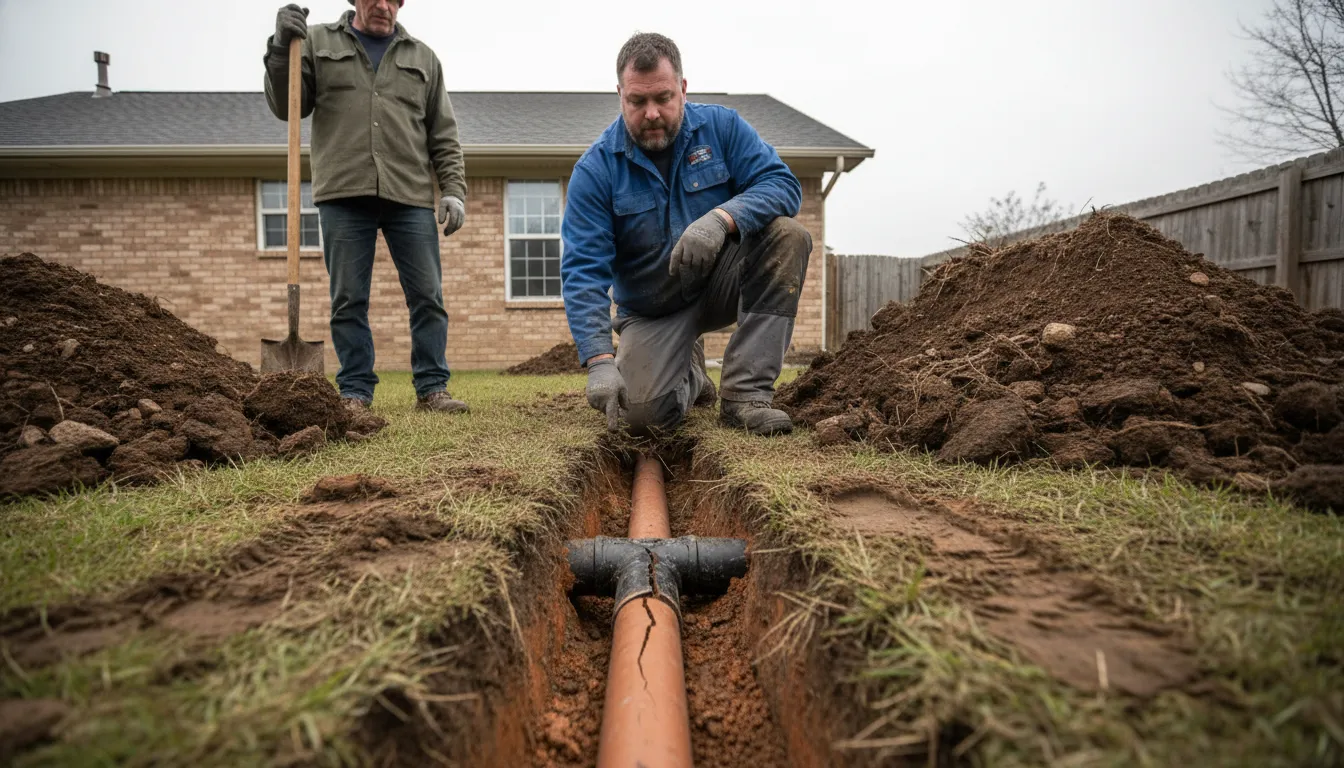
Find the Best Sewer Line Repair Companies for Your Business
No obligation • Fast responses • Nationwide coverage

Why you can trust Search a Plumber
Search a Plumber is a leading United States resource for finding and evaluating professional plumbing services. Our team researches licensing, experience, and customer feedback to create unbiased, fact-driven overviews. Companies cannot pay to change ratings or placement, ensuring homeowners get trustworthy information.
Search providers near you
Top Sewer Line Repair Companies in Gilroy, California Ranked
A failing sewer line is a serious issue that can disrupt your home, create health hazards, and lead to costly property damage. Sewer line repair involves diagnosing and fixing the underground pipe that carries all your home's wastewater to the city's main line. This guide explains the common causes of sewer line failure in Gilroy, the modern and traditional repair methods available, and how you can find qualified local specialists to restore your property's essential plumbing function.
SAS PLUMBING, INC
San Jose, CA
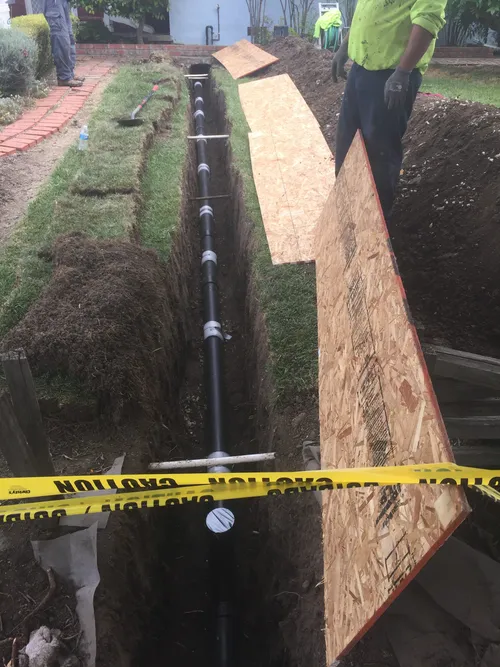
SAS PLUMBING, INC provides a variety of residential plumbing services in San Jose, CA, including water heater repair and installation, drain cleaning, and sewer line repair. They serve multiple nearby communities such as Los Gatos, Saratoga, Sunnyvale, Los Altos, Mountain View, Santa Clara, and Palo Alto. The company offers individualized plumbing solutions tailored to customer needs, handling everything from simple faucet installations to complete sewer line replacements.
JB Rooter and Plumbing Inc
2982 Mt Clare Dr, San Jose, CA 95148
JB Rooter and Plumbing Inc is a full-service plumbing company based in San Jose, CA, serving a wide area from San Carlos to Gilroy to Fremont. With over 20 years of experience, they provide a variety of plumbing services including sewer line repair, repiping, and gas line installation. Their team is skilled in handling both residential and commercial plumbing needs, focusing on safe and efficient gas plumbing and expert sewer repairs. JB Rooter and Plumbing Inc is licensed and insured, offering local expertise and competitive pricing to customers across the peninsula.
CPI Service, Plumbing, Heating & Cooling
2880 Aiello Dr, San Jose, CA 95111
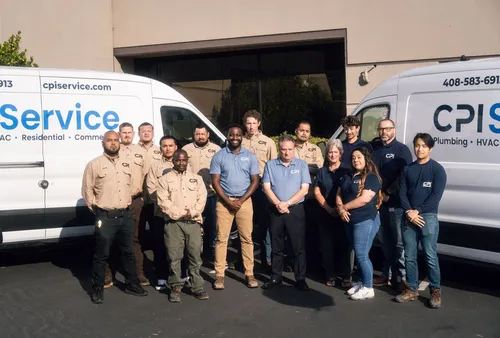
CPI Service, Plumbing, Heating & Cooling is a licensed plumbing company serving San Jose, CA. They provide a wide range of residential plumbing services including sewer camera inspections, water heater repair and installation, drain cleaning, sewer line repair, leak detection, repiping, and toilet repair. With over 35 years of experience, CPI Service offers 24/7 emergency plumbing support and same-day appointments to address urgent and routine plumbing needs. Their team uses advanced tools such as sewer cameras to diagnose and solve plumbing problems efficiently.
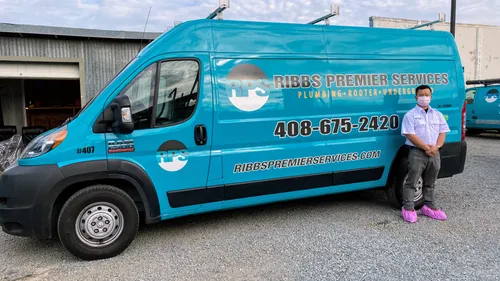
Ribbs Plumbing & Sewer
2912 Daylight Way, San Jose, CA 95111
Ribbs Plumbing & Sewer is a full-service plumbing company based in San Jose, CA, offering residential and commercial plumbing and sewer solutions. Their services include water heater installation and repair, drain cleaning, sewer line repair, trenchless sewer repair, leak detection, repiping, and toilet repair. They specialize in sewer camera inspections and hydro jetting to diagnose and clear blockages efficiently. Ribbs Plumbing & Sewer also handles plumbing remodels and appliance hookups, working with older plumbing systems and ensuring code compliance. They provide emergency plumbing services and manage permits and inspections for sewer projects in San Jose and nearby Morgan Hill.
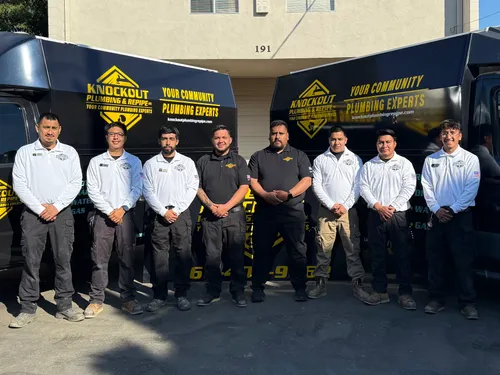
Knockout Plumbing & Repipe Inc.
191 Dillon Ave, Campbell, CA 95008
Knockout Plumbing & Repipe Inc. is a family-oriented plumbing company based in Campbell, CA, serving San Jose and the surrounding area. Since 2022, they have provided a range of plumbing services including drain cleaning, hydro jetting, sewer line repair, trenchless sewer repair, and repiping. Their team handles issues such as corrosion, leaking joints, tree root intrusion, and low water pressure, using techniques like hydro jetting and trenchless repair to minimize disruption. Knockout Plumbing emphasizes clear communication with bilingual staff and aims to build lasting relationships with customers.
Understanding Your Gilroy Sewer Line System
Your home's main sewer line is a critical but hidden component, typically running from your foundation to a city main located under the street. In Gilroy, this pipe often travels beneath lawns, gardens, driveways, or sidewalks before connecting to the municipal system. When this line is compromised, wastewater can back up into your home or seep into the surrounding soil. Recognizing the signs of trouble early-such as multiple slow drains, gurgling toilets, foul odors in the yard, or unexplained soggy patches in the lawn-is the first step toward a solution.
Common Causes of Sewer Line Damage in Gilroy
Several factors specific to the Gilroy and greater Bay Area environment contribute to sewer line failures. Understanding these causes can help in diagnosing the problem and choosing the right repair strategy.
- Tree Root Intrusion: This is one of the most prevalent issues in California. Roots from trees and large shrubs are naturally drawn to the moisture and nutrients inside sewer pipes. They can infiltrate through tiny cracks or pipe joints, eventually causing complete blockages or breaking the pipe apart.
- Aging Pipe Materials: Many older homes in the region have sewer lines made of clay tile or cast iron. Clay pipes are susceptible to root penetration at their joints, while cast iron corrodes and weakens over decades. These materials often exceed their 30-50 year lifespan and begin to fail.
- Seismic Activity and Soil Movement: California's earthquake-prone geology can cause the ground to shift, leading to misaligned pipes, cracks, or even collapses. Additionally, Gilroy's expansive clay soils swell when wet and shrink during dry periods, creating pressure that can damage sewer lines over time.
- Low-Flow Fixtures and Buildup: While water conservation is essential, the widespread use of low-flow toilets and faucets reduces the volume of water moving through pipes. This can allow grease, debris, and mineral scale to accumulate more easily, leading to chronic clogs and reduced flow capacity 1.
The Critical First Step: Sewer Camera Inspection
Before any repair can be planned, an accurate diagnosis is essential. A professional sewer camera inspection involves sending a high-resolution, waterproof camera through the line. This allows a technician to see the exact condition, location, and cause of the problem in real time. This inspection is non-invasive and provides the evidence needed to determine whether a spot repair, a lining process, or a full replacement is the most effective and economical solution for your specific situation.
Find the perfect sewer line repair companies for your needs
Get personalized recommendations and expert advice
Modern Trenchless Sewer Repair Methods
Trenchless technology has revolutionized sewer line repair by offering solutions that minimize disruption to your property. These methods are often preferred for their speed and reduced restoration costs.
Pipe Lining (Cured-in-Place Pipe)
This method involves saturating a flexible resin liner with epoxy and inserting it into the damaged pipe. The liner is then inflated, pressing against the host pipe's walls, and cured with heat or UV light to form a hard, seamless "pipe within a pipe." Pipe lining is excellent for fixing cracks, holes, and sealing out roots without digging 2.
- Pros: Minimal excavation (only small access holes), completed in 1-2 days, creates a jointless pipe resistant to roots, and can extend pipe life by 50 years or more.
- Cons: Requires the existing pipe to have a clear path and not be fully collapsed. The cured pipe has a slightly reduced diameter.
- Best For: Pipes with isolated damage, corrosion, or root intrusion where the structural integrity is largely intact.
Pipe Bursting
For pipes that are too damaged to line, pipe bursting is a trenchless replacement method. A conical bursting head is pulled through the old pipe, fracturing it outward while simultaneously pulling a new high-density polyethylene (HDPE) pipe into place behind it.
- Pros: Installs a brand-new, durable pipe with no reduction in size. Still requires only small access pits.
- Cons: Requires more pulling force and may not be suitable near other underground utilities. Slightly more invasive than lining.
- Best For: Replacing severely broken, collapsed, or undersized pipes.
Traditional Excavation for Sewer Line Repair
The conventional method involves using a backhoe or other equipment to dig an open trench along the path of the sewer line to fully expose it. Technicians then remove the damaged section and replace it with new pipe 3 4.
- Pros: Provides direct, hands-on access to the pipe. Allows for a complete visual inspection of the surrounding area. Often necessary for the most severe cases of damage.
- Cons: Highly disruptive to landscaping, hardscapes like driveways and sidewalks, and irrigation systems. The process is time-consuming and involves significant restoration costs-often between $1,500 and $8,000 or more-to return your property to its original state.
- Best For: Situations where the pipe is completely collapsed, has major misalignment, or is located in an area where trenchless methods are not feasible.
Comparing Costs: Trenchless vs. Traditional in Gilroy
The total cost of any sewer line fix depends on the method, the length and depth of the pipe, the extent of damage, and the required restoration. A key insight for homeowners is to consider the total project cost, not just the pipe repair itself.
- Trenchless Repair (Lining): Typically ranges from $4,000 to $12,000+, or $60 to $250 per foot. While the upfront material and equipment cost can be higher, the near-elimination of landscape and concrete restoration often makes it more cost-effective overall 5 6 7.
- Trenchless Replacement (Bursting): Generally costs $3,000 to $10,000+ and can be more economical than an excavated repair when factoring in restoration.
- Traditional Excavation & Repair: The repair itself may range from $2,500 to $12,500+. However, this figure does not include the substantial added expense of restoring the excavated trench, which can add thousands more to the final bill 8 9.
The most economical choice is not always the one with the lowest initial quote. A trenchless solution for an isolated problem often provides better long-term value by preserving your property and offering a durable fix 10.
Choosing the Right Solution for Your Home
The decision between trenchless and traditional sewer line replacement or repair hinges on the diagnostic findings from the camera inspection. A reputable specialist will review the video with you and recommend the most appropriate method based on:
- The Pipe's Condition: Is it cracked or fully collapsed?
- The Location: Is it under a driveway, mature trees, or a garden?
- Long-Term Value: Which option provides the most reliable fix with the least future hassle?
For many Gilroy homeowners, trenchless methods offer a compelling balance of effectiveness, durability, and property preservation 11 12 13.
Frequently asked questions
Sources
Footnotes
-
Trenchless Sewer Line Repair vs Traditional: Which Is Better - https://cactusplumbingandair.com/trenchless-sewer-line-repair-vs-traditional/ ↩
-
Sewer Repair Options: Trenchless vs. Traditional Methods | TYCO - https://tycoplumbingco.com/sewer-repair-options-trenchless-vs-traditional-methods/ ↩
-
Sewer Pipe Lining vs Residential Excavation - 128 Plumbing - https://www.128plumbing.com/sewer-pipe-lining-vs-residential-excavation/ ↩
-
Trenchless Sewer Repair vs. Traditional Excavation: Which is Better? - https://alphaenvironmental.net/blog/trenchless-sewer-repair-vs-traditional-excavation-which-is-better/ ↩
-
Decoding Trenchless Sewer Repair Costs - Pipeliner Pros - https://pipelinerpros.com/trenchless-sewer-repair-cost/ ↩
-
Is Trenchless Sewer Line Repair Cheaper? - AP Plumbing - https://applumbing.com/blog/is-trenchless-sewer-line-repair-cheaper/ ↩
-
Cost Comparison: Trenchless vs. Traditional Sewer Line Repair - https://www.advancedtrenchlesssolutions.com/blog/cost-comparison-trenchless-vs-traditional-sewer-line-repair ↩
-
Sewer Line Replacement vs Repair: A Cost-Benefit Analysis ... - https://www.alpineplumbingandair.com/sewer-line-replacement-vs-repair-a-cost-benefit-analysis-for-california-homes/ ↩
-
Sewer Line Repair Cost Guide in Bay Area - https://www.bellowsservice.com/how-much-do-main-line-sewer-repairs-cost/ ↩
-
Trenchless vs. Traditional Sewer Repair - https://sewerlinesonly.com/trenchless-vs-traditional-sewer-repair-which-is-more-cost-effective-for-lakewood-homeowners/ ↩
-
Trenchless Sewer Repair vs. Traditional Methods in the Bay ... - https://total-uc.com/trenchless-vs-traditional-sewer-repair/ ↩
-
Trenchless Sewer Repair: Lower Cost, Lower Impact Sewer ... - https://www.sewerflowllc.com/2025/03/06/trenchless-sewer-repair-lower-cost-lower-impact-sewer-repair/ ↩
-
Solutions for Sewer Line Repair: Trenchless Options - https://www.serviceprofessor.com/trenchless-sewer-line-repair/ ↩