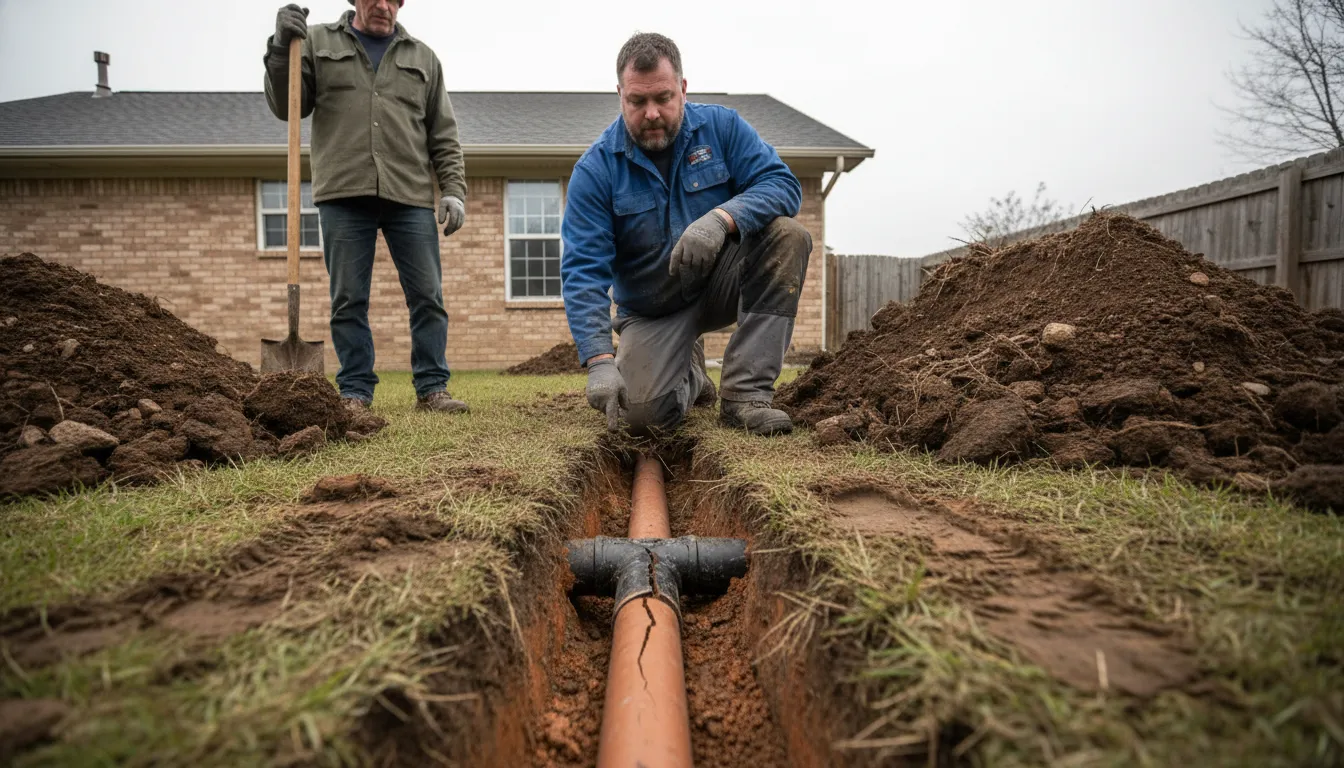
Find the Best Sewer Line Repair Companies for Your Business
No obligation • Fast responses • Nationwide coverage

Why you can trust Search a Plumber
Search a Plumber is a leading United States resource for finding and evaluating professional plumbing services. Our team researches licensing, experience, and customer feedback to create unbiased, fact-driven overviews. Companies cannot pay to change ratings or placement, ensuring homeowners get trustworthy information.
Search providers near you
Top Sewer Line Repair Companies in Dublin, California Ranked
A damaged sewer line is a serious issue that can disrupt your home and pose health risks. Sewer line repair involves fixing or replacing the underground pipe that carries wastewater from your home to the city's main sewer system. Finding a reliable local professional is crucial for a proper diagnosis and a lasting solution. This guide will help you understand your options for sewer line repair in Dublin, so you can make an informed decision when connecting with a qualified specialist.
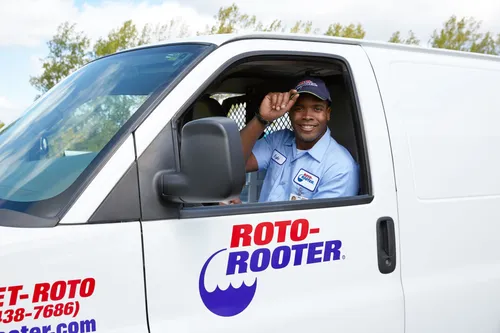
Roto-Rooter Plumbing & Water Cleanup
1780 Whipple Rd Ste 203G, Union City, CA 94587
Roto-Rooter Plumbing & Water Cleanup provides comprehensive plumbing services in San Jose, CA, specializing in residential and commercial plumbing solutions. Their offerings include sewer and drain cleaning, water heater repair and installation, leak detection, gas line installation, and trenchless sewer repair. The company is equipped to handle emergency plumbing situations with 24/7 availability, ensuring prompt response to issues like burst pipes and sewer backups. With extensive experience and advanced technology, Roto-Rooter addresses complex plumbing challenges efficiently. They also offer floodwater cleanup and mold remediation services, supporting property restoration after water damage. Serving the San Jose area and nearby communities, Roto-Rooter is a licensed and insured provider known for its broad range of plumbing capabilities and emergency service availability.
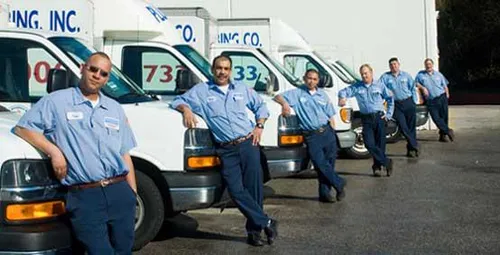
George Salet Plumbing, Inc.
200 Valley Dr, Brisbane, CA 94005
George Salet Plumbing, Inc. is a full-service plumbing contractor serving San Francisco, CA, and the Peninsula. With over 40 years of experience since 1979, they provide installation, repair, drain cleaning, leak detection, and sewer line repair services for residential and commercial clients. Their skilled technicians are known for clean, honest work and offer flat-rate pricing with guaranteed results. The company emphasizes thorough plumbing knowledge and ongoing technician training to address complex plumbing issues effectively.
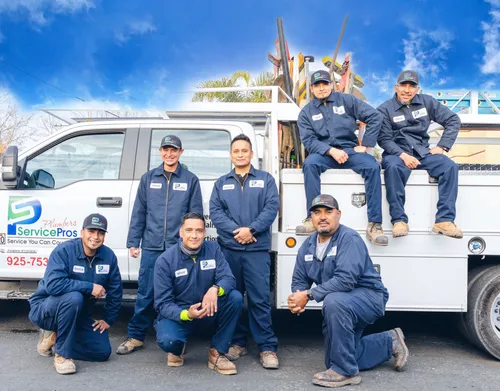
Service Pros Plumbers, Inc.
1320 Willow Pass Rd, Concord, CA 94520
Service Pros Plumbers, Inc. is a family-owned plumbing company serving Oakland, CA, with over 25 years of experience. They provide a wide range of plumbing services for residential and commercial customers, including water heater repair and installation, drain cleaning, sewer line replacement with trenchless options, leak detection, and gas line installation. Their licensed plumbers also offer whole-house repiping to improve water pressure and system efficiency. Service Pros Plumbers offers 24/7 emergency plumbing services to address urgent issues such as burst pipes and clogged drains promptly.
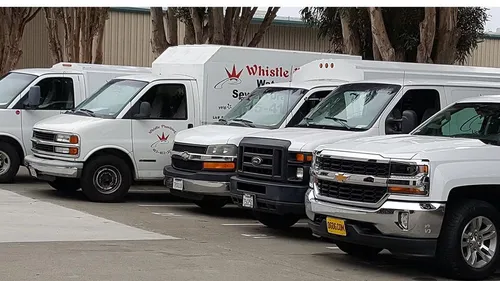
Whistle Plumbing
158 Dennis Dr, Daly City, CA 94015
Whistle Plumbing is a family owned and operated plumbing company based in Daly City, CA, serving San Francisco and surrounding areas including San Bruno and South San Francisco. They handle both residential and commercial plumbing projects with services such as water heater installation, drain cleaning, and sewer line repairs. Established in 2011, Whistle Plumbing is fully licensed and insured and maintains a strong presence in the local community.
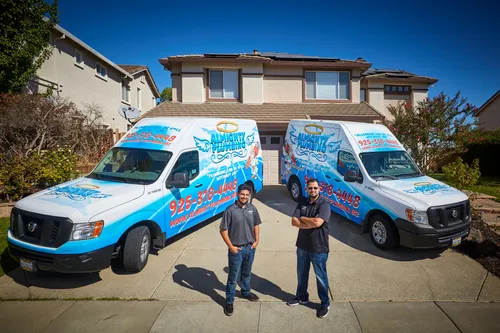
Almighty Plumbing
1309 Mokelumne Dr, Antioch, CA 94531
Almighty Plumbing is a family-owned and operated plumbing company serving Oakland, CA, and the greater East Bay area. They provide a wide range of plumbing services including water heater repair and installation, tankless water heater services, water softener installation, drain cleaning, sewer line repair, repiping, and garbage disposal repair. The company also specializes in bathroom remodeling and water filtration system installation. With a focus on honest, fair service tailored to customer needs, Almighty Plumbing offers multi-year warranties on repairs and installations. They also provide emergency plumbing services to address urgent issues promptly.
Understanding Your Sewer System in Dublin
Your home's main sewer line, also known as a sewer lateral, is a critical but out-of-sight component of your plumbing. In Dublin, this pipe typically runs underground from your home's foundation, beneath your yard, driveway, or patio, and connects to the municipal sewer main at the street. Most homes were built with pipes made from materials like clay, cast iron, or Orangeburg, which are susceptible to deterioration over time. Knowing the location and common failure points of this system is the first step in addressing any problems.
Common Causes of Sewer Line Failure
Several factors specific to the Dublin area can lead to a compromised sewer lateral. Recognizing these can help you identify potential issues early.
- Tree Root Intrusion: This is one of the most frequent causes of blockages and damage in older Dublin neighborhoods. Roots from trees and large shrubs are naturally drawn to the moisture and nutrients in sewer pipes. They can infiltrate through small cracks or pipe joints, eventually creating a dense mass that blocks flow or cracks the pipe itself.
- Aging and Corroding Pipes: Many Dublin homes have original clay or cast iron sewer lines. Over decades, these materials can crack, collapse, or corrode from the inside, leading to reduced flow, blockages, and eventual failure.
- Ground Shifting and Soil Movement: The soil in our region can settle or shift due to weather, drought, or construction activity nearby. This movement places stress on underground pipes, potentially causing them to crack, break, or become misaligned (a condition known as "bellying") 1.
- Grease Buildup and Blockages: Pouring fats, oils, and grease down drains is a common mistake. Over time, they solidify inside pipes, narrowing the passage and causing recurrent clogs that can stress older lines 2.
- General Wear and Tear: Like any infrastructure, sewer lines have a finite lifespan. Continuous use, ground pressure, and minor seismic activity can all contribute to the gradual failure of even modern PVC pipes.
Diagnosing a Sewer Line Problem
Before any repair can be planned, an accurate diagnosis is essential. Professionals don't guess-they use technology to see the problem. A sewer camera inspection is the industry-standard first step. A specialized, waterproof camera is fed through your cleanout or a toilet to travel the length of the sewer line. This provides a real-time video feed to the technician, revealing:
- The exact location and nature of the damage (crack, root mass, collapse).
- The pipe's material and condition.
- The depth of the line and any obstacles. This inspection is critical for determining whether a repair or full replacement is needed and which method is most suitable and cost-effective.
Your Repair Options: Trenchless vs. Traditional Excavation
Once the problem is identified, you'll typically have two main pathways for sewer line restoration: modern trenchless methods or traditional excavation. The right choice depends on the damage, your property layout, and your priorities regarding cost, disruption, and long-term value.
Trenchless Sewer Repair
Trenchless technology has revolutionized underground pipe repair by minimizing the need for large, destructive excavation. There are two primary trenchless methods:
- Cured-In-Place Pipe (CIPP) Lining: This process involves inserting a flexible, resin-saturated tube liner into the damaged pipe. The liner is then inflated, pressing against the host pipe's walls, and cured using heat or UV light to form a hard, seamless "pipe within a pipe." It seals cracks and holes and resists root intrusion.
- Pipe Bursting: Used for severely damaged or undersized pipes, this method involves pulling a new pipe (typically HDPE) through the old one. A bursting head fractures the old pipe outward as it advances, simultaneously making space for and pulling in the new, durable pipe.
Pros of Trenchless Methods:
- Minimal Disruption: Requires only small access pits at the beginning and end of the run, leaving lawns, driveways, and landscaping largely intact.
- Faster Completion: Most trenchless repairs can be completed in a day or two, compared to the week or more often needed for excavation.
- Lower Restoration Costs: Because there's little digging, you avoid the significant expense and hassle of repairing your landscape, concrete, or hardscaping 3.
- Durable Solution: The new liner or pipe is highly resistant to corrosion and root intrusion, offering a long-lasting fix 4.
Cons of Trenchless Methods:
- Higher Initial Material Cost: The specialized equipment and materials mean the upfront price for the repair itself can be higher than a simple excavation spot repair 5.
- Not Suitable for All Cases: If a pipe has completely collapsed, has severe sags, or very sharp bends, trenchless methods may not be feasible 6.
Traditional Excavation and Replacement
This is the conventional method, involving digging a trench along the entire length of the sewer line to expose it, remove the old pipe, and install a new one.
Pros of Traditional Excavation:
- Direct Access: Provides complete visual access to the entire pipe and surrounding soil, which can be beneficial for complex situations 7.
- Lower Upfront Repair Cost for Simple Jobs: For a short, accessible section of pipe that needs replacement, the direct labor and material costs can be less than trenchless.
- Universal Solution: It can address any problem, including total collapses or complicated layouts that trenchless methods cannot 8.
Cons of Traditional Excavation:
- Major Property Disruption: A large trench through your yard is invasive, destroying grass, gardens, sprinkler systems, and potentially requiring cutting through driveways or walkways 9.
- High Restoration Costs and Hassle: After the pipe is replaced, you are responsible for backfilling, compacting soil, and fully restoring the landscape and any hardscapes, which adds substantial time and expense.
- Longer Project Timeline: The process of digging, repairing, backfilling, and restoring takes significantly longer than a trenchless repair 10.
Find the perfect sewer line repair companies for your needs
Get personalized recommendations and expert advice
Cost Considerations for Dublin Homeowners
The cost of sewer line repair in Dublin varies widely based on the method chosen, the extent of damage, pipe depth, access, and necessary restoration. Here's a general breakdown based on regional estimates:
- Trenchless Repair (CIPP or Pipe Bursting): Costs are often calculated per linear foot, typically ranging from $60 to $200+ per foot 11. For an average project, total costs frequently fall between $3,000 and $10,000+ 12. The higher initial cost is frequently offset by avoiding thousands in landscape restoration.
- Traditional Excavation/Full Replacement: This method can cost $50 to $250+ per foot, with an average around $150 per foot for the excavation and replacement work alone 13 14 15. The final bill can increase significantly when adding the cost to repair a torn-up lawn, driveway, patio, or irrigation system.
Key Factors Influencing Final Price:
- Length and Depth of the Pipe: Longer, deeper lines require more labor and materials.
- Pipe Material and Diameter: Some materials are harder to remove than others.
- Soil Conditions and Accessibility: Rocky soil or limited equipment access can increase costs.
- Extent of Damage: A simple crack is less expensive to fix than a fully collapsed line.
- Property Restoration Needs: As emphasized, this is a major variable with traditional excavation.
When evaluating bids, consider the long-term value. A trenchless repair, while sometimes more expensive upfront, often proves more cost-effective over time due to its durability and the elimination of costly restoration work 16. Always ensure your estimate includes a detailed line item for any necessary restoration.
Choosing a Sewer Repair Specialist in Dublin
Selecting the right professional is as important as choosing the right repair method. Look for a licensed, insured plumber or sewer contractor with specific experience in both trenchless and traditional methods. They should insist on a camera inspection before providing a quote. Ask for references, verify their license with the California Contractors State License Board (CSLB), and ensure they offer a strong warranty on both materials and labor. A reputable specialist will clearly explain your options, the pros and cons of each, and provide a detailed, written estimate.
Frequently asked questions
Sources
Footnotes
-
Four Ways to Handle a Broken Sewage Pipe - https://www.expresssewer.com/blog/four-ways-to-handle-a-broken-sewage-pipe ↩
-
Common Sewer Line Issues and Repair Solutions You Need to Know - https://jtserviceco.com/common-sewer-line-issues-and-repair-solutions/ ↩
-
Trenchless Sewer Repair vs. Traditional Excavation - https://tdtplumbing.com/trenchless-sewer-repair/difference-to-traditional-repair/ ↩
-
Trenchless Sewer Repair: Cost-Effective Solutions for Pipe ... - https://magnificentplumbing.com/trenchless-sewer-line-repair/ ↩
-
Is Trenchless Sewer Line Repair Cheaper? - AP Plumbing - https://applumbing.com/blog/is-trenchless-sewer-line-repair-cheaper/ ↩
-
Solutions for Sewer Line Repair: Trenchless Options - https://www.serviceprofessor.com/trenchless-sewer-line-repair/ ↩
-
Sewer Repair Options: Trenchless vs. Traditional Methods | TYCO - https://tycoplumbingco.com/sewer-repair-options-trenchless-vs-traditional-methods/ ↩
-
Trenchless Sewer Line Repair vs. Sewer Line Excavation - https://dandfplumbing.com/sewer-line-repair-vs-sewer-line-excavation/ ↩
-
Trenchless vs. Traditional Sewer Repair - https://sewerlinesonly.com/trenchless-vs-traditional-sewer-repair-which-is-more-cost-effective-for-lakewood-homeowners/ ↩
-
Trenchless Sewer Repair vs. Traditional Excavation - AQUALIS - https://aqualisco.com/trenchless-sewer-repair-vs-traditional/ ↩
-
Sewer Pipe Bursting Cost: Essential Factors to Consider - https://www.benjaminfranklinplumbing.com/league-city/blog/2024/december/sewer-pipe-bursting-cost-essential-factors-to-consider/ ↩
-
TRENCHLESS vs. TRADITIONAL SEWER REPAIR: cost & time ... - https://epoxypipeline.com/blog/trenchless-vs-traditional-sewer-repair-comparison/ ↩
-
Cost Comparison: Trenchless vs. Traditional Sewer Line Repair - https://www.advancedtrenchlesssolutions.com/blog/cost-comparison-trenchless-vs-traditional-sewer-line-repair ↩
-
How much does it cost to dig up and replace a sewer line? - https://vipdrainservices.com/how-much-does-it-cost-to-dig-up-and-replace-a-sewer-line/ ↩
-
Decoding Trenchless Sewer Repair Costs - Pipeliner Pros - https://pipelinerpros.com/trenchless-sewer-repair-cost/ ↩
-
Get Trenchless Sewer Repair in Dublin, CA - https://dublinseptic.com/get-trenchless-sewer-repair ↩