Find the Best Sewer Line Repair Companies for Your Business
No obligation • Fast responses • Nationwide coverage

Why you can trust Search a Plumber
Search a Plumber is a leading United States resource for finding and evaluating professional plumbing services. Our team researches licensing, experience, and customer feedback to create unbiased, fact-driven overviews. Companies cannot pay to change ratings or placement, ensuring homeowners get trustworthy information.
Search providers near you
Top Sewer Line Repair Companies in Carson, California Ranked
A damaged sewer line is a serious issue that can disrupt your home, threaten your property, and lead to costly consequences if ignored. Sewer line repair involves diagnosing and fixing the underground pipe that carries all your home's wastewater to the city main. In Carson, where soil conditions and aging infrastructure can pose unique challenges, understanding your repair options is crucial. This guide will help you navigate the causes, methods, and considerations for sewer line repair, empowering you to make informed decisions when connecting with local specialists.
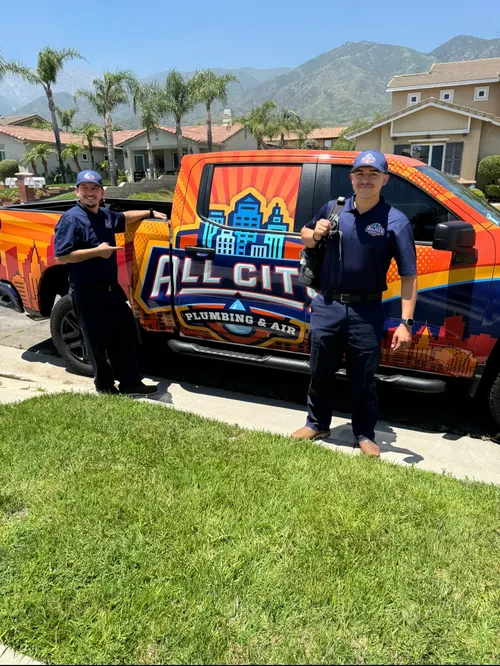
All City Plumbing, Air & Electrical
5612 E La Palma Ave, Anaheim, CA 92807
All City Plumbing, Air & Electrical is a full-service plumbing, HVAC, and electrical provider located in Anaheim, CA. They offer a wide range of services including water heater repair and installation, drain cleaning, hydro jetting, sewer line repair, leak detection, repiping, and toilet repair. Their team is licensed, bonded, and insured, with technicians who are ACE Certified and available 24/7 for emergency plumbing and HVAC needs. With over 13 years of experience serving Anaheim and surrounding areas, they use advanced technology to ensure efficient and reliable service.
Dymek's Freedom Plumbing, Inc
2921 E Miraloma Ave #17, Anaheim, CA 92806
Dymek's Freedom Plumbing, Inc is a plumbing service provider based in Anaheim, CA, offering a wide range of residential and commercial plumbing solutions. Their services include sewer camera inspections, water heater installation and repair, drain cleaning, hydro jetting, trenchless sewer repair, leak detection, repiping, and garbage disposal repairs. They utilize advanced technology such as electronic slab leak detection and sewer video inspection to diagnose and address plumbing issues efficiently. With over 25 years of experience, the company emphasizes old-fashioned values combined with modern technology and is available 24/7 for emergency plumbing needs.
Merry Plumbing
1465 San Marino Ave, San Marino, CA 91108
Merry Plumbing is a well-established plumbing company serving Los Angeles, CA, and nearby areas including Pasadena, San Marino, and Glendora. With 79 years in business since 1946, they provide a wide range of plumbing services such as sewer camera inspection, water heater repair and installation, drain cleaning, hydro jetting, sewer line repair, leak detection, and repiping. Their team is equipped to handle both residential and commercial plumbing needs with modern tools and on-site parts availability. Merry Plumbing emphasizes clear, upfront estimates and has built a reputation for thorough and dependable service over many decades.
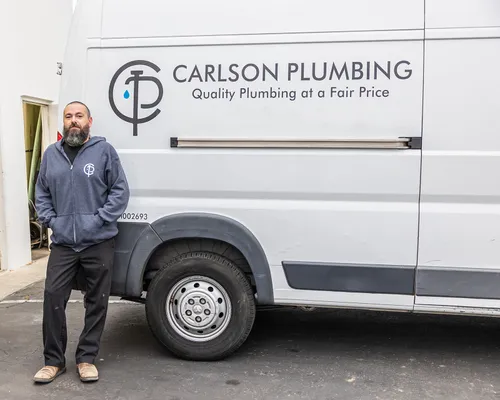
Carlson Plumbing Pros
17150 Newhope St Suite 301-302, Fountain Valley, CA 92708
Carlson Plumbing Pros is a licensed plumbing company serving Santa Ana, CA, and the broader Orange County area. They offer a wide range of plumbing services including water heater repair, water softener installation, drain cleaning, sewer line repair, leak detection, repiping, and gas line installation. With over 20 years of experience, they provide skilled plumbing solutions and are equipped to handle emergencies with 24/7 availability.
The Rooter Company
375 Cliffwood Park St, Brea, CA 92821
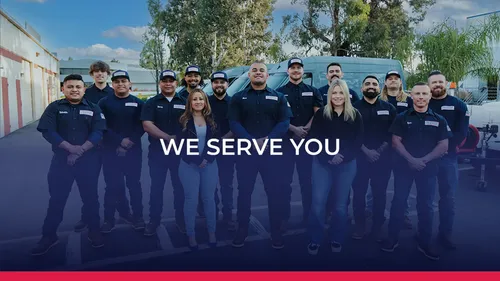
The Rooter Company is a plumbing service provider based in Anaheim, CA, serving homes and businesses throughout Orange County and surrounding areas. They specialize in drain cleaning, sewer line repair, and leak detection. With over 15 years of experience, the company offers 24/7 emergency plumbing and sewer services, including same-day appointments to address urgent issues promptly. Their team emphasizes clean job sites, transparent pricing, and bilingual service to accommodate a diverse customer base.
Understanding Your Sewer Line System
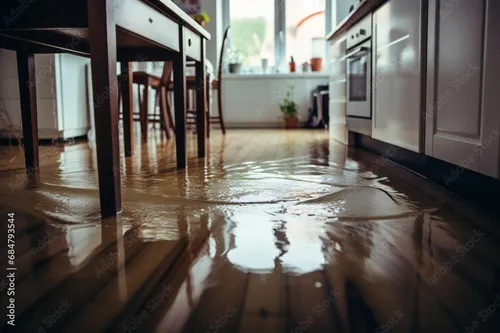
The main sewer line, or lateral, is the critical pipeline running from your home's foundation to the municipal sewer main, typically located under the street. In Carson, this pipe often travels beneath your driveway, yard, or sidewalk. When this line fails, it's not a simple clog-it's a breakdown in your property's essential sanitation infrastructure. Problems can manifest as multiple slow drains, gurgling toilets, foul odors in the yard, or even sewage backups in the lowest points of your home, like basement floor drains.
Common Causes of Sewer Line Failure in Carson
Several factors specific to the Carson area contribute to sewer line issues:
- Tree Root Intrusion: This is a leading cause. Roots from trees and large shrubs seek moisture and can infiltrate tiny cracks or loose joints in pipes, eventually growing and creating a full blockage or causing the pipe to crack under pressure.
- Aging and Material Deterioration: Many homes in older Carson neighborhoods have sewer lines made of clay tile or cast iron. Over decades, these materials can corrode, crack, or collapse. Clay pipes are particularly susceptible to root intrusion at their joints.
- Ground Shifting and Soil Conditions: Southern California soil can shift due to drought, erosion, or seismic activity. This movement puts stress on pipes, leading to misalignment, bellies (sags where waste collects), or complete breaks.
- External Factors: Improper disposal of grease and non-flushable items can cause chronic buildup and blockages. Additionally, damage from nearby construction or heavy equipment driving over the buried line can cause immediate failure1.
Diagnostic Step: The Camera Inspection
Before any repair strategy is chosen, a professional diagnosis is non-negotiable. Specialists use a specialized CCTV (closed-circuit television) camera snaked through the sewer line. This inspection provides a real-time video feed of the pipe's interior, pinpointing the exact location, nature, and severity of the problem-whether it's a root mass, an offset joint, a crack, or a collapsed section 2. This critical step determines which repair method is both viable and most cost-effective for your situation.
Repair Method 1: Traditional Excavation
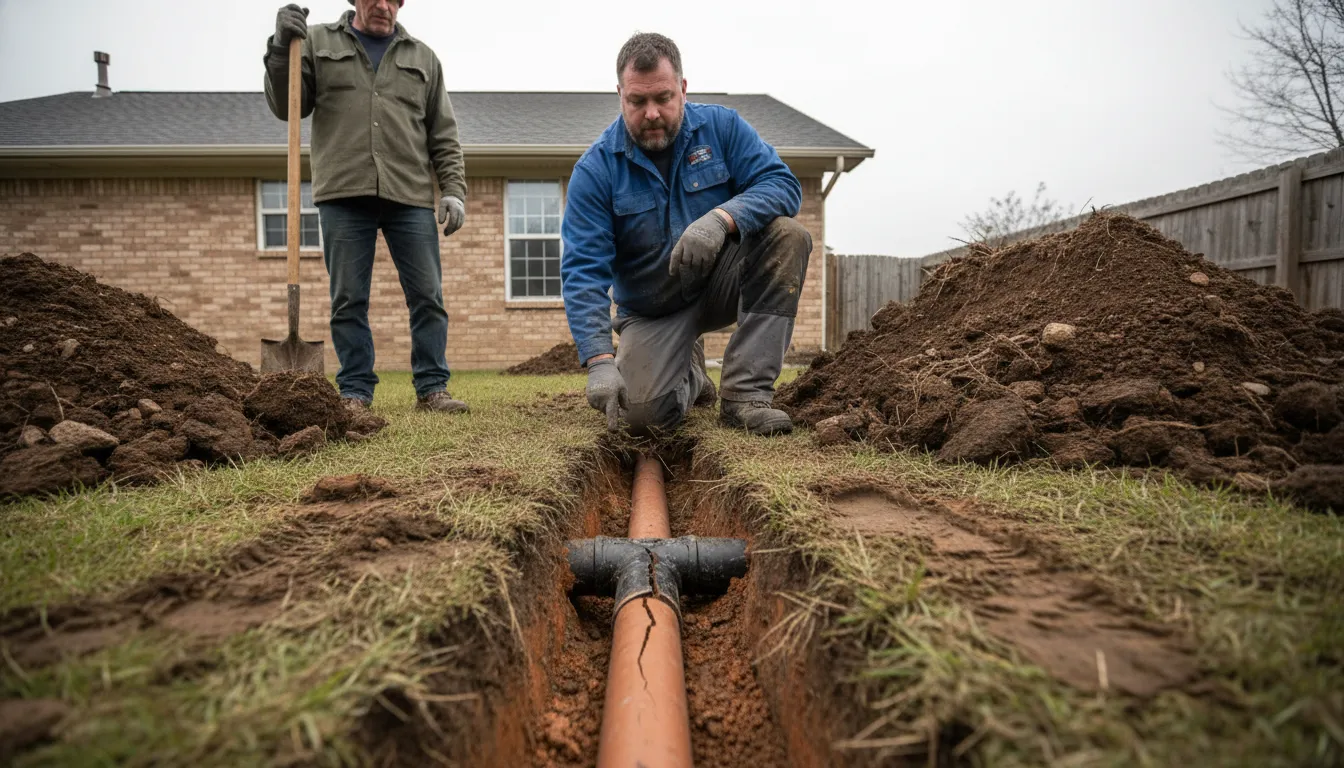
Traditional sewer repair is exactly what it sounds like: technicians use backhoes and other heavy equipment to dig a large trench along the path of the damaged pipe. This exposes the entire section for direct access.
- The Process: Once excavated, the old pipe is removed and a new section is installed, connected, and tested before the trench is backfilled.
- Pros: It's a straightforward, time-tested method that allows for a complete visual inspection and is effective for virtually any type of damage, including severe collapses.
- Cons: The primary drawback is the significant disruption. The excavation can destroy landscaping, patios, driveways, and sidewalks. Restoration of these surfaces adds considerable time and cost to the project. The process is also more susceptible to weather delays and typically takes several days to over a week to complete 3.
Repair Method 2: Modern Trenchless Technology
Trenchless sewer repair has revolutionized the industry by offering solutions that minimize or eliminate the need for large-scale digging. Two primary techniques are used:
- Cured-In-Place Pipe (CIPP) Lining: A flexible, resin-saturated tube is inverted or pulled into the damaged pipe. It is then inflated and cured (often using hot water or UV light) to form a rigid, seamless "pipe-within-a-pipe." This method seals cracks and holes and resists root intrusion.
- Pipe Bursting: For pipes that are too damaged to line, a bursting head is pulled through the old pipe, fracturing it outward while simultaneously pulling in a new, high-density polyethylene (HDPE) pipe of equal or larger diameter.
- Pros: Trenchless methods are much less invasive, often preserving your yard, driveway, and hardscape. The work is typically completed in one to two days, causing less household disruption. While the upfront material and labor cost can be higher, you often save thousands of dollars by avoiding extensive landscape and hardscape restoration.
- Cons: Not all situations are suitable for trenchless repair. If the pipe has completely collapsed or has severe misalignment, excavation may be the only option. The success of lining also depends on the pipe's existing condition and diameter.
Find the perfect sewer line repair companies for your needs
Get personalized recommendations and expert advice
Cost Considerations for Sewer Repair in Carson
Costs can vary widely based on the method, extent of damage, pipe depth, and access. The figures below are estimates to help set expectations; a detailed, written quote from a local professional after a camera inspection is essential.
- Sewer Line Repair (Patching/Sectional): For addressing a specific problem like a root intrusion or crack, costs typically range from $2,500 to $10,000.
- Full Traditional Replacement (Excavation): Replacing an entire sewer line via excavation is a major project. In Carson, homeowners can expect costs ranging from $12,000 to $30,000 or more, with the high end accounting for long pipe runs, difficult access, and significant restoration work (new concrete, landscaping, etc.)4 5.
- Trenchless Repair/Replacement: Trenchless work is often priced per linear foot. Costs generally range from $55 to $285 per foot6 7. For a typical residential line, the total project cost often falls between $4,000 and $13,000+. It's vital to compare the total project cost-including all restoration-when weighing trenchless against traditional methods, as the trenchless bid may be more competitive than it initially appears7 8.
Making the Right Choice for Your Home
The decision between trenchless and traditional sewer line repair isn't always clear-cut. Here's a simplified guide:
- Consider Trenchless (Lining or Bursting) if: The camera inspection shows the pipe is structurally sound enough to host a liner or be burst, the damage is from cracks, holes, or root intrusion, and you want to preserve your landscaping, driveway, or patio. The faster timeline and lower restoration costs are major advantages9 10 11.
- Traditional Excavation May Be Necessary if: The pipe has completely collapsed, has a severe belly or misalignment, or is made of a material not suitable for bursting (like concrete in some cases). It may also be more cost-effective if the damaged section is very shallow, short, and located in an area with no valuable landscaping above it12 13.
Always choose a licensed, insured professional who specializes in sewer work and offers a detailed, written estimate based on a camera inspection. They should clearly explain why a particular method is recommended for your specific situation.
Frequently asked questions
Sources
Footnotes
-
Sewer Repair Cost: Trenchless Vs Traditional Methods - https://www.superbrothers.com/sewer-repair-cost-trenchless-vs-traditional-methods/ ↩
-
TRENCHLESS vs. TRADITIONAL SEWER REPAIR: cost & time ... - https://epoxypipeline.com/blog/trenchless-vs-traditional-sewer-repair-comparison/ ↩
-
Trenchless vs. Traditional Sewer Repair - https://sewerlinesonly.com/trenchless-vs-traditional-sewer-repair-which-is-more-cost-effective-for-lakewood-homeowners/ ↩
-
The Cost of Sewer Line Replacement: What to Expect - https://dirtcheapsewer.com/the-cost-of-sewer-line-replacement/ ↩
-
Average Cost Of Sewer Line Repair & Replacement 2023 - https://www.superbrothers.com/average-cost-of-sewer-line-repair-replacement-2023/ ↩
-
Trenchless Sewer Repair vs. Traditional Methods in the Bay ... - https://total-uc.com/trenchless-vs-traditional-sewer-repair/ ↩
-
Decoding Trenchless Sewer Repair Costs - Pipeliner Pros - https://pipelinerpros.com/trenchless-sewer-repair-cost/ ↩ ↩2
-
Cost Comparison: Trenchless vs. Traditional Sewer Line Repair - https://www.advancedtrenchlesssolutions.com/blog/cost-comparison-trenchless-vs-traditional-sewer-line-repair ↩
-
Sewer Pipe Lining vs Residential Excavation - 128 Plumbing - https://www.128plumbing.com/sewer-pipe-lining-vs-residential-excavation/ ↩
-
Essential Guide to Sewer Line Repair in Los Angeles - https://www.lordsofplumbing.com/essential-guide-to-sewer-line-repair-in-los-angeles/ ↩
-
Trenchless Sewer Repair vs. Traditional Excavation: Which is Better? - https://alphaenvironmental.net/blog/trenchless-sewer-repair-vs-traditional-excavation-which-is-better/ ↩
-
Trenchless Sewer Repair vs. Traditional Excavation - AQUALIS - https://aqualisco.com/trenchless-sewer-repair-vs-traditional/ ↩
-
Trenchless Sewer Repair vs. Traditional Excavation - https://tdtplumbing.com/trenchless-sewer-repair/difference-to-traditional-repair/ ↩