Find the Best Sewer Line Repair Companies for Your Business
No obligation • Fast responses • Nationwide coverage

Why you can trust Search a Plumber
Search a Plumber is a leading United States resource for finding and evaluating professional plumbing services. Our team researches licensing, experience, and customer feedback to create unbiased, fact-driven overviews. Companies cannot pay to change ratings or placement, ensuring homeowners get trustworthy information.
Search providers near you
Top Sewer Line Repair Companies in Anchorage, Alaska Ranked
A damaged sewer line is a serious issue that can disrupt your home and pose health risks. In Anchorage, where extreme weather and unique soil conditions are common, understanding your options for sewer line repair or replacement is essential. This guide explains the common causes of sewer problems in our area, compares the modern trenchless methods with traditional excavation, and provides key information to help you make an informed decision when you need to connect with a qualified local professional.
Drain Masters
2340 Azurite Ct Suite A, Anchorage, AK 99507
Drain Masters is a family-owned plumbing company serving Anchorage, AK, with over 20 years of experience. They provide a wide range of residential plumbing services including drain cleaning, sewer line repair, water heater installation and repair, leak detection, and repiping. Their licensed technicians use advanced tools such as video camera inspections and trenchless sewer repair methods to diagnose and fix plumbing issues efficiently while minimizing property disruption. Drain Masters completes around 4,000 jobs annually and focuses on delivering professional service with a personal touch.
Alaska Sewer and Drain
Anchorage, AK
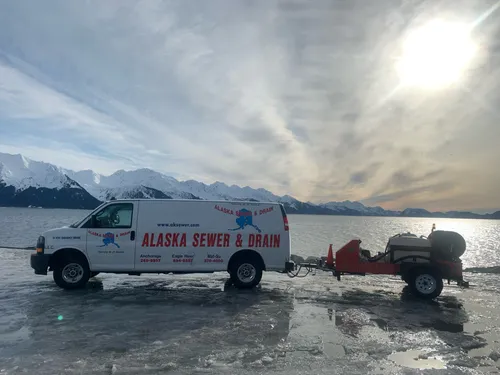
Alaska Sewer and Drain is a locally owned plumbing company serving Anchorage, AK, and surrounding communities. With over 30 years of experience, they provide drain cleaning, sewer line repair, and toilet repair services for both residential and commercial customers. Their licensed team handles everything from routine maintenance to emergency sewer line replacements using advanced equipment. The company offers 24/7 availability to respond quickly to urgent plumbing issues, especially important given Alaska's challenging weather conditions.
ASAP Sewer and Drain, Inc.
Anchorage, AK
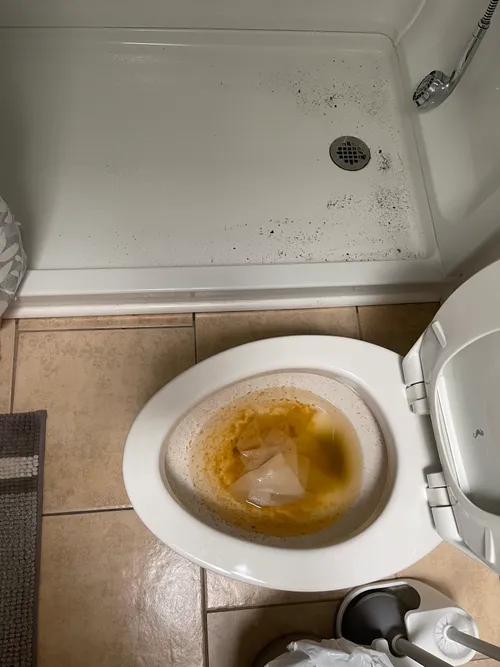
ASAP Sewer and Drain, Inc. is a local plumbing company based in Anchorage, AK, offering a wide range of plumbing services including drain cleaning, sewer line repair, hydro jetting, and sewer camera inspections. They specialize in addressing plumbing issues common in Alaskan winters, such as frozen pipes, with steam thawing services. The company uses trenchless technology for sewer repairs to minimize disruption and provides 24/7 emergency drain and burst pipe repair services to quickly respond to urgent plumbing needs. Their experienced technicians employ modern techniques like hydro jetting to clear tough blockages and video camera inspections to accurately diagnose problems without unnecessary digging.
One Stop Services
2849 Porcupine Dr, Anchorage, AK 99501
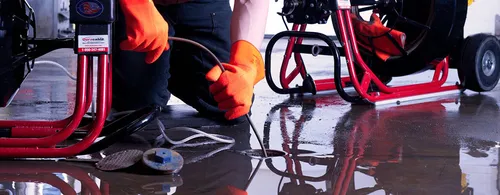
One Stop Services is a plumbing company based in Anchorage, AK, serving both residential and commercial clients. They specialize in sewer and drain cleaning, repair, and inspections, including hydro-jetting and in-line camera inspections with fiber optics. With over 10 years of experience, they provide services such as rooter service, steam thawing, faucet and toilet repair, and pipe repair both above and below ground.
Royal Flush Septic Pumping
7241 Sunrise Dr, Wasilla, AK 99623
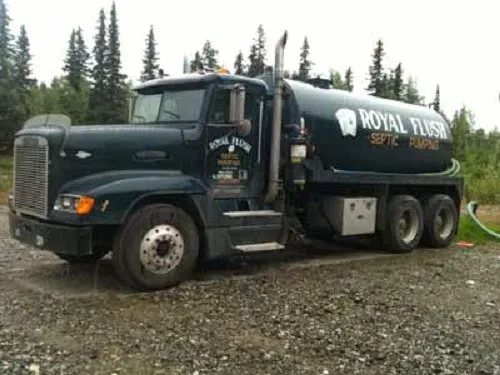
Royal Flush Septic Pumping provides a wide range of septic and sewer services in Anchorage, AK, including septic tank pumping, septic system repair, drain cleaning, and sewer line inspection. They offer specialized capabilities such as pipe video inspection and vacuum truck services to maintain and repair septic and sewer systems. The company serves multiple communities around Anchorage, including Wasilla and Palmer, and is equipped to handle the challenges posed by Alaska's harsh weather conditions. Royal Flush also offers 24/7 emergency septic and sewer services for urgent needs.
Understanding Your Sewer Line in Anchorage
Your home's main sewer line is a critical underground pipe that carries all wastewater from your house to the municipal sewer main, typically located at the street or property boundary. This line runs from your home's foundation, often beneath driveways, landscaping, or crawlspaces, making it a hidden but vital component of your plumbing system. When it fails, the consequences are immediate and unpleasant. In Anchorage, several local factors make sewer lines particularly vulnerable to damage.
Common Causes of Sewer Line Damage in Anchorage
The challenging Alaskan environment contributes to specific types of sewer line failures. Being aware of these can help with early detection and prevention.
- Freeze-Thaw Cycles: Alaska's extreme cold is a primary culprit. Water inside pipes or in the surrounding soil can freeze and expand, stressing pipe materials and leading to cracks, joint separation, or complete breaks.
- Tree Root Intrusion: Roots from trees and shrubs naturally seek out water and nutrients. They can infiltrate tiny cracks or loose joints in sewer pipes, causing blockages, applying pressure that breaks the pipe, and creating a recurring problem.
- Soil Movement and Permafrost: Shifting ground due to seasonal thawing of permafrost and general soil movement can misalign pipes, create low spots called "bellies," or cause pipes to crack under the stress.
- Aging Pipe Materials: Many older homes in Anchorage have sewer lines made of cast iron or clay. Over decades, these materials can corrode, become brittle, crack, or collapse entirely.
- Bellies or Sags: Over time, sections of the pipe can sink due to soil erosion or compaction. These dips create a low point where waste and debris collect, leading to chronic clogs and backups 1.
Diagnosing Sewer Line Problems
Before any repair can be planned, an accurate diagnosis is crucial. The most effective tool for this is a professional sewer camera inspection. A specialized waterproof camera is snaked through the line, providing a real-time video feed to the technician. This inspection can pinpoint the exact location, nature, and severity of the problem-whether it's a root mass, a crack, a complete collapse, or a sagging section. This step is non-negotiable in Anchorage, as it directly informs which repair method is both possible and most cost-effective for your specific situation.
Repair Method 1: Trenchless Sewer Repair
Trenchless technology has revolutionized sewer line repair by minimizing disruption to your property. Instead of digging a long, deep trench, technicians create one or two small access holes at the beginning and end of the damaged section.
There are two primary trenchless techniques:
- Pipe Lining (Cured-in-Place Pipe): A flexible tube coated with resin is inserted into the old pipe and inflated. The resin hardens, creating a new, seamless "pipe-within-a-pipe" that is highly durable and resistant to roots.
- Pipe Bursting: A bursting head is pulled through the old, damaged pipe, fracturing it outward while simultaneously pulling a new, high-density polyethylene (HDPE) pipe into place behind it.
Pros of Trenchless Repair:
- Minimal Disruption: Preserves landscaping, driveways, sidewalks, and patios.
- Faster Completion: Most projects can be completed in one to two days.
- Durable Result: The new liner or pipe is often more resistant to corrosion and root intrusion than the original.
- Less Restoration Cost: Eliminates the massive cost and effort of backfilling and restoring a large excavation site 2.
Cons of Trenchless Repair:
- Higher Upfront Material Cost: The specialized materials and equipment can make the initial quote higher than traditional digging.
- Not for All Situations: It may not be suitable for pipes that have completely collapsed, have severe misalignment, or are made of certain materials like Orangeburg.
Repair Method 2: Traditional Excavation Repair
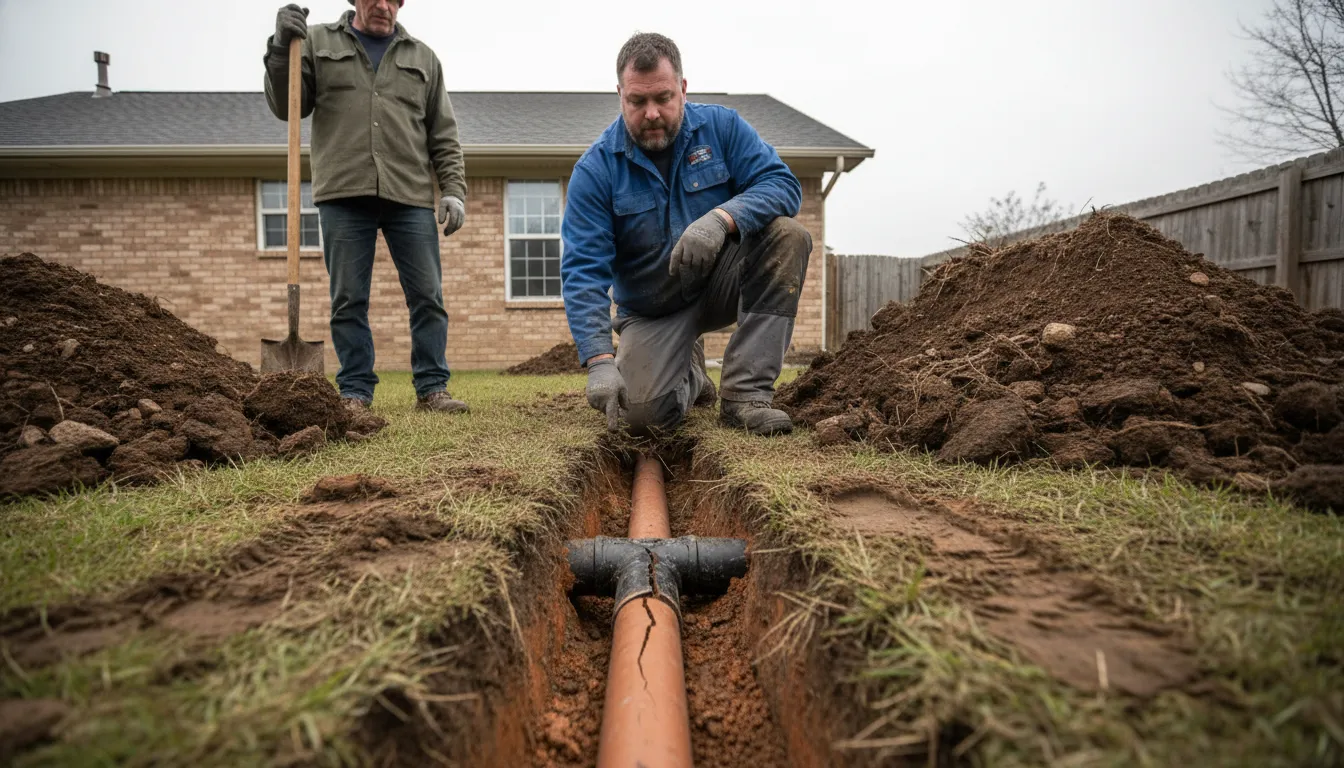
This is the conventional "dig and replace" method. It involves using excavation equipment to dig a trench along the entire length of the damaged sewer line, exposing it so the old pipe can be removed and a new one installed.
Pros of Traditional Repair:
- Comprehensive Solution: Ideal for pipes that are totally collapsed, severely misaligned, or otherwise unsuitable for trenchless methods.
- Full Visual Access: Allows for complete inspection of the pipe and surrounding soil conditions.
- Widely Available: Uses standard pipe materials and is a familiar method for all plumbing contractors 3 4.
Cons of Traditional Repair:
- Major Property Disruption: Destroys lawns, gardens, driveways, and other hardscapes in the pipe's path.
- Time-Consuming: The digging, repair, backfilling, and restoration process can take much longer.
- High Restoration Costs: The cost to repair the landscape, concrete, or asphalt after the job is separate and often significant 5 6 7.
Find the perfect sewer line repair companies for your needs
Get personalized recommendations and expert advice
Cost Considerations for Anchorage Homeowners
Costs for sewer line repair in Anchorage vary widely based on the extent of damage, location of the line, chosen method, and necessary restoration. It's important to get detailed, written estimates that outline all costs.
- Trenchless Repair Costs: Typically estimated per foot, ranging from $60 to $250 or more. Pipe lining often falls on the lower end of this range, while pipe bursting may be higher due to the equipment involved.
- Traditional Excavation Costs: Also priced per foot, generally between $50 and $450+. The lower end might apply to a short, easily accessible section, while the high end accounts for deep digging, difficult soil, or complex restoration needs. Crucially, the initial digging quote often does not include the cost of restoring your landscaping or hard surfaces 8 9.
- Total Project Range: For a full line replacement, total costs can range from a few thousand dollars for a partial repair to over $20,000 for a major traditional replacement that includes extensive restoration 10.
Which Method is More Cost-Effective?
While trenchless repair often has a higher upfront price tag, it can be more cost-effective in the long run when you factor in the avoided costs of restoring your property. There is no "one-size-fits-all" answer. The most cost-effective choice is the one that correctly and permanently solves your specific problem with a durable result. A professional inspection is the only way to determine which method is viable and appropriate for your home 11 12.
Choosing the Right Service for Your Home
When evaluating local sewer repair services, look for a provider that offers a comprehensive camera inspection and clearly explains all viable options. They should be licensed, insured, and experienced with both trenchless and traditional methods to provide unbiased advice. Ask for detailed quotes that compare methods and include all potential costs, especially for site restoration if excavation is proposed. In Anchorage, choosing a company familiar with our soil conditions and climate challenges is a significant advantage.
Frequently asked questions
Sources
Footnotes
-
Common Causes of Sewer Line Damage: Key Factors and Prevention Tips - https://www.onecallplumbingsc.com/common-causes-of-sewer-line-damage/ ↩
-
Anchorage Trenchless Sewer Repair & Replacement - https://www.drainmastersak.com/sewers-drains/sewer-clearing-cleaning-and-repair/trenchless-sewer-repair-replacement/ ↩
-
Traditional vs. Trenchless Sewer Line Repair & Replacement - https://www.rotorooter.com/blog/plumbing/traditional-vs-trenchless-sewer-lines/ ↩
-
Trenchless Sewer Line Repair vs Traditional: Which Is Better - https://cactusplumbingandair.com/trenchless-sewer-line-repair-vs-traditional/ ↩
-
Trenchless Sewer Repair: Lower Cost, Lower Impact Sewer Repair - https://www.sewerflowllc.com/2025/03/06/trenchless-sewer-repair-lower-cost-lower-impact-sewer-repair/ ↩
-
Sewer Repair Options: Trenchless vs. Traditional Methods | TYCO - https://tycoplumbingco.com/sewer-repair-options-trenchless-vs-traditional-methods/ ↩
-
Trenchless Sewer Repair vs. Traditional Excavation - AQUALIS - https://aqualisco.com/trenchless-sewer-repair-vs-traditional/ ↩
-
Cost Comparison: Trenchless vs. Traditional Sewer Line Repair - https://www.advancedtrenchlesssolutions.com/blog/cost-comparison-trenchless-vs-traditional-sewer-line-repair ↩
-
Sewer Repair Cost: Trenchless Vs Traditional Methods - https://www.superbrothers.com/sewer-repair-cost-trenchless-vs-traditional-methods/ ↩
-
Is Trenchless Sewer Line Repair Cheaper? - AP Plumbing - https://applumbing.com/blog/is-trenchless-sewer-line-repair-cheaper/ ↩
-
Trenchless vs. Traditional Sewer Repair - https://sewerlinesonly.com/trenchless-vs-traditional-sewer-repair-which-is-more-cost-effective-for-lakewood-homeowners/ ↩
-
No-Dig vs. Traditional Sewer Repair Costs - Thornton & Grooms - https://thorntonandgrooms.com/blog/no-dig-vs-traditional-sewer-repair-costs ↩