Find the Best Repiping Contractors for Your Business
No obligation • Fast responses • Nationwide coverage

Why you can trust Search a Plumber
Search a Plumber is a leading United States resource for finding and evaluating professional plumbing services. Our team researches licensing, experience, and customer feedback to create unbiased, fact-driven overviews. Companies cannot pay to change ratings or placement, ensuring homeowners get trustworthy information.
Search providers near you
Top Repiping Contractors in Trenton, New Jersey Ranked
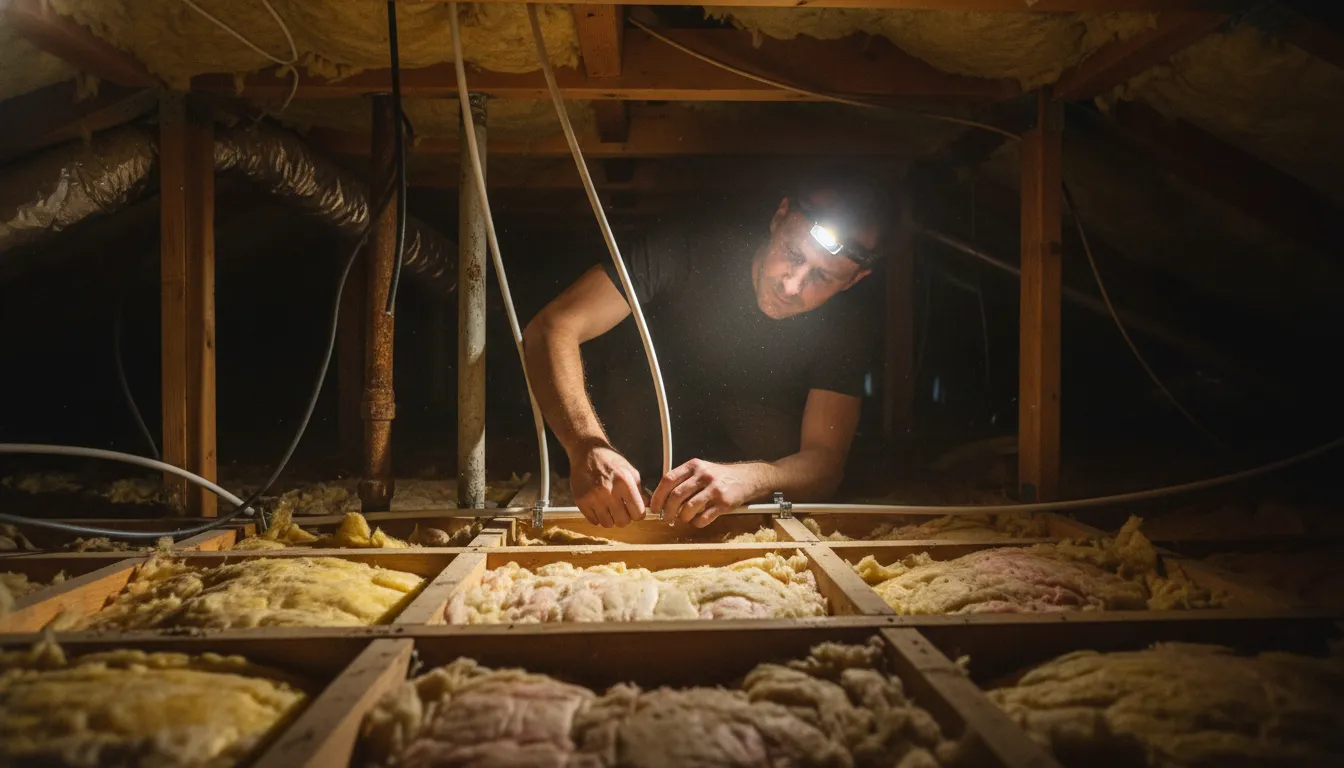
A whole-house repiping project is a significant but often necessary upgrade for older homes, replacing aging and problematic plumbing with modern, reliable materials. This process, also known as replumbing or a full pipe replacement, is crucial for maintaining water quality, ensuring consistent pressure, and preventing costly leaks and water damage. For Trenton homeowners, understanding the scope, materials, and local considerations for a repipe is the first step toward finding qualified professionals to complete this essential work.
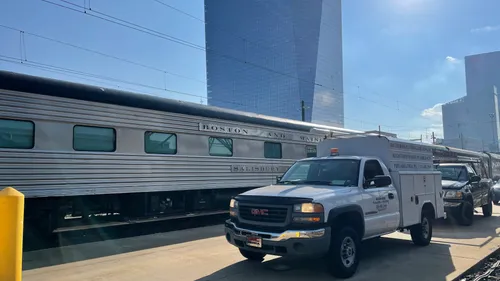
Roger Ross Plumbing & Heating, Inc
Storefront, 4260 Manayunk Ave, Philadelphia, PA 19128
Roger Ross Plumbing & Heating, Inc serves Philadelphia, PA, specializing in leak detection and repiping services. The company is experienced in handling pipe repairs and replacements, particularly in the historic buildings of Northwest Philadelphia. Their licensed team works with both residential and commercial clients to maintain proper plumbing and heating function. Roger Ross Plumbing & Heating is known for its hands-on approach and local expertise in pipe care.

Gold Star Plumbing, LLC
Philadelphia, PA
Gold Star Plumbing, LLC is a family-owned plumbing company serving Philadelphia, PA, and the surrounding Bucks and Montgomery Counties. They provide a wide range of residential plumbing services including water heater installation and repair, drain cleaning, sewer line repair, leak detection, sump pump repair, and bathroom remodeling. The team is experienced in handling mid-century plumbing upgrades and modern fixture installations with attention to local codes and seasonal needs. With over 300 families served near York Road, Jacksonville Road, and Pennypack Creek, Gold Star Plumbing emphasizes transparent pricing, clean workmanship, and respectful scheduling to minimize disruption during projects.
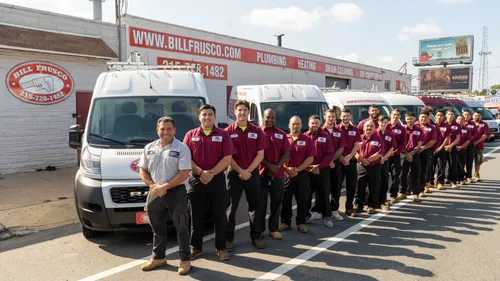
Bill Frusco Plumbing Heating and Air Conditioning
513 Horsham Rd, Horsham, PA 19044
Bill Frusco Plumbing Heating and Air Conditioning is a family-owned business serving Philadelphia, PA, and surrounding counties since 1967. They offer a wide range of plumbing, heating, and cooling services including sewer and drain cleaning, water heater installation, sump pump repair, gas line installation, and leak detection. The company is a Master Licensed Plumber and provides 24/7 emergency plumbing and HVAC services to both residential and commercial customers. Their expertise includes sewer line repair and water restoration services, supported by over 50 years of experience in the industry.
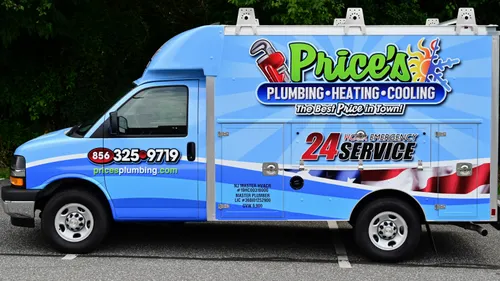
Price's Plumbing Heating & Air Conditioning
3747 Church Rd UNIT 104, Mt Laurel Township, NJ 08054
Price's Plumbing Heating & Air Conditioning serves Philadelphia, PA, providing a wide range of plumbing, heating, and air conditioning services. Their offerings include sewer camera inspections, water heater installation and repair, sump pump repair, drain cleaning, sewer line repair, leak detection, repiping, toilet repair, and garbage disposal repair. The company is equipped with state-of-the-art tools and emphasizes thorough preparation to ensure efficient service. With over 20 years of experience, Price's Plumbing Heating & Air Conditioning also offers 24/7 availability for emergency plumbing and water heater services.
Rehmann Plumbing
360 Medford Lakes Rd, Tabernacle, NJ 08088
Rehmann Plumbing is a plumbing contractor based in Philadelphia, PA, specializing in sewer line repair and repiping services. The company handles comprehensive plumbing projects, including replacing sewer lines and running new plumbing lines in basements. Known for thorough troubleshooting and quality workmanship, Rehmann Plumbing serves residential clients in the Philadelphia area. The business is recognized for its practical approach and clear communication throughout the job process.
What Does Whole-House Repiping Involve?
A complete repipe is more than just swapping out old pipes. It's a systematic process that restores the integrity of your home's entire water distribution system. For many Trenton residences, especially those built before the 1970s, this project addresses the limitations and failures of outdated materials like galvanized steel, which is prone to internal rust that restricts water flow and contaminates water.
The standard procedure begins with a thorough inspection by a licensed plumber to assess the condition of your existing pipes and map the home's plumbing layout. Necessary permits from the City of Trenton must be obtained before work begins. Once planned, the main water supply is shut off, and strategic access points are created in walls, ceilings, or floors to reach the plumbing network 1. The old pipes are then systematically cut out and removed.
The installation of new piping follows, with lines routed to every fixture-sinks, toilets, showers, and appliances. After the new system is fully installed, it undergoes rigorous pressure testing to ensure there are no leaks before the walls are closed up. The final, critical phase is restoration, which involves repairing drywall, plaster, and any other surfaces that were opened to access the pipes, returning your home to its pre-construction condition 2.
Common Pipe Materials for Your Trenton Home
Choosing the right pipe material is a key decision that affects the project's cost, longevity, and performance. Today's plumbers typically use one of three primary materials for residential repiping.
PEX (Cross-linked Polyethylene): This flexible, plastic tubing has become the most popular choice for modern repiping projects. Its flexibility allows it to be snaked through walls with fewer fittings, which can mean faster installation and reduced potential for future leaks. PEX is highly resistant to scale and chlorine, doesn't corrode, and can handle freezing temperatures better than rigid pipes 3 4. It's generally the most cost-effective option.
CPVC (Chlorinated Polyvinyl Chloride): CPVC is a rigid plastic pipe suitable for both hot and cold water lines. It's affordable, easy to install with solvent cement, and offers good corrosion resistance. While not as flexible as PEX, it remains a durable and budget-friendly choice for a full pipe replacement 5.
Copper: The traditional, premium option, copper piping is known for its durability and long service life. It resists bacteria growth and can withstand high pressures. However, copper is significantly more expensive than plastic alternatives and requires skilled soldering for installation, which increases labor time and cost 6. It's also susceptible to theft from vacant properties, a consideration in some areas.
Project Timeline and What to Expect
Homeowners naturally want to know how long their daily routine will be disrupted. A whole-house repipe in Trenton typically takes between 2 to 7 days to complete 7 8. Several factors influence this timeline:
- Home Size & Layout: A larger, multi-story home with multiple bathrooms will take longer than a small bungalow.
- Accessibility: Pipes hidden behind finished walls and ceilings require more careful access and restoration, extending the project. Homes with accessible crawlspaces or basements may see faster work.
- Material Choice: Installing flexible PEX is often faster than working with rigid CPVC or copper.
- Unexpected Complications: Discovering outdated or non-compliant plumbing, or structural issues behind walls, can add time.
During the project, your water will be shut off. A reputable plumbing team will work to minimize disruption, often setting up a temporary water supply line to one sink if the project spans multiple days. You should plan for some noise, dust, and the presence of workers in your home.
Find the perfect repiping contractors for your needs
Get personalized recommendations and expert advice
Understanding the Investment: Repiping Costs
The cost to replumb a house in Trenton varies widely based on the factors discussed. As a significant investment in your property's infrastructure, prices generally range from $5,000 to over $20,000 9. For a typical 1,000-square-foot home, you might expect costs in the $5,000-$15,000 range, with larger homes costing proportionally more.
Material costs are a primary driver:
- PEX/CPVC Repipe: Generally ranges from $1,500 to $15,000+, offering the most budget-friendly modern solution.
- Copper Repipe: A premium option, often costing between $5,000 and $20,000+ due to the high material cost and skilled labor required for soldering 10 11.
Other cost factors include the linear footage of pipe needed, the number of fixtures (each sink, toilet, and shower adds labor and fittings), the complexity of access, and the extent of wall and ceiling restoration required after the pipes are in place. Always obtain detailed, written estimates from several licensed plumbers that break down material, labor, permit, and restoration costs.
Signs Your Trenton Home May Need Repiping
How do you know if a full pipe replacement is in your near future? Look for these common indicators of systemic plumbing failure:
- Discolored Water: Brown, yellow, or reddish water, especially after periods of disuse, is a classic sign of corroding galvanized or iron pipes.
- Low Water Pressure: A gradual or sudden drop in pressure at multiple fixtures often indicates mineral buildup or corrosion inside old pipes.
- Frequent Leaks: If you're constantly patching pinhole leaks in different areas, the entire pipe system is likely failing.
- Rattling Pipes (Water Hammer): While sometimes fixable with air chambers, persistent loud banging can point to poor pipe integrity or incorrect sizing.
- Visible Corrosion: Check pipes in your basement, under sinks, or connected to your water heater. Flaking, rust, or green patina on copper are clear visual cues.
Addressing these issues proactively with a repipe can prevent catastrophic leaks, improve water quality for your family, and even increase the value and insurability of your home 12.
Navigating the Process with a Local Professional
Selecting the right contractor is paramount. For a repiping project in Trenton, ensure any plumber you consider is fully licensed and insured in New Jersey and the City of Trenton. They should pull all required permits, which not only ensures the work is legal but also that it will be inspected to meet current building codes.
A trustworthy plumber will conduct a comprehensive assessment, provide a clear, detailed written estimate, and explain the pros and cons of each material option for your specific home. They should also outline their process for protecting your property, managing dust, and handling post-installation cleanup and restoration. Don't hesitate to ask for references from recent repiping jobs and verify their standing with the New Jersey Division of Consumer Affairs.
Frequently asked questions
Sources
Footnotes
-
Whole-House Repiping: Step-by-Step Guide - https://www.veteranplumbing.us/whole-house-repiping-step-by-step-guide/ ↩
-
Types Of Plumbing Pipes Used in Home | UltraTech Cement - https://www.ultratechcement.com/for-homebuilders/home-building-explained-single/descriptive-articles/types-of-plumbing-pipes ↩
-
5 Common Types of Plumbing Pipes You'll Find in Homes | PlumbWize - https://www.plumbwize.ca/blog/types-of-plumbing-pipes/ ↩
-
What to Expect During a Whole House Repipe: Cost, Timeline ... - https://go4apes.com/what-to-expect-during-a-whole-house-repipe-cost-timeline-and-installation-process/ ↩
-
How Much Does It Cost to Repair or Replace Plumbing Pipes? - https://www.aeheatingandcooling.com/blog/cost-repair-replace-plumbing-pipes ↩
-
One Leaky Pipe Too Many? Here's the Average Cost to Replumb a ... - https://www.homelight.com/blog/cost-to-replumb-house/ ↩
-
What Is Repiping? A Comprehensive Guide | CPI Service - https://cpiservice.com/blog/what-is-repiping/ ↩
-
How Much to Repipe a House: A Comprehensive Cost Guide - https://www.benjaminfranklinplumbing.com/league-city/blog/2024/december/how-much-to-repipe-a-house-a-comprehensive-cost-guide/ ↩
-
Everything You Need To Know About Repiping A House - https://canyonhillsplumbing.com/everything-you-need-to-know-about-repiping-a-house/ ↩
-
Repiping a House: What's Involved & How Much it Costs - https://www.rjtilley.com/blog/2022/january/repiping-a-house-what-s-involved-how-much-it-cos/ ↩
-
How Much Does It Cost to Repipe a House in California - https://cycloneplumbingusa.com/how-much-does-it-cost-to-repipe-a-house-in-california/ ↩
-
Understand the Cost of Repiping a House: Essential Guide - https://1dayallprorepipes.com/understand-the-cost-of-repiping-a-house-essential-guide/ ↩