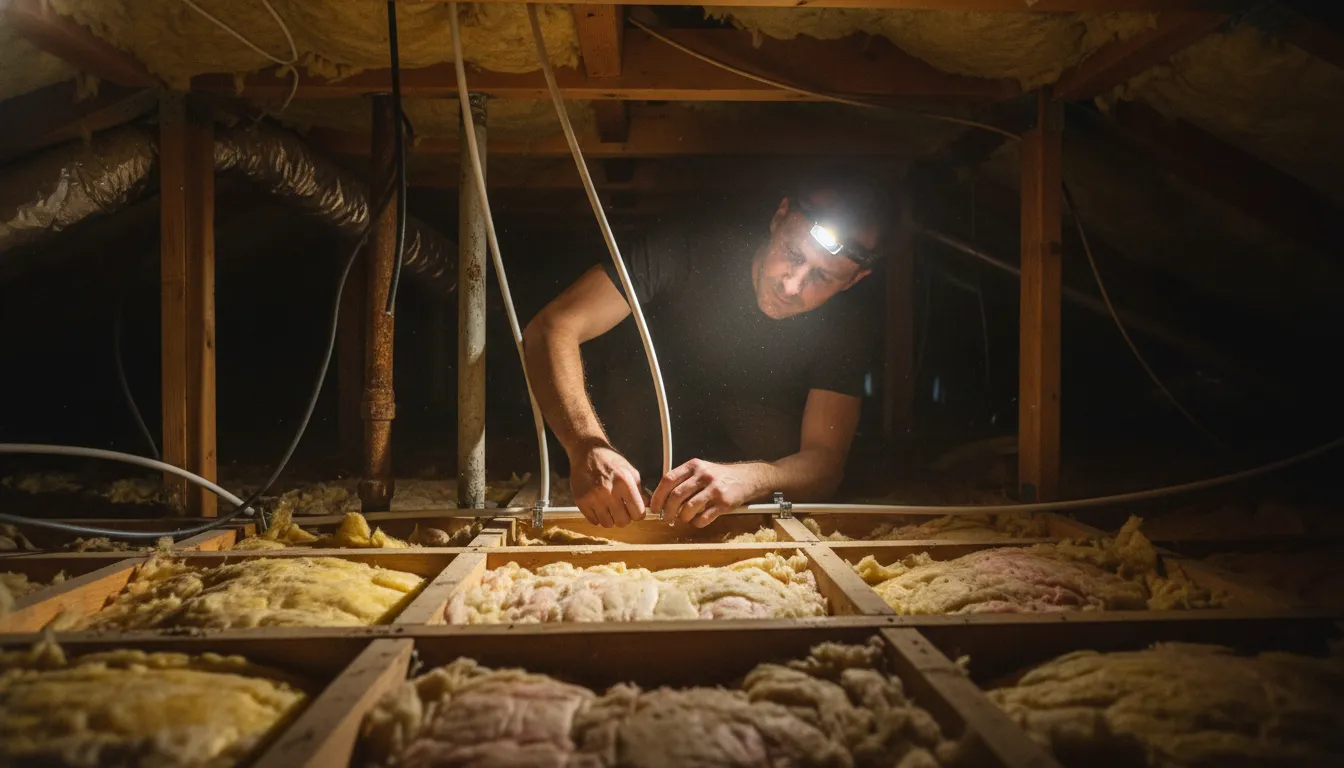
Find the Best Repiping Contractors for Your Business
No obligation • Fast responses • Nationwide coverage

Why you can trust Search a Plumber
Search a Plumber is a leading United States resource for finding and evaluating professional plumbing services. Our team researches licensing, experience, and customer feedback to create unbiased, fact-driven overviews. Companies cannot pay to change ratings or placement, ensuring homeowners get trustworthy information.
Search providers near you
Top Repiping Contractors in South Brunswick, New Jersey Ranked
If you're noticing persistent leaks, rusty water, or low water pressure in your South Brunswick home, your plumbing system may be signaling it's time for a major upgrade. A whole-house repiping project involves replacing all the old, failing water supply lines in your home with new, reliable piping. This significant home improvement is crucial for ensuring clean water, preventing catastrophic leaks, and maintaining your property's value. For homeowners in South Brunswick, navigating this process starts with understanding what's involved and connecting with qualified local professionals who can assess your specific situation and provide a detailed plan.
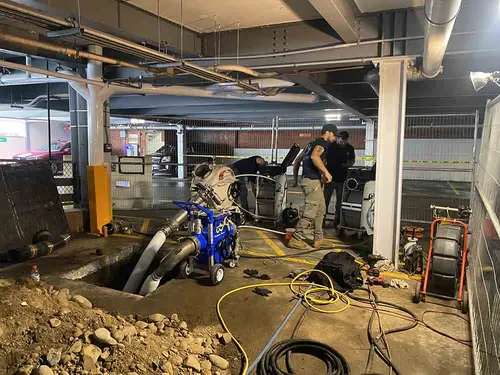
Metro Sewer Service LLC
18 Covington Cir, Staten Island, NY 10312
Metro Sewer Service LLC provides sewer and drain inspections, repairs, and water heater installations in New York, NY. They use advanced CCTV technology for visual inspections to identify sewer line defects and offer trenchless sewer repair methods such as pipe bursting and a trenchless brush coating system for pipe restoration. The company also detects leaks and performs repiping services. Their trenchless brush coating system offers a durable, corrosion-resistant repair with a combined 20-year warranty. Metro Sewer Service LLC serves residential and commercial properties with a focus on minimizing excavation and disruption.
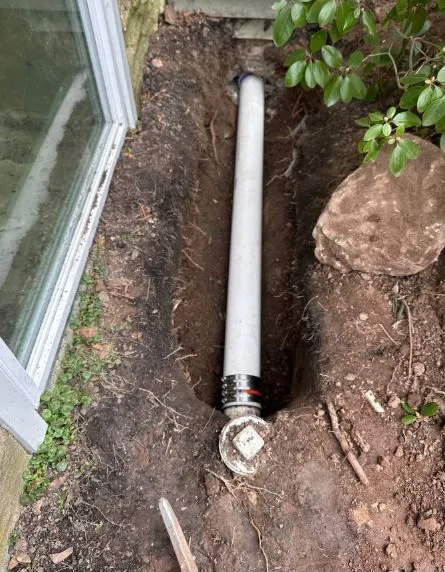
Sewer Surgeons
33 River Rd Suite B, Chatham, NJ 07928
Sewer Surgeons is a plumbing and trenchless sewer repair company serving New York, NY, and surrounding areas. They offer a wide range of services including drain cleaning, hydro jetting, sewer line repairs, trenchless pipe lining, leak detection, sump pump repair, repiping, and toilet repair. Using advanced technology such as sewer video inspection and micro-cleaning, they address plumbing and sewer issues with minimal disruption. Sewer Surgeons is a family-owned, fully insured company with an A+ BBB accreditation and provides 24/7 emergency plumbing services.
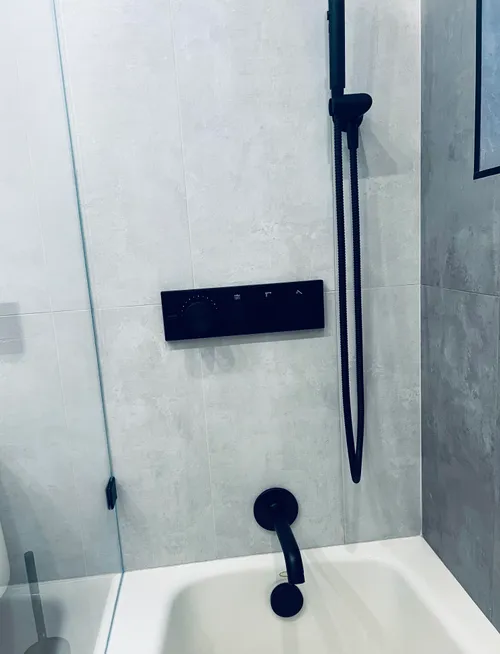
RK Plumbing & HVAC Services LLC
1885 Hylan Blvd, Staten Island, NY 10305
RK Plumbing & HVAC Services LLC provides comprehensive plumbing and HVAC solutions in New York, NY. They offer services including water heater repair and installation, sump pump repair, drain cleaning, sewer line repair, leak detection, repiping, and toilet repair. The company is equipped to handle emergency plumbing needs with 24/7 availability, ensuring timely assistance for urgent issues. With over 25 years of experience, RK Plumbing & HVAC Services LLC combines certified expertise with a commitment to clear communication and reliable service.
Rick Lucas Plumbing & Remodeling - Plumber in Bucks County PA
1317 Buck Rd, Feasterville-Trevose, PA 19053
Rick Lucas Plumbing & Remodeling is a family-owned plumbing company based in Feasterville, serving Philadelphia, PA, and the greater Bucks County area. Established in 2018, the company draws on Rick Lucas's over 20 years of master plumbing experience to provide a wide range of services including water heater installation and repair, drain cleaning, sewer line repair, sump pump services, gas line installation, and repiping. They offer 24/7 emergency plumbing services with rapid response times, using advanced diagnostic equipment and professional-grade materials to address plumbing issues efficiently.
Masters Plumbing NJ
109 W 9th Ave, Roselle, NJ 07203
Masters Plumbing NJ is a locally owned plumbing and HVAC company serving Newark, NJ, and the broader North Jersey area. Founded in 2010 by two brothers, the company offers a wide range of services including water heater repair and installation, sump pump repair, drain cleaning, sewer line repair, repiping, and toilet repair. They specialize in hydro jetting to clear tough clogs and maintain clean pipes. Masters Plumbing NJ provides 24/7 emergency services, ensuring help is available any time of day or night for urgent plumbing and HVAC needs.
Understanding the Need for a Whole-House Replumb
Older homes in South Brunswick, particularly those built before the 1970s, often contain galvanized steel or even lead pipes. Over decades, galvanized pipes corrode from the inside out, drastically reducing water flow and contaminating your water with rust. Lead pipes pose a serious health risk. Even copper pipes from the 1970s and 80s can develop pinhole leaks due to acidic water conditions. A full plumbing replacement is the definitive solution to these systemic problems, eliminating recurring repairs and giving you peace of mind with a modern system designed to last for decades.
The Step-by-Step Process of Repiping a Home
A professional pipe replacement is a multi-stage project designed for minimal long-term disruption. Here's what you can generally expect when you hire a specialist for a whole-house re-pipe.
1. Inspection and Detailed Planning The process begins with a thorough inspection. A licensed plumber will assess the condition of your existing pipes, map out the entire home's plumbing layout, and identify the best paths for the new lines. This stage is critical for selecting the right materials and creating an accurate timeline and quote.
2. Gaining Access and Removing Old Pipes Before any work starts, the main water supply will be shut off. To access the old plumbing lines that are hidden inside walls, ceilings, and under floors, technicians will need to cut strategic access holes. These openings are kept as small and neat as possible. The old galvanized or lead pipes are then carefully removed and disposed of.
3. Installation of New Water Lines This is the core of the project. The new piping-whether PEX, copper, or CPVC-is installed throughout the home. A key advantage of modern materials like PEX is its flexibility, which often allows it to be snaked through walls with fewer access holes and connections than rigid pipe 1 2. New lines are run to every faucet, toilet, shower, and appliance.
4. Pressure Testing and System Check Once installed, the entire new system is pressurized with air or water and meticulously checked for any leaks. All connections, valves, and fixtures are tested to ensure everything is watertight and functioning correctly before the walls are closed up 3 4.
5. Restoration and Cleanup After passing inspection, the plumber will patch the drywall or plaster at the access points. While major painting or texturing is typically the homeowner's responsibility, a professional crew will leave the work area clean and your water system fully operational.
Choosing the Right Piping Material for Your Home
The choice of material is one of the most important decisions in a repipe project, affecting cost, longevity, and performance. Here are the common options used in South Brunswick homes.
- PEX (Cross-Linked Polyethylene): This flexible, plastic tubing has become the go-to choice for many residential repiping jobs. It's highly corrosion-resistant, easier and faster to install due to its flexibility (requiring fewer fittings), and is generally more affordable than copper for both materials and labor. Its color-coding (red for hot, blue for cold) also simplifies future maintenance.
- Copper: The traditional standard for decades, copper is known for its exceptional durability and long lifespan of 50 years or more. It can withstand high heat and adds a perceived value to a home. However, it is more expensive than PEX, both in material cost and the labor required for soldering each joint 5.
- CPVC (Chlorinated Polyvinyl Chloride): A rigid plastic pipe, CPVC is another cost-effective option. It is primarily used for hot and cold water supply lines and is glued together at fittings. It can become brittle over time if exposed to direct sunlight.
- PVC (Polyvinyl Chloride): PVC is typically used for drain, waste, and vent (DWV) lines, not for pressurized hot and cold water supply inside a home 6. A whole-house repiping project usually focuses on the supply lines, but your plumber may assess your DWV system as well.
Find the perfect repiping contractors for your needs
Get personalized recommendations and expert advice
Project Timeline: What to Expect
A common question homeowners have is how long they will be without normal water service. For a typical single-family home in South Brunswick, a complete pipe replacement usually takes between 2 to 5 days. The exact duration depends on several factors:
- Home Size and Layout: A larger home with multiple bathrooms and complex layouts takes longer.
- Material Choice: Installing PEX is often faster than installing copper due to its flexibility and connection methods.
- Accessibility: Pipes hidden behind finished walls or in tight crawl spaces can add time.
- Crew Size: A larger, experienced crew can complete the job more efficiently.
While water will be shut off during the active installation phases, a professional team will work to restore water to critical fixtures like a bathroom or kitchen sink as quickly as possible each day 7.
Cost Considerations for a Repiping Project
The total investment for a whole-house replumb varies widely. Based on general industry data, homeowners can expect a broad range, often between $3,000 and $16,000 or more for a full replacement 8 9. For a frame of reference, in a 1,500-square-foot home, using copper might range from $8,000 to $10,000, while a PEX system might cost between $4,000 and $6,000 due to material and labor savings 10. It's important to note that these are illustrative ranges; the final cost for your South Brunswick home will depend on its specific size, layout, the material selected, and the extent of restoration work needed.
Key Factors for a Successful Repipe
- Plan for Disruption: There will be periods without water, and you'll need to accommodate workers and equipment in your home. Planning for this temporary inconvenience is part of the process 11.
- Understand the Access Required: To do the job correctly, plumbers need to create openings in walls and ceilings. These are repaired, but it's a necessary step in replacing hidden pipes 12.
- Focus on Long-Term Value: While upfront cost is a factor, consider the long-term benefits: no more leak repairs, improved water pressure and quality, increased home safety, and enhanced property value. PEX, for example, offers significant long-term savings through lower initial cost and minimal maintenance 13 14.
- Secure Proper Permits: A reputable plumbing company will handle pulling all required local permits in South Brunswick Township and schedule the necessary inspections, which are crucial for ensuring the work is up to code.
Frequently asked questions
Sources
Footnotes
-
Comprehensive Guide to Whole House Repiping - Absolute Airflow - https://www.absoluteairflow.com/comprehensive-guide-to-whole-house-repiping/ ↩
-
How Long Does It Take to Repipe a Whole House? - https://www.whiteoakplumbing.com/how-long-does-it-take-to-repipe-a-whole-house ↩
-
Whole-House Repiping: Step-by-Step Guide - https://www.veteranplumbing.us/whole-house-repiping-step-by-step-guide/ ↩
-
What to Expect During a Whole House Repipe: Cost, Timeline, and ... - https://go4apes.com/what-to-expect-during-a-whole-house-repipe-cost-timeline-and-installation-process/ ↩
-
Plumbing Installation 101: All You Need to Know | TRADESAFE - https://trdsf.com/blogs/news/plumbing-installation ↩
-
How Much Does It Cost To Repipe a House in Westwood, NJ? - https://www.titanium-plumbing.com/2024/06/20/how-much-does-it-cost-to-repipe-a-house/ ↩
-
What Is Repiping? A Comprehensive Guide | CPI Service - https://cpiservice.com/blog/what-is-repiping/ ↩
-
House Repiping Cost Breakdown - Vaquero Plumbing - https://vaqueroplumbing.com/house-repiping-cost-breakdown/ ↩
-
How Much to Repipe a House: Understanding Costs and ... - https://www.benjaminfranklinplumbing.com/league-city/blog/2025/march/how-much-to-repipe-a-house-understanding-costs-and-factors/ ↩
-
Replacing Old Pipes: 2026 Costs, Options, and What to Expect - https://modernize.com/plumbing/systems/water-supply/replacing-old-pipes ↩
-
What to Expect and How to Minimize Disruption During a Whole ... - https://www.tridentplumbingllc.com/2025/12/31/what-to-expect-and-how-to-minimize-disruption-during-a-whole-house-repiping-project/ ↩
-
What Is Involved With Repiping A House? | HELP Plumbing - https://333help.com/blog/what-is-involved-with-repiping-a-house/ ↩
-
House Repiping Cost 2022: How Much To Repipe Your Home? - https://www.superbrothers.com/house-repiping-cost-2022-how-much-to-repipe-your-home/ ↩
-
Learn How Long It Takes to Repipe a Home | Cozy Services - https://www.cozyhvac.net/learn-how-long-it-takes-to-repipe-a-home/ ↩