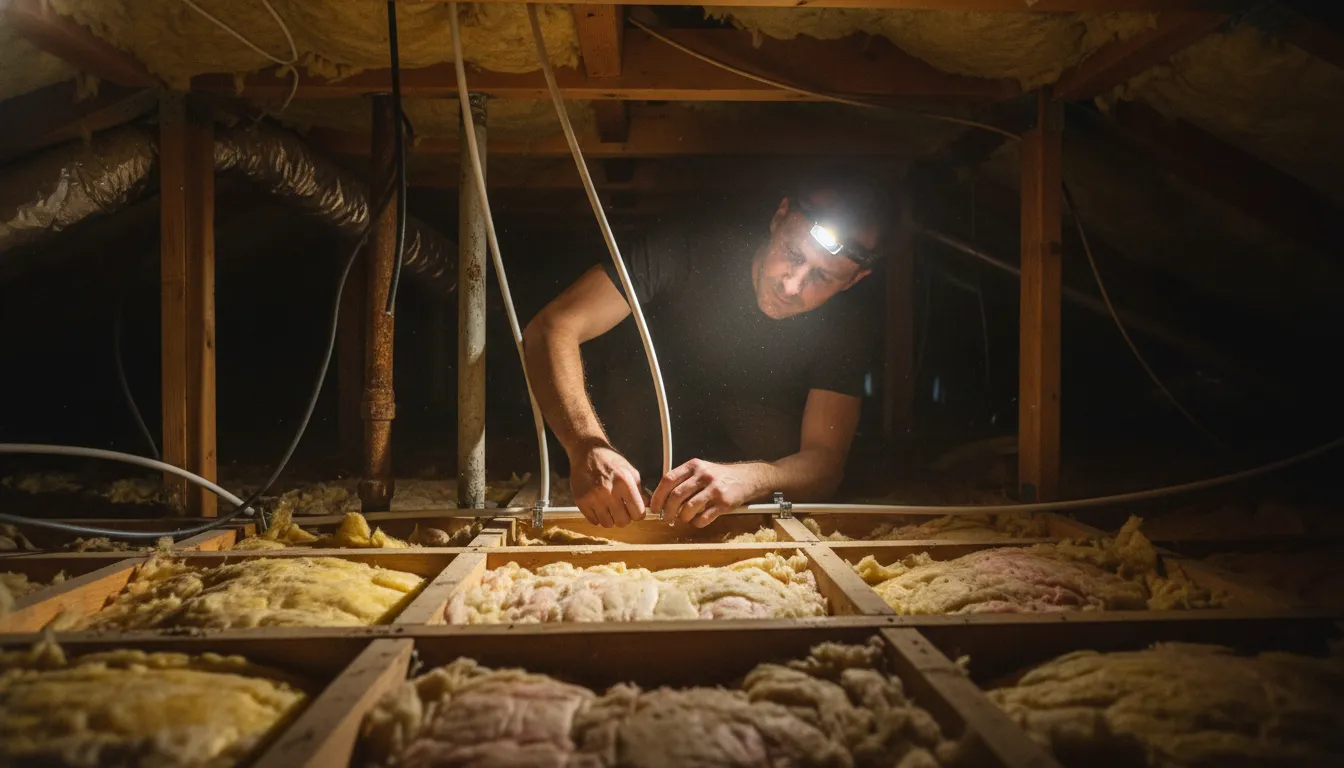
Find the Best Repiping Contractors for Your Business
No obligation • Fast responses • Nationwide coverage

Why you can trust Search a Plumber
Search a Plumber is a leading United States resource for finding and evaluating professional plumbing services. Our team researches licensing, experience, and customer feedback to create unbiased, fact-driven overviews. Companies cannot pay to change ratings or placement, ensuring homeowners get trustworthy information.
Search providers near you
Top Repiping Contractors in Passaic, New Jersey Ranked
If you're dealing with persistent leaks, low water pressure, or discolored water in your Passaic home, the issue may be with your home's aging plumbing system. A full repiping project replaces all the old, failing water supply pipes in your walls and floors with new, reliable materials, ensuring clean water and preventing costly water damage. This guide explains what a whole-house repipe involves, the materials used, and how to find qualified local professionals to handle this significant home improvement.
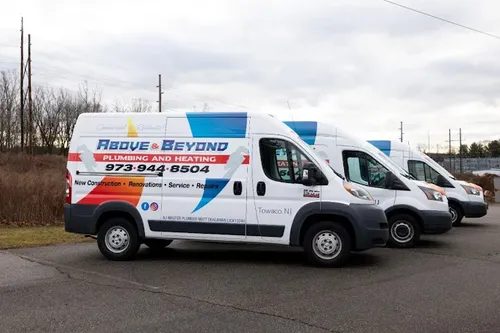
Above and Beyond Plumbing and Heating LLC
5 Van Winkle Rd, Pine Brook, NJ 07058
Above and Beyond Plumbing and Heating LLC is a plumbing and heating service provider based in New York, NY. They offer a wide range of services including water heater repair and installation, water softener installation, drain cleaning, sewer line repair, leak detection, repiping, gas line installation, toilet repair, and garbage disposal repair. The company is known for its 24-hour emergency plumbing services, ensuring help is available whenever needed. They also specialize in boiler installation and repair, and install water filtration and softening systems to improve water quality. With over a decade of experience, Above and Beyond Plumbing and Heating LLC serves New York and surrounding areas, providing tailored solutions to meet specific plumbing and heating needs.
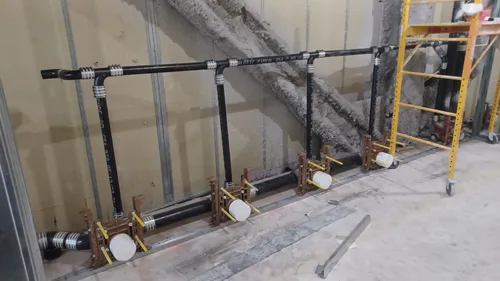
Affordable Plumbing and Leak Repair
New York, NY
Affordable Plumbing and Leak Repair provides a wide range of plumbing services in New York, NY, including water heater repair and installation, drain cleaning, leak detection, repiping, and gas line installation. They serve Staten Island and surrounding areas such as Queens, The Bronx, Brooklyn, and Jersey City. The company offers emergency plumbing services to address urgent issues like burst pipes and clogged drains. Their team is equipped to handle various plumbing needs, including dryer and washer hookups, with a focus on preventing future problems through quality repairs and installations.
A&E NYC Plumbing
40 Fulton St, New York, NY 10038
A&E NYC Plumbing offers a wide range of plumbing services in New York, NY, including water heater repair and installation, drain cleaning, sewer line repair, leak detection, and gas line installation. They also handle faucet and toilet repairs, garbage disposal maintenance, and repiping projects. The company is licensed and insured, providing both residential and commercial plumbing solutions with a focus on safety and technical expertise. Their team is experienced in managing complex plumbing systems and offers free onsite estimates for more involved jobs.
Poseidon Plumbing
795 Susquehanna Ave, Franklin Lakes, NJ 07417
Poseidon Plumbing is a full-service plumbing company based in New Jersey with branches in Franklin Lakes and Mountain Lakes. They offer a wide range of plumbing services including water heater repair and installation, water softener installation, drain cleaning, hydro jetting, repiping, gas line installation, and toilet repair. Serving Northern New Jersey, including Essex, Morris, and Bergen counties, they provide solutions for both residential repairs and new construction projects. Their capabilities include advanced hydro jetting for effective drain cleaning. Poseidon Plumbing is available 24/7 for emergency plumbing services.
Lesco Plumbing, Heating & Cooling
Newark, NJ
Lesco Plumbing, Heating & Cooling is a plumbing and HVAC company based in Newark, NJ, serving Northern New Jersey including Morris, Essex, Passaic, and Union counties. They provide a range of services such as water heater repair and installation, drain cleaning, sewer line repair, leak detection, repiping, and gas line installation. Established in 2003, Lesco Plumbing, Heating & Cooling has over 20 years of experience in the industry. They also offer HVAC services including furnace and air conditioner repair and replacement.
What is Whole-House Repiping?
Whole-house repiping, also known as re-piping or a full plumbing overhaul, is the process of removing a home's existing water supply pipes and installing a completely new network. This is distinct from spot repairs and is typically recommended when a plumbing system is at the end of its lifespan. In many older Passaic homes, original galvanized steel or even early copper pipes can be decades old, leading to internal corrosion, rust buildup that restricts flow, and an increased risk of pinhole leaks. A repipe modernizes your entire plumbing infrastructure, providing a long-term solution for reliable water delivery to every faucet, shower, and appliance.
Signs Your Passaic Home Needs New Pipes
How do you know if your plumbing issues warrant a full repipe instead of a simple repair? Look for these common indicators:
- Discolored Water: Brown, yellow, or reddish water, especially when first turning on a tap, is a classic sign of rusting pipes, typically from galvanized steel.
- Consistently Low Water Pressure: Gradual buildup of mineral deposits and corrosion inside pipes restricts water flow, reducing pressure throughout your home.
- Frequent Leaks: If you're constantly patching pinhole leaks in different areas, it suggests the entire pipe system is deteriorating.
- Visible Pipe Corrosion: Check pipes in your basement, crawlspace, or under sinks. Flaking, rust spots, or green patina on copper are clear visual cues.
- Water Quality Concerns: Rust and sediment can affect taste and may indicate compromised pipe integrity.
The Repiping Process: A Step-by-Step Overview
A professional repiping job is a multi-day project managed by licensed plumbers. Understanding the steps can help you prepare for the work in your home.
- Initial Consultation & Quote: A licensed plumber will inspect your home's current plumbing, access points, and layout to provide a detailed estimate and plan.
- Preparation & Water Shutoff: On the first day, the team will shut off the main water supply to the house and drain all existing lines. They will prepare the work areas, which may involve moving furniture and creating access points in walls or ceilings.
- Removal of Old Piping: The old galvanized, copper, or other pipes are carefully cut out and removed in sections. This is often the most disruptive phase, as it requires opening up wall and ceiling cavities.
- Installation of New Pipes: New piping (like PEX, copper, or CPVC) is routed through the open spaces, following an efficient layout to all fixtures-sinks, toilets, water heater, etc. Connections are made at each fixture stub-out.
- Pressure Testing & Inspection: Once the new system is installed, it is pressurized with air or water to test for any leaks. This critical step ensures the integrity of all joints and connections before the walls are closed up.
- System Flush & Activation: After passing the pressure test, the system is flushed to clear any debris, and the main water is turned back on. All fixtures are checked for proper operation and flow.
- Drywall & Finishing: The plumber will typically seal the access holes with drywall patches. The final sanding, texturing, and painting to restore walls and ceilings are usually the homeowner's responsibility or can be arranged with a separate contractor.
Choosing the Right Piping Material
The material you choose for your new plumbing lines affects cost, longevity, and installation time. Here are the most common options used in modern repiping projects 1.
- PEX (Cross-linked Polyethylene): This flexible, plastic tubing has become the most popular choice for repipes. It's corrosion-resistant, easier and faster to install with fewer fittings (which reduces leak points), and can handle freezing temperatures better than rigid pipes. It is also generally the most affordable option 2 3.
- Copper: The traditional, durable metal piping. Copper is long-lasting, resistant to bacteria, and can handle high heat. However, it is more expensive than plastic options, requires skilled soldering, and can be susceptible to corrosion from certain water chemistries (pinhole leaks) and theft from vacant properties.
- CPVC (Chlorinated Polyvinyl Chloride): A rigid plastic pipe used for both hot and cold water lines. It is affordable, easy to cut and glue, and resistant to corrosion. It can become brittle over time if exposed to direct sunlight and may not be as flexible as PEX for complex runs.
For drain, waste, and vent (DWV) lines, PVC or ABS plastic pipes are standard and are usually replaced if they are part of the overall project 4.
What to Expect: Project Timeline and Investment
A whole-house repipe is a significant investment in your home's infrastructure and functionality.
Typical Timeline: For an average-sized Passaic home, a professional repiping service typically takes 2 to 5 days to complete 5. The duration depends on the home's size, the number of bathrooms, the chosen material (PEX is faster to install than copper), and the complexity of accessing pipe runs within walls.
Understanding the Costs: The total cost for repiping a house can vary widely based on square footage, material choice, local labor rates, and the extent of finish restoration needed. Nationally, costs can range from $1,500 to $15,000 or more 6 7. For a typical home using PEX or CPVC, many projects fall in the $4,000 to $7,500+ range 8. Copper repiping will be at the higher end of the scale due to material costs. It's crucial to get detailed, written estimates from several licensed and insured local plumbers. The quote should include all labor, materials, permits, and a clear explanation of what finish work (drywall repair) is included.
Find the perfect repiping contractors for your needs
Get personalized recommendations and expert advice
Preparing for a Repipe Project
A little preparation can make the process smoother for your household:
- Clear the Work Areas: Provide clear access to walls, under sinks, and in basements or crawlspaces.
- Plan for Water Outage: You will be without water for the majority of the project. Plan accordingly by filling containers for drinking and toilet flushing.
- Discuss Logistics: Talk with your plumber about daily start/end times, debris removal, and how they will protect your home's flooring and furnishings.
- Arrange for Finishing Work: Have a plan for drywall repair and painting after the plumber has completed the pipe installation and testing.
The Value of a Professional Repipe
While the upfront cost and temporary disruption are considerations, the long-term benefits are substantial. A successful repipe eliminates the headaches of constant repairs, restores full water pressure, and ensures clean water from every tap. It also modernizes your home's plumbing to current standards, which can be a valuable selling point and may even positively impact your home insurance. By investing in a quality repiping job with the right materials, you're securing your home's plumbing health for decades to come 9 10.
Frequently asked questions
Sources
Footnotes
-
5 Common Types of Plumbing Pipes You'll Find in Homes | PlumbWize - https://www.plumbwize.ca/blog/types-of-plumbing-pipes/ ↩
-
Whole-House Repiping: Step-by-Step Guide - https://www.veteranplumbing.us/whole-house-repiping-step-by-step-guide/ ↩
-
What to Expect During a Whole House Repipe: Cost, Timeline ... - https://go4apes.com/what-to-expect-during-a-whole-house-repipe-cost-timeline-and-installation-process/ ↩
-
Types Of Plumbing Pipes Used in Home | UltraTech Cement - https://www.ultratechcement.com/for-homebuilders/home-building-explained-single/descriptive-articles/types-of-plumbing-pipes ↩
-
How Long Does a Repipe Take - Plumbing Outfitters - https://plumbingoutfitters.com/how-long-does-a-repipe-take-what-homeowners-should-know/ ↩
-
Repiping a House: What's Involved & How Much it Costs - https://www.rjtilley.com/blog/2022/january/repiping-a-house-what-s-involved-how-much-it-cos/ ↩
-
How Much Does It Cost to Repipe a House? - https://therepipecompany.com/faqs/how-much-does-it-cost-to-repipe-my-home/ ↩
-
How Long Do Professional Repiping Services Take? - https://santanabrosplumbing.com/how-long-do-professional-repiping-services-take/ ↩
-
Understand the Cost of Repiping a House: Essential Guide - https://1dayallprorepipes.com/understand-the-cost-of-repiping-a-house-essential-guide/ ↩
-
The Best Materials for Repiping a Home | Intelligent Design Tucson - https://www.idesignac.com/blog/plumbing/the-best-materials-for-repiping-a-home ↩