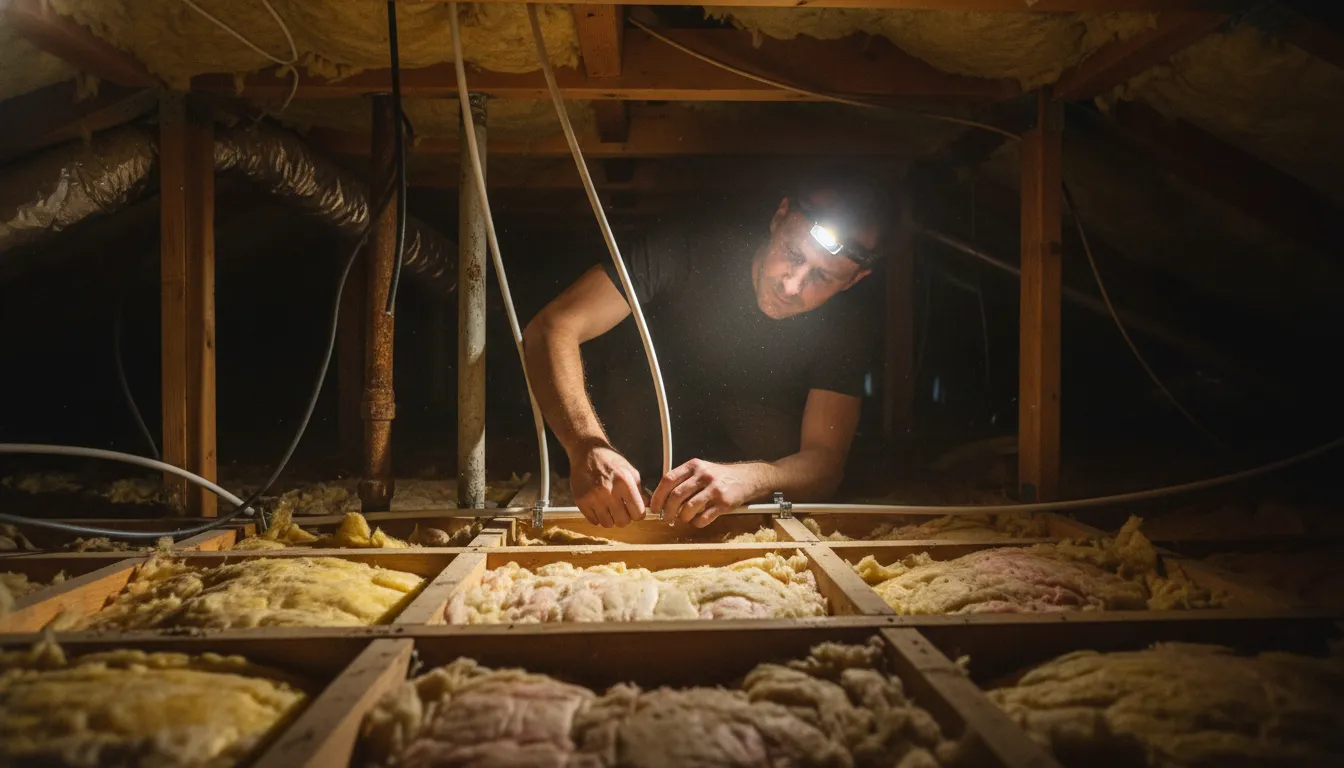
Find the Best Repiping Contractors for Your Business
No obligation • Fast responses • Nationwide coverage

Why you can trust Search a Plumber
Search a Plumber is a leading United States resource for finding and evaluating professional plumbing services. Our team researches licensing, experience, and customer feedback to create unbiased, fact-driven overviews. Companies cannot pay to change ratings or placement, ensuring homeowners get trustworthy information.
Search providers near you
Top Repiping Contractors in Gloucester, New Jersey Ranked
If you're experiencing persistent leaks, rusty water, or frustratingly low water pressure in your Gloucester home, the issue may lie within your walls. Repiping is the comprehensive process of replacing a home's entire network of water supply pipes, a significant project that can restore water quality, pressure, and long-term reliability. This guide explains what a full-house pipe replacement entails, helping you understand the process, materials, and considerations to find qualified local professionals for the job.

Roger Ross Plumbing & Heating, Inc
Storefront, 4260 Manayunk Ave, Philadelphia, PA 19128
Roger Ross Plumbing & Heating, Inc serves Philadelphia, PA, specializing in leak detection and repiping services. The company is experienced in handling pipe repairs and replacements, particularly in the historic buildings of Northwest Philadelphia. Their licensed team works with both residential and commercial clients to maintain proper plumbing and heating function. Roger Ross Plumbing & Heating is known for its hands-on approach and local expertise in pipe care.
Scarpignato Plumbing & Heating, LLC
507 Hastings Ave, Wallingford, PA 19086
Scarpignato Plumbing & Heating, LLC is a family-owned plumbing and heating company serving Philadelphia, PA, and nearby Delaware County communities since 2000. They offer a wide range of services including sewer camera inspections, water heater installation and repair, drain cleaning, hydro jetting, trenchless sewer repair, leak detection, repiping, gas line installation, and general plumbing maintenance. The company uses advanced equipment such as video camera inspection tools and trenchless pipe repair technology to handle complex plumbing issues efficiently. Owner Michael Scarpignato is a licensed master plumber with over 25 years of experience, ensuring expert service and multiple repair options tailored to customer needs. Emergency plumbing services are also available for urgent situations.

MVP Plumbing Repair, Water Filtration & Softeners
3703 West Chester Pike, Newtown Square, PA 19073
MVP Plumbing Repair, Water Filtration & Softeners is a plumbing company serving Philadelphia, PA, and nearby areas including Delaware, Montgomery, and Chester Counties. They provide a range of plumbing services such as water heater repair and installation, water softener installation, drain cleaning, leak detection, repiping, and toilet repair. The company also specializes in installing whole-home water filtration systems tailored to specific water quality needs. MVP Plumbing emphasizes personalized service and clear communication, offering upfront pricing and detailed explanations of plumbing issues and solutions. They have experience installing many systems in the local area and focus on delivering solutions that fit individual needs and budgets.
24 Hours Drain & Sewer Line Cleaning
111 McKinley St, Turnersville, NJ 08012
24 Hours Drain & Sewer Line Cleaning is a plumbing contractor serving Philadelphia, PA, and the surrounding Camden County, New Jersey area. They provide residential and commercial plumbing services including drain cleaning, hydrojetting, leak detection, repiping, and unclogging drains. The company specializes in advanced hydrojetting techniques to clear stubborn clogs and buildup, ensuring proper flow in plumbing systems. Established in 2018, 24 Hours Drain & Sewer Line Cleaning offers emergency plumbing services available day and night for urgent issues such as burst pipes and leaks.

Harris Plumbing, Heating, Air & Electrical
38 Cooper St #204, Woodbury, NJ 08096
Harris Plumbing, Heating, Air & Electrical serves the Philadelphia, PA area with a wide range of home services including plumbing, HVAC, and electrical work. Their plumbing services cover sewer camera inspections, drain cleaning, sewer line repair, trenchless sewer repair, and repiping. They use trenchless repair techniques to minimize yard disruption and employ sewer camera inspections to diagnose pipe issues without excavation. Established in 1986, Harris offers comprehensive home solutions with licensed contractors across multiple counties in Pennsylvania and neighboring states.
What Does Whole-House Repiping Involve?
Repiping, also known as re-plumbing, is more than fixing a single leak. It's a systematic replacement of the aging or failing pipes that deliver hot and cold water throughout your home. In Gloucester, where many homes have decades-old plumbing, this project addresses the root cause of systemic issues. The goal is to install a new, durable piping system that will serve your home reliably for years to come.
The process is methodical and typically follows these key steps 1:
- Planning and Permitting: A licensed plumber will assess your home's layout and existing system, then secure any required local permits before work begins.
- Creating Access: Since pipes are hidden inside walls, ceilings, and floors, technicians must create strategic access points by cutting sections of drywall. This is often the most invasive part of the project.
- Water Shutoff: The main water supply to the house is turned off. Homeowners should plan for periods without running water during the workday.
- Removal of Old Pipes: The existing galvanized steel, copper, or polybutylene pipes are carefully cut out and removed.
- Installation of New Lines: New piping is routed through the open spaces and connected to all fixtures (sinks, toilets, showers, appliances).
- Pressure Testing: The entire new system is rigorously tested for leaks before being put into service.
- Restoration: The access holes in your walls and ceilings are patched, taped, and finished. Some repiping services include basic restoration, while others may coordinate with a drywall contractor.
Common Signs You May Need a Pipe Replacement
How do you know if your Gloucester home needs repiping instead of just spot repairs? Look for these telltale signs of widespread pipe deterioration 2:
- Discolored Water: Brown, yellow, or reddish water, especially when first turning on the tap, indicates internal pipe corrosion, common in old galvanized steel pipes.
- Consistently Low Water Pressure: Mineral deposits and rust buildup inside pipes can severely restrict water flow over time.
- Frequent Leaks: If you're patching pinhole leaks in different areas, it's often a sign the entire pipe system is failing.
- Visible Corrosion: Check the pipes under your sinks or in your basement. Flaking, rust, or green patina on copper joints are visual red flags.
Choosing the Right Piping Material
One of the most important decisions in a repiping project is selecting the new pipe material. Each has its own advantages in terms of cost, durability, and installation. Here are the most common options used in modern repiping jobs 3 4 5 6:
- PEX (Cross-linked Polyethylene): This flexible, plastic tubing has become extremely popular for residential repiping. It's corrosion-resistant, easier and faster to install with fewer fittings, and can handle freezing temperatures better than rigid pipes. It's typically color-coded (red for hot, blue for cold).
- Copper: The long-standing standard for durability and longevity. Copper pipes are resistant to bacteria, can handle high heat, and have a proven track record lasting 50+ years. The primary drawbacks are higher material cost and more labor-intensive installation requiring soldering.
- CPVC (Chlorinated Polyvinyl Chloride): A rigid plastic pipe suitable for both hot and cold water lines. It's less expensive than copper and resistant to corrosion, though it can become brittle if exposed to extreme cold and requires solvent welding for joints.
The old materials being replaced are often the reason for the project. Galvanized steel pipes, common in mid-century homes, are prone to internal rust that clogs pipes and taints water. Polybutylene, a gray plastic pipe used from the 1970s to 1990s, is now known to become brittle and fail, often requiring preemptive replacement.
Understanding the Timeline and Scope of Work
A whole-house repiping is a substantial undertaking. Homeowners in Gloucester should plan for the project to take between 2 to 7 days, depending on the size of the home, the complexity of the layout, and the accessibility of the existing pipes 7 8 9. A small, single-story home with a crawlspace might be on the shorter end, while a larger, multi-story home with pipes embedded in concrete slabs will take longer.
The scope involves a team of plumbers working inside your home. They will need clear access to walls, closets, and utility areas. Good communication with your chosen professional about the daily schedule, water availability, and what to expect in terms of dust and disruption is key to a smoother experience.
Find the perfect repiping contractors for your needs
Get personalized recommendations and expert advice
Factors Influencing Repiping Costs
The investment for a full pipe replacement is significant, reflecting the scale of labor and materials involved. Costs can range from several thousand dollars to over $15,000 for larger properties 10. The final price for your Gloucester home is influenced by several key factors:
- Home Size and Number of Fixtures: A 4-bedroom, 3-bathroom home will cost more to repipe than a 2-bedroom, 1-bathroom home simply due to the linear feet of pipe and number of sink, toilet, and shower connections required.
- Pipe Material Choice: As mentioned, copper is typically the most expensive material due to its raw cost. PEX and CPVC offer durable alternatives at a lower material price point.
- Labor and Accessibility: Homes where pipes are easily accessible in basements or crawlspaces will have lower labor costs. If pipes are buried in concrete slabs or behind difficult-to-reach walls, labor time and complexity increase.
- Extent of Restoration: The quote should clarify what level of wall and ceiling patching is included. Some plumbing companies handle basic drywall repair, while others leave it to the homeowner to arrange finishing work.
The Long-Term Benefits of a New Plumbing System
While the process is an investment, the benefits of a successful repiping project are immediate and lasting:
- Improved Water Quality and Safety: Eliminate rust, sediment, and contaminants from old pipes, providing clean, clear water from every tap.
- Restored Water Pressure: Enjoy strong, consistent flow in showers and faucets after restrictive buildup is removed.
- Peace of Mind: Dramatically reduce the risk of catastrophic leaks, water damage, and emergency plumbing repairs.
- Increased Home Value: A modern, reliable plumbing system is a valuable asset and a positive point for future home inspections.
Preparing for a Repiping Project
Once you've decided to move forward and are consulting with local specialists, being prepared will help the project run efficiently. This includes moving furniture away from walls, clearing out under-sink areas and closets, and discussing pet/child safety plans with the crew. Ensure you understand the warranty offered on both the materials and the labor.
Frequently asked questions
Sources
Footnotes
-
Whole-House Repiping: Step-by-Step Guide - https://www.veteranplumbing.us/whole-house-repiping-step-by-step-guide/ ↩
-
Everything You Need To Know About Repiping A House - https://canyonhillsplumbing.com/everything-you-need-to-know-about-repiping-a-house/ ↩
-
One Leaky Pipe Too Many? Here's the Average Cost to Replumb a ... - https://www.homelight.com/blog/cost-to-replumb-house/ ↩
-
5 Common Types of Plumbing Pipes You'll Find in Homes | PlumbWize - https://www.plumbwize.ca/blog/types-of-plumbing-pipes/ ↩
-
How Much Does It Cost to Repipe a House in 2025? - https://www.homeadvisor.com/cost/plumbing/install-new-plumbing-pipes/ ↩
-
Best Plumbing Pipe Materials for Homes 2025 Guide - https://eliteflowcontrolusa.com/best-material-for-plumbing-pipes/ ↩
-
What Is Repiping? A Comprehensive Guide | CPI Service - https://cpiservice.com/blog/what-is-repiping/ ↩
-
What Is Involved With Repiping A House? - HELP Plumbing - https://333help.com/blog/what-is-involved-with-repiping-a-house/ ↩
-
How Much to Repipe a House: A Comprehensive Cost Guide - https://www.benjaminfranklinplumbing.com/league-city/blog/2024/december/how-much-to-repipe-a-house-a-comprehensive-cost-guide/ ↩
-
How Much to Repipe a House: Understanding Costs and Factors - https://www.benjaminfranklinplumbing.com/league-city/blog/2025/march/how-much-to-repipe-a-house-understanding-costs-and-factors/ ↩